Football's Biggest Tournament Yet Kicks Off Across North America
The 2026 FIFA World Cup has opened in Mexico City, Los Angeles and Toronto, launching the first 48-team edition spread across three host nations and sixteen cities.
Commentary & Analysis ·
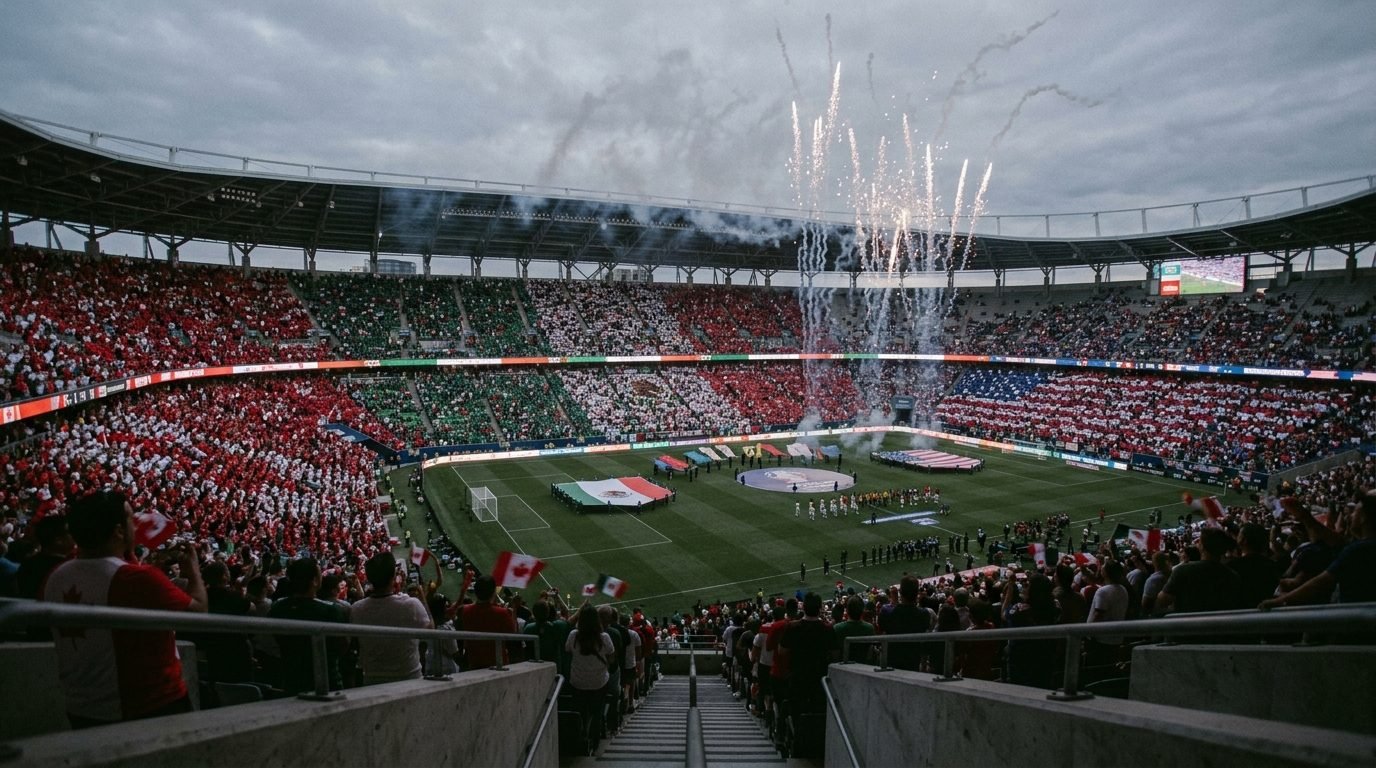
The largest World Cup in history has begun, with the 2026 FIFA tournament opening across three host nations in a sprawling festival of football that will run until 19 July. Co-host Mexico played the opening match at the iconic Estadio Azteca in Mexico City on 11 June, with the United States and Canada staging their first games a day later in Los Angeles and Toronto.
This edition marks a historic expansion to 48 teams, up from 32, and is jointly hosted by the United States, Mexico and Canada across sixteen cities, eleven of them in the US. The scale of the event, both in the number of participating nations and the geographic span, is unprecedented for the men's game.
A tournament of firsts
The opening ceremonies were staged in three parts, one in each host country. The main ceremony in Mexico City featured a flag parade and a performance of the official tournament song by Shakira and Burna Boy, before Mexico kicked off the competition against South Africa. Separate ceremonies followed at SoFi Stadium in Los Angeles and BMO Field in Toronto.
The expanded format means a longer group stage and more matches than ever before, with organisers and broadcasters anticipating record global viewership. The tournament's sheer size has also raised logistical questions about travel distances, climate conditions in summer-heat venues and the experience for travelling fans.
Why the world is watching
The World Cup remains the single most-watched sporting event on the planet, drawing audiences far beyond traditional footballing nations. For the host countries, the tournament is a major economic and diplomatic showcase, unfolding against a backdrop of tense trade relations across North America.
Key features distinguishing the 2026 edition include:
- An expanded field of 48 teams, the most in World Cup history.
- Three host nations sharing matches across sixteen cities.
- A new group structure feeding into an enlarged knockout phase.
- Opening ceremonies held simultaneously across the three countries.
The Indian angle
India does not have a team in the finals, with the national side still some distance from World Cup qualification. Yet the tournament commands an enormous following among Indian fans, many of whom support European and South American giants and follow the competition deep into the night across the country's time zone.
Indian broadcasters and streaming platforms have invested heavily in coverage, reflecting football's steady growth in a cricket-dominated market. The event also lands as Indian administrators continue to push for greater investment in domestic football infrastructure and youth development, with an eye on long-term competitiveness.
Looking ahead
The group stage will unfold over the coming weeks, narrowing the expanded field before the knockout rounds build towards the final in July. Traditional powerhouses arrive as favourites, but the larger format offers more opportunities for emerging nations to make their mark on the world stage.
For now, the focus is on the spectacle of a tournament that has stretched the World Cup to a new continental scale, uniting fans across three nations and billions of viewers worldwide in a month-long celebration of the global game.
The NE Times View
A 48-team, three-nation World Cup is football's boldest commercial expansion yet, betting that more matches mean more money even if the spectacle thins. India, perpetually on the edge of this party, should note what hosting at scale actually requires: stadiums, transit and governance that endure beyond the tournament. The bigger lesson is infrastructural, not sporting, and it is one we keep promising to learn.
This article is original commentary and analysis by The NE Times. Background facts were referenced from BBC and Reuters.
You may also like to read
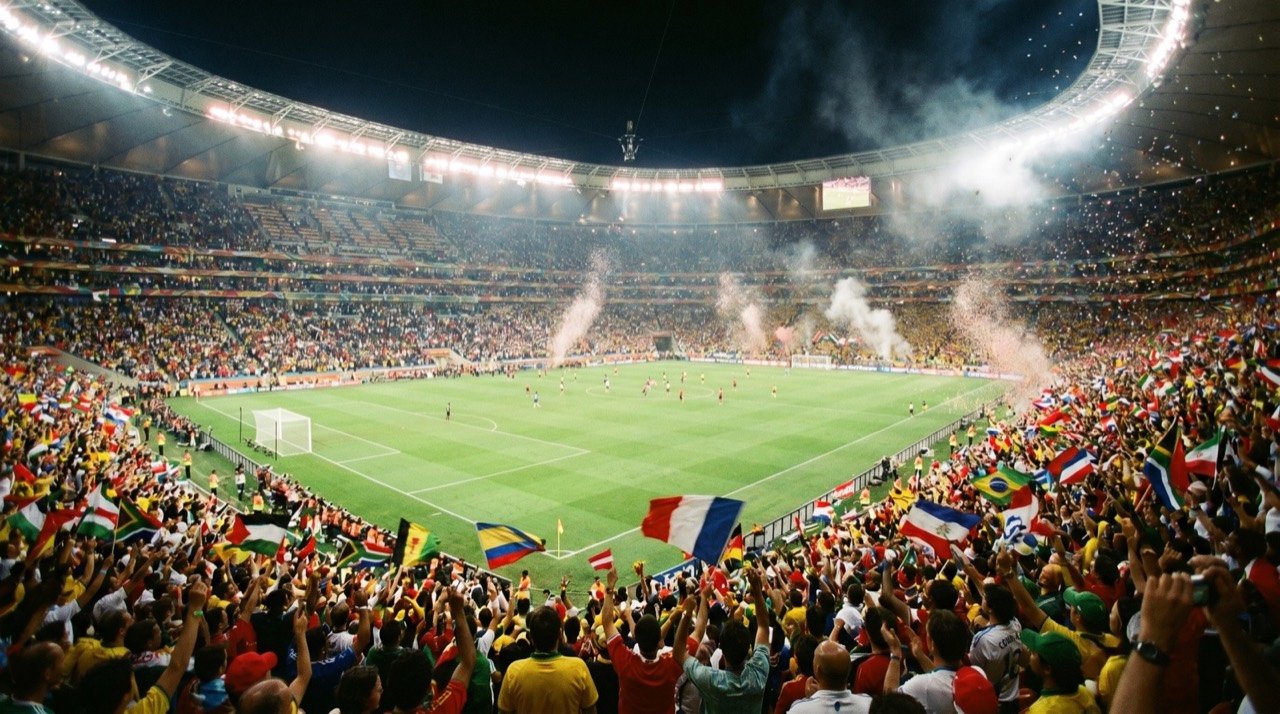
Expanded 48-Team World Cup Kicks Off Across North America
The 2026 FIFA World Cup opened in Mexico City as the tournament debuts a record 48-team format spread across the United States, Mexico and Canada.

FIFA World Cup 2026: Dramatic Group Finales as Mexico, Morocco Seal Knockout Spots on Matchday 14
Groups A, B and C reached their conclusions on 24 June with Mexico maintaining a perfect record, Morocco edging a six-goal thriller, and goalkeeper Guillermo Ochoa making World Cup history.
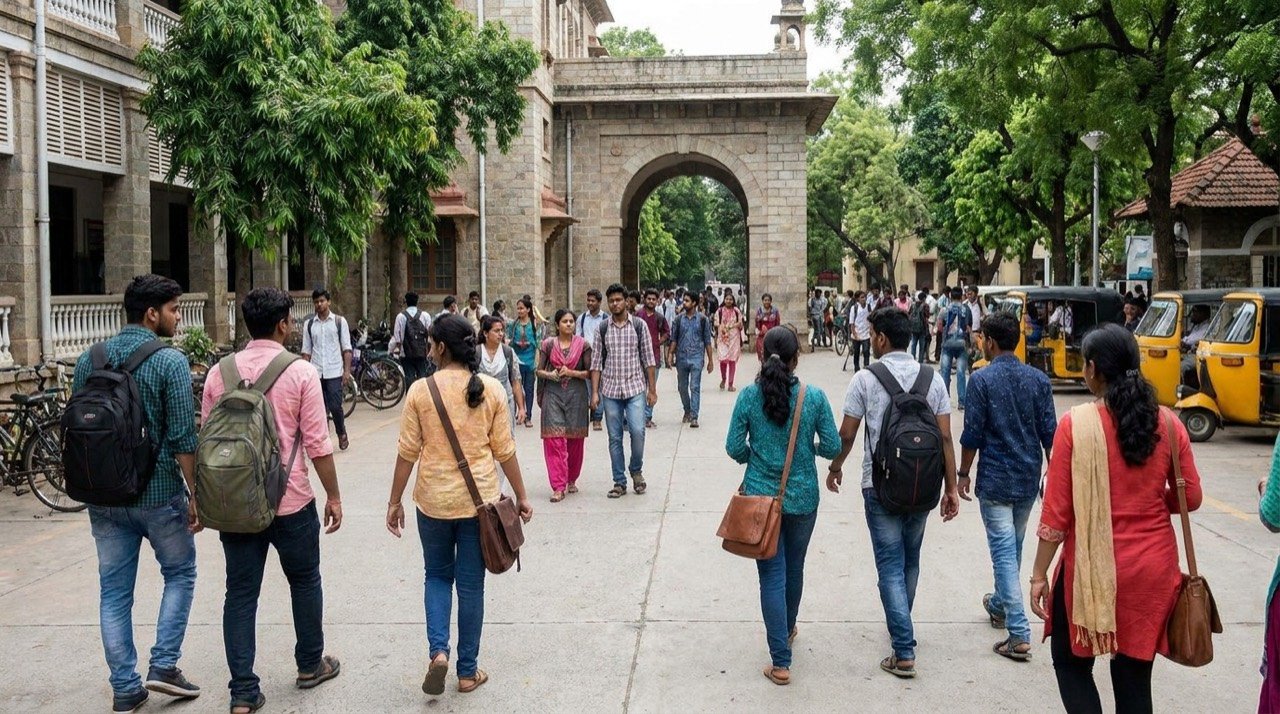
US Moves to End Open-Ended Student Stays, Putting 3.6 Lakh Indian Students on Notice
A US proposal to replace indefinite student status with fixed admission periods and a shorter post-study grace window threatens to reshape choices for the nearly 3.6 lakh Indians who form America's largest international student population.
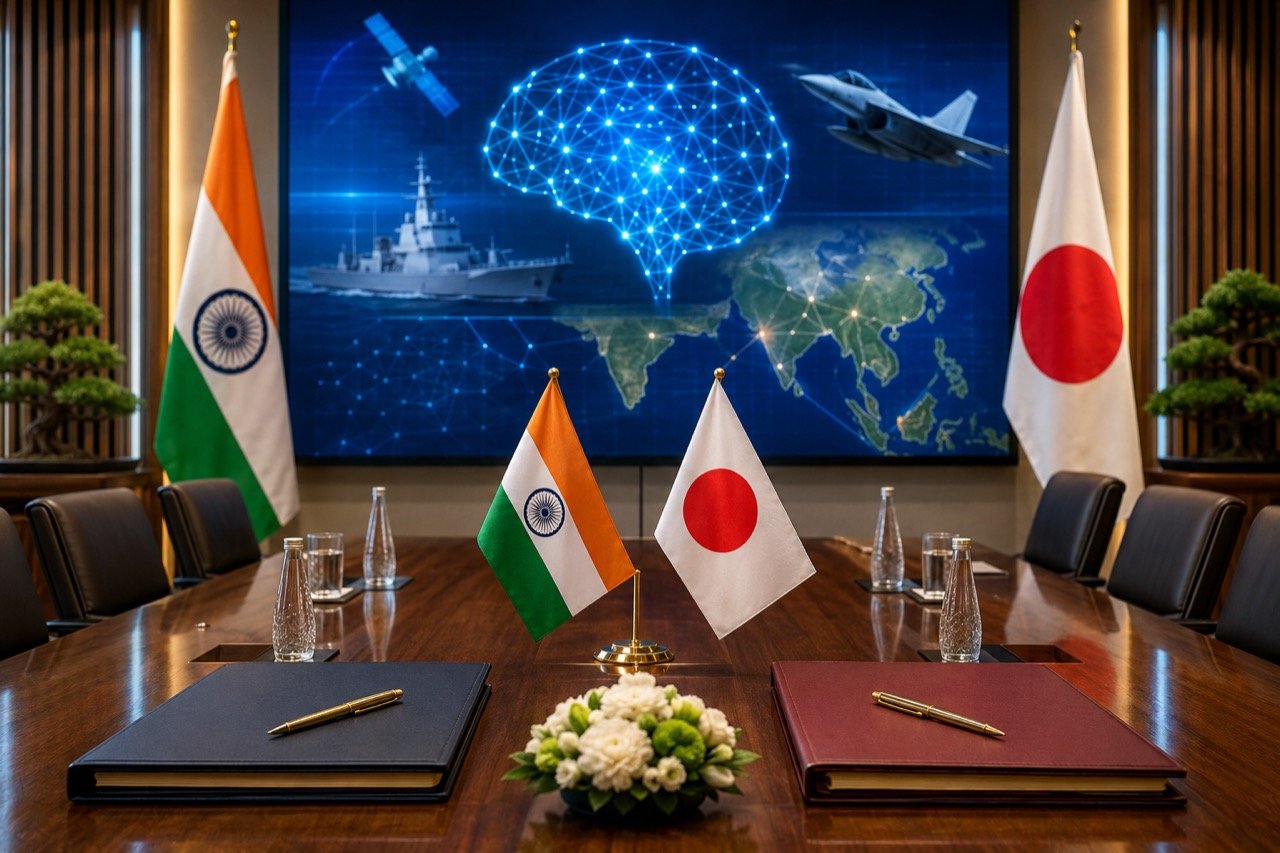
India-Japan Summit Widens Ties Across AI, Defence and Chips
At their annual summit in New Delhi, Prime Ministers Modi and Takaichi unveiled a roadmap deepening cooperation on maritime security, artificial intelligence, semiconductors, shipbuilding and critical technologies.
More from this section
More
India-New Zealand Ties: Visit Plans Put FTA and Diplomacy in Focus
Reports of a planned high-level India-New Zealand engagement have revived attention on free trade talks, professional mobility and Indo-Pacific cooperation between two partners with clear room to grow.
Modi Greets Trump on US 250th Independence Day, Hails Partnership
Prime Minister Narendra Modi marked America's 250th Independence Day with a message to President Trump, saying the next 250 years should lift the India-US partnership to new heights.
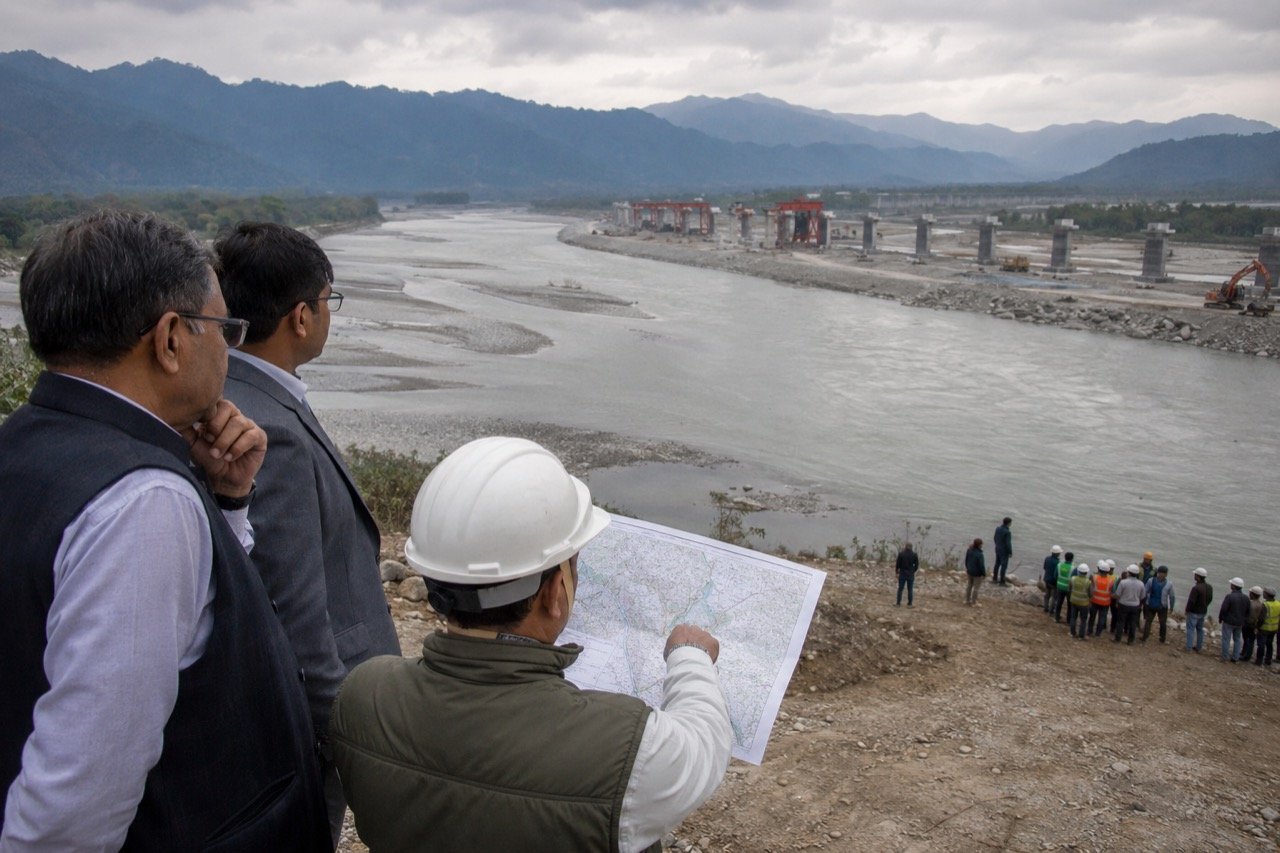
India Watches Dhaka's China-Backed Teesta Plan as Stakes Rise
New Delhi is closely tracking Bangladesh's proposal to develop the Teesta river with Chinese assistance, a move that revives one of South Asia's most sensitive water-sharing disputes and tests regional strategic trust.