India's Satellite Internet Race Stalls as Operators Await Final Spectrum Rules
Starlink, Eutelsat OneWeb and Jio-SES backed Orbit Connect India hold licences but cannot switch on services, awaiting security clearances and a dedicated spectrum framework for low-earth-orbit constellations.
The NE Times Technology Desk
Commentary & Analysis ·

India's satellite internet market has edged closer to launch, yet its biggest players still cannot turn on their services. Starlink, Eutelsat OneWeb and the Jio-SES venture Orbit Connect India all hold licences and have drawn up commercial plans, but they remain in a holding pattern, waiting on security clearances and, crucially, a dedicated spectrum framework for non-geostationary low-earth-orbit constellations. The result is a high-stakes race that has reached the starting line but cannot yet begin.
Licences in Hand, Switches Still Off
Each of the three contenders has cleared significant regulatory hurdles, securing the licences needed to operate. What they lack is the final permission to go live. Security clearance remains pending, and the spectrum rules that would govern fast-moving LEO satellites have not been settled, leaving even well-capitalised global operators unable to sign up paying customers.
That gap between approval and activation has become the defining feature of the Indian satellite broadband story, where commercial ambition has outpaced the regulatory scaffolding.
Draft Rules That Miss the LEO Players
The Department of Telecommunications issued draft rules on 17 June for administrative assignment of satellite spectrum, a step many had hoped would unblock the sector. But the draft primarily addresses older geostationary services that sit in fixed positions high above the equator, rather than the dense, low-orbiting constellations that companies such as Starlink rely on.
As a result, the LEO operators remain in limbo. The framework that would specifically cover their constellations, including how spectrum is shared and priced, has yet to be finalised, deferring the moment when services can actually launch.
What Is at Stake
The outcome will reach far beyond corporate balance sheets. Satellite broadband is widely seen as a route to connecting remote villages, supporting enterprise links in hard-to-reach areas, and providing resilient communications during natural disasters when terrestrial networks fail.
- Rural broadband access in areas underserved by fibre and mobile networks
- Enterprise connectivity for mining, energy and logistics in remote regions
- Disaster-response communications when ground infrastructure is damaged
- Fresh competition in an Indian telecom market dominated by a few large players
- Investment certainty for global operators weighing large capital commitments
“The policy challenge is to balance national security, affordable access, interference rules and investment certainty.”
— Industry assessment of India's satellite spectrum framework
The government's task is delicate: it must reconcile national security concerns, the goal of affordable access, technical interference rules and the need to give investors confidence. Until a clear LEO-specific framework emerges, India's satellite internet race will remain a contest of patience as much as technology, with the winners decided as much in the corridors of policy as in orbit.
The NE Times View
Licensed operators who cannot switch on services capture India's regulatory paradox: ambition outpacing rulemaking. Satellite internet could finally bridge the connectivity gap in remote and hilly regions where fibre will never reach, but only once spectrum and security frameworks are settled. The delay is understandable given genuine national-security stakes, yet open-ended limbo deters investment. The government should move decisively, because the cost of dithering is paid by the very citizens the technology could reach first.
This article is original commentary and analysis by The NE Times. Background facts were referenced from Business Standard.
You may also like to read
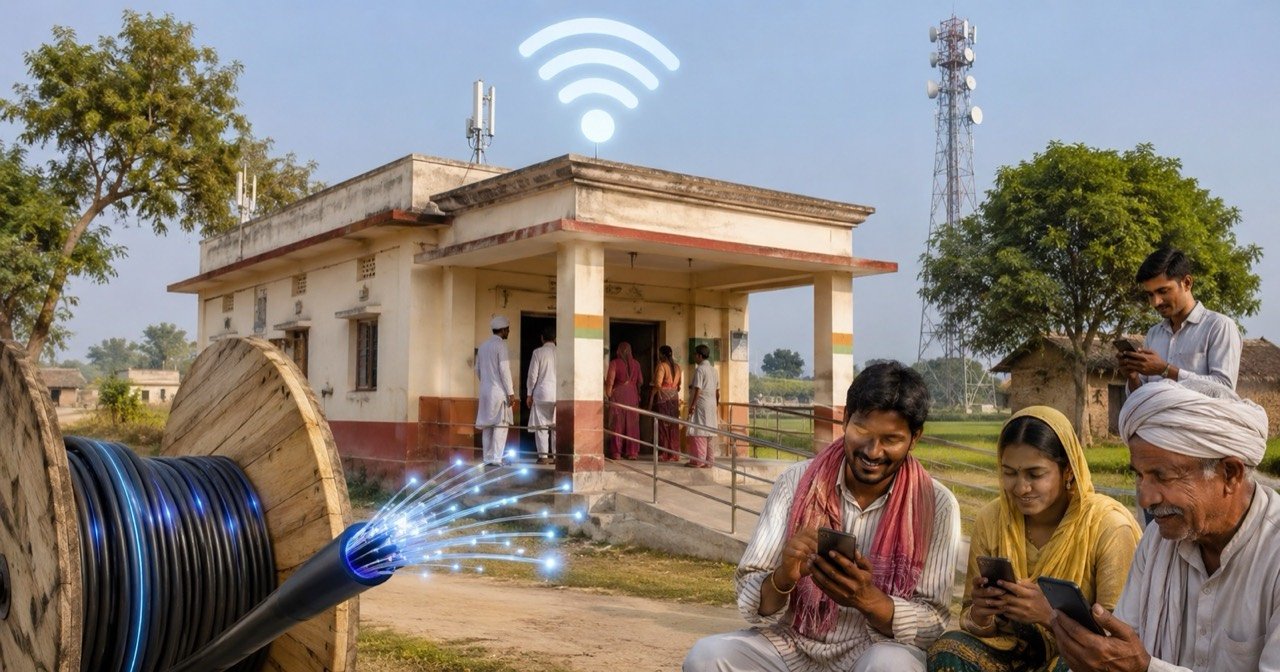
BharatNet's Last-Mile Gap Puts India's Rural Broadband Delivery Under Scrutiny
Fresh data on BharatNet shows active rural connections lagging far behind the fibre laid, sharpening the question of whether India's flagship village internet scheme is being used, not just built.

Jio, NSE And Zepto Anchor A Crowded IPO Pipeline As 2026 Listing Wave Builds
With Reliance Jio, NSE, Zepto and dozens of startups in the queue, India's IPO pipeline looked unusually deep in June 2026 even as smaller SME issues kept the primary market humming.

Bharti Airtel Raises Airtel Africa Stake to 79% in Rs 28,000 Crore Deal
Bharti Airtel has lifted its effective stake in Airtel Africa to about 79 percent via a Rs 28,000 crore-plus share swap with a promoter-group entity, tightening its grip on a key growth market.

BCCI weighs IPL 2027 retention rules as mega-auction framework takes shape
With the next mega-auction cycle approaching, the BCCI's working group is debating retention slots, a revived Right-to-Match rule and a higher salary cap, decisions that will shape franchise squads and the November auction.
More from this section
More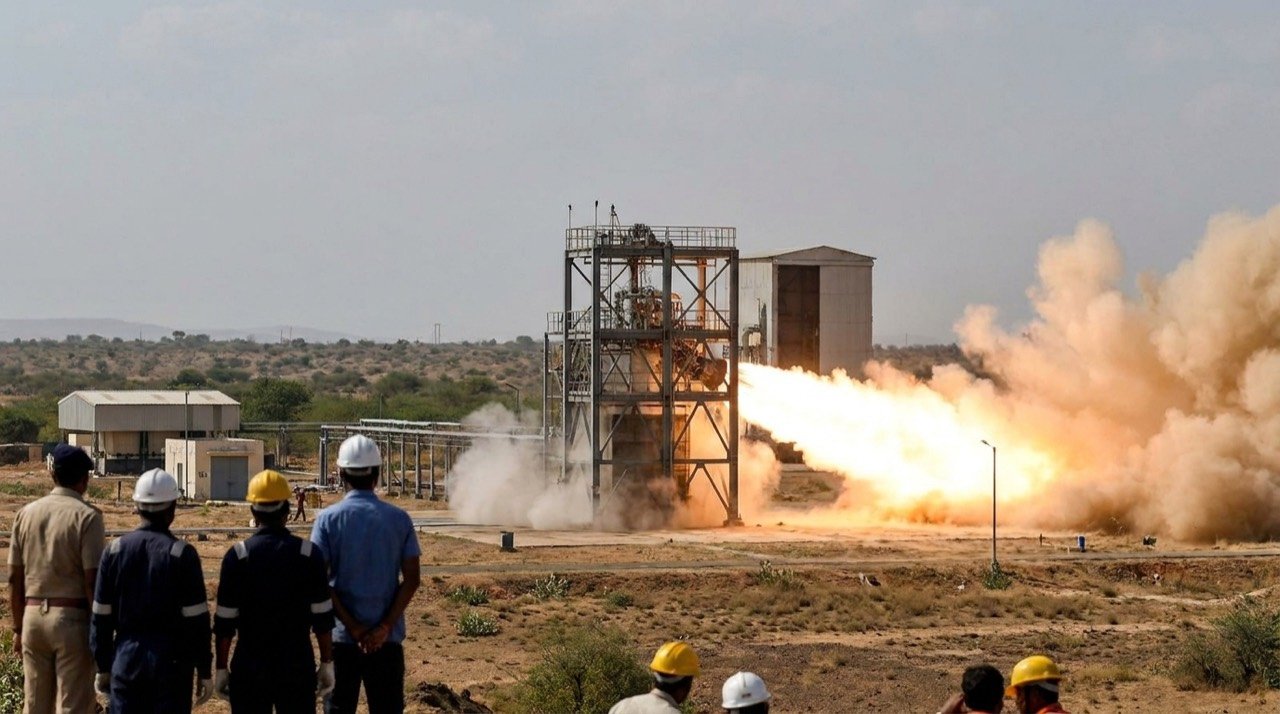
ISRO Fires Semi-Cryogenic Engine Power Head at 175 Tonnes in Landmark Hot Test
ISRO successfully ran its indigenous semi-cryogenic engine power head at 175 tonnes of thrust, clearing a key hurdle toward powering the LVM3 upgrade and the Next Generation Launch Vehicle.

India Tech Funding Climbs to $7.2 Billion in H1 2026 Even as Deal Count Slumps
Indian tech startups raised $7.2 billion in the first half of 2026, up 12 per cent year-on-year, but the number of funding rounds fell sharply as capital concentrated in a handful of mega-deals.
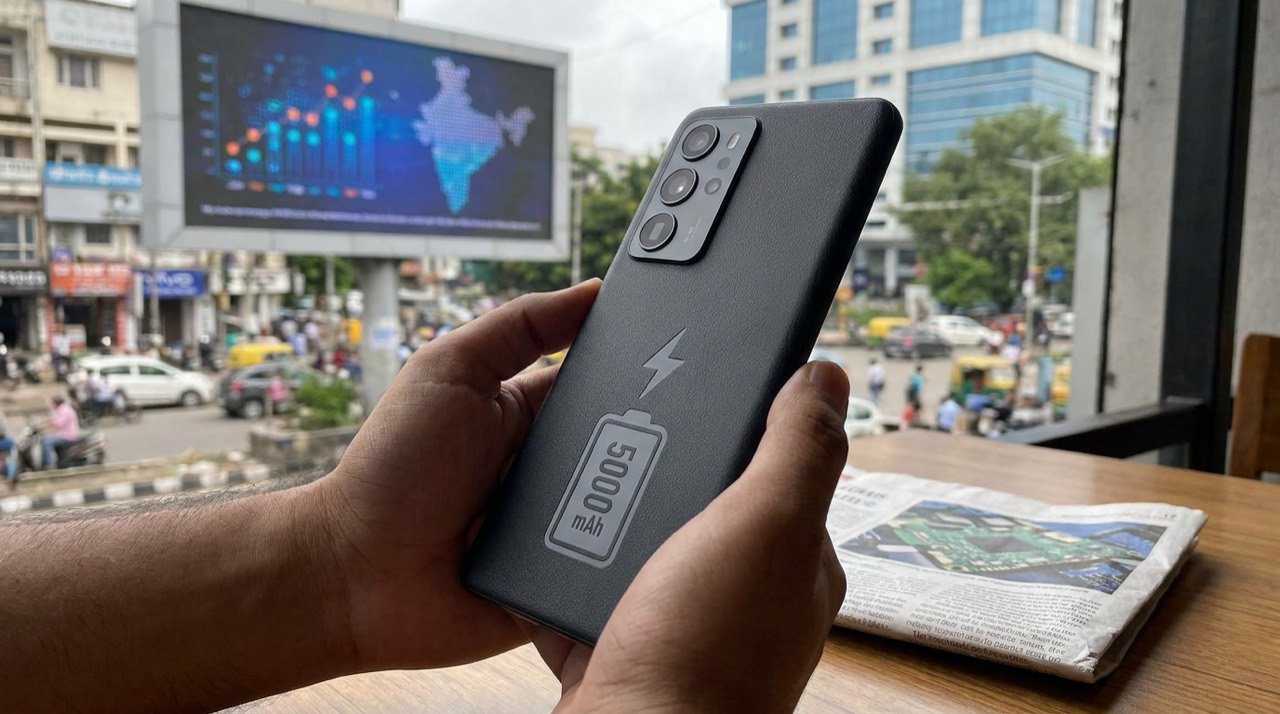
OnePlus N6 Headlines a Crowded End-June Gadget Calendar in India
The OnePlus N6, with its 8,000mAh battery and sub-Rs 25,000 price tag, leads a busy late-June run of smartphone launches in India spanning OnePlus, Oppo and Samsung.