BCCI weighs IPL 2027 retention rules as mega-auction framework takes shape
With the next mega-auction cycle approaching, the BCCI's working group is debating retention slots, a revived Right-to-Match rule and a higher salary cap, decisions that will shape franchise squads and the November auction.
Commentary & Analysis ·

The countdown to the next Indian Premier League mega-auction has begun in earnest, with the BCCI's working group meeting through June to thrash out the retention rules and auction framework that will govern the IPL 2027 cycle. Three big questions dominate the agenda: how many players each franchise can retain, whether the Right-to-Match card returns in a revised form, and by how much the salary cap should rise.
For Indian fans and franchises alike, these are decisions with outsized consequences. Retention rules effectively determine which superstars stay put and which return to the open market, while the salary-cap figure dictates how aggressively teams can rebuild. The outcome of these meetings will set the tone for one of the most consequential auctions in the league's history.
The retention debate
At the heart of the discussions is the number of retention slots each franchise will be permitted. The balance the board is trying to strike is familiar: protect core identities and fan favourites at each franchise, while still releasing enough quality into the pool to keep the auction genuinely competitive and unpredictable.
Closely tied to this is the future of the Right-to-Match rule, which is on the table for revival in a revised form. Used in previous cycles to let teams reclaim released players by matching the highest bid, an RTM mechanism can dramatically alter auction dynamics and is being studied carefully before any final call.
A rising salary cap
The third pillar of the review is the salary cap, which is expected to be adjusted upward to reflect the league's continued commercial growth. A higher cap gives franchises more spending power, potentially fuelling bidding wars for marquee names while also widening the gap between teams that plan well and those that do not.
The exact figure is among the details the working group is expected to confirm, with franchises keen to know their budgets well in advance so they can plan retentions and auction strategy in tandem.
The timeline ahead
- BCCI working group meetings continuing through June to refine proposals
- Framework for the mega-auction cycle expected to be finalised by mid-July
- Franchise consultation pencilled in to lock down the retention slot count
- Retention deadline tentatively set for October 2026
- Mega-auction targeted for the third week of November 2026
What it means for the league
Every mega-auction reshapes the competitive landscape, and 2027 promises to be no different. Franchises will be lobbying hard for rules that suit their squad profiles, while players and agents will be watching the retention math closely to gauge their market value.
Once the framework is published, attention will quickly turn to which big names are likely to be retained and which could enter the pool. With the auction itself slated for November, the months ahead will be defined by speculation, strategy and the kind of off-field intrigue that has become as much a part of the IPL story as the cricket itself.
The NE Times View
These technical-sounding tweaks, retention slots, Right-to-Match, the salary cap, are where the IPL's competitive balance is quietly engineered. Tilt too far towards retention and franchises ossify into dynasties; tilt towards the auction and continuity collapses. The BCCI's challenge is to keep the league unpredictable enough to stay compelling while protecting the franchise investments that fund it. Fans should watch these dry deliberations more closely than the auction itself.
This article is original commentary and analysis by The NE Times. Background facts were referenced from ESPNcricinfo and Cricbuzz.
You may also like to read
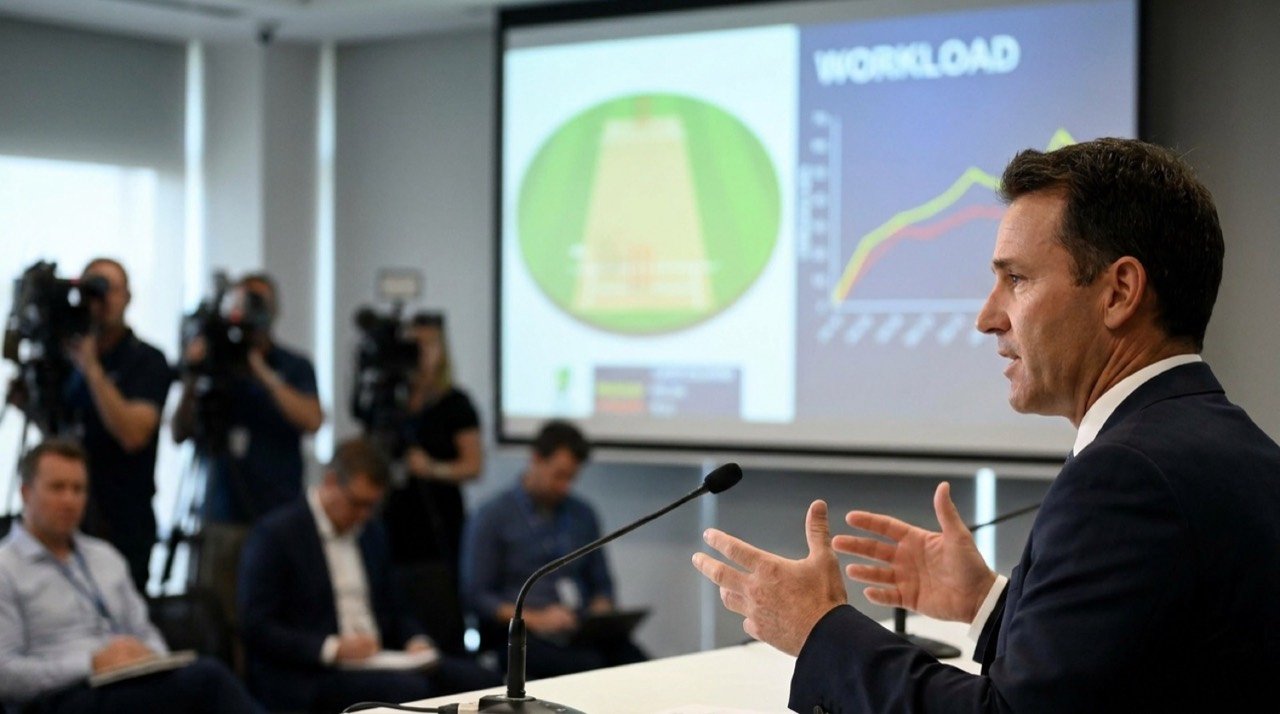
Gavaskar Urges BCCI to Create One-Month Rest Window for India Players
Former India captain Sunil Gavaskar has called for a planned one-month rest window for Indian cricketers and stronger protection of the India cap, reigniting the debate over workload in a crowded calendar.

BCCI Charts Structured Roadmap for India's 2027 ODI World Cup Build-Up
Secretary Devajit Saikia says the BCCI wants a clear path and adequate 50-over practice for the 2027 ODI World Cup, with selector Ajit Agarkar and coach Gautam Gambhir shaping a settled one-day core.
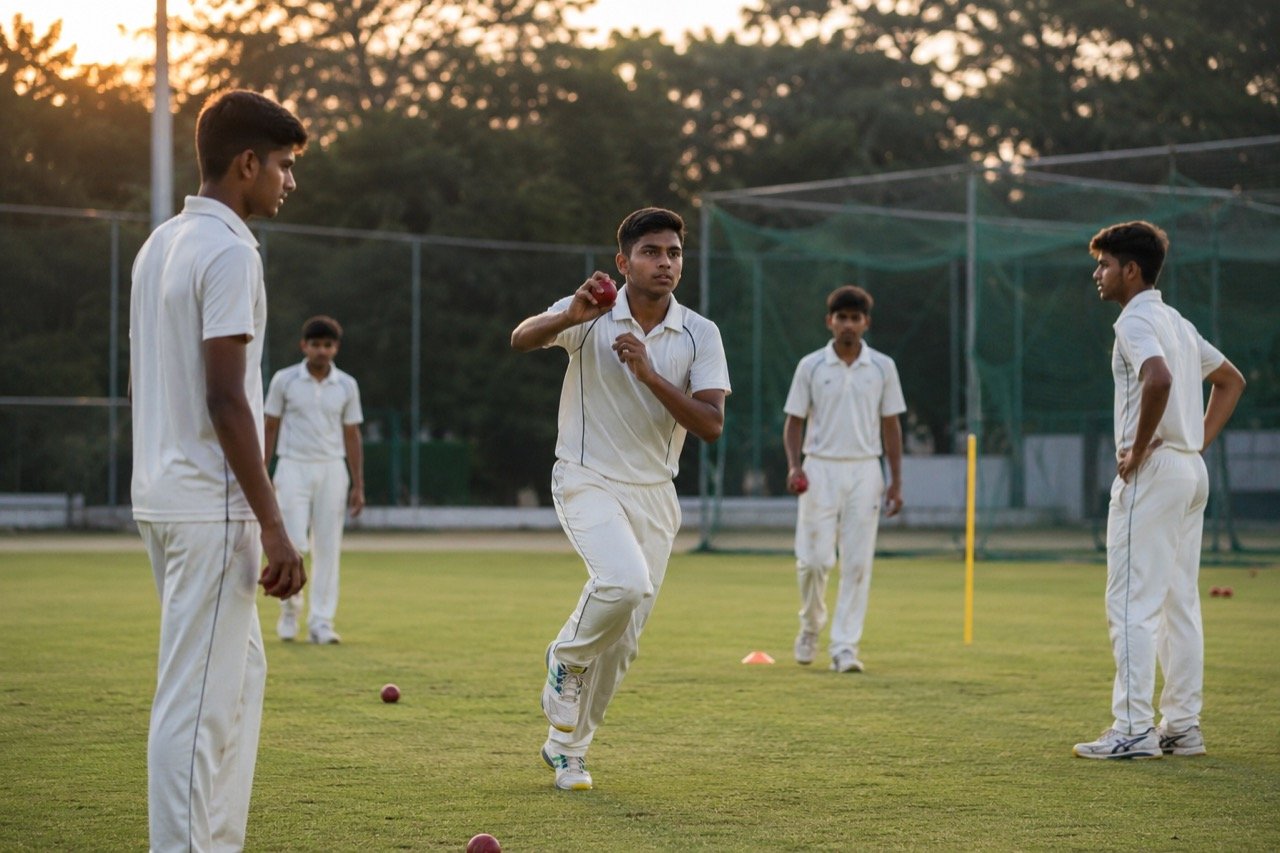
BCCI Emerging Men's Tournament to Hunt Test Prospects in Bengaluru
The BCCI's red-ball Emerging Men's Tournament, running at the Centre of Excellence in Bengaluru through July, is designed to give selectors a longer, harder look at India's next generation of Test cricketers.
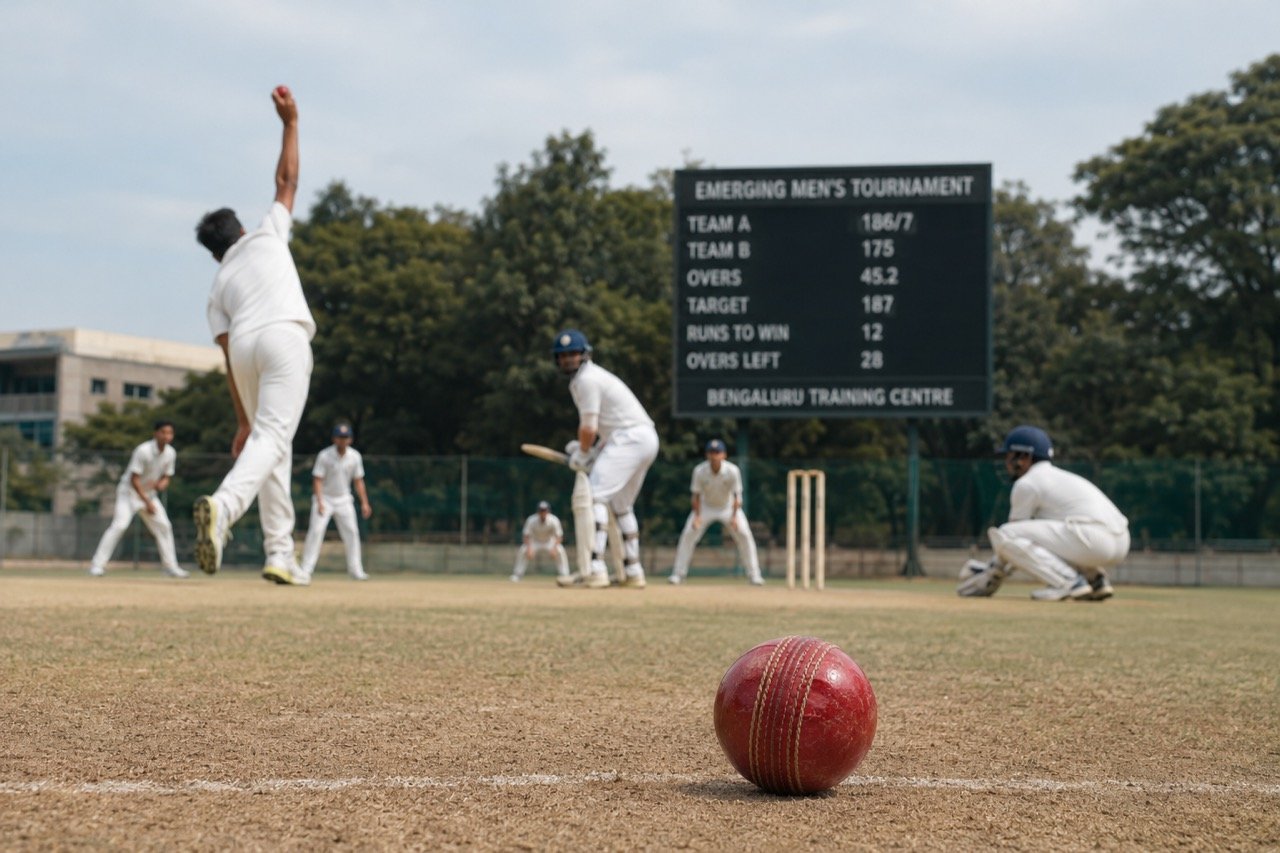
BCCI Emerging Tournament 2026: India's Next Cricket Stars Take Stage
The BCCI's emerging men's tournament gives selectors, franchises and fans a structured look at the young Indian cricketers pushing to move from domestic promise into national contention.
More from this section
More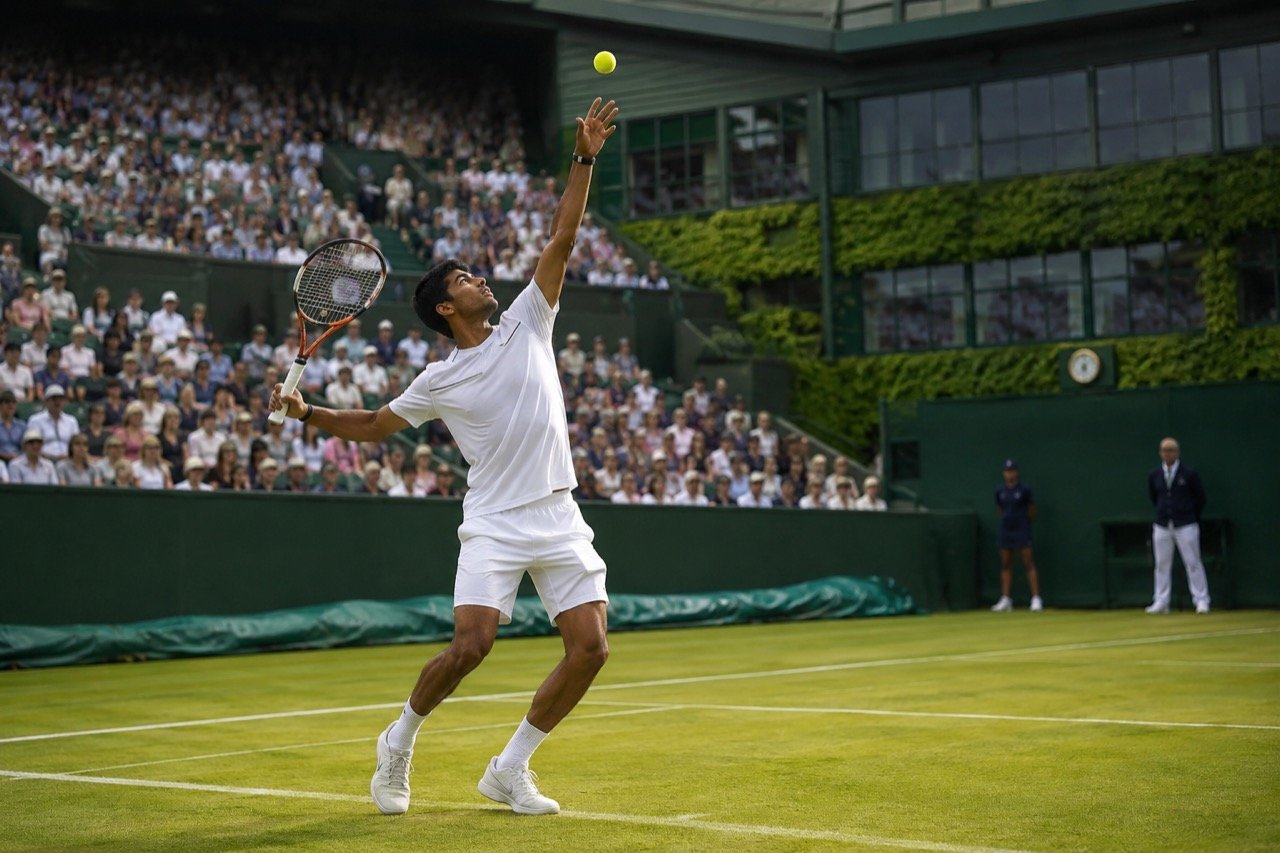
Arnav Paparkar Advances at Wimbledon Boys' Singles in Boost for India
Indian junior Arnav Paparkar has moved into the second round of the Wimbledon boys' singles with a commanding serving display, handing Indian tennis a rare and encouraging grass-court result at the sport's biggest stage.

Axar Patel Becomes First Indian Spinner With 100 T20I Wickets
Axar Patel reached 100 T20 international wickets in the second T20I against England, becoming the first Indian spinner to hit the mark and cementing his standing as one of India's most durable white-ball performers.
BCCI Emerging Men's Tournament to Hunt Test Prospects in Bengaluru
The BCCI's red-ball Emerging Men's Tournament, running at the Centre of Excellence in Bengaluru through July, is designed to give selectors a longer, harder look at India's next generation of Test cricketers.