India Retail Inflation Rises to 4.38% in June 2026 as Food Prices Push CPI Above RBI’s Target
The first breach of the central bank’s 4% midpoint in 17 months puts household budgets, monsoon conditions and the interest-rate outlook back in focus.
Commentary & Analysis ·
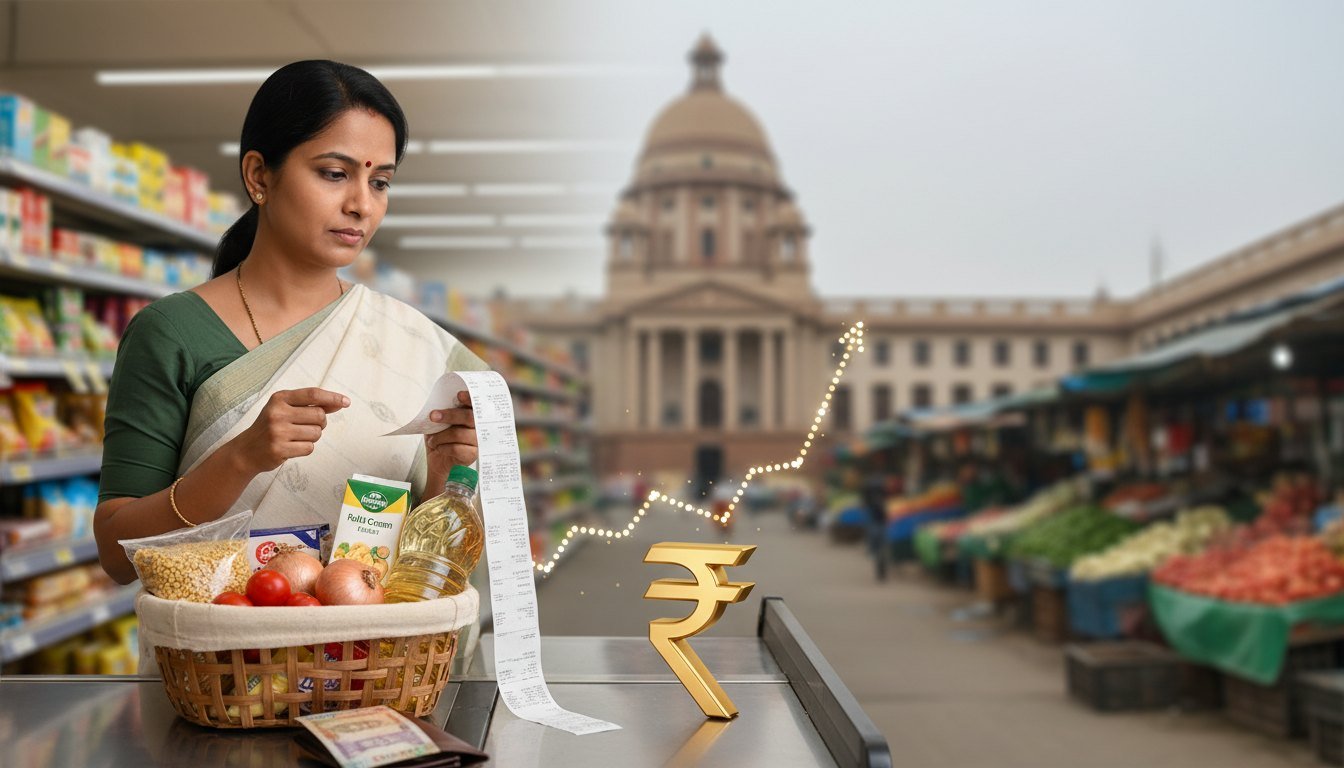
India’s retail inflation accelerated to 4.38% in June 2026 from 3.93% in May, according to provisional data reported from the Ministry of Statistics and Programme Implementation. The reading moved above the Reserve Bank of India’s 4% medium-term target midpoint for the first time in 17 months. Food inflation also strengthened, with the Consumer Food Price Index reported at 5.32% year on year. The data does not signal an inflation crisis, but it changes the policy conversation after a prolonged period of relatively moderate price growth.
India retail inflation June 2026 is important because the Consumer Price Index reflects the prices households pay for a broad basket of goods and services. A 4.38% annual rate means the overall basket cost more than it did a year earlier, not that every item rose by the same amount. Families experience inflation differently depending on how much they spend on food, fuel, rent, education, health and transport. Lower-income households are usually more exposed to food inflation because essentials take a larger share of their budget.
The CPI inflation 4.38% figure was driven in part by higher food prices and increases in jewellery-related items, according to business reporting. Food inflation is often volatile because vegetables, fruits, cereals and pulses are influenced by weather, crop arrivals, transport costs and storage conditions. A delayed or uneven monsoon can lift prices even when national food supplies remain adequate. Local flooding can disrupt market access, while weak rain in another region can raise irrigation expenses and reduce expected yields.
The rise above the RBI inflation target should be interpreted carefully. The central bank aims to keep inflation at 4% within a tolerance band of 2% to 6%. One monthly reading above 4% is not a breach of the statutory tolerance ceiling. It does, however, reduce comfort for policymakers considering lower interest rates. The RBI must assess whether the increase is temporary, driven by a few volatile items, or the beginning of broader and more persistent pressure. Core measures that exclude some food and fuel components, wage trends and services prices will be closely watched.
For borrowers, the India interest rate outlook may now be less straightforward. Lower policy rates can reduce financing costs over time, but cutting rates while inflation is rising can stimulate demand and weaken confidence in price stability. The RBI will also consider economic growth, credit conditions, global oil prices, exchange-rate movements and financial-market volatility. A single data point rarely determines a decision. The trajectory across several months, and the composition of inflation, matter more than the headline alone.
Food inflation India trends will depend heavily on the monsoon’s distribution. Adequate rainfall supports crops and reservoirs, but excessive rain can damage produce and disrupt logistics. The latest weather outlook shows strong regional variation, with heavy rain risks in parts of eastern and northeastern India and subdued activity in several other regions. That unevenness creates uncertainty for vegetable and grain prices. Government buffer stocks, import policy, export restrictions and supply-chain management may be used if specific commodities experience sharp increases.
Households should avoid interpreting inflation data as a prediction that every price will keep rising at the current rate. Consumer prices can move in both directions, and seasonal food items may fall quickly when new supplies reach markets. Still, families can respond by comparing unit prices, planning purchases, reducing food waste and reviewing variable-rate debt. Those steps are practical, but they do not replace public policy. Inflation control depends on agricultural productivity, transport, competition, energy costs and credible monetary policy.
Businesses face a different set of decisions. Retailers and manufacturers must determine whether to absorb higher input costs, raise prices or reduce package sizes. Small firms often have less bargaining power with suppliers and less ability to hedge fuel or commodity costs. Persistent inflation can squeeze margins and working capital. At the same time, aggressive price increases can weaken demand. Companies will watch whether June’s acceleration continues into July and August before making long-term changes.
The new CPI series with a 2024 base year also deserves attention. Updating the base year and expenditure weights is intended to reflect current consumer behaviour more accurately. India’s household spending patterns have changed with digital services, transport, housing and new product categories. A more representative basket improves policy, but changes in weights can make comparisons with older series more complex. Analysts should explain whether historical numbers have been linked or recalculated before drawing long-term conclusions.
Inflation also has fiscal implications. Higher prices can increase nominal tax collections, but they raise the cost of government procurement, subsidies and welfare programmes. If food inflation persists, policymakers may face pressure to expand support or intervene in markets. Poorly designed controls can create shortages, while well-targeted measures can protect vulnerable households without distorting supply. Transparent data on stocks, arrivals and retail margins helps distinguish genuine scarcity from temporary disruption or excessive mark-ups.
The June reading should therefore be treated as a warning light rather than an emergency siren. India retail inflation June 2026 remains within the RBI’s formal tolerance band, but the move to 4.38% and the rise in food prices narrow the space for complacency. The next few months will reveal whether better crop supplies and stabilising logistics bring inflation down or whether weather, fuel and global risks keep pressure elevated. For households and policymakers alike, the key question is not simply whether inflation crossed 4%, but whether it stays there and spreads across the economy.
You may also like to read
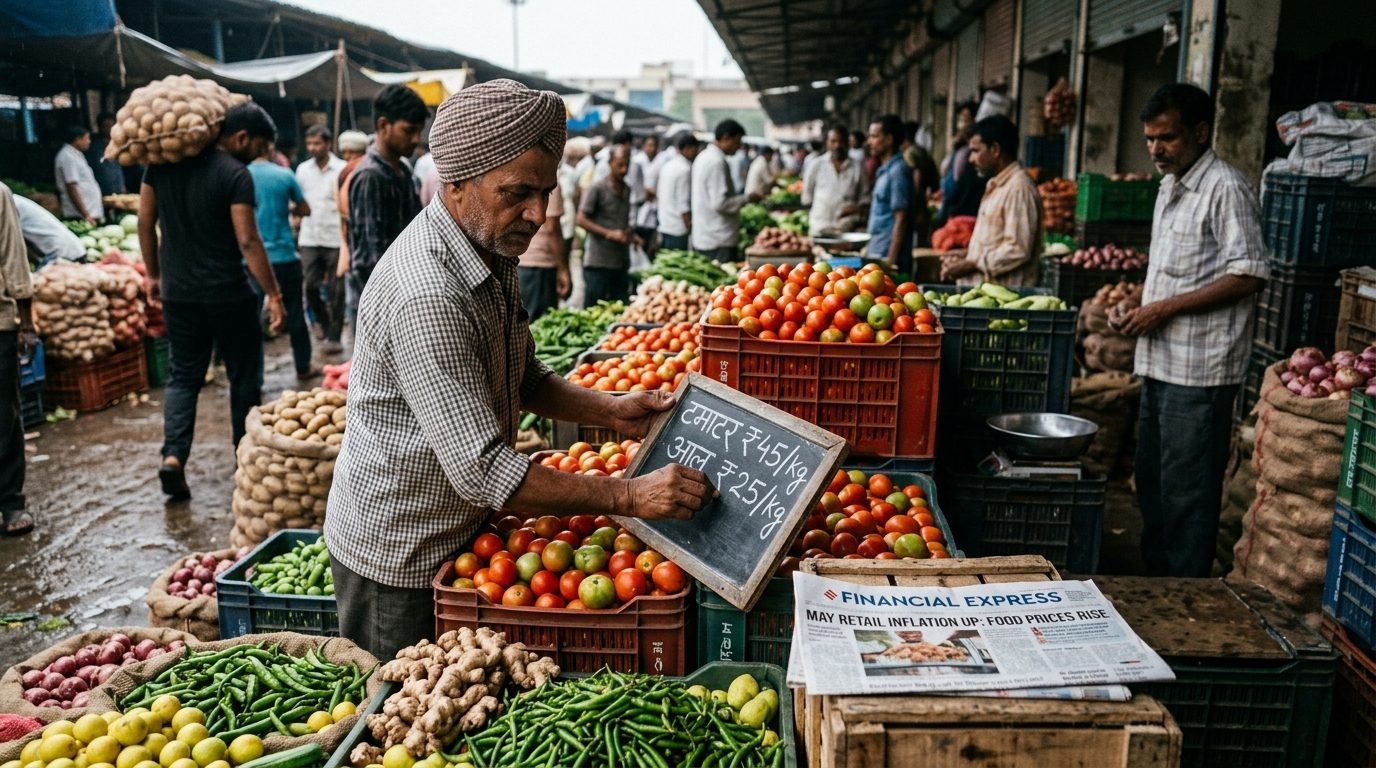
India's Retail Inflation Edges Up to 3.93% in May on Costlier Food
Headline CPI rose from April's 3.48% as food inflation climbed to 4.78%, with tomato and personal-care prices among the biggest pressure points.
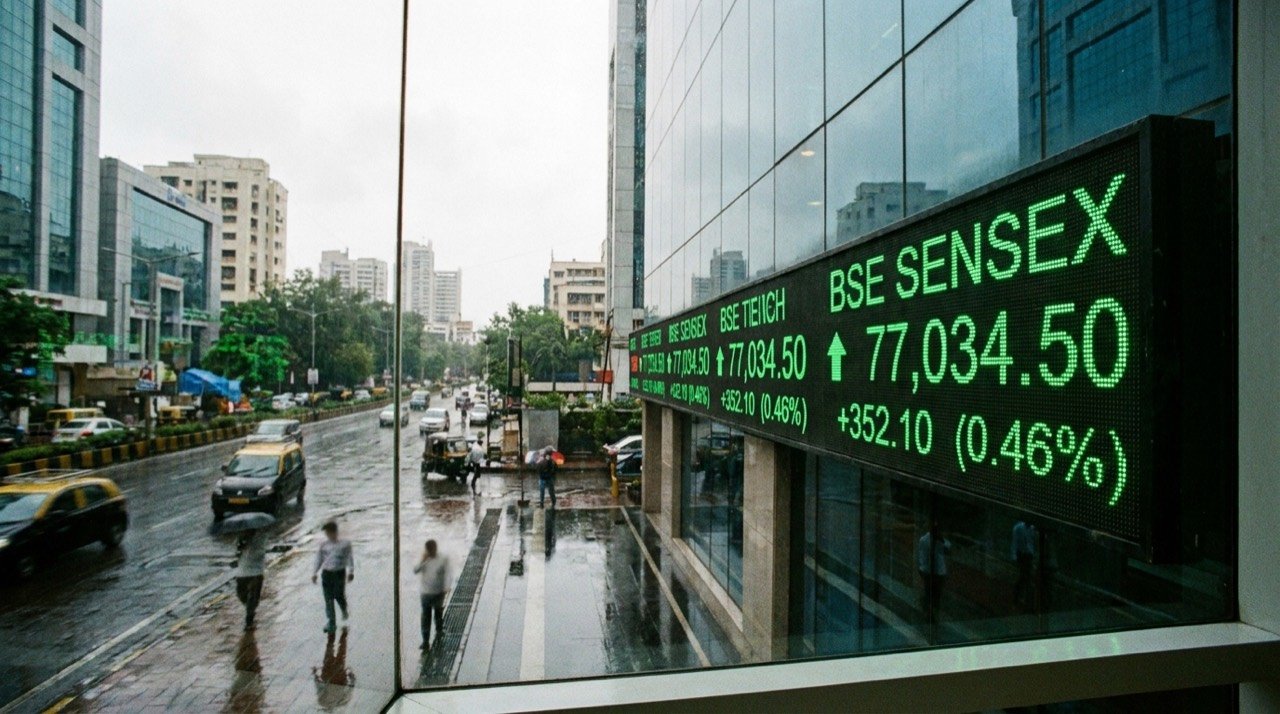
Sensex Holds Above 77,000 As Crude Pullback And RBI Liquidity Push Lift Indian Markets
Indian benchmarks extended gains around 24 June 2026 as easing crude prices, calmer West Asia tensions and fresh RBI liquidity support kept financial and auto stocks firmly in demand.
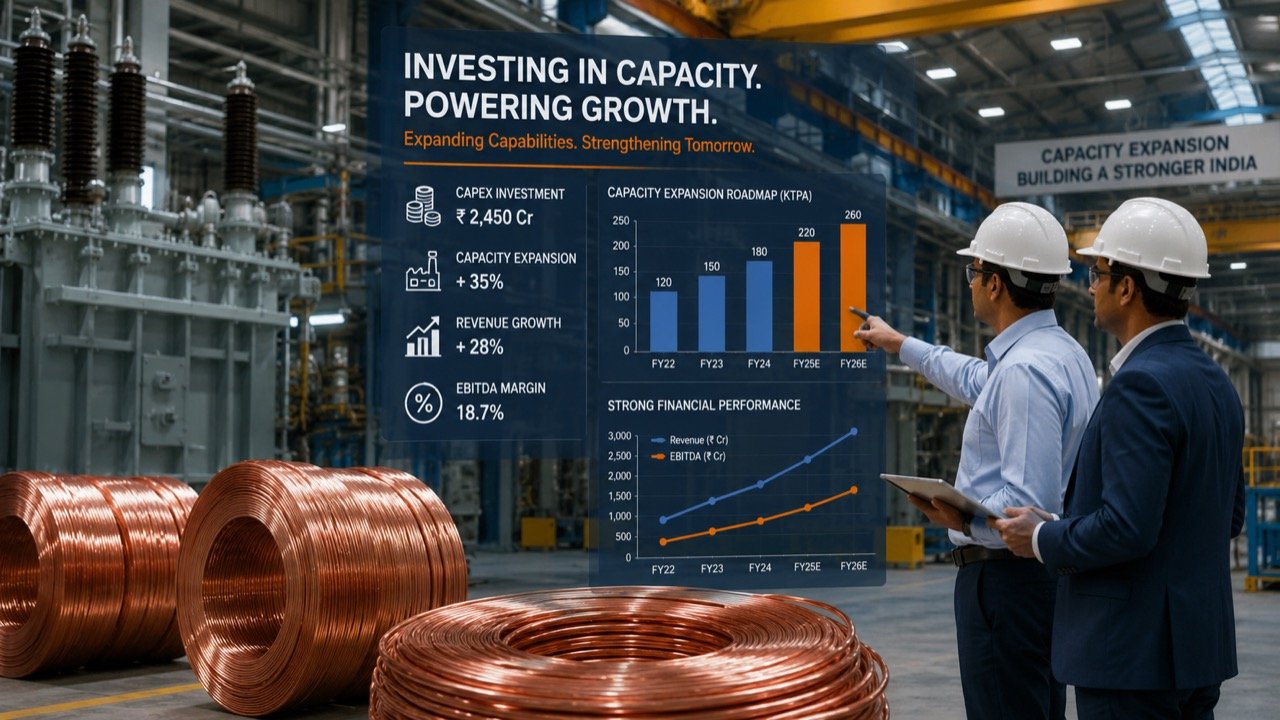
India Copper Capacity Push Grows Urgent as Clean Energy Demand Rises
Rising demand from solar, wind, electric vehicles and grid expansion is turning India's copper supply into a strategic industrial question, with capacity gaps threatening costs and project timelines.

India Steel Emission Targets: Draft Rules Push Decarbonisation
The Centre's draft emission cut targets for the iron and steel sector move India's climate policy from broad pledges to sector-specific rules, placing one of its hardest-to-abate industries under a defined framework.