India Passport Ranking 2026: Mobility Gains Meet Citizenship Debate
India's improved position on the Henley Passport Index 2026 has widened visa-free access for travellers, even as a parallel domestic debate asks what a passport actually proves about citizenship.
The NE Times National Desk
Commentary & Analysis ·
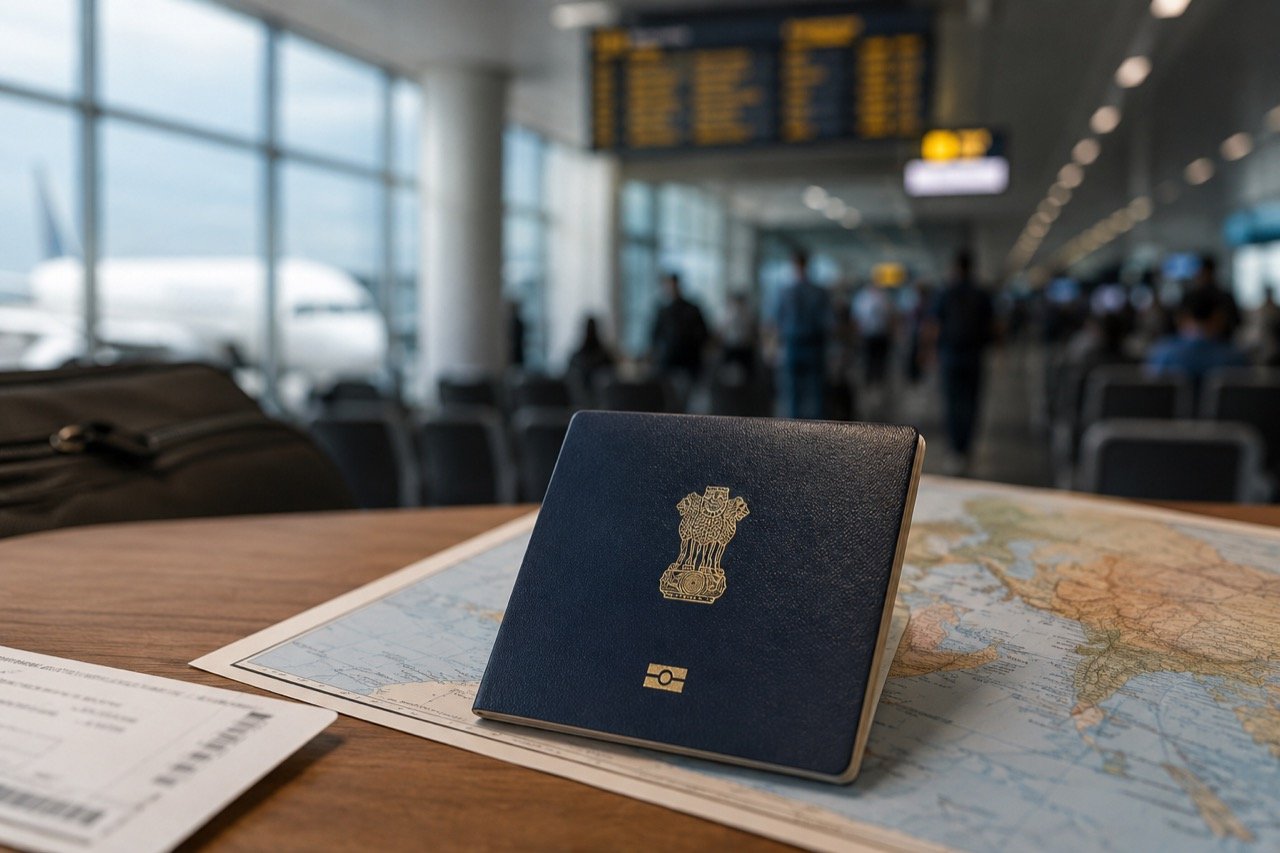
India's passport is having a moment of double scrutiny. According to recent coverage citing the Henley Passport Index 2026, the country's ranking has improved on the previous year, giving Indian citizens visa-free or visa-on-arrival access to a broader set of destinations. At the same time, a domestic conversation about citizenship proof has pulled the humble travel document into a much larger argument about identity and rights.
Why the ranking matters beyond a league table
The Henley index converts visa arrangements into a measurable score of travel freedom, which is why it commands attention far beyond frequent flyers. For students eyeing foreign universities, founders chasing investor meetings, small business owners and holidaying families, even a modest expansion in visa-free access can translate into less paperwork, lower costs and fewer weeks lost to appointment queues. The improved position also reflects India's widening diplomatic and economic reach, since mobility ultimately rests on reciprocity and trust between states.
Yet the gap with the world's strongest passports remains substantial. Holders of top-ranked documents can enter far more countries without advance visas, and Indian travellers still face significant visa requirements for many major destinations. The index captures one slice of the travel experience; it says little about fees, documentation burdens or the uncertainty that still shadows many applications.
The citizenship-proof question
What makes this ranking cycle unusual is its timing. Public debate over citizenship proof and identity documents has led many to ask whether a passport — issued only after verification — should carry more weight in administrative contexts at home. India operates a patchwork of documents with distinct purposes: Aadhaar for identity and service access, voter ID for elections, birth records, residence papers and the passport for international travel. Treating any single one as definitive across all contexts risks confusion, which is why analysts urge a careful distinction between the passport's legal function, its verification process and the separate rules that govern citizenship claims.
Seen together, the two strands make this a mobility story and a governance story at once: a small shift in a global index has become part of a wider national conversation about opportunity, documentation and the relationship between citizens and the state.
The NE Times View
The improvement in India's passport ranking is genuinely good news, but it deserves sober framing rather than celebration or anxiety. Rankings measure visa arithmetic, not the lived friction of travel, and they certainly do not settle domestic questions about what proves citizenship. India's real task is twofold: keep expanding mobility through steady diplomacy, and bring clarity to its layered identity-document regime so that ordinary citizens are not left guessing which paper counts where. A stronger passport abroad means most when the rules at home are equally legible.
This article is original commentary and analysis by The NE Times. Background facts were referenced from Hindustan Times and Henley & Partners.
You may also like to read
India Passport Ranking 2026: 125th Place Renews Visa-Free Debate
India's 125th position in the latest global passport index, a list topped by Singapore, has revived questions about visa-free access, travel friction and what mobility rankings really measure for ordinary travellers.
Rajasthan Detention Over RSS-Linked Instagram Video Reignites Free-Speech Debate
The detention of an Instagram user in Rajasthan over a video involving RSS-linked imagery has reopened a debate on social-media speech, proportionate policing and online public order.
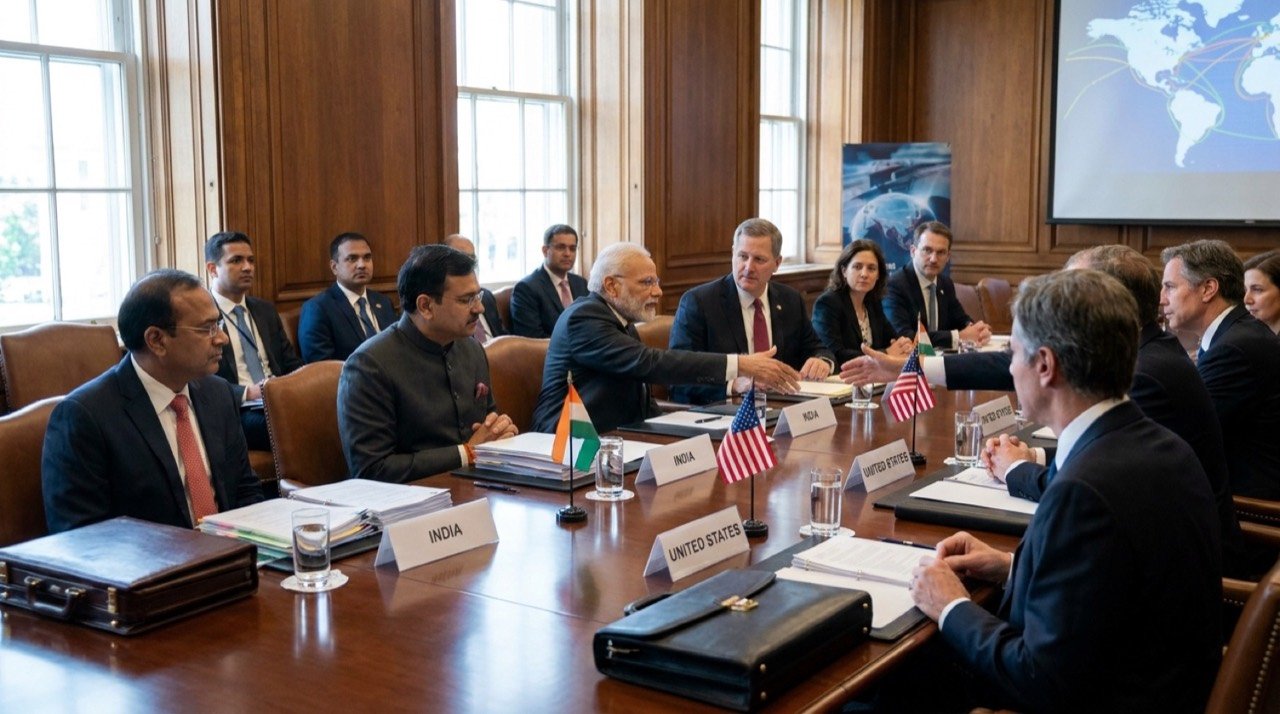
India-US Trade Talks Put Export Gains and Domestic Safeguards in Focus
As India weighs preferential access for the United States, Commerce Minister Piyush Goyal vows to protect national interest while Congress warns a hurried pact could hurt farmers and small producers.

CLAT 2027 Registration Expected Soon: What Law Aspirants Should Do
The CLAT 2027 application window is expected to open shortly, and law aspirants across India are being urged to track official consortium notifications for dates, eligibility rules and fees rather than unverified claims.
More from this section
More
AICTE Industry Fellowship 2026: Rs 1.5 Lakh Scheme Closes July 5
The AICTE Industry Fellowship Programme 2026, which places technical-education faculty inside leading companies on a Rs 1.5 lakh monthly stipend, reached its application deadline on July 5.
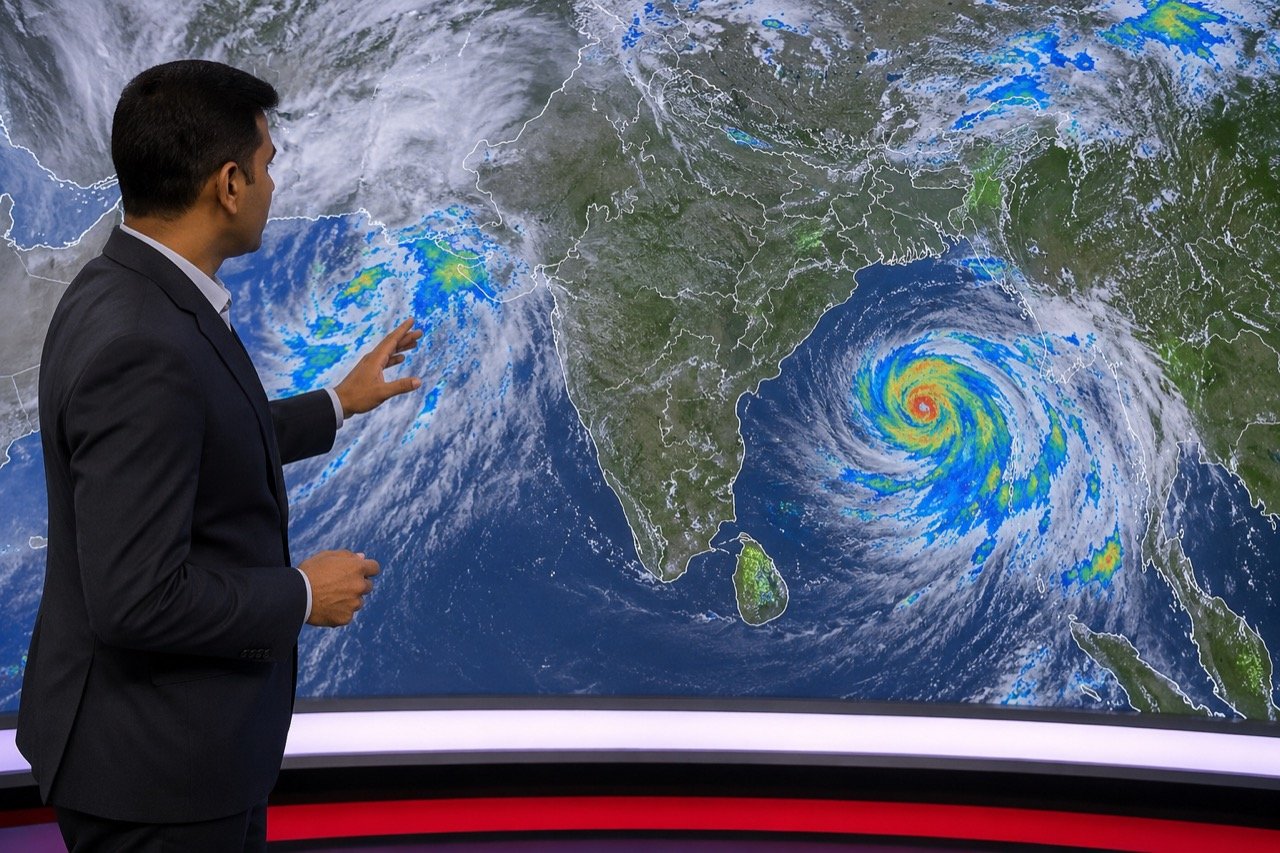
Bay of Bengal Low Pressure System Revives Monsoon Over Western India
A low-pressure system over the Bay of Bengal has pushed the monsoon back into an active phase, bringing steady heavy rain to Kerala, coastal Karnataka and Maharashtra, and putting Mumbai and Pune on preparedness watch.
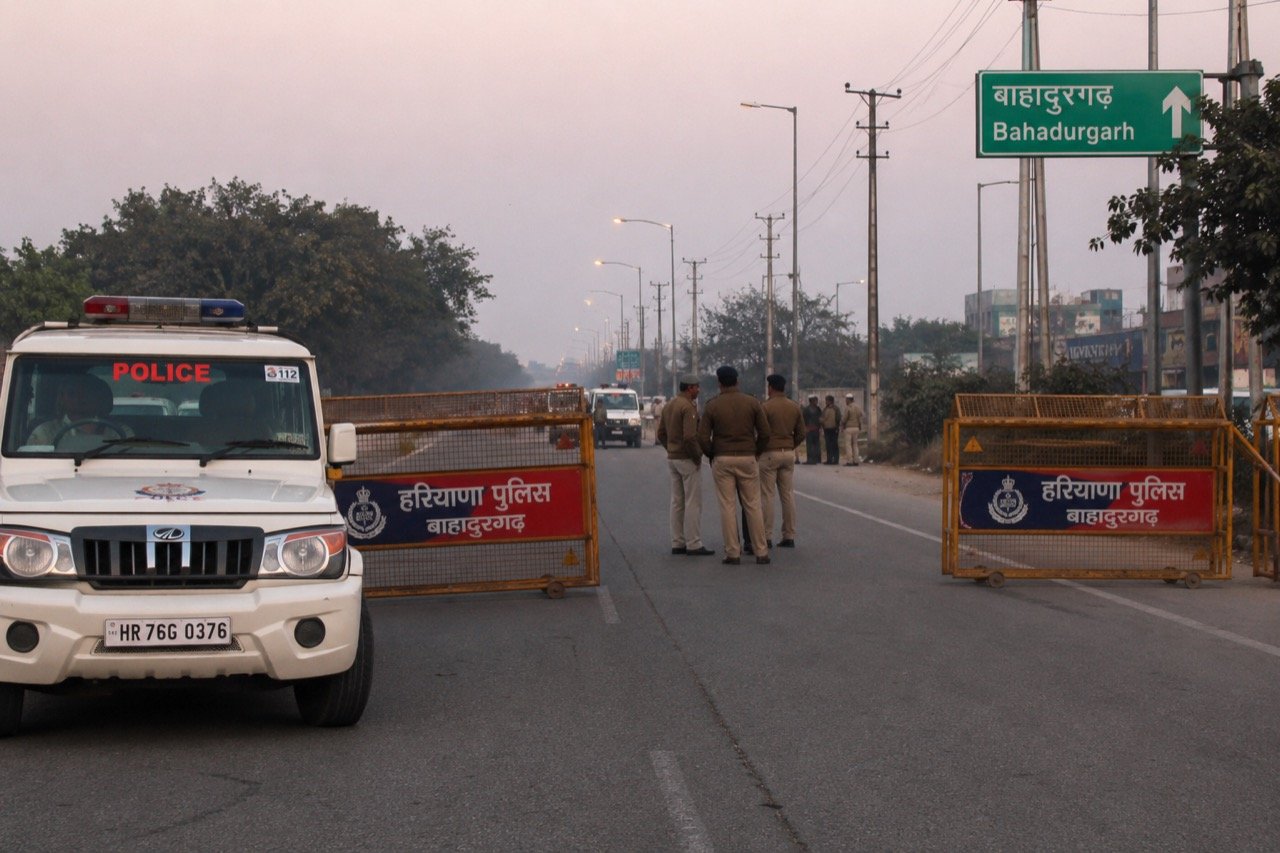
Bishnoi Gang Suspects Injured in Haryana Encounter as Police Tighten Net
A joint Haryana-Delhi Police operation in Bahadurgarh left two suspected Lawrence Bishnoi gang members injured, spotlighting the multi-state coordination now central to India's fight against organised crime networks.