India's Second National Mental Health Survey Reframes Wellbeing as the Goal
As NIMHANS conducts India's second National Mental Health Survey, researchers are shifting the lens from illness to wellness, amid mounting evidence that young Indians are struggling more than ever.
Commentary & Analysis ·
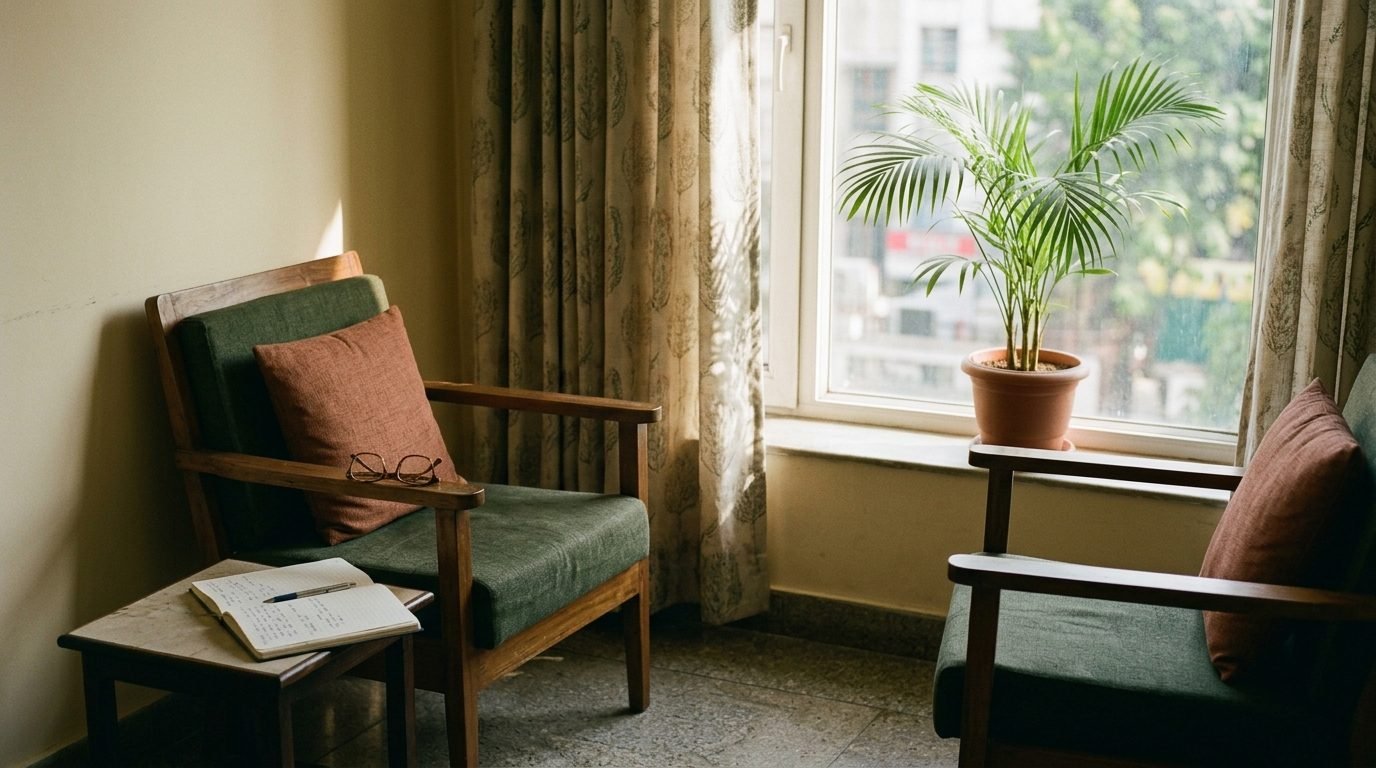
A decade after its first nationwide attempt to measure the country's mental health, India is back in the field. NIMHANS, the Bengaluru institute leading the work, has been mandated to conduct the second National Mental Health Survey, and this time the framing is notably different: researchers want to map not just illness but wellbeing, asking how people actually take care of their minds. That shift, from counting disorders to understanding coping, is a quiet but consequential change in how the state chooses to look at its citizens' inner lives.
A new lens on an old problem
The first survey, conducted a decade ago across a dozen states, estimated the burden of mental disorders and exposed a vast treatment gap between those who needed care and those who received it. That exercise was, by design, a census of pathology: it counted depression, anxiety, substance dependence and psychotic illness, and it did so with a rigour that gave India, for the first time, a credible national picture of the scale of the problem. The second iteration builds on that foundation but treats mental wellness as a model in its own right, examining coping, self-care and resilience alongside diagnosable conditions. This is not a cosmetic change of vocabulary. A survey that asks only "how many people are ill" produces a very different policy conversation from one that also asks "what helps people stay well." The former tends to justify hospitals, medication and specialist referral pathways. The latter opens space for schools, workplaces, community groups and digital platforms to be treated as legitimate sites of mental health intervention, not merely as sources of stress to be regulated after the fact.
The timing of this second survey matters. A steady stream of data points to deepening distress among young Indians, with surveys indicating that a meaningful share of those aged 18 to 29 face mental morbidity, and that depression and disinterest are common among adolescents and young adults. A decade ago, the conversation around Indian mental health was still substantially about severe and enduring illness, schizophrenia, bipolar disorder, and the chronic under-provision of psychiatric beds. Today, the more urgent and more diffuse concern is a generation that appears to be struggling with everyday functioning, motivation and mood, even where no formal diagnosis is ever sought or recorded. Measuring wellness rather than only illness is, in that sense, an attempt to catch a problem that the first survey's instruments were not built to see.
The workplace and the young
Two arenas dominate the conversation. Corporate India is reckoning with burnout, long hours and job stress, with workplace surveys reporting high rates of depressive symptoms among employees. The country's growth story has, for years, run partly on the willingness of a young, ambitious workforce to absorb punishing hours in exchange for career advancement. That bargain is now visibly straining. When workplace surveys report depressive symptoms at scale, the implication is not simply that individuals are unhappy, but that the productivity gains a fast-growing economy depends on may be quietly eroding underneath the headline numbers.
Meanwhile schools and colleges are grappling with anxiety, academic pressure and the corrosive effects of always-on digital life on young people. India's education system has long been criticised for its intensity, competitive examinations, coaching-centre culture, and the outsized weight placed on a handful of entrance tests that can determine a young person's trajectory for life. Layer onto that the pervasive presence of smartphones and social media, and the result is a cohort of students and young adults navigating pressure from multiple directions at once, often with little institutional support designed to help them cope. That the second survey is explicitly designed to probe coping and resilience, rather than only diagnosis, suggests policymakers are beginning to recognise that the causes of distress in this age group are structural and environmental as much as clinical.
Why a treatment-gap problem persists
The survey's real test will be whether its findings translate into services. India has historically had too few psychiatrists and counsellors for its population, and experts argue that scaling community-based and tele-mental-health support is the only realistic way to reach those who currently go untreated. This is the crux of the matter. A workforce shortage of this scale cannot be solved by training specialists alone, since psychiatric training takes years and the gap is immediate and nationwide, especially outside major cities. Community health workers, trained lay counsellors and telemedicine platforms are, by necessity, the tools India has to hand right now. Whether the second survey's data are used to fund and scale exactly those tools, rather than simply to restate the scale of unmet need, will determine whether this exercise becomes more than an academic milestone.
As one mental health policy researcher put it, knowing the size of the problem is not the same as treating it; the survey must lead to services people can actually access. That single observation captures the risk running through the entire exercise. India has, in many areas of public health, already demonstrated that it can gather excellent data without the accompanying political will or budgetary follow-through to act on it. If the data drive investment in counsellors, helplines and workplace policy, the survey could become a turning point, marking the moment mental health moved from being a niche clinical concern to a mainstream public health priority backed by resources. If they sit on a shelf, India risks measuring a crisis it has already learned to live with, cataloguing suffering with increasing precision while leaving the systems meant to relieve it unchanged.
Stakeholders with a stake in the outcome
Several constituencies will be watching this survey closely, for different reasons. Employers, particularly in sectors already grappling with attrition and reported burnout, have an interest in evidence that could justify workplace mental health policies, flexible hours or employee assistance programmes, since a healthier workforce is also a more productive one. Educational institutions face a parallel incentive: data on adolescent and young-adult distress could support the case for funded school counselling, something long advocated by mental health professionals but rarely resourced at scale. State health departments, meanwhile, will need to decide how much of any expanded budget goes toward specialist psychiatric care versus the cheaper, more scalable community and tele-mental-health models that researchers argue are the more realistic route to closing the treatment gap. And young Indians themselves, the very group the data suggest are struggling most, have perhaps the largest stake of all, since it is their access to affordable, non-stigmatised care that will ultimately signal whether the survey has changed anything.
The NE Times View
Reframing the survey around wellness rather than illness is welcome, but only if it sharpens action rather than softening it. There is a risk that a wellness framing, taken the wrong way, becomes a gentler, less urgent story than one built around illness and crisis, a shift in tone that soothes rather than mobilises. India's treatment gap remains vast and its mental-health workforce thin, particularly outside metros, and no amount of reframing changes that underlying arithmetic. Evidence that young Indians are struggling more should translate into funded school counselling and accessible care, not another well-cited report that gathers dust on a policy shelf while the underlying numbers are quietly repeated at the next conference. Data must drive delivery. NIMHANS has the credibility and the mandate to produce a rigorous second survey; the harder task, as with the first one a decade ago, will be ensuring that credibility converts into counsellors on the ground, helplines that are staffed, and workplace and school policies that are funded rather than merely announced.
Key takeaways
- NIMHANS is conducting India's second National Mental Health Survey, a decade after the first, now framed around wellness and coping rather than illness alone.
- Surveys point to significant mental morbidity among 18 to 29 year olds, alongside rising workplace burnout and school and college-linked anxiety.
- India's core challenge remains a severe treatment gap, driven by a shortage of psychiatrists and counsellors, particularly outside major cities.
- Experts argue that community-based and tele-mental-health services offer the most realistic path to closing that gap at scale.
- The survey's ultimate value will be judged by whether its findings lead to funded counselling, helplines and workplace policy, not just a fuller picture of the problem.
You may also like to read
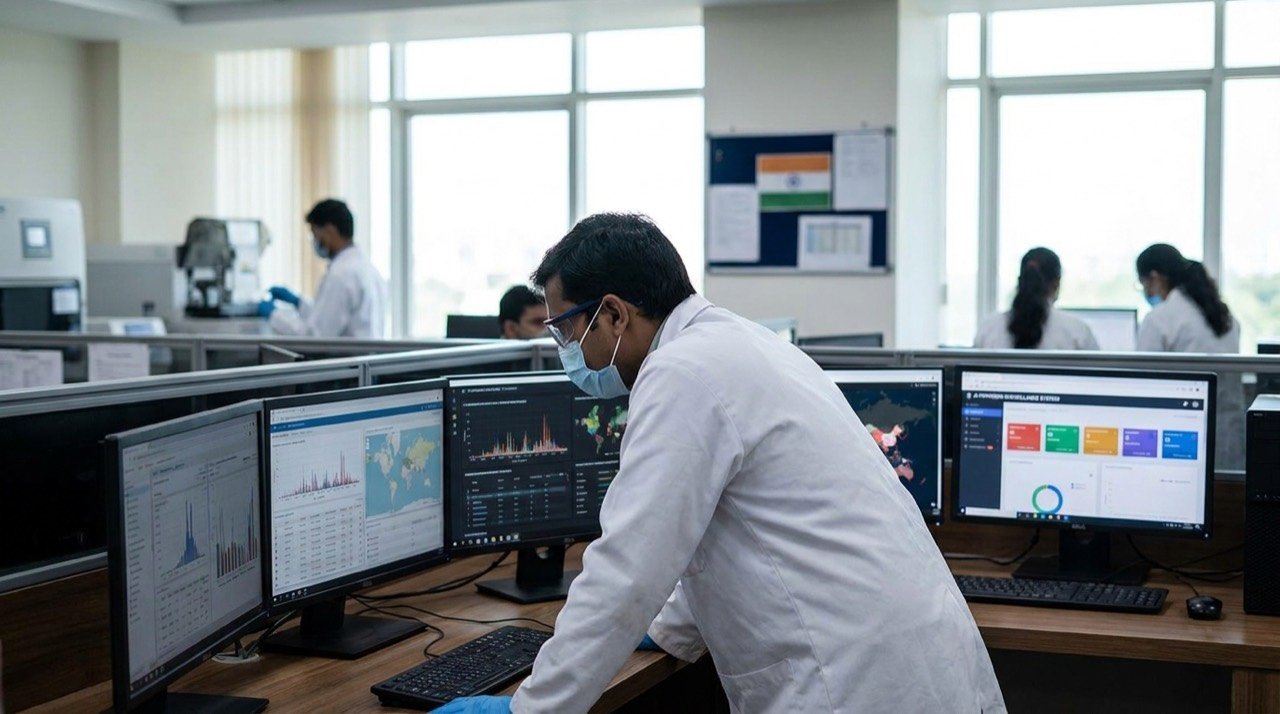
India Bets on AI to Catch the Next Outbreak Under One Health Mission in 2026
Drawing on the hard lessons of COVID-19, the ICMR is inviting proposals for AI systems to detect emerging pathogens across people, animals and the environment, in a bid to predict outbreaks rather than react to them.
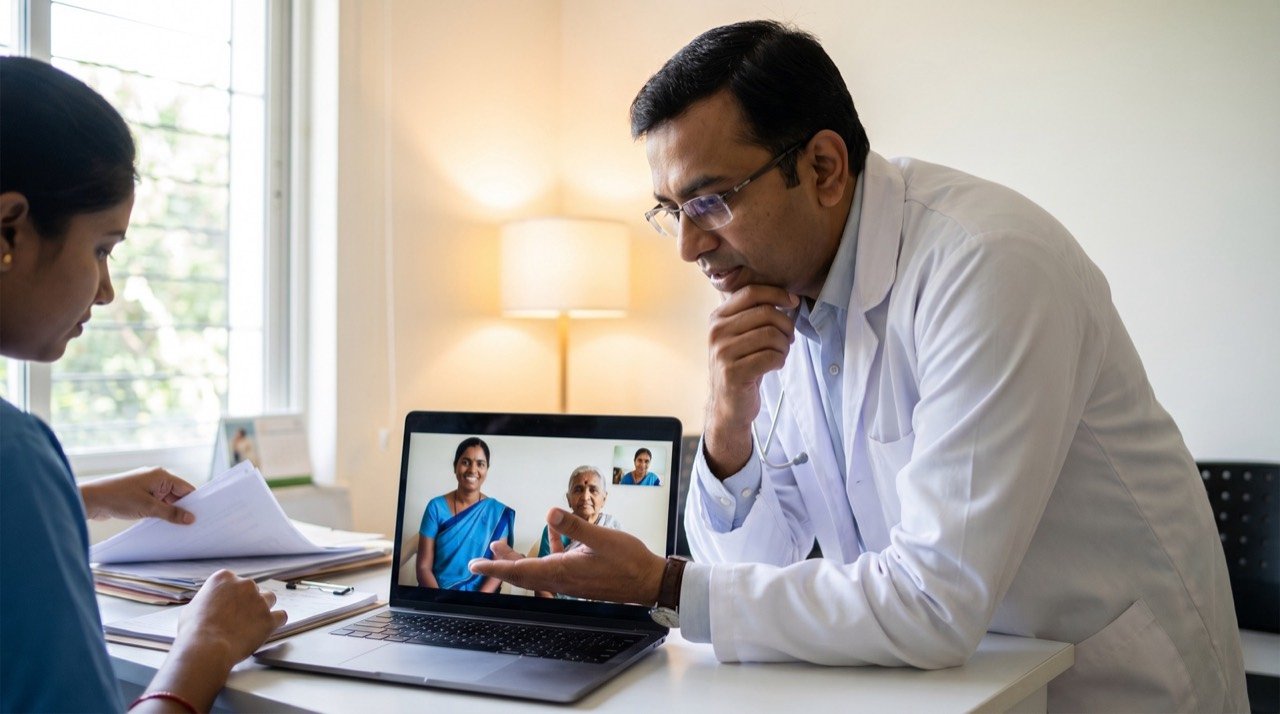
Digital Health Push Brings Telemedicine to More Towns and Villages
A nationwide effort to connect clinics digitally is widening access to doctors and diagnostics far beyond the big cities.
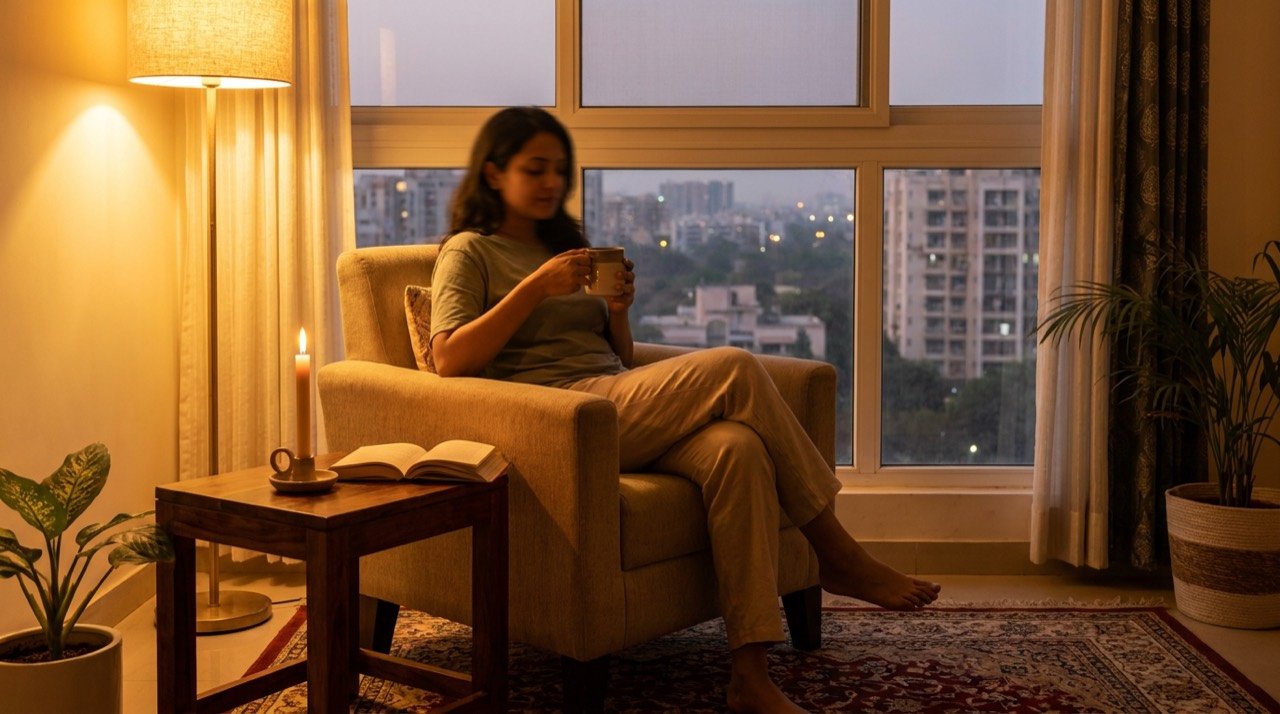
Sleep, Longevity and Gut Health Define India's Wellness Reset in 2026
India's wellness conversation is maturing from quick fixes to prevention, with better sleep, longevity tracking, gut-friendly diets and sober-curious living emerging as the dominant health priorities of 2026.
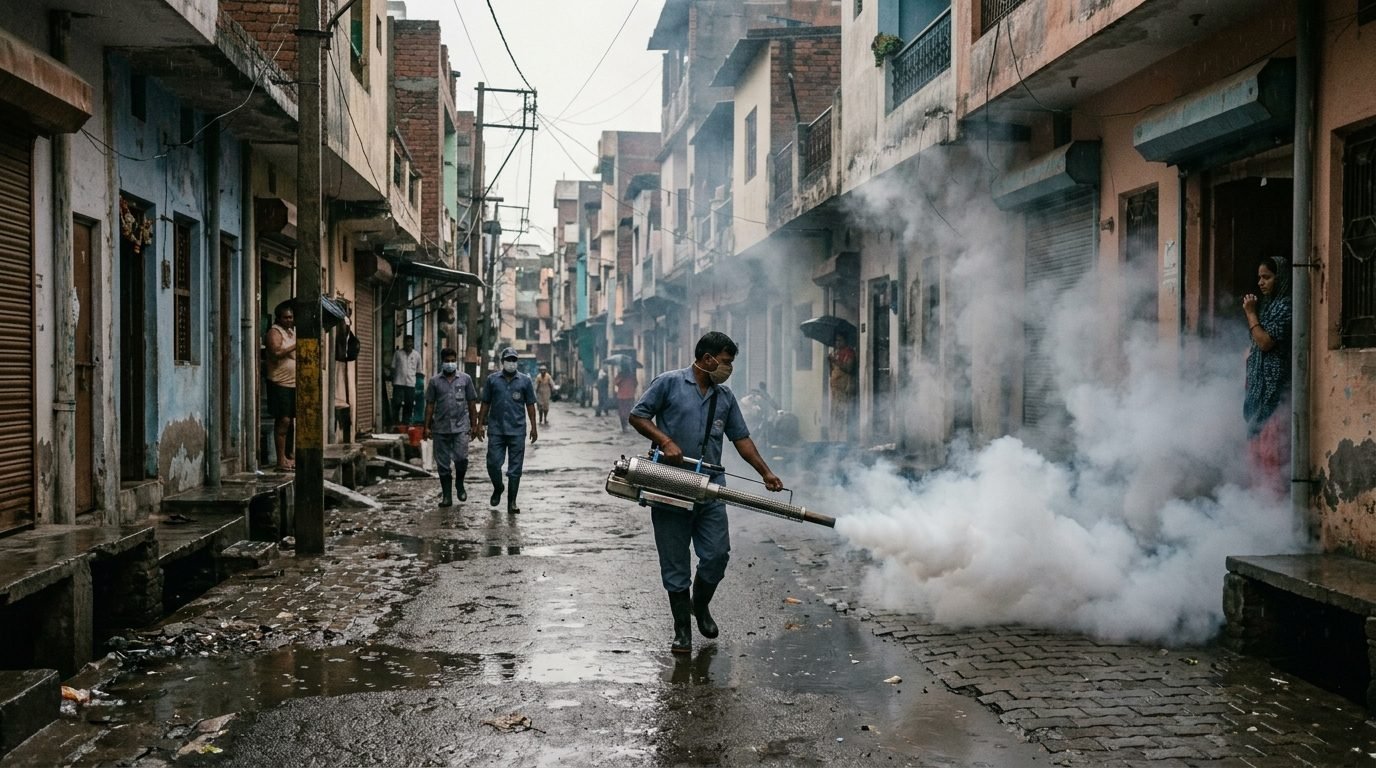
States Brace for Monsoon Fevers as Early Dengue Surge Worries Health Officials
With the southwest monsoon advancing, health departments across India are scrambling to contain dengue, malaria and chikungunya after an unusually early spike in cases reported before the rains even arrived.
More from this section
More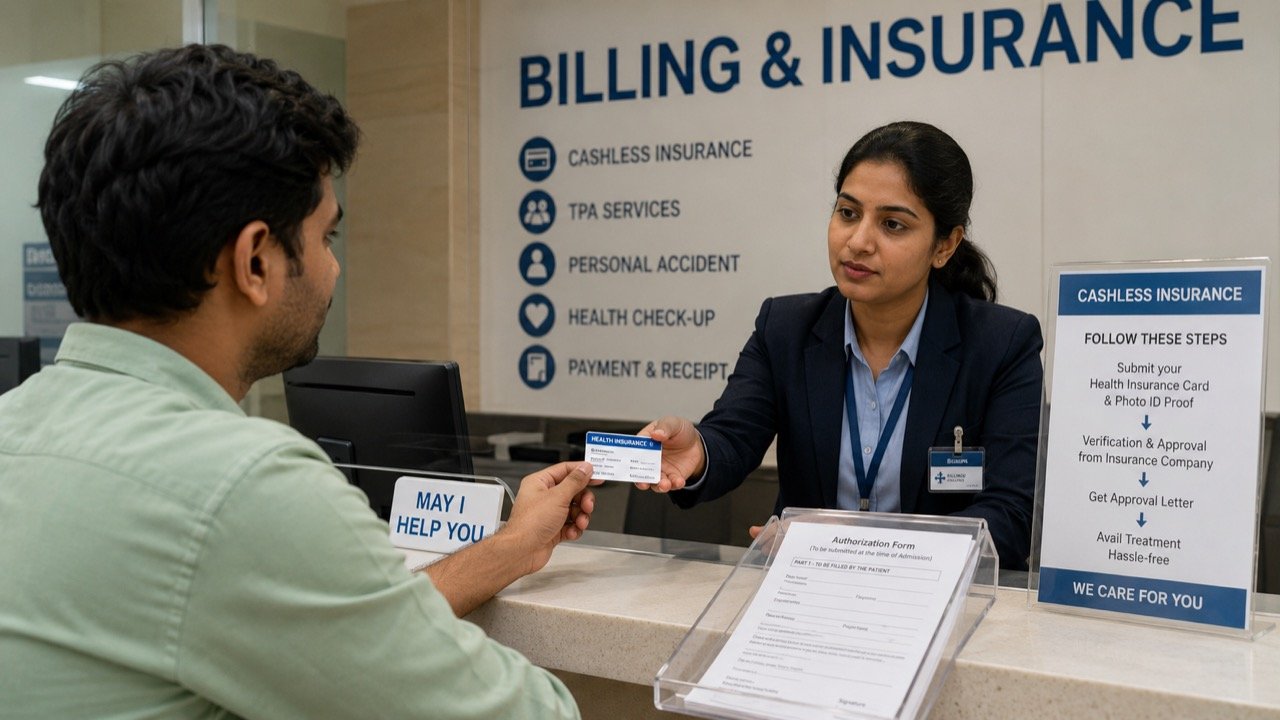
Health Insurance: Why Hospital Cashless Status Matters Before You Buy
Whether a hospital sits inside an insurer's cashless network can decide if a family pays lakhs upfront during an emergency or walks in with paperwork alone, making it a first-order question for policy buyers.

Jharkhand Teen Dies During Fracture Treatment; CM Orders Probe
The death of a Jharkhand teenager during treatment for a reported fracture has led to family allegations of medical negligence and an official probe ordered by the Chief Minister into what went wrong.
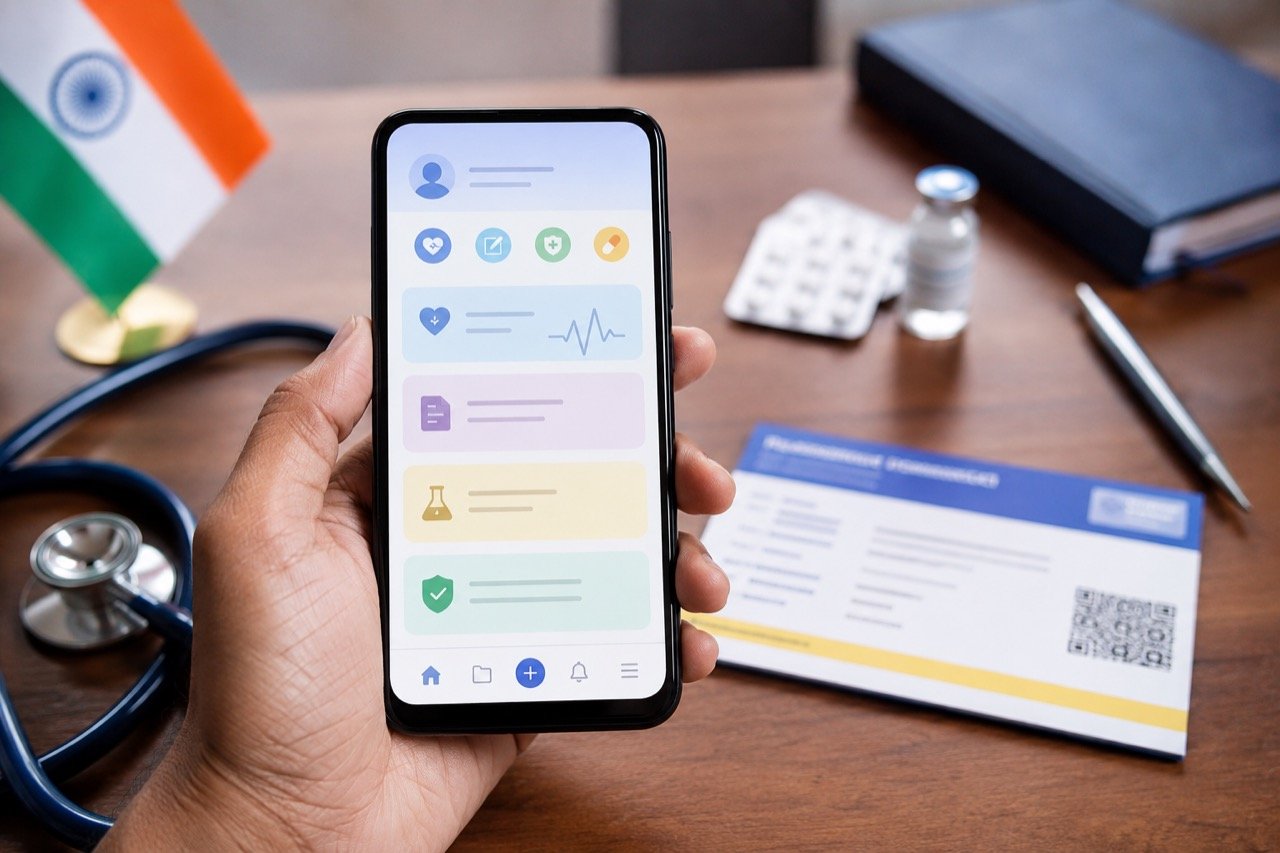
Aarogya Setu 2.0 Returns as India's Personal Health Record App
The pandemic-era contact tracing app has been relaunched as a personal health record platform, betting that portable medical data can find a place in India's growing digital health ecosystem.