India Monsoon Outlook 2026: Heavy Rain Risk Persists in the Northeast, West Bengal and Bihar
The latest IMD outlook shows a sharply divided monsoon pattern, with intense rainfall risks in eastern and northeastern India while activity is expected to ease across several other regions.
Commentary & Analysis ·
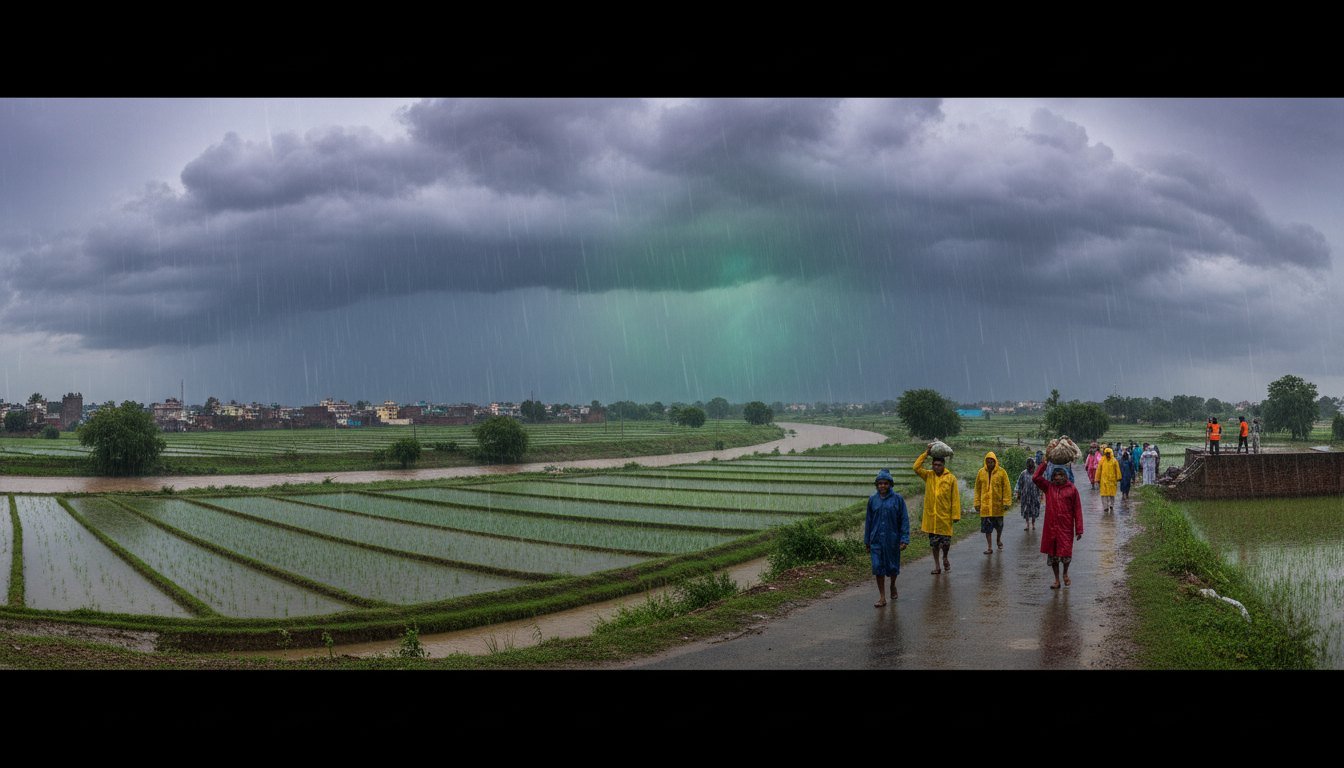
India’s monsoon story on 13 July 2026 is not a single nationwide picture. It is a map of strong regional contrasts. The India Meteorological Department’s latest guidance indicates that heavy to very heavy rainfall remains a concern over parts of Northeast India, West Bengal and Bihar, even as rainfall activity is likely to stay subdued over the plains of northwest India and across parts of west-central and southern peninsular India during the next several days. For households, farmers, transport operators and local governments, that contrast matters as much as the national rainfall total. A district facing repeated downpours can experience flooding and landslides even when the broader countrywide average appears manageable.
For readers searching for India monsoon weather today, the picture is therefore best understood through location-specific warnings. In the eastern and northeastern belt, short periods of very intense rain can overwhelm drains, raise river and stream levels, damage rural roads and trigger slope failures in hilly terrain. West Bengal’s northern districts and the Himalayan foothill region are especially sensitive because rainwater moves rapidly through steep catchments. Bihar faces a different combination of risks: waterlogging in towns, pressure on embankments and low-lying settlements, interruptions to rail and road movement, and crop stress where fields remain submerged for too long.
At the same time, the IMD’s reference to subdued rainfall over the northwest plains and other regions should not be read as a declaration that the monsoon has ended or that local thunderstorms are impossible. “Subdued” describes the expected level of activity relative to the seasonal pattern. Isolated rain, lightning and short-lived storms can still occur. The practical message is that the most widespread and persistent rain is currently concentrated elsewhere. People making travel or agricultural decisions should continue to follow district-level nowcasts rather than relying only on a national headline.
The IMD heavy rain warning is particularly important because monsoon damage often comes from the intensity of rainfall within a few hours, not simply from the daily total. Urban areas can flood when drainage systems are blocked or undersized. Rural bridges and culverts can become unsafe when water rises quickly. In mountain states and the Northeast, saturated soil can loosen slopes, while falling rocks and debris can close highways with little notice. The safest response is early caution: avoid flooded underpasses, do not cross fast-moving water, postpone unnecessary travel on landslide-prone roads, and keep children away from swollen rivers, drains, pits and construction sites filled with rainwater.
For agriculture, the mixed pattern creates winners and losers. Rain can replenish soil moisture and reservoirs, support paddy transplantation and reduce irrigation demand. But excessive rain can wash away topsoil, damage vegetables, delay harvesting and increase fungal disease. Farmers in flood-prone districts may need to clear field channels and protect stored seed, fodder and fertiliser. In drier areas where rainfall is temporarily weak, the focus may shift to conserving soil moisture and scheduling irrigation carefully. State agriculture departments and local extension officers usually provide crop-specific advisories that are more useful than generic weather commentary.
Transport systems are another pressure point. Airlines may face delays during thunderstorms, but the largest monsoon disruptions are frequently on roads and railways. Waterlogged tracks, poor visibility, fallen trees and damaged road shoulders can create cascading delays. Bus and truck operators should account for longer braking distances and reduced visibility. Commuters should verify routes before departure, especially in areas with recurring underpass flooding or hill-road closures. The safest monsoon journey is often the one that is rescheduled before conditions deteriorate.
The Northeast India rainfall outlook also has a humanitarian dimension. Communities near rivers and unstable slopes may have only a short window to move valuables, livestock and essential documents. Local administrations can reduce harm by issuing alerts in regional languages, pre-positioning rescue teams, identifying shelters and ensuring that warnings reach people without smartphones. Reliable communication is critical because viral weather messages often exaggerate or misstate the official forecast. The most dependable information comes from the IMD, state disaster-management authorities and district administrations.
This regional split also illustrates why monsoon performance cannot be judged by a single label such as “normal” or “weak.” India’s rainfall is uneven by nature, and climate variability can make that unevenness more disruptive. A season may deliver adequate total rain but distribute it poorly across time and geography. Long dry breaks followed by extremely heavy rain are difficult for both farms and cities: dry periods increase water demand, while cloudbursts generate runoff faster than the ground and drainage networks can absorb it. Resilience requires better forecasting, stronger drainage, protected wetlands, slope management and enforcement against unsafe construction in flood channels.
For the public, the immediate checklist is straightforward. Check the district forecast before travel. Keep emergency numbers and charged phones available. Move vehicles away from known waterlogging points. Store drinking water and essential medicines where flooding is possible. Never allow children to play near rain-filled excavations. During lightning, seek shelter inside a substantial building and avoid isolated trees or open fields. These steps may sound basic, but monsoon casualties repeatedly occur when familiar surroundings become unexpectedly dangerous.
The latest India monsoon weather today update is therefore a call for targeted vigilance rather than nationwide alarm. Heavy rain risks are concentrated in the east and Northeast, while several other regions may experience quieter conditions. The forecast will evolve, and district warnings can change quickly. The responsible approach is to treat the IMD outlook as a living operational guide: monitor updates, respect local restrictions and prepare early wherever heavy rain, flooding or landslides are possible.
You may also like to read
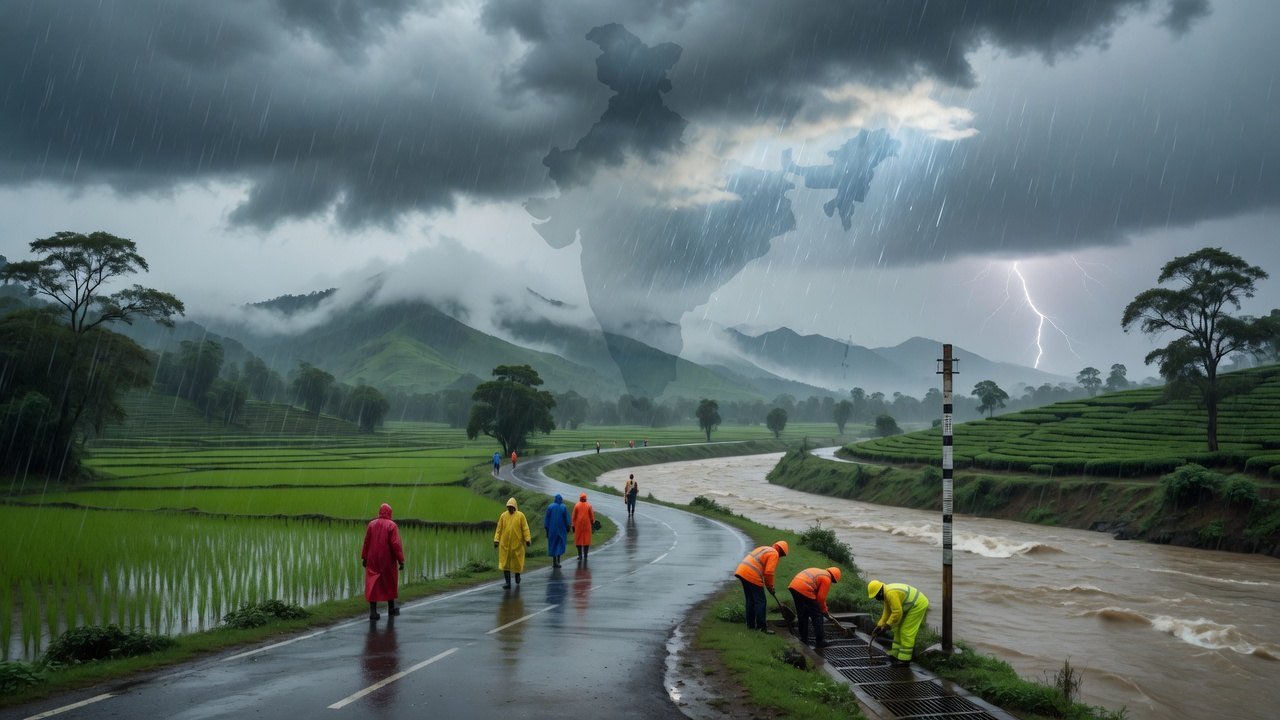
IMD Warns of Heavier Rain in East and Northeast India as Monsoon Risks Shift Across the Country
IMD expects increased rainfall over east and northeast India, eastern Uttar Pradesh and the western Himalayas, while activity remains subdued in several western and southern regions.
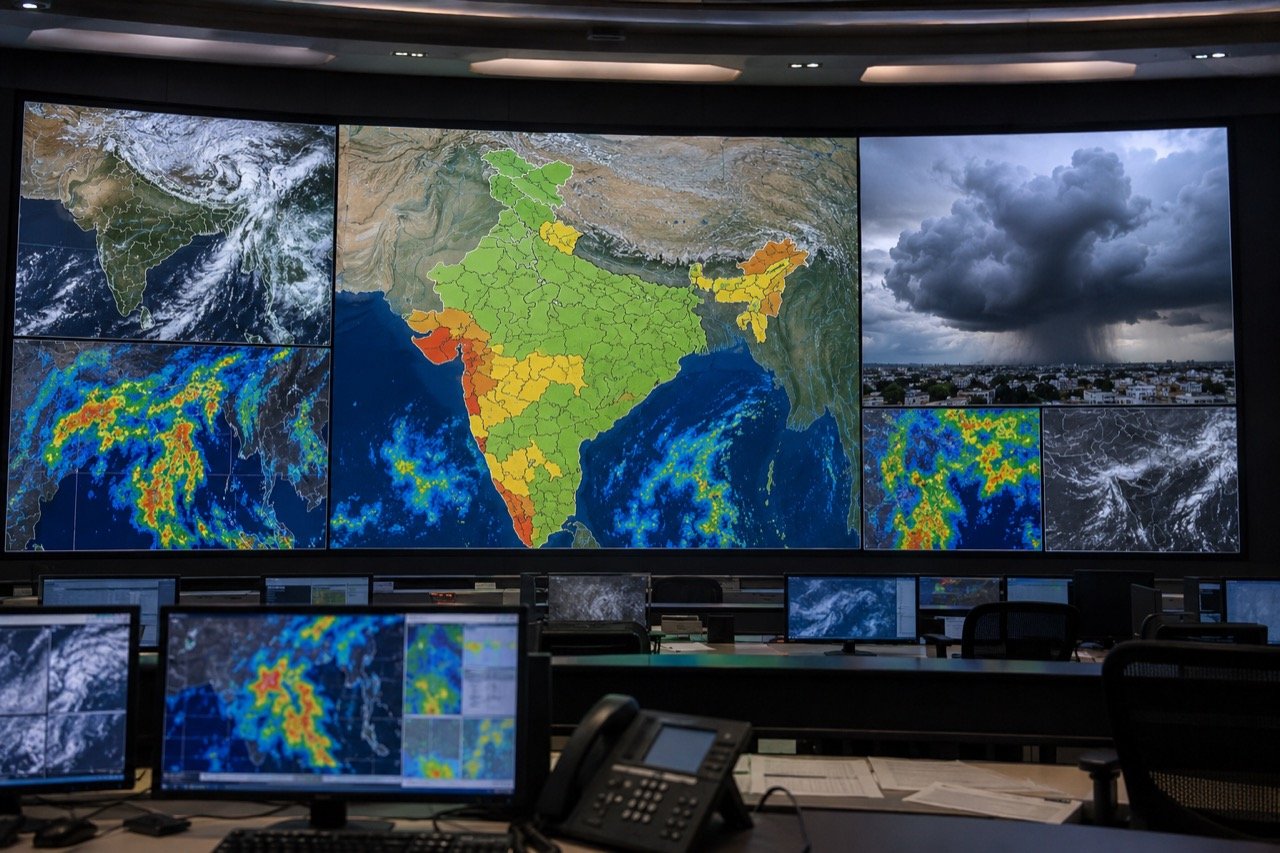
India Monsoon Alerts: Heavy Rain Warnings for Konkan, Gujarat, North
India's monsoon remains active with heavy rainfall alerts spanning Konkan, Gujarat, parts of Maharashtra and northern states, as forecasters warn of isolated extremely heavy spells that could disrupt transport and daily life.
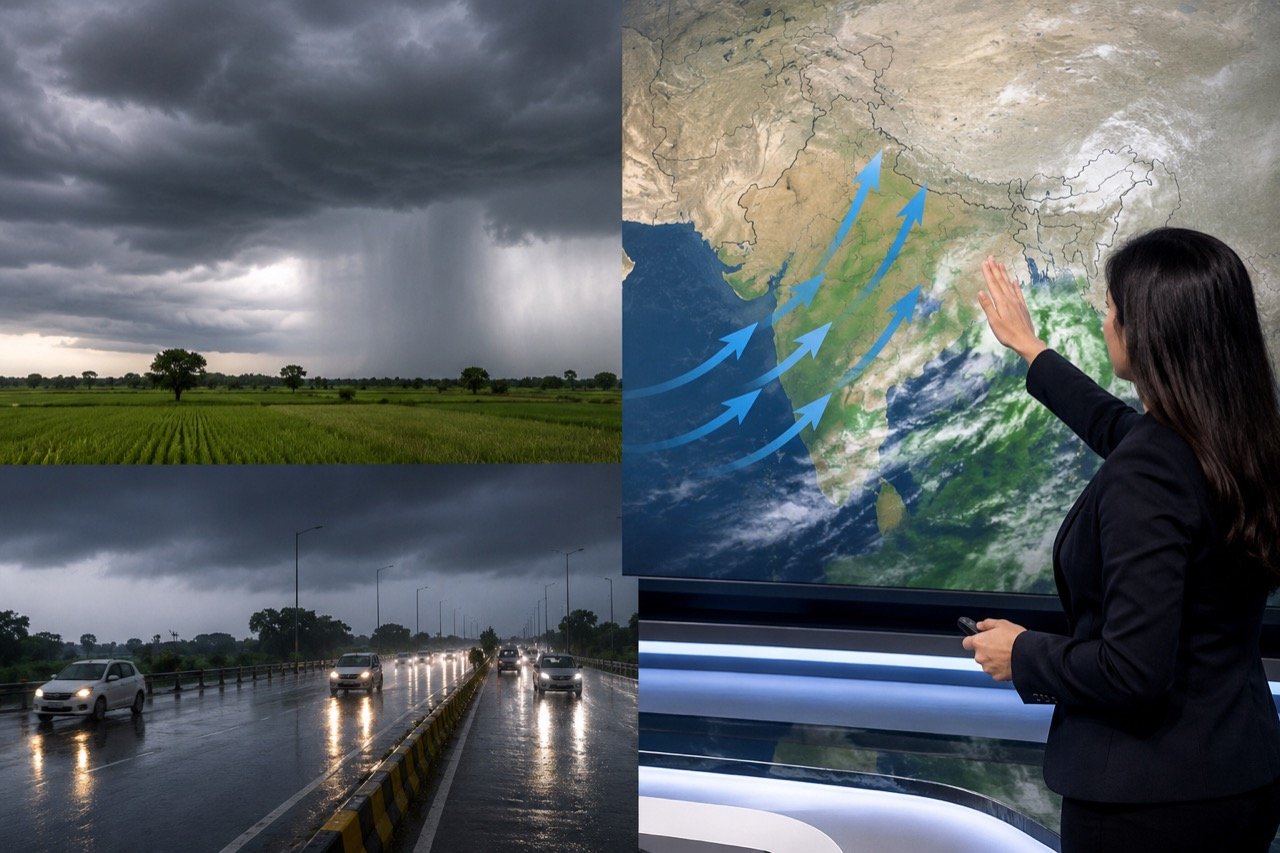
Monsoon Marches North: IMD Flags Heavy Rain for Gujarat to Punjab
The southwest monsoon is set to push into Gujarat, Punjab, Haryana and Rajasthan, with the IMD warning of extremely heavy rainfall over Konkan and Gujarat between July 4 and 7.
Mumbai Braces for Monsoon Advance as IMD Issues Heavy Rain Alerts
The India Meteorological Department says conditions favour the southwest monsoon advancing into Mumbai and more of Maharashtra, with heavy rain and thunderstorm warnings testing the city's readiness.