India Watches Dhaka's China-Backed Teesta Plan as Stakes Rise
New Delhi is closely tracking Bangladesh's proposal to develop the Teesta river with Chinese assistance, a move that revives one of South Asia's most sensitive water-sharing disputes and tests regional strategic trust.
The NE Times World Desk
Commentary & Analysis ·
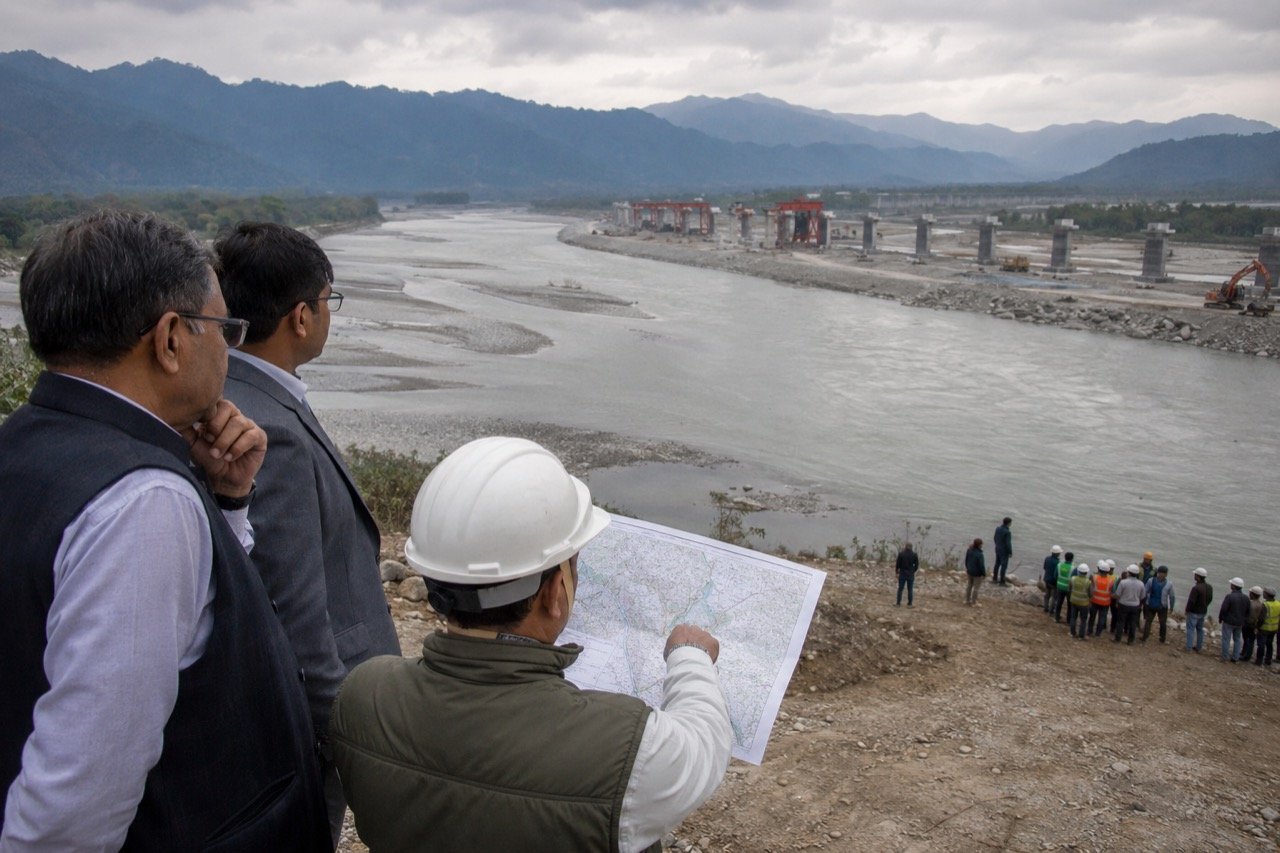
India is reportedly keeping a close watch on Bangladesh's plan to develop the Teesta river with Chinese involvement, a development that pushes water management, neighbourhood infrastructure and strategic trust back to the top of the regional agenda.
A river with a long diplomatic history
The Teesta has been a persistent flashpoint in India-Bangladesh ties for decades. Water sharing on the river touches farmers on both sides of the border, state-level politics in India, central diplomacy in both capitals and raw public sentiment. Hindustan Times flagged the latest development as a significant foreign-policy and neighbourhood update for New Delhi.
What makes this round different is the presence of a third party. When an external power like China is attached to an infrastructure proposal in India's immediate neighbourhood, the project stops being purely about irrigation or flood control and acquires a strategic dimension that New Delhi cannot ignore.
Legitimate needs on both sides
Bangladesh has genuine development requirements on the Teesta, including flood management, irrigation and comprehensive river-basin planning. India, for its part, has legitimate interests in cross-border water flows and regional security. The test for both governments is whether these interests can be reconciled through transparent dialogue rather than managed through mutual suspicion.
Crucially, monitoring is not the same as confrontation. New Delhi's posture suggests it is studying the financing structure, technical design and downstream implications of the plan. The signals to watch next are official statements from both capitals, published project documents and whether existing bilateral consultation mechanisms on river waters are activated.
The NE Times View
The Teesta episode is a reminder that India's unfinished business in the neighbourhood creates openings for others. Had a fair water-sharing agreement been concluded years ago, Dhaka would have less reason to invite Beijing into a river that flows out of Indian territory. The constructive path now is not to lecture Bangladesh but to offer a better deal: credible Indian participation in Teesta management, faster project delivery and a long-delayed water accord. Strategic anxiety is a poor substitute for strategic generosity, and on rivers, goodwill is the cheapest security India can buy.
This article is original commentary and analysis by The NE Times. Background facts were referenced from Hindustan Times India News.
You may also like to read
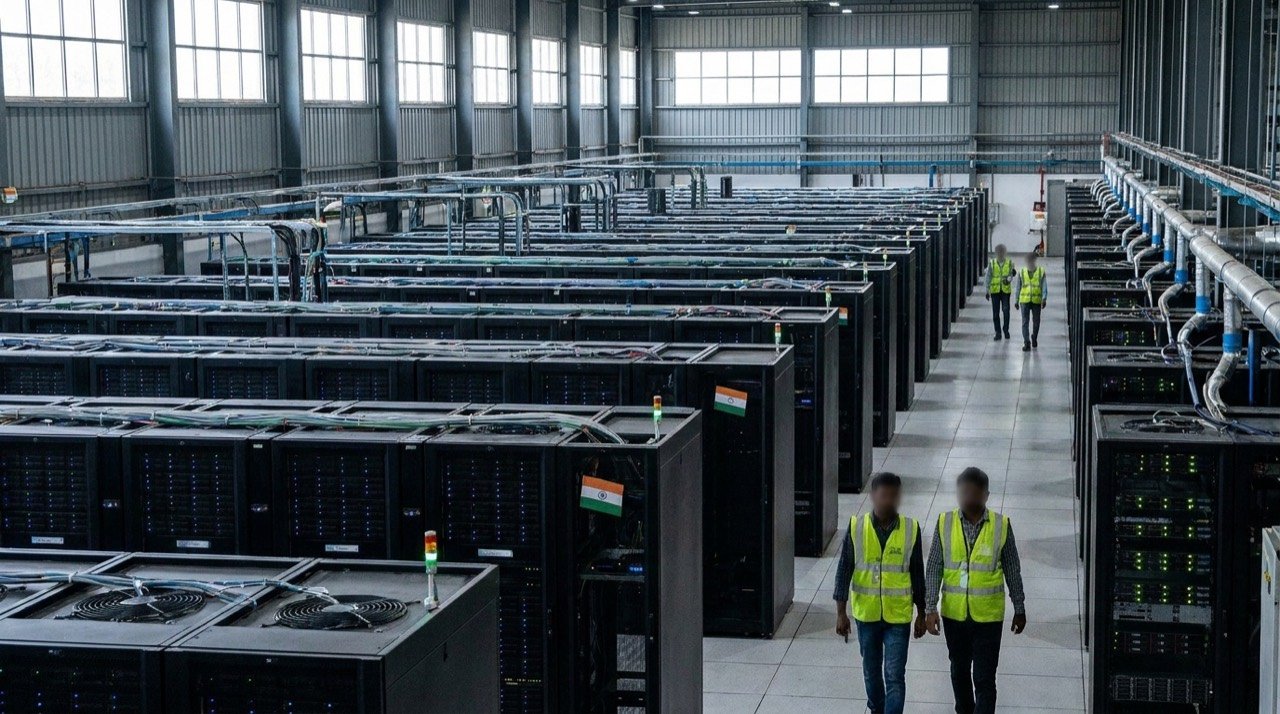
China's LineShine Dethrones US as World's Fastest Supercomputer, Sharpening India's AI Resolve
China has reclaimed the top spot on the global supercomputing rankings with an all-domestic machine running at over two exaflops, a milestone in the US-China tech contest that underscores why India is racing to build its own sovereign computing power.
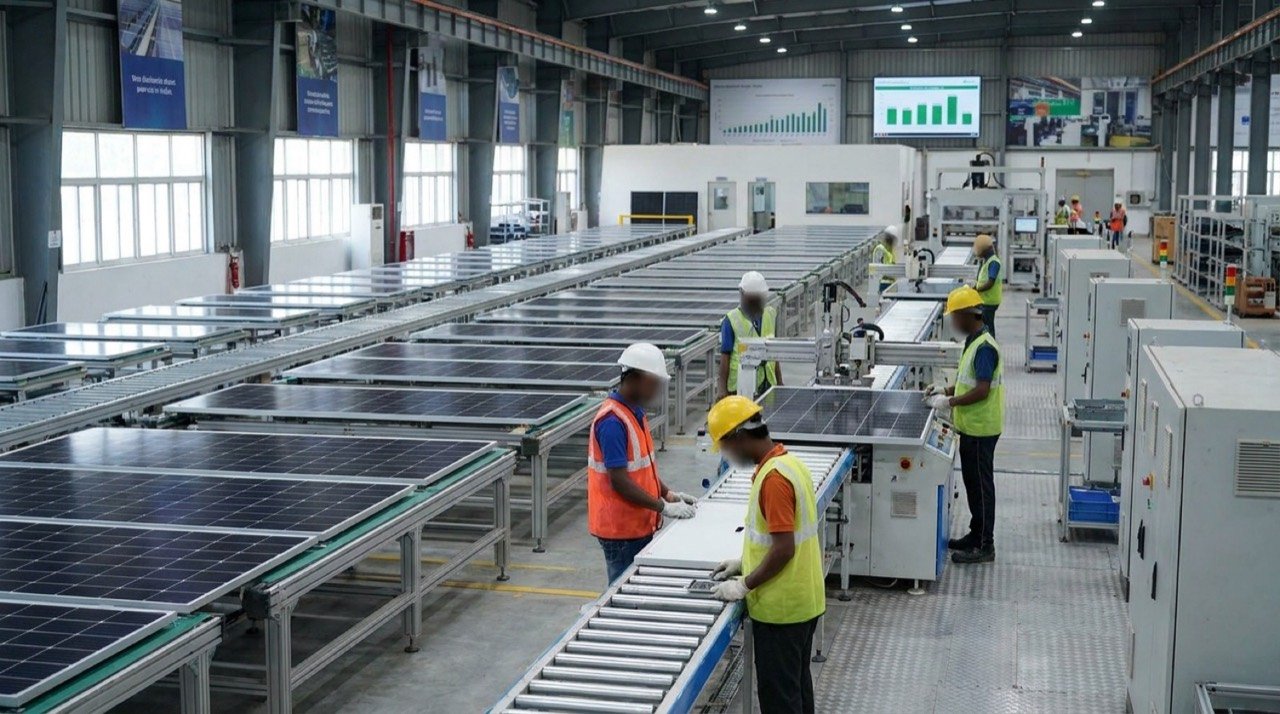
India Extends ALMM Solar Manufacturing Rules to Wafers and Ingots From 2028
New Delhi will widen its Approved List of Models and Manufacturers framework to cover solar wafers and ingots from June 2028, pushing deeper into the supply chain to cut reliance on China.
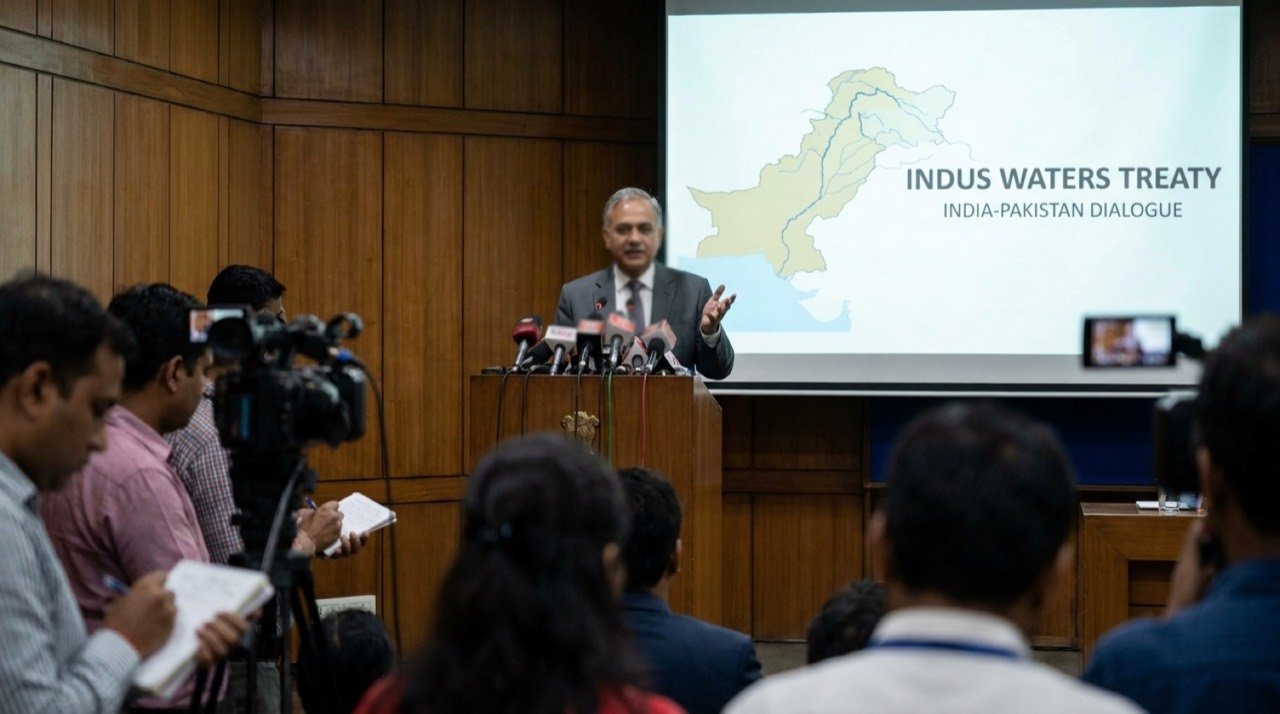
India Rejects Pakistan Minister's Indus 'War' Warning as a Deflection
New Delhi has dismissed Pakistan Defence Minister Khawaja Asif's warning of war over water security, calling it an attempt to deflect from Islamabad's own record amid heightened tension over the suspended Indus Waters Treaty.
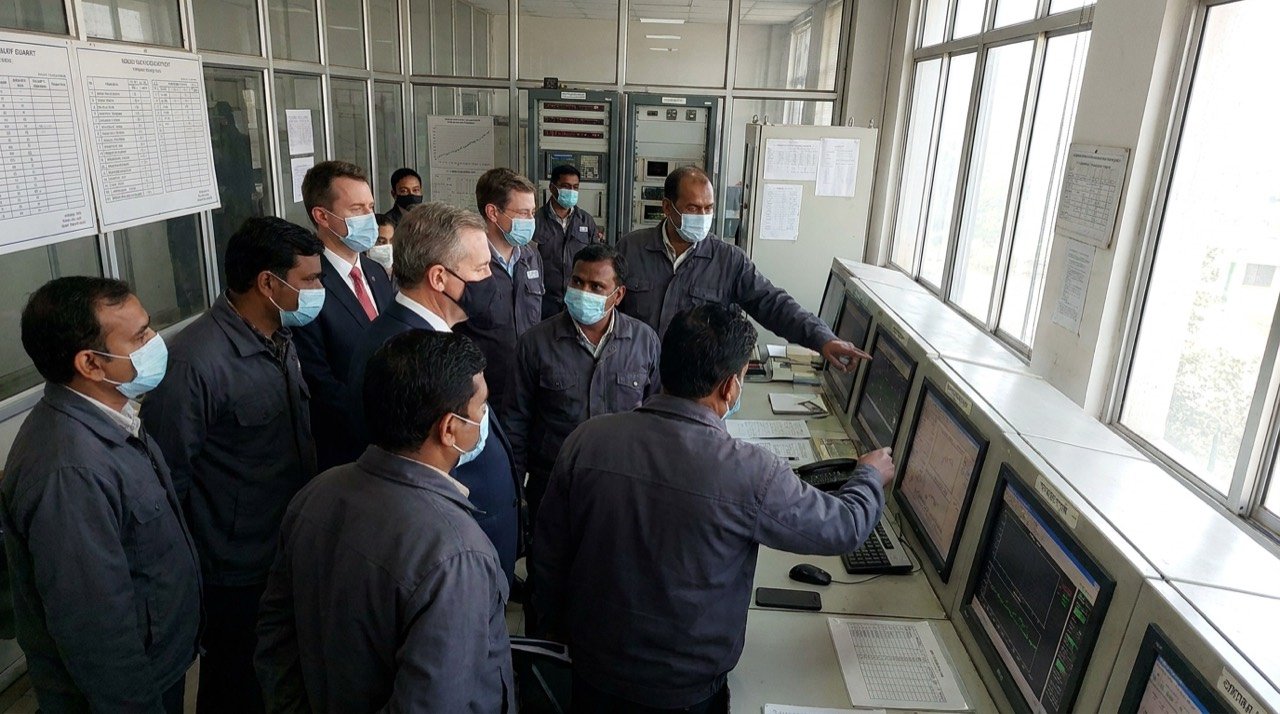
Iran-IAEA Inspection Standoff Tests Fragile Truce, With India Watching Its Energy Stakes
The UN nuclear watchdog insists inspectors will return to Iran's enrichment sites under an interim US-Iran deal, but Tehran says access waits for a final agreement, leaving Indian importers eyeing both oil flows and the Strait of Hormuz.
More from this section
More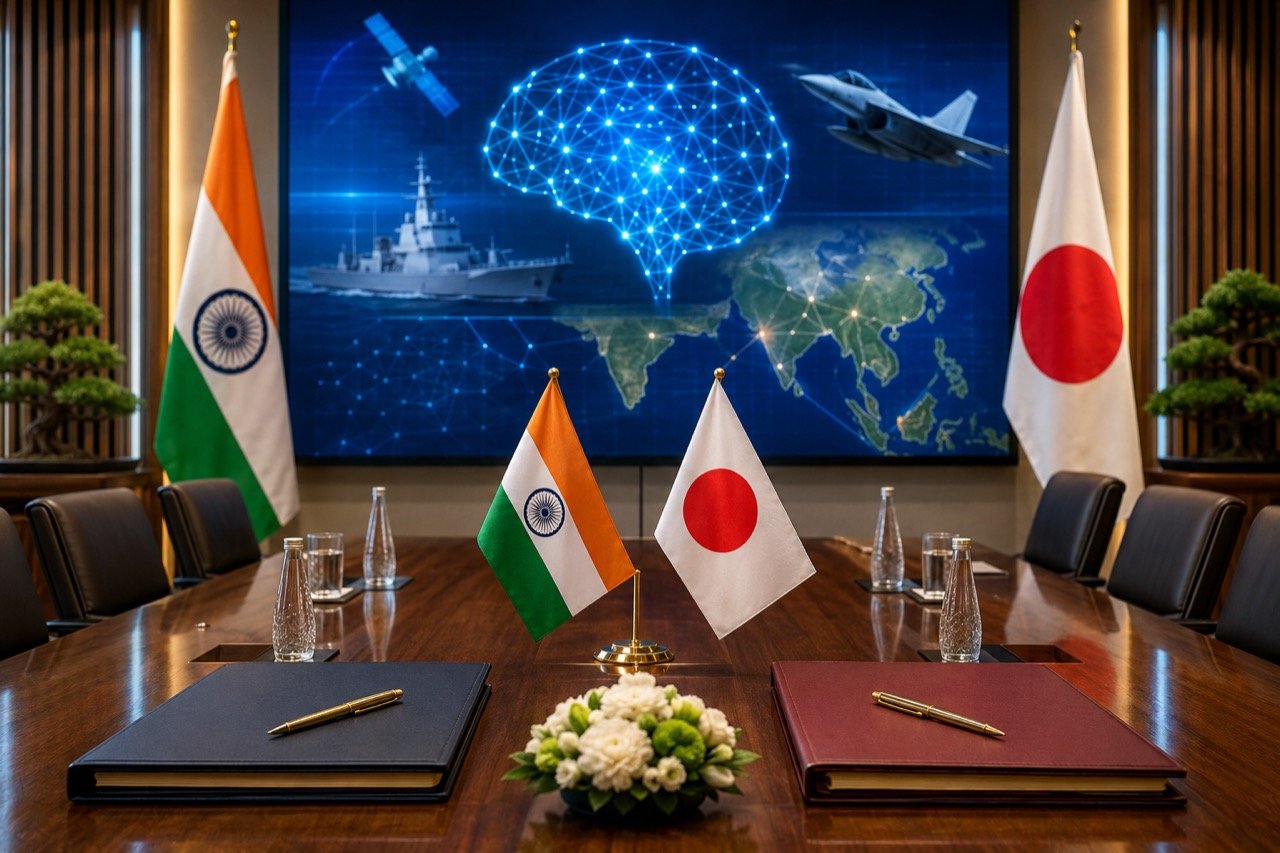
India-Japan Summit Widens Ties Across AI, Defence and Chips
At their annual summit in New Delhi, Prime Ministers Modi and Takaichi unveiled a roadmap deepening cooperation on maritime security, artificial intelligence, semiconductors, shipbuilding and critical technologies.
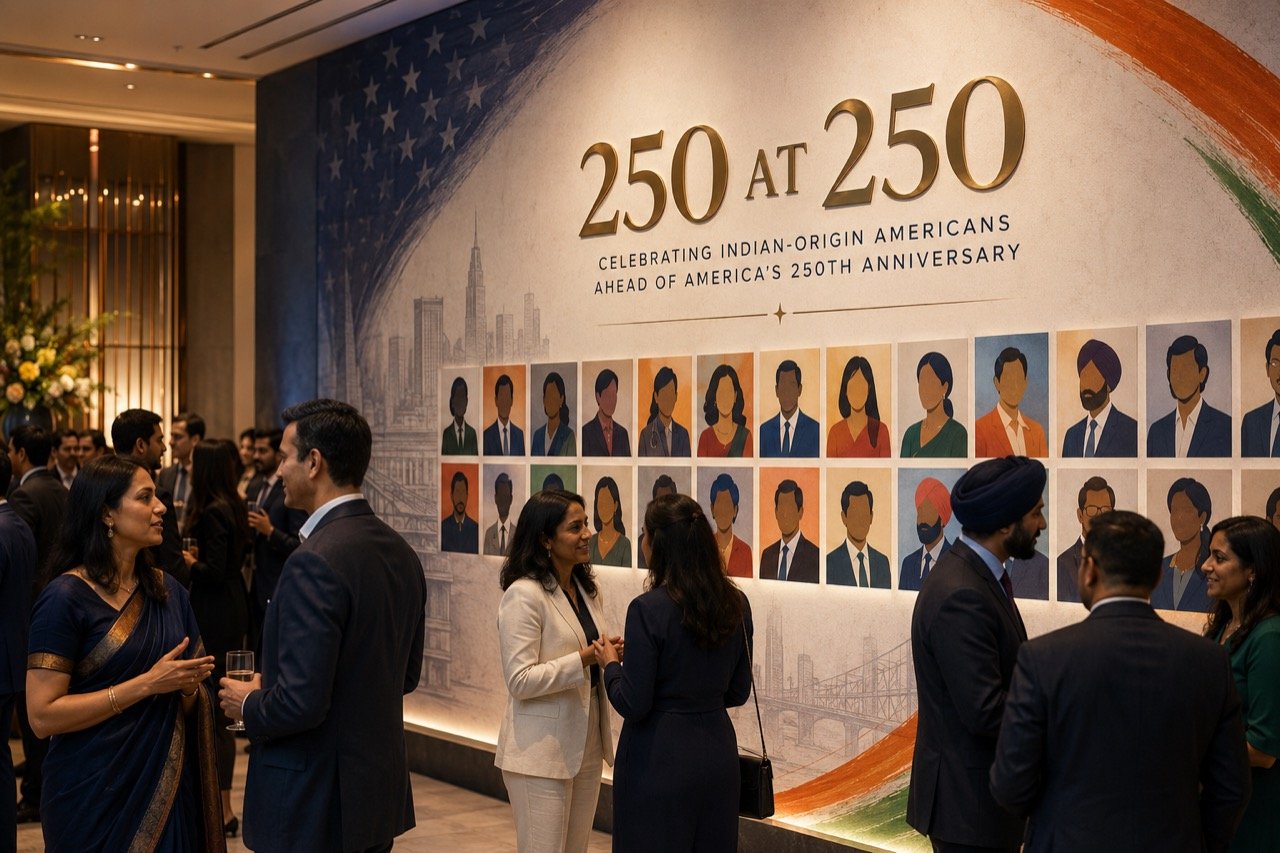
Indiaspora 250 at 250: Diaspora Power in America's Milestone Year
Indiaspora's new 250 at 250 list, released ahead of America's 250th anniversary, celebrates Indian-origin achievers across technology, medicine, government and the arts, underscoring the diaspora's deepening footprint in US public life.
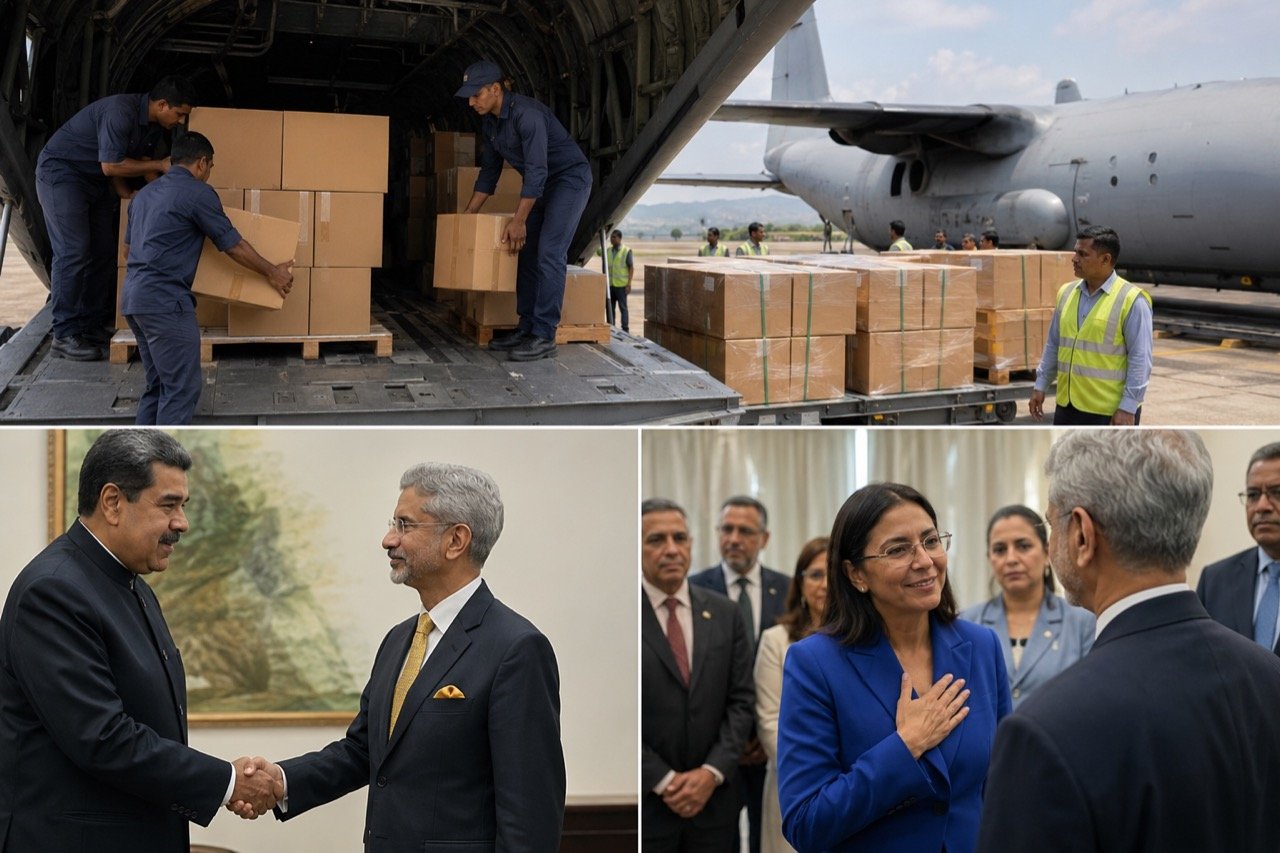
Venezuela Thanks Modi as Operation Amistad Showcases Relief Diplomacy
Venezuela's foreign minister publicly thanked Prime Minister Narendra Modi for India's Operation Amistad earthquake relief, highlighting how humanitarian assistance has become a working arm of Indian foreign policy.