India-Japan Summit Widens Ties Across AI, Defence and Chips
At their annual summit in New Delhi, Prime Ministers Modi and Takaichi unveiled a roadmap deepening cooperation on maritime security, artificial intelligence, semiconductors, shipbuilding and critical technologies.
The NE Times World Desk
Commentary & Analysis ·
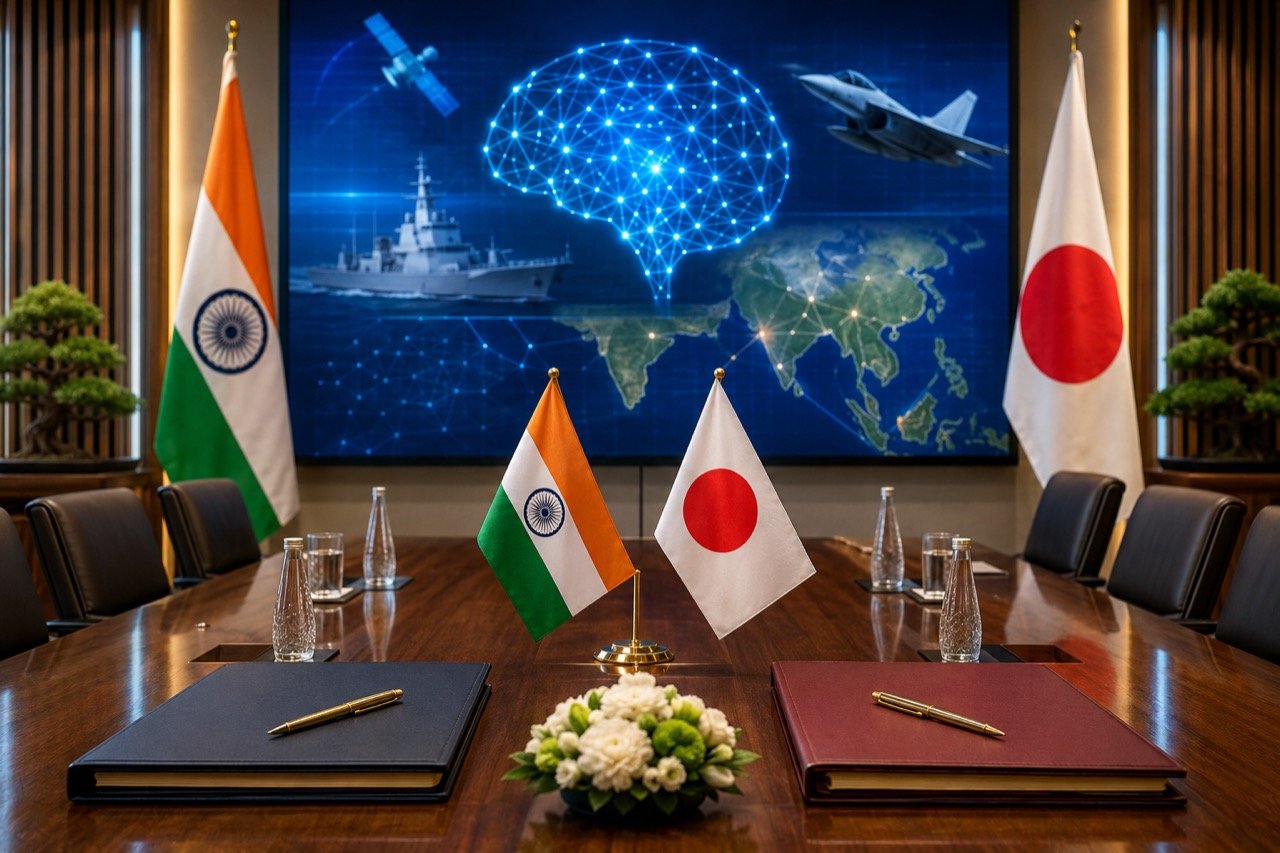
India and Japan have moved to deepen their strategic and economic partnership through a set of agreements unveiled at the annual summit in New Delhi. Prime Minister Narendra Modi and Japanese Prime Minister Sanae Takaichi announced cooperation spanning defence, economic security and maritime priorities — including naval radio antenna systems — under a broader bilateral roadmap, AP reported.
What stands out is the mix of sectors. Defence and maritime security reflect the two countries' shared Indo-Pacific concerns, while artificial intelligence, semiconductors, shipbuilding and critical technologies speak to economic security: building resilient supply chains and reducing strategic dependence in sensitive industries.
From investment partner to strategic builder
The relationship already rests on a strong investment base. Japan remains one of India's largest investors, and earlier commitments aimed to more than double Japanese investment over a decade. The framing has now shifted: economic ties are being presented not merely as trade flows but as joint strategic capacity-building.
The hard part will be implementation. Roadmaps are only as strong as the projects, funding and timelines behind them, and both capitals will need sustained follow-through to convert summit language into factories, ships and chips.
The NE Times View
This summit confirms that India-Japan ties have outgrown the bullet-train era and entered the age of economic security. For India, Japanese capital and technology in semiconductors, AI and shipbuilding align neatly with its manufacturing ambitions; for Japan, India offers scale, talent and a democratic partner in an increasingly contested Asia. The real test lies in execution — Delhi's regulatory friction and Tokyo's cautious corporate culture have slowed past promises. If even half this roadmap materialises on schedule, it would meaningfully rewire Asia's technology supply chains away from single-country dependence. Indian policymakers should treat delivery, not announcement, as the metric of success.
This article is original commentary and analysis by The NE Times. Background facts were referenced from AP News and Economic Times.
You may also like to read
BRICS Security Meet in Delhi Targets Terrorism, Cyber and AI Threats
India is hosting a BRICS National Security Advisers meeting in New Delhi, with cross-border terrorism, cyber threats, AI misuse and transnational crime set to dominate a fast-broadening security agenda.
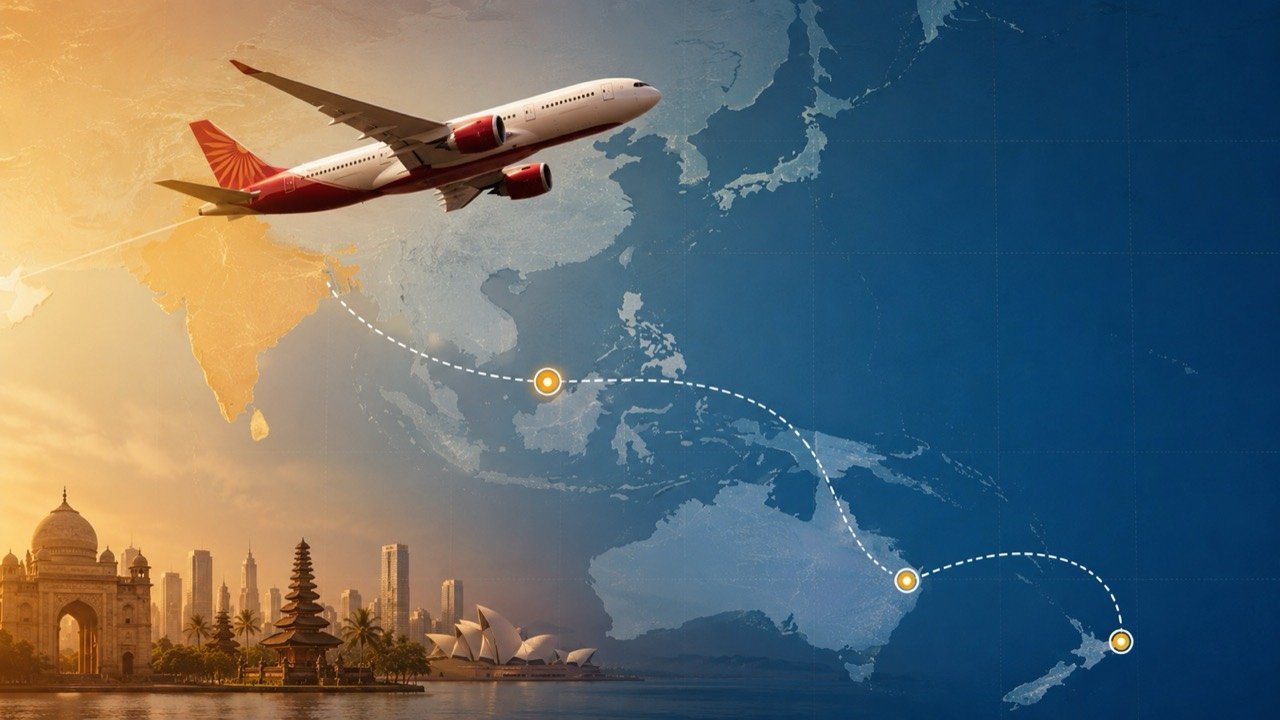
Modi's Expected July Travel Puts India's Indo-Pacific Diplomacy on Watch
Reports that Prime Minister Modi may visit Indonesia, Australia and New Zealand in July have spotlighted India's Indo-Pacific calendar, raising the question of what concrete agreements the trip could deliver.
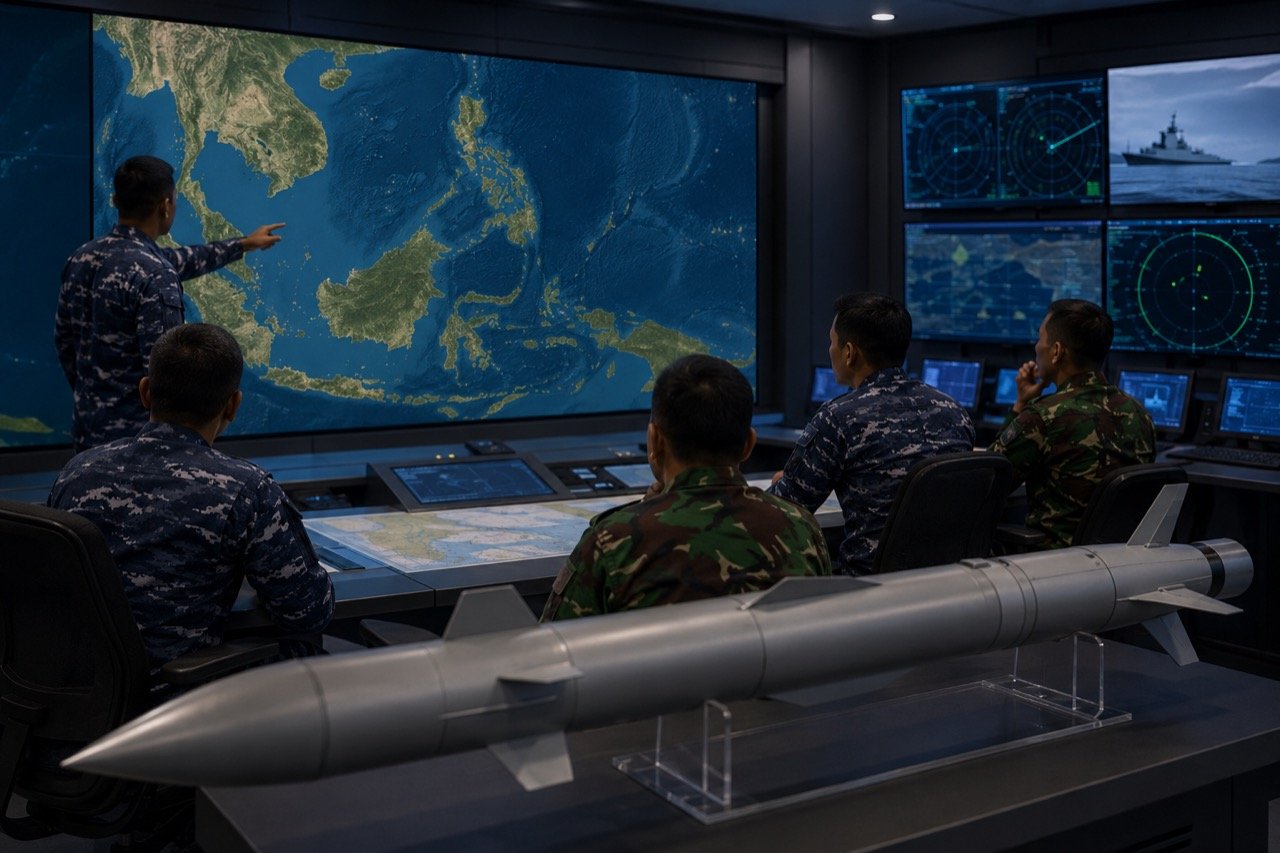
BrahMos Talks With Indonesia Sharpen India's Defence Export Push
A possible BrahMos missile agreement with Jakarta, in focus ahead of Prime Minister Modi's Indonesia engagement, underlines India's ambition to become a serious defence exporter across Southeast Asia.
Digital India Turns 11: AI GPUs, Chips and the Harder Next Phase
Eleven years in, Digital India is being judged less by its early public-service wins and more by whether it can deliver semiconductors, AI compute and resilient payments infrastructure at scale.
More from this section
More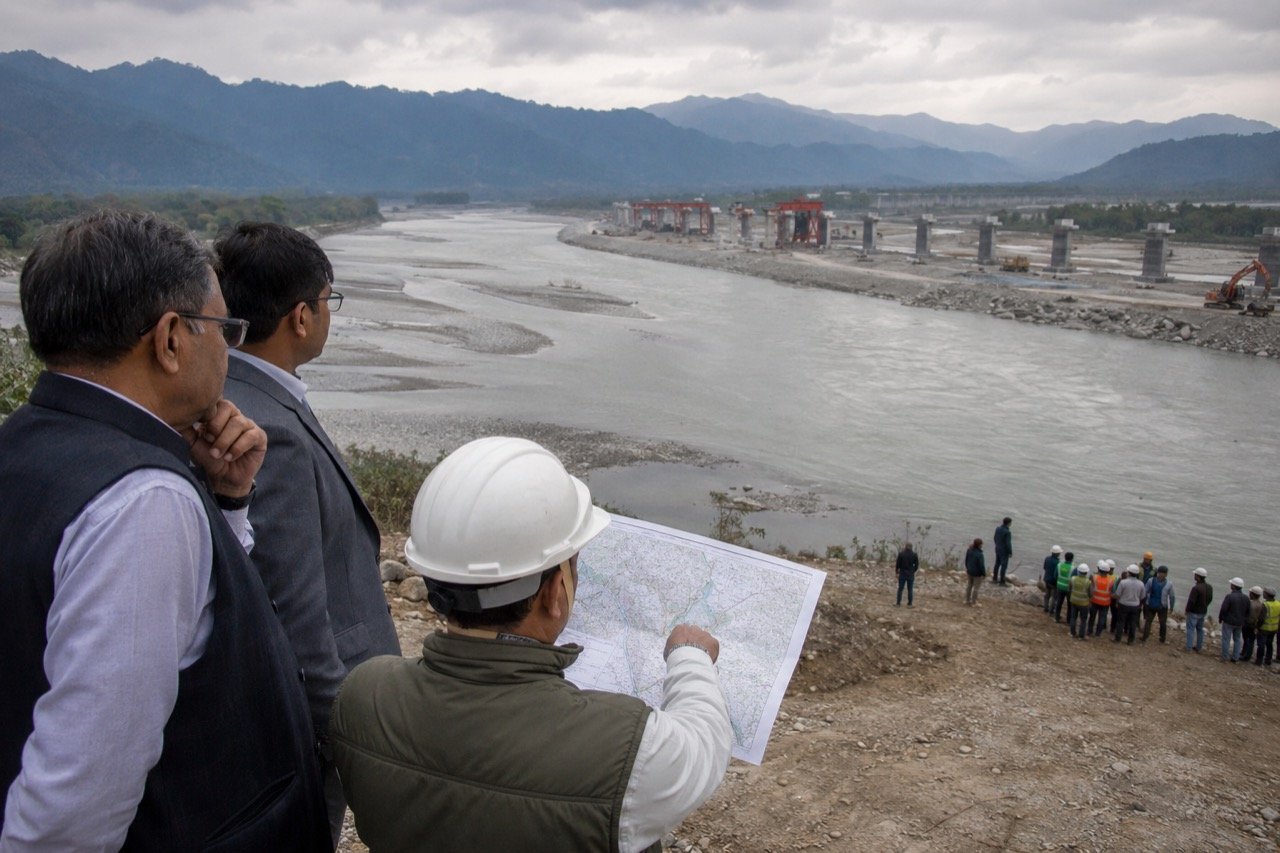
India Watches Dhaka's China-Backed Teesta Plan as Stakes Rise
New Delhi is closely tracking Bangladesh's proposal to develop the Teesta river with Chinese assistance, a move that revives one of South Asia's most sensitive water-sharing disputes and tests regional strategic trust.
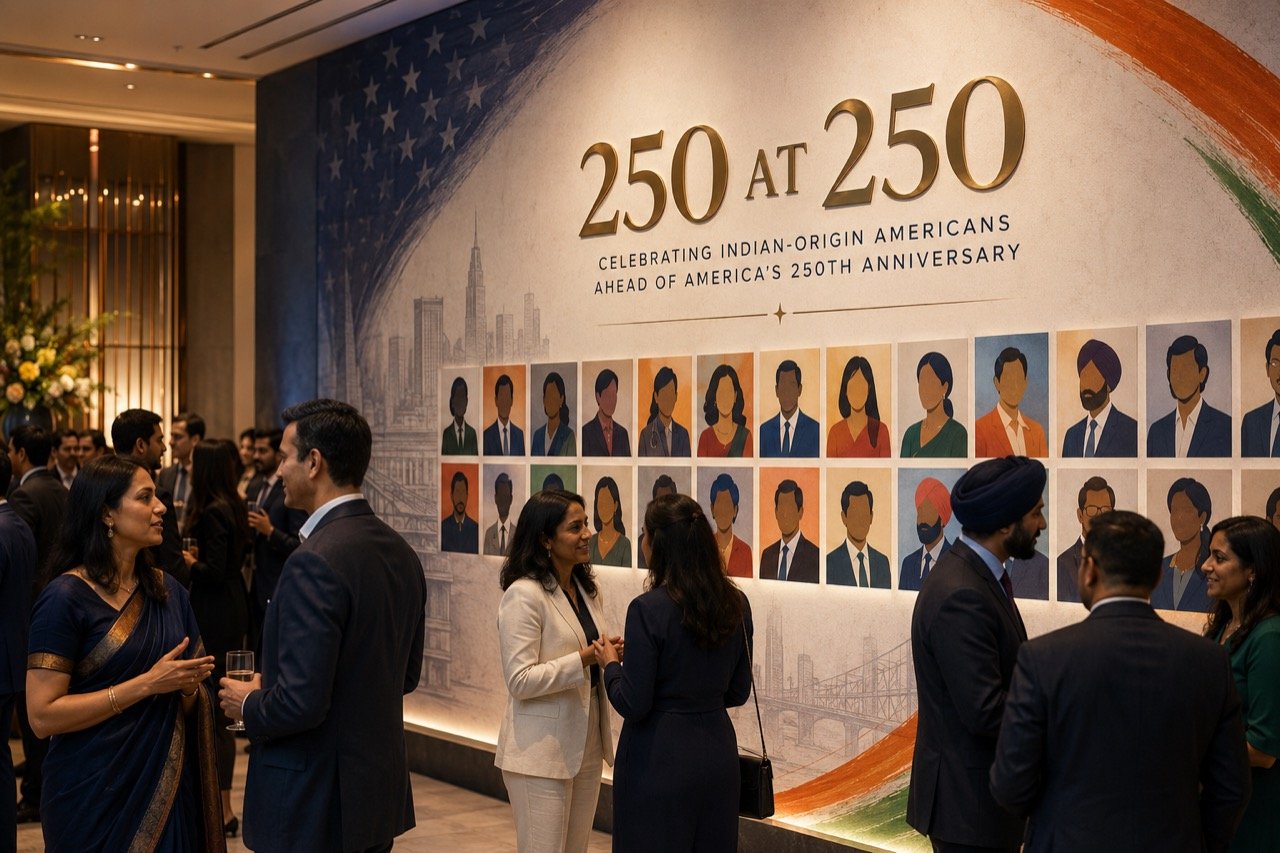
Indiaspora 250 at 250: Diaspora Power in America's Milestone Year
Indiaspora's new 250 at 250 list, released ahead of America's 250th anniversary, celebrates Indian-origin achievers across technology, medicine, government and the arts, underscoring the diaspora's deepening footprint in US public life.
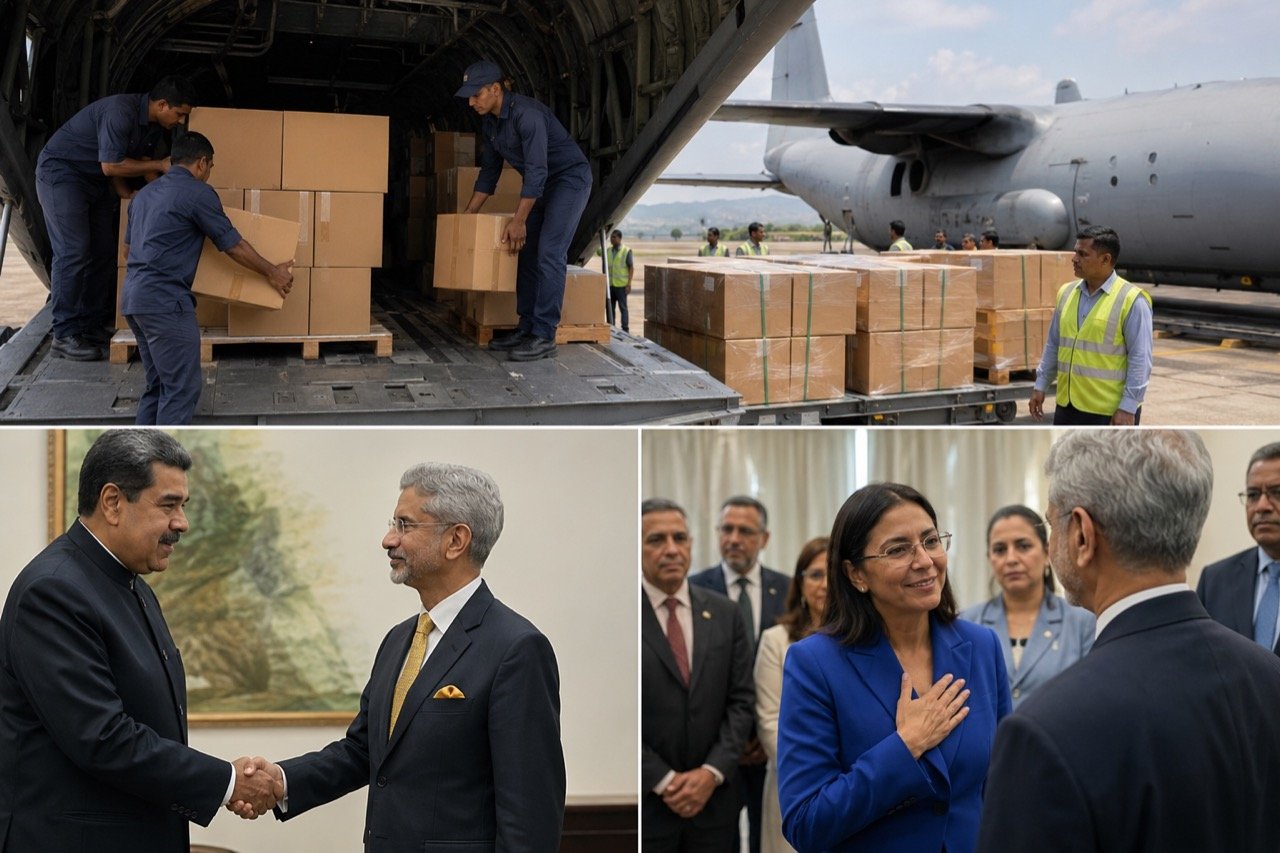
Venezuela Thanks Modi as Operation Amistad Showcases Relief Diplomacy
Venezuela's foreign minister publicly thanked Prime Minister Narendra Modi for India's Operation Amistad earthquake relief, highlighting how humanitarian assistance has become a working arm of Indian foreign policy.