India Emerges as a Hybrid Video Entertainment Economy as Audiences Splinter Across Screens
A new industry report shows India's video market abandoning the simple subscription-versus-advertising split, as platforms blend streaming, short video, commerce and live events to win price-sensitive viewers.
Commentary & Analysis ·
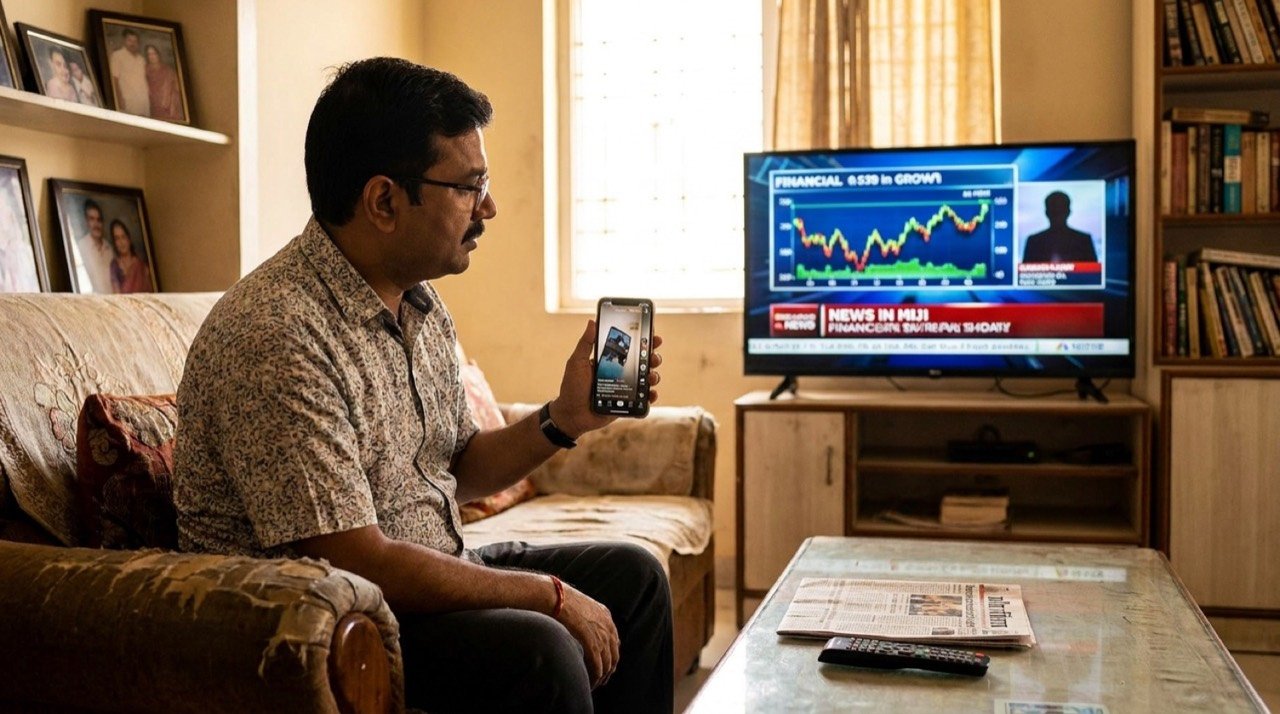
India's video entertainment market is quietly shedding the binary that defined it for a decade. The old question of whether a platform should live on subscriptions or on advertising no longer captures how Indians actually watch. A new industry analysis describes the country as a hybrid video entertainment economy, where television, mobile streaming, short-video apps, social feeds and transactional viewing increasingly compete for, and share, the same audience and the same advertising and subscription rupees.
From a binary model to a blended one
For years, the Indian market was read through a single lens: subscription video on demand versus advertising-supported video. That framing is now too narrow. Viewers move fluidly between a premium cricket stream, a free ad-supported channel, a creator's short clip and a shoppable live event, often within the same hour and on the same device.
Platforms are responding by stacking revenue streams rather than choosing one. The report points to a model in which subscriptions, advertising, commerce, live programming and pay-per-view sit side by side, letting a single service earn from a paying super-fan and a casual ad-supported viewer at the same time.
Why price sensitivity shapes everything
India is among the world's largest and most price-sensitive entertainment markets, and that reality drives platform design. Audiences want affordable plans, regional-language libraries and flexible access that does not force them into a single payment tier. A rigid, one-size subscription wall tends to lose users in a market where data is cheap but disposable income is carefully spent.
The companies positioned to win are those that treat flexibility as a feature. Tiered pricing, ad-supported entry points, micro-transactions for marquee events and deep regional content allow platforms to capture viewers across income levels without alienating the value-conscious majority.
The creator and commerce engine
Short-video apps and creator ecosystems have become central rather than peripheral. They draw the attention that advertising and commerce then monetise, blurring the line between entertainment and shopping. Live commerce, in particular, turns viewing time directly into transaction time, a fusion that traditional broadcasters never had.
- Subscriptions for premium and ad-free tiers
- Advertising powered by data-led targeting
- Commerce and live shopping integrated into video
- Live events and sport sold as standalone access
- Transactional, pay-per-view rentals for marquee titles
“The winners will be the platforms that blend local content, creator ecosystems, data-led advertising and premium programming without forcing every viewer into one payment model.”
— Industry report on India's video economy
The outlook is one of consolidation around flexibility rather than format. As global and homegrown players compete for the same fragmented attention, the durable advantage will belong to those who can serve a paying subscriber, an ad-supported viewer and an impulse shopper from the same screen, in the same language and at the right price.
The NE Times View
The collapse of the neat subscription-versus-advertising divide reflects a hard truth: Indian audiences are price-sensitive and will not pay for what they can stitch together free. The NE Times View: hybrid models, blending streaming, short video, commerce and live events, are a rational response to a low-ARPU market. The winners will be platforms that monetise attention without drowning viewers in ads or fragmenting content beyond recognition.
This article is original commentary and analysis by The NE Times. Background facts were referenced from The Economic Times and YouTube.
You may also like to read

Prime Video Switches On Ads in India, Reshaping Streaming Economics
From 17 June, Amazon's flagship streamer carries commercials by default, charging viewers Rs 699 a year to opt out - a bet that ad money funds bigger local bets.
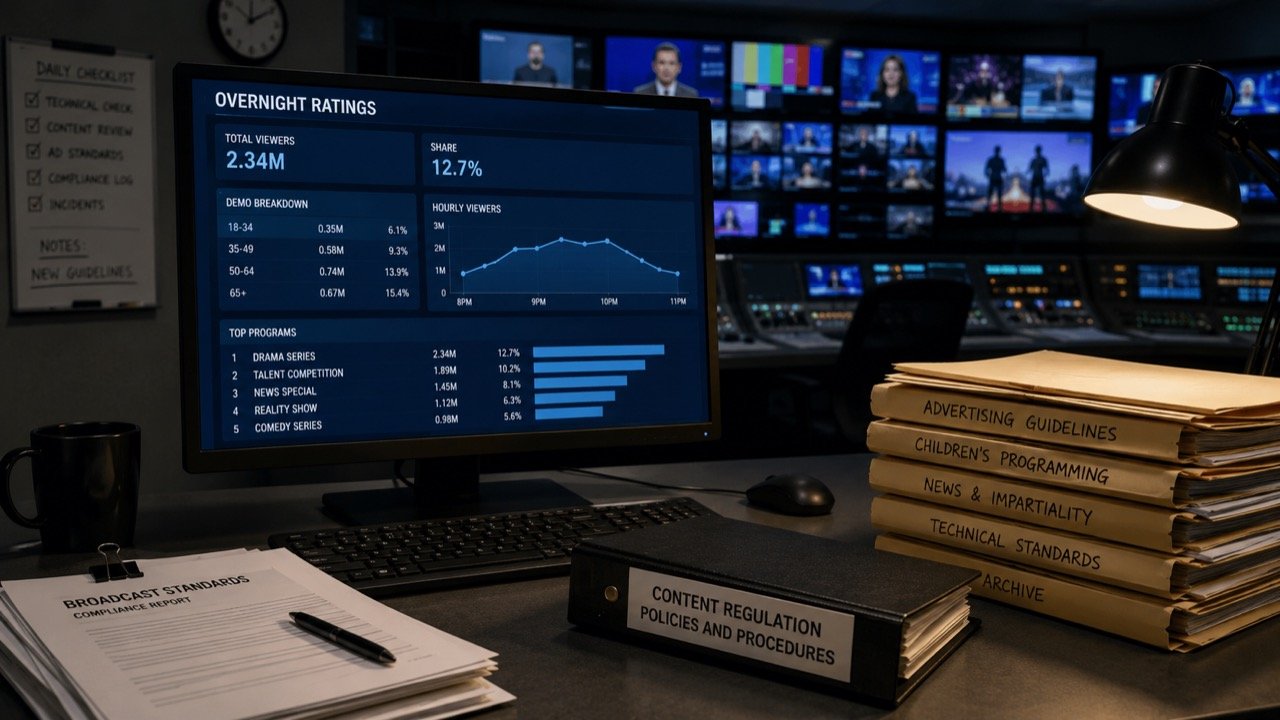
BARC Ratings Suspension Leaves Indian TV Industry Flying Blind
BARC's pause on television ratings has put India's broadcast measurement system under fresh scrutiny, leaving broadcasters, advertisers and media planners without the weekly audience data that anchors the TV economy.
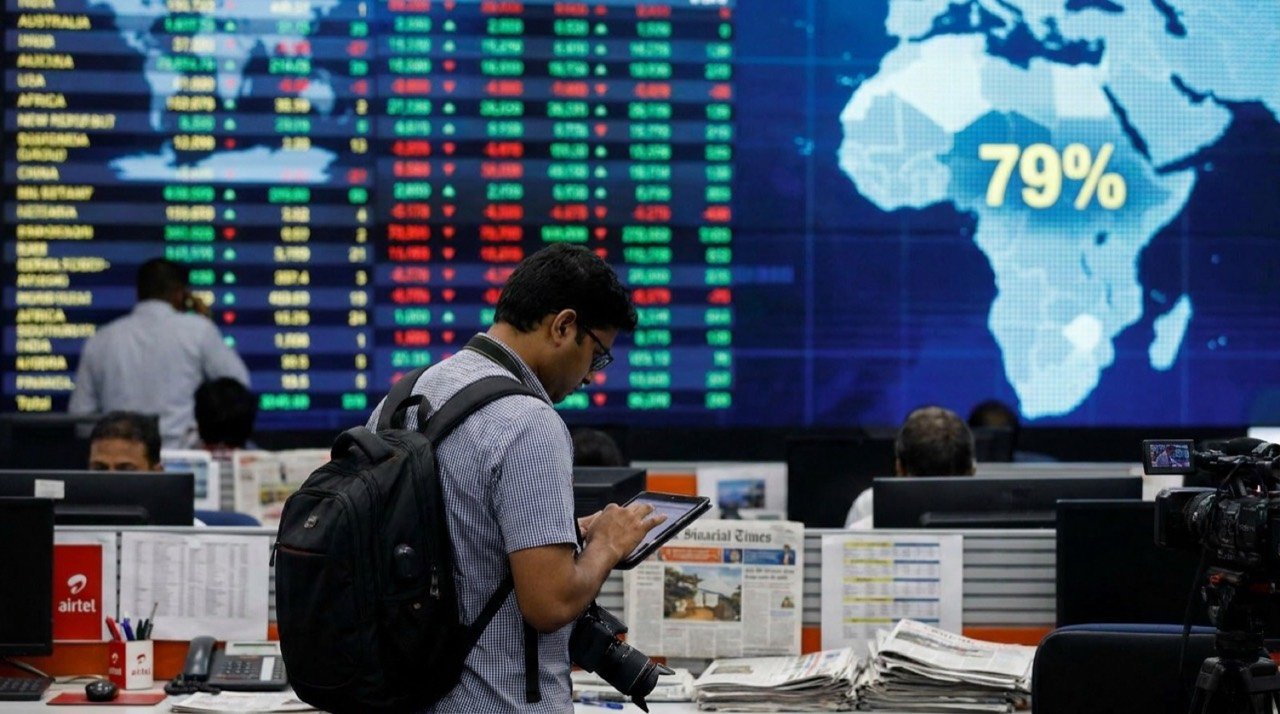
Bharti Airtel Raises Airtel Africa Stake to 79% in Rs 28,000 Crore Deal
Bharti Airtel has lifted its effective stake in Airtel Africa to about 79 percent via a Rs 28,000 crore-plus share swap with a promoter-group entity, tightening its grip on a key growth market.

Gold Prices Ease Across Indian Cities: What the July 4 Dip Means
Gold rates for 24-karat and 22-karat metal edged lower across Delhi, Mumbai, Bengaluru, Chennai and Hyderabad on July 4, offering a window for buyers weighing jewellery and investment purchases.
More from this section
More
Adani Case: US DOJ Pushes for Permanent Dismissal of Charges
The US Department of Justice has urged a judge to permanently dismiss charges against Gautam Adani, calling the case legally flawed — a reversal with consequences for markets, diplomacy and cross-border enforcement.

Akasa Air Inducts 40th Aircraft in Indian Aviation Scale-Up
Akasa Air's 40th aircraft, ferried to Bengaluru via Seattle, Reykjavik and Cairo, marks a fleet milestone for the young carrier and a fresh signal that India's aviation market remains firmly in expansion mode.
BARC Ratings Suspension Leaves Indian TV Industry Flying Blind
BARC's pause on television ratings has put India's broadcast measurement system under fresh scrutiny, leaving broadcasters, advertisers and media planners without the weekly audience data that anchors the TV economy.