India Extends Deepwater Oil and Gas Bid Deadline for the Sixth Time
India has pushed its deepwater and ultra-deepwater oil and gas block bid deadline to September 17, a sixth extension that highlights the challenge of luring capital into frontier offshore exploration.
Commentary & Analysis ·

India has once again extended the bidding deadline for its deepwater and ultra-deepwater oil and gas blocks, pushing the new cut-off to September 17, according to Economic Times and other energy-market reports. It is the sixth such extension since the latest round under the Open Acreage Licensing Programme opened in 2025, and the repetition is becoming a story in its own right. Each delay buys potential bidders more time, but it also raises questions about how readily investors are willing to commit to some of the most technically demanding acreage on offer.
Why the blocks matter
The extension carries weight because India is trying to reduce its heavy dependence on imported crude and gas while drawing exploration capital into difficult offshore terrain. Deepwater and ultra-deepwater blocks can hold significant long-term resource potential, and unlocking domestic reserves would ease the country's import bill and strengthen energy security.
But the prize is hard-won. These blocks demand high upfront investment, advanced technology and a tolerance for geological risk that not every operator is prepared to accept. The economics only work if companies are confident the rewards justify the exposure.
Reading the repeated delays
Six postponements suggest that prospective bidders are still weighing their options carefully rather than rushing in. The factors under scrutiny typically include fiscal terms, the quality and depth of geological data, the trajectory of global oil prices and the operating risk attached to frontier exploration.
When any of these variables looks uncertain, large investors tend to wait. Extending a deadline can be read two ways: as a pragmatic effort to widen participation, or as a signal that the current terms have not yet generated the level of interest policymakers hoped for.
The policy question
For policymakers, the core issue is whether licensing reforms alone are enough to bring major players into high-risk offshore exploration. Attractive geology means little if the commercial framework does not adequately reward the capital and technology required.
- The new bid deadline has been reported as September 17.
- It is the sixth extension since the round opened in 2025.
- Deepwater blocks need heavy investment, advanced technology and risk appetite.
- Fiscal terms, data quality and global oil prices weigh on bidder decisions.
- The pattern tests whether licensing reforms can attract frontier investors.
“Frontier offshore acreage rewards patience, but repeated extensions can just as easily signal that the terms are not yet compelling enough.”
— Energy-market analyst
Whether the September window finally draws firm commitments will reveal much about investor confidence in India's offshore ambitions. If the round still struggles to attract strong bids, attention is likely to shift from the calendar to the underlying terms, and to what more the government may need to offer to make deepwater exploration worth the plunge.
The NE Times View
Six extensions are not a scheduling quirk; they are a verdict. Investors are signalling that India's deepwater terms, pricing freedom and geological risk do not yet justify the capital. Tweaking deadlines will not fix that. If New Delhi is serious about cutting import dependence, it must offer the fiscal certainty and exit clarity that global majors demand before they commit to frontier offshore bets.
This article is original commentary and analysis by The NE Times. Background facts were referenced from Economic Times and Whalesbook.
You may also like to read

Gold Prices Ease Across Indian Cities: What the July 4 Dip Means
Gold rates for 24-karat and 22-karat metal edged lower across Delhi, Mumbai, Bengaluru, Chennai and Hyderabad on July 4, offering a window for buyers weighing jewellery and investment purchases.

India's LPG Imports From the US Set to Cross 1 Million Tonnes in June
India is on track to import over a million tonnes of US cooking gas in June as Middle East supply disruption pushes refiners to diversify and protect household cylinder security.

Uttar Pradesh Pushes for a Bigger Slice of India's Data-Centre Boom
Uttar Pradesh is targeting nearly nine percent of India's data-centre capacity, courting green AI campuses and large investment to challenge the dominance of Mumbai, Chennai and Bengaluru.
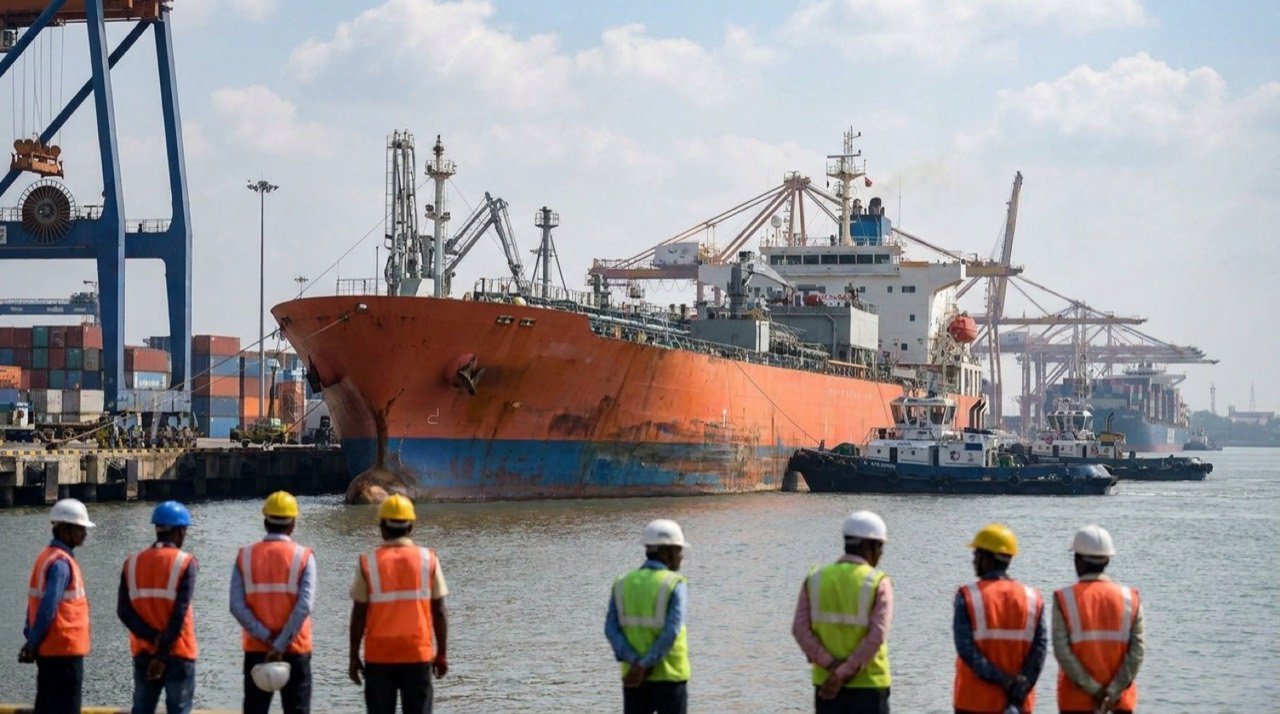
India Turns to US LPG as Middle East Supply Risks Sharpen
India is set to import more than one million tonnes of LPG from the United States in June as Middle East disruption pushes buyers to diversify, signalling a strategic shift in cooking-fuel sourcing and energy security.
More from this section
More
Adani Case: US DOJ Pushes for Permanent Dismissal of Charges
The US Department of Justice has urged a judge to permanently dismiss charges against Gautam Adani, calling the case legally flawed — a reversal with consequences for markets, diplomacy and cross-border enforcement.

Akasa Air Inducts 40th Aircraft in Indian Aviation Scale-Up
Akasa Air's 40th aircraft, ferried to Bengaluru via Seattle, Reykjavik and Cairo, marks a fleet milestone for the young carrier and a fresh signal that India's aviation market remains firmly in expansion mode.
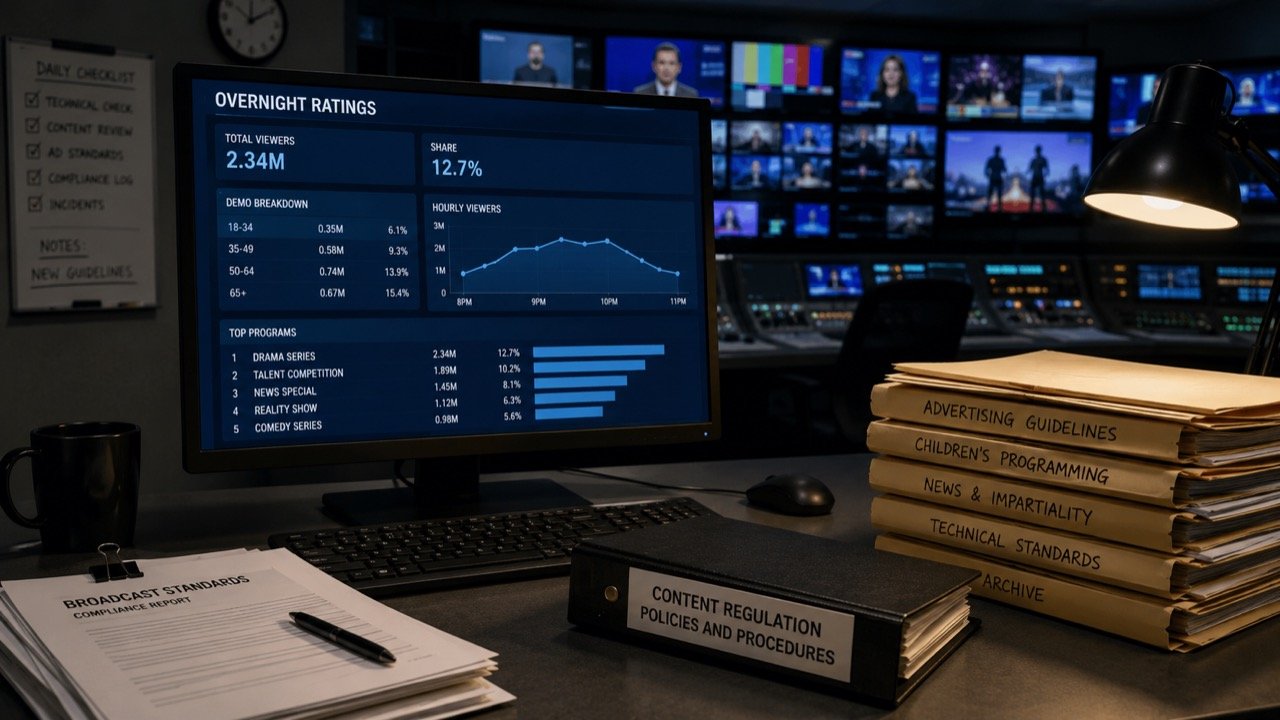
BARC Ratings Suspension Leaves Indian TV Industry Flying Blind
BARC's pause on television ratings has put India's broadcast measurement system under fresh scrutiny, leaving broadcasters, advertisers and media planners without the weekly audience data that anchors the TV economy.