India's Core Sector Growth Slows to a Seven-Month Low in May
India's eight core infrastructure industries grew just 0.5 percent in May, the weakest in seven months, as contractions in coal, crude oil and gas dragged on the index despite support from cement and steel.
Commentary & Analysis ·
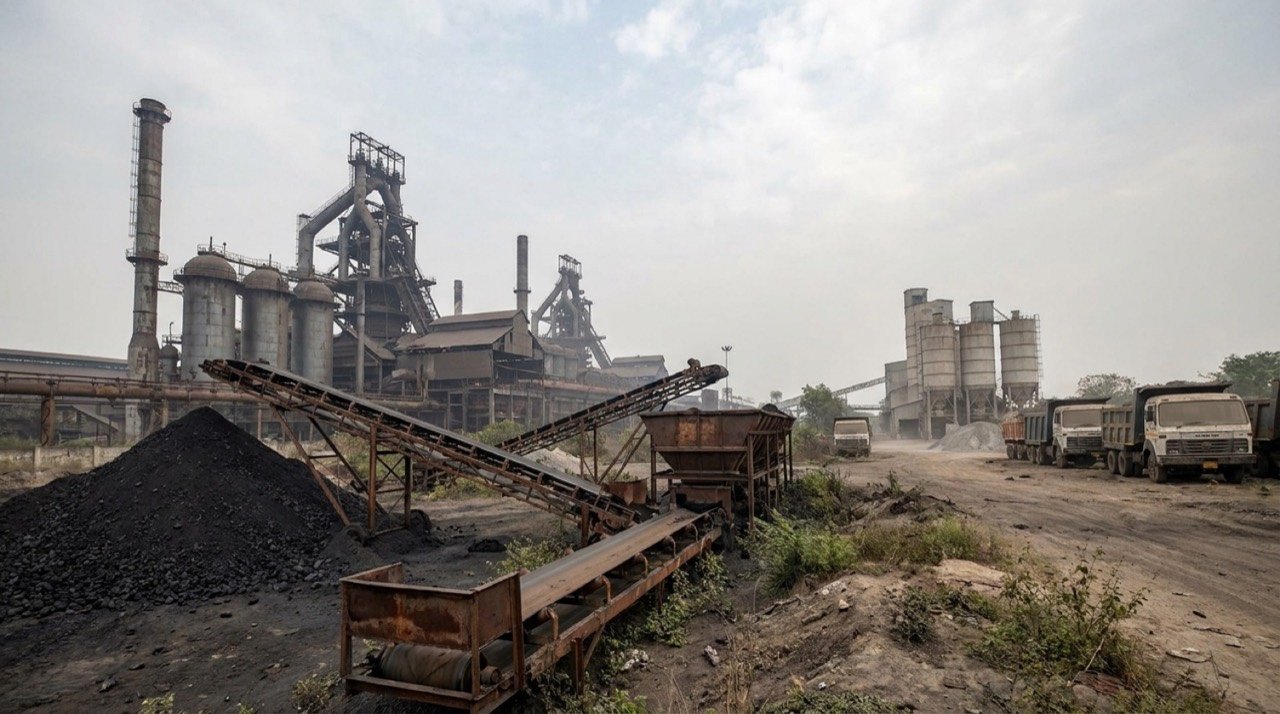
India's eight core infrastructure industries grew by just 0.5 percent in May, their slowest pace in seven months, according to official-data coverage. For a set of sectors that together form the backbone of the country's industrial economy and feed directly into broader output and demand measures, this marks a notable cooling. It is not, on its own, a crisis figure. But it is the kind of number that editors, economists and policymakers tend to circle in red, because the core sector rarely moves in isolation from the rest of the industrial economy.
What dragged the index down
The weakness in May was concentrated rather than broad-based. Contractions in coal, crude oil, natural gas and refinery products weighed heavily on the headline index, pulling the overall reading close to flat. These four segments carry substantial weight within the core-sector basket, so when they falter together, they tend to dominate the print even if other components are performing reasonably well. That appears to be exactly what happened here.
Offsetting some of that drag, cement, steel and electricity offered support. This is a meaningful detail, because it suggests that construction activity and power consumption, two of the more reliable proxies for on-the-ground economic momentum, continued to hold up even as the energy-linked components softened. In other words, the slowdown looks narrower than the headline 0.5 percent figure might first suggest, concentrated in energy extraction and refining rather than reflecting a broad retreat across industry.
Why the core sector matters
The eight core industries, coal, crude oil, natural gas, refinery products, fertilisers, steel, cement and electricity, account for a substantial share of the Index of Industrial Production. Because of that weighting, the core-sector reading is closely watched as a leading signal for industrial output as a whole, typically arriving ahead of the broader IIP release and giving analysts an early read on how the month is likely to shape up.
Beyond the headline number, the data offers a window into three things that matter well beyond factory floors: energy use, construction momentum and underlying demand. Coal and electricity output speak to how much power the economy is drawing, which in turn reflects manufacturing activity, household consumption and, increasingly, the pace of infrastructure build-out. Cement and steel are among the most direct proxies available for construction activity, whether that is housing, roads or public infrastructure projects. Crude oil, natural gas and refinery products speak to both domestic energy demand and the health of the refining and petrochemicals complex, a sector that is itself a significant contributor to exports and government revenue. Taken together, the core sector is less a single indicator than a bundle of them, which is precisely why a soft print draws attention even when no individual component looks alarming.
Reading the slowdown without overreacting
A single soft month does not, on its own, signal a sustained downturn. Core-sector figures can be volatile, swayed by base effects from the comparable month a year earlier, seasonal factors tied to weather and demand cycles, and shifts in global energy markets that affect crude and gas output independent of anything happening in the domestic economy. Refinery throughput, for instance, can dip because of planned maintenance shutdowns or global price dynamics rather than any weakening in Indian demand.
Still, a seven-month low is enough to draw attention, and analysts will now look to subsequent industrial-production and high-frequency data, things such as electricity demand trends, freight movement and purchasing managers' indices, to judge whether May was an anomaly or the start of a softer trend. The distinction matters enormously for how the number should be read. If energy-linked components rebound in June and July, May will likely be filed away as a one-off dip driven by base effects. If the contraction persists or deepens, it becomes harder to dismiss and starts to carry real implications for growth forecasts.
What it means for policymakers and markets
For now, the May figure adds a note of caution to the growth narrative without overturning it. Policymakers at the finance ministry and the Reserve Bank of India will likely treat this as one data point among many rather than as a trigger for immediate action, but it will feed into the broader mosaic of indicators used to calibrate monetary and fiscal policy in the months ahead. A sustained slowdown in core output would have knock-on implications for tax revenue, corporate earnings in cement, steel and energy, and the pace at which credit growth can be sustained in industrial lending.
Markets, for their part, tend to parse core-sector data alongside IIP and inflation releases rather than in isolation. A soft core print combined with resilient cement and steel numbers is unlikely to move sentiment sharply, but it will sharpen focus on the upcoming IIP release and on how energy demand behaves through the summer months, when electricity consumption typically rises with cooling demand. Whether the core sector's softness hardens into a trend will depend heavily on how the energy segments recover and how the wider industrial economy performs from June onward.
The NE Times View
Half a percent core growth, the weakest in seven months, is a flag rather than a fire. Contractions in coal, crude and gas hint at softening energy demand and base effects, even as cement and steel suggest construction still has legs. Core output leads the broader industrial picture, so this bears watching for whether it is a blip or a trend. Policymakers should read it as a nudge to sustain capital expenditure, not a signal to panic. The composition of the slowdown, energy-heavy rather than broad-based, is arguably more informative than the headline number itself, and it is the composition that deserves the closer attention from analysts and officials alike in the weeks ahead.
Key takeaways
- India's eight core infrastructure industries grew just 0.5 percent in May, the slowest pace in seven months.
- Coal, crude oil, natural gas and refinery products contracted, dragging the headline index down, while cement, steel and electricity provided offsetting support.
- The core sector's substantial weight in the Index of Industrial Production makes it a closely watched leading signal for broader industrial output.
- Volatility from base effects, seasonal factors and global energy markets means a single soft month is not conclusive evidence of a sustained downturn.
- Subsequent industrial-production and high-frequency data will determine whether May's weakness was an anomaly or the start of a softer trend.
You may also like to read

India's June Private Sector PMI Slows to a Three-Month Low
India's private sector kept expanding in June but at its weakest pace in three months, as softer demand and cooler business confidence struck a more cautious note across services and manufacturing.
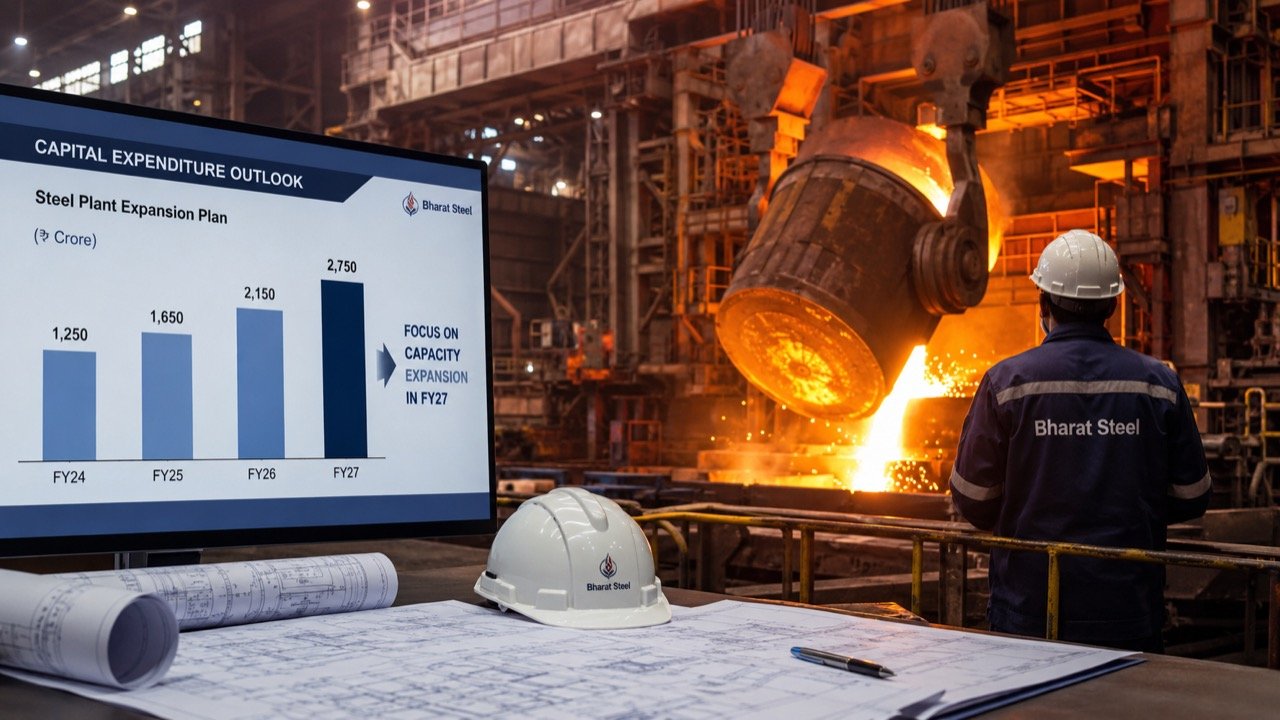
Tata Steel Plans Rs 20,000 Crore FY27 Capex for India Growth
Tata Steel's roughly Rs 20,000 crore capital spending plan for FY27 signals sustained confidence in Indian steel demand, even as execution risks, raw-material costs and emissions pressures loom over the sector.
India Advances Rs 19,700 Crore Carbon Capture Scheme for Hard-to-Abate Sectors
India is moving ahead with a proposed Rs 19,700 crore carbon capture, utilisation and storage support scheme aimed at cutting emissions from steel, cement, power and refining.

India's Russian Crude Imports May Hit Record June Share
India's Russian crude imports could touch a record high in June, with Moscow supplying nearly half of total purchases until June 20, as discounts and shifting supply reshape the energy basket.
More from this section
More
Adani Case: US DOJ Pushes for Permanent Dismissal of Charges
The US Department of Justice has urged a judge to permanently dismiss charges against Gautam Adani, calling the case legally flawed — a reversal with consequences for markets, diplomacy and cross-border enforcement.

Akasa Air Inducts 40th Aircraft in Indian Aviation Scale-Up
Akasa Air's 40th aircraft, ferried to Bengaluru via Seattle, Reykjavik and Cairo, marks a fleet milestone for the young carrier and a fresh signal that India's aviation market remains firmly in expansion mode.
BARC Ratings Suspension Leaves Indian TV Industry Flying Blind
BARC's pause on television ratings has put India's broadcast measurement system under fresh scrutiny, leaving broadcasters, advertisers and media planners without the weekly audience data that anchors the TV economy.