Health Insurance: Why Hospital Cashless Status Matters Before You Buy
Whether a hospital sits inside an insurer's cashless network can decide if a family pays lakhs upfront during an emergency or walks in with paperwork alone, making it a first-order question for policy buyers.
The NE Times Health Desk
Commentary & Analysis ·
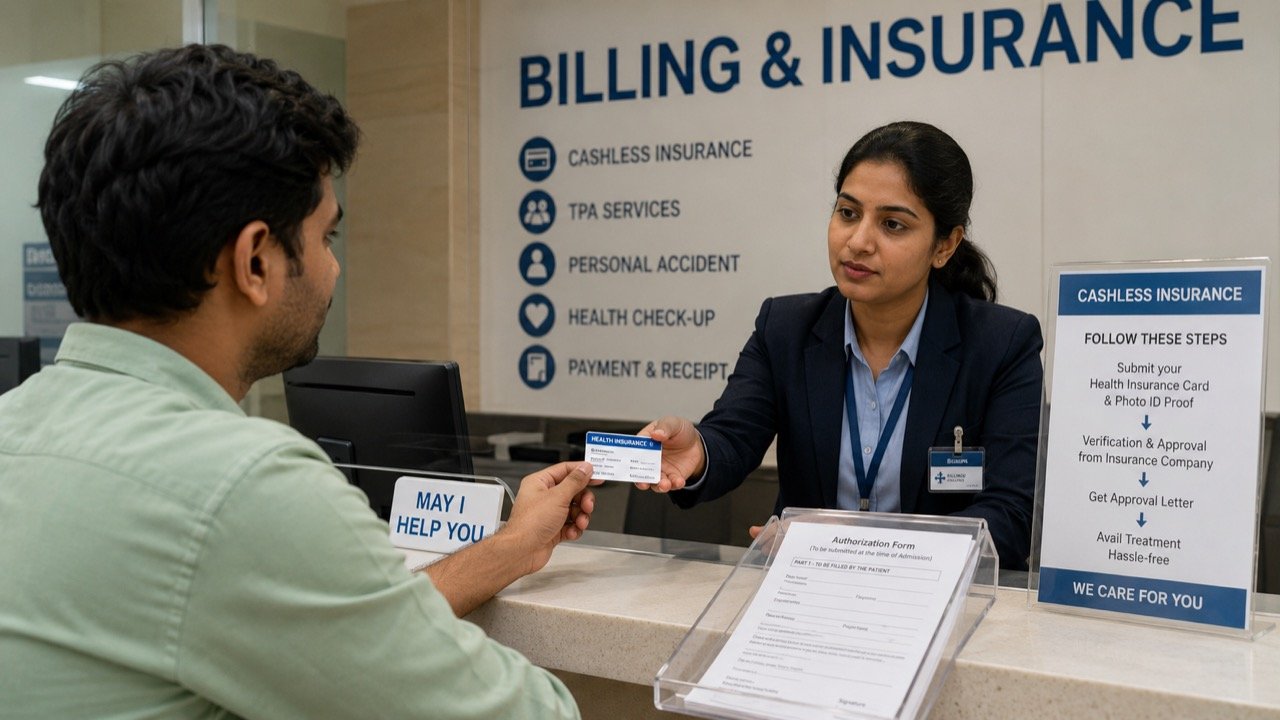
A hospital's cashless status is emerging as one of the most practical questions a health insurance buyer can ask. The distinction is simple but decisive: if a hospital is part of an insurer's cashless network, the insurer settles the bill directly, sparing policyholders from paying large sums upfront and chasing reimbursement afterwards.
Why it matters most in an emergency
Business Standard's personal-finance coverage highlighted why buyers should confirm network-hospital status before choosing a policy or planning treatment. In a medical emergency, the gap between cashless admission and a reimbursement claim is not academic — it shapes the family's stress levels, the paperwork burden and sometimes the speed of access to care itself.
Insurance is no longer just about the premium
The broader shift is that health cover can no longer be bought on price alone. Claim settlement ratios, policy exclusions, room-rent limits, waiting periods and the breadth of the hospital network all determine how useful a policy feels at the moment of need. Cashless access sits at the centre of that checklist because it is the feature a family actually experiences at the hospital counter.
The practical advice is to verify the insurer's latest network hospital list directly — from the insurer, not a months-old brochure — because networks change as hospitals and insurers renegotiate terms.
The NE Times View
Cashless networks are where the promise of health insurance either holds or breaks, and Indian buyers are right to make them a first filter. But the burden should not rest on consumers alone: insurers must publish updated, searchable network lists, and hospitals that exit a network mid-year should be required to say so prominently. Until standardised cashless-everywhere arrangements mature into everyday reality, the family that checks the network before an emergency will always fare better than the one that discovers the fine print in a hospital lobby. Ten minutes of verification today can be worth lakhs tomorrow.
This article is original commentary and analysis by The NE Times. Background facts were referenced from Business Standard.
You may also like to read
Young India Walks Away From the Savings Account as SIP Inflows Hit Record Highs in 2026
Monthly SIP inflows have surged past record levels and active accounts near 10 crore, as a generation of young Indians treats savings accounts as liquidity tools and turns to market-linked wealth creation.

The Lifestyle Inflation Trap: How Young India Is Trying to Save in 2026
With rising rents and living costs cited as the biggest savings hurdle, financial planners say automating savings and resisting lifestyle creep matter more than ever for under-30s.
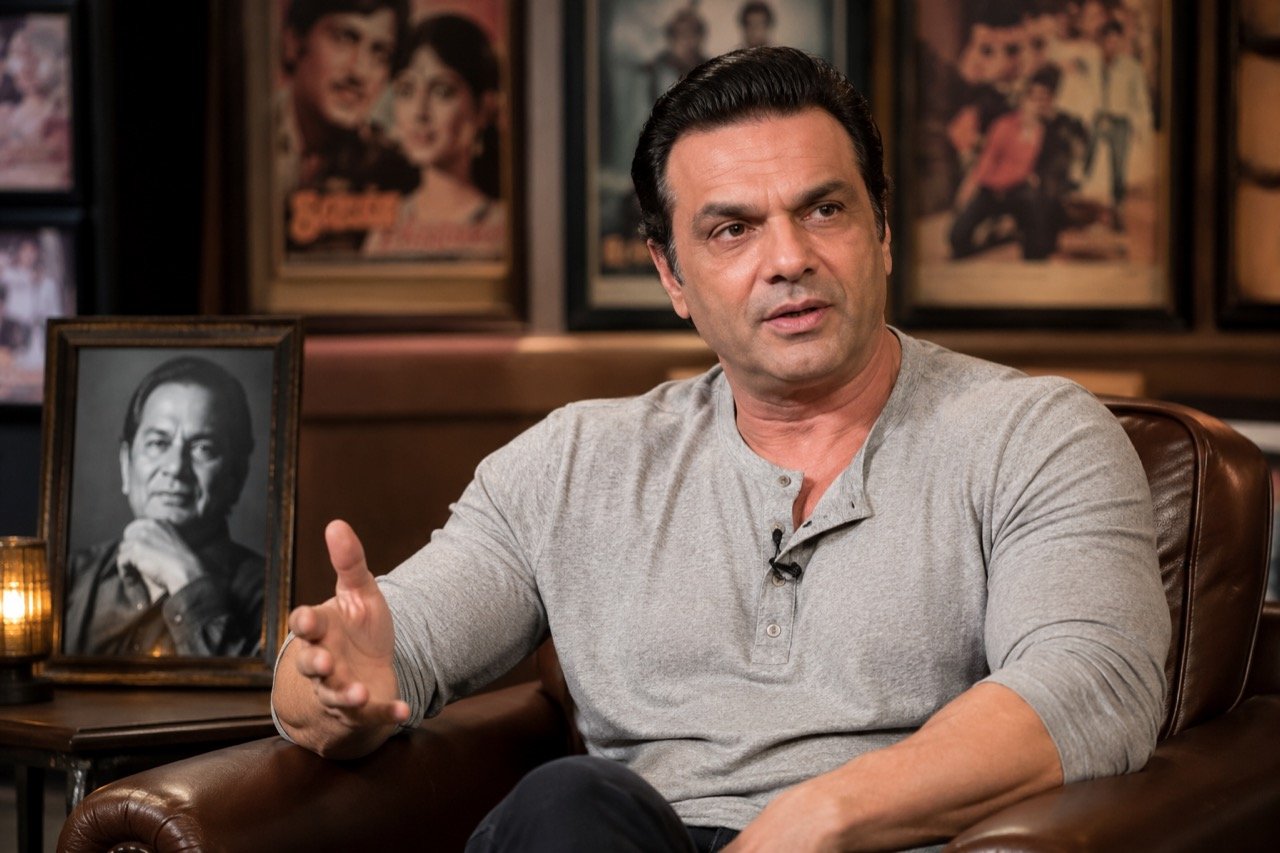
Sohail Khan Recalls Salim Khan Health Scare That Shook the Family
Sohail Khan's emotional account of doctors warning the family they could lose screenwriter Salim Khan during a semi-coma episode has become one of Bollywood's most reflective stories of the day.
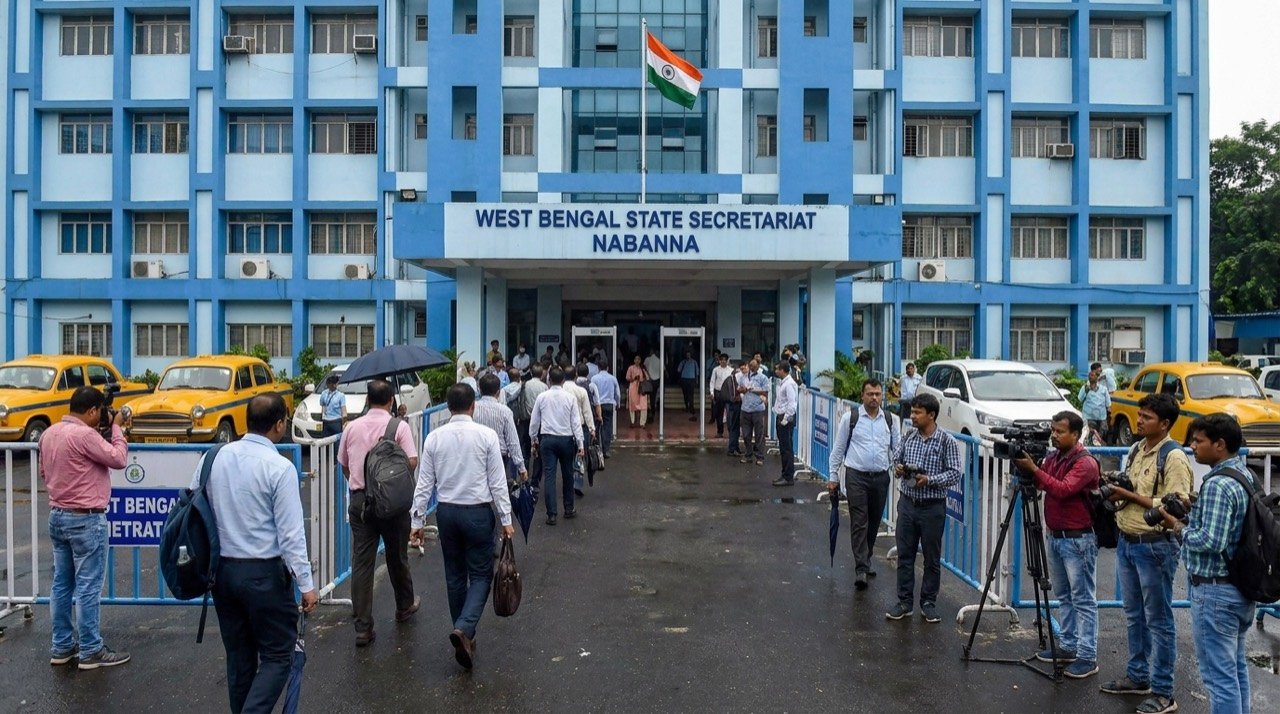
Bengal's New BJP Government Rolls Out First Policy Wave: Women's Schemes, Pay Panel, UCC Pledge
Chief Minister Suvendu Adhikari's BJP government moved quickly after ending Trinamool's 15-year rule, doubling women's assistance, ordering a pay commission and committing to a Uniform Civil Code within six months.
More from this section
More
Jharkhand Teen Dies During Fracture Treatment; CM Orders Probe
The death of a Jharkhand teenager during treatment for a reported fracture has led to family allegations of medical negligence and an official probe ordered by the Chief Minister into what went wrong.
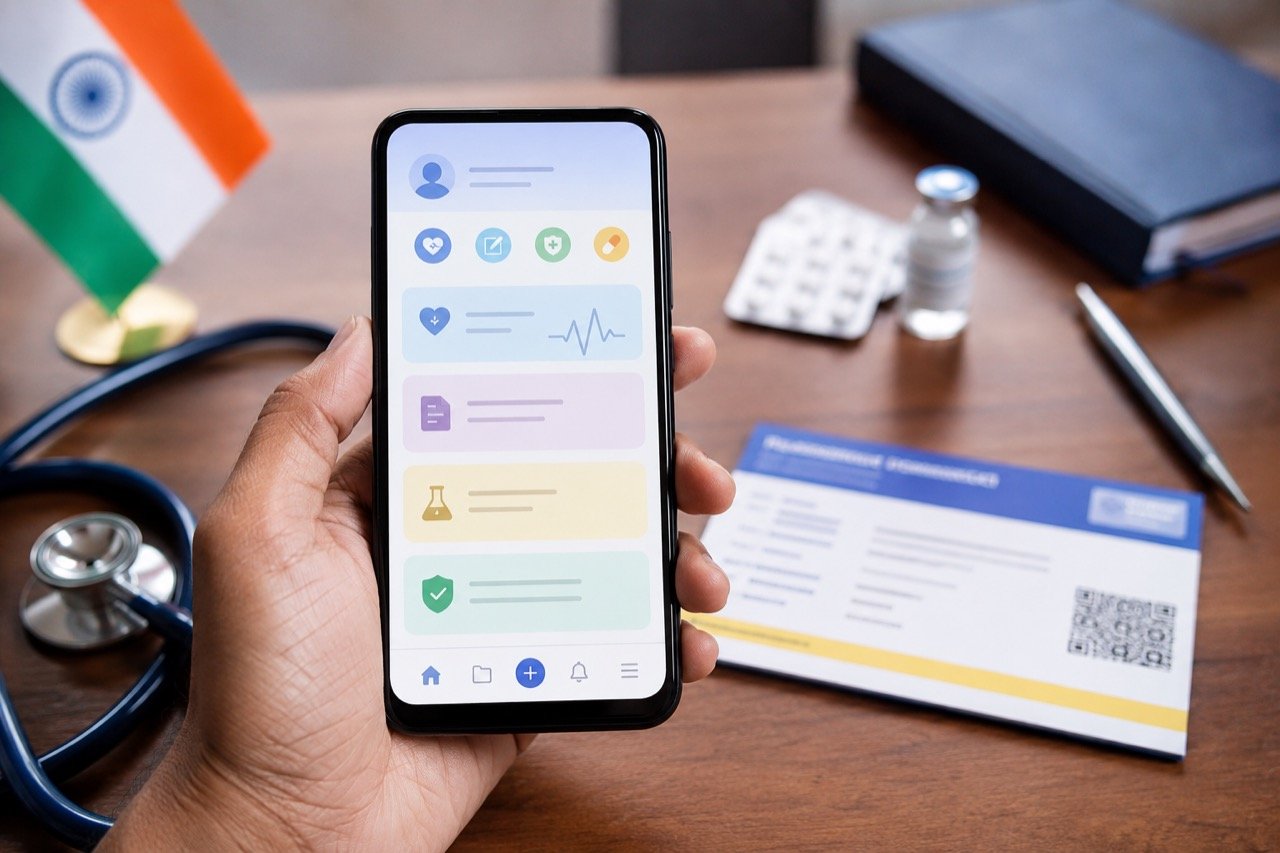
Aarogya Setu 2.0 Returns as India's Personal Health Record App
The pandemic-era contact tracing app has been relaunched as a personal health record platform, betting that portable medical data can find a place in India's growing digital health ecosystem.
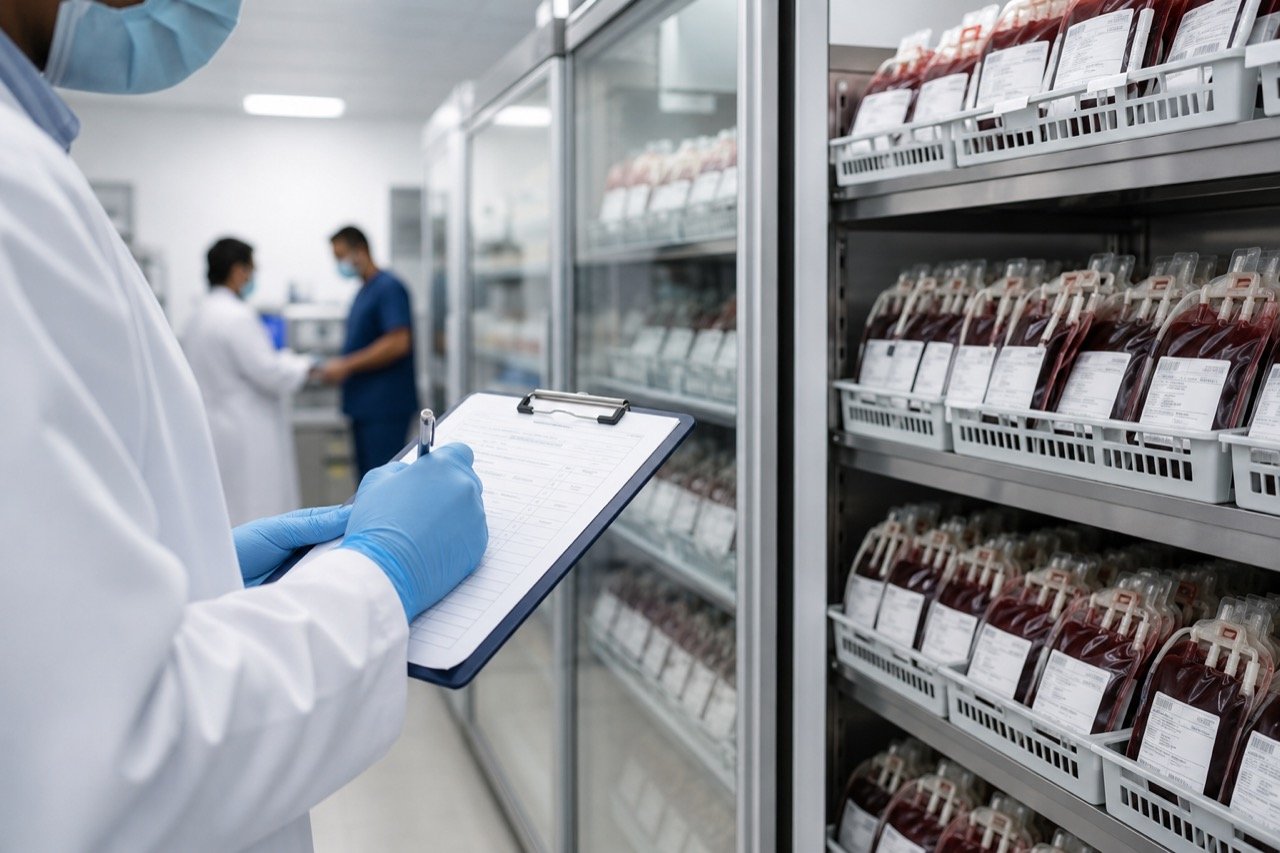
Maharashtra Orders Statewide Blood Centre Checks After FDA Shutdowns
After the Food and Drug Administration shut two blood centres, Maharashtra has ordered inspections of every facility in the state, putting blood-bank safety, licensing and public trust in health infrastructure under fresh scrutiny.