Gujarat Reworks Land Compensation Rules for Power Transmission
Gujarat has revised its land compensation policy for power transmission projects, a move that could ease landowner disputes and speed the grid expansion India's energy transition depends on.
The NE Times Business Desk
Commentary & Analysis ·
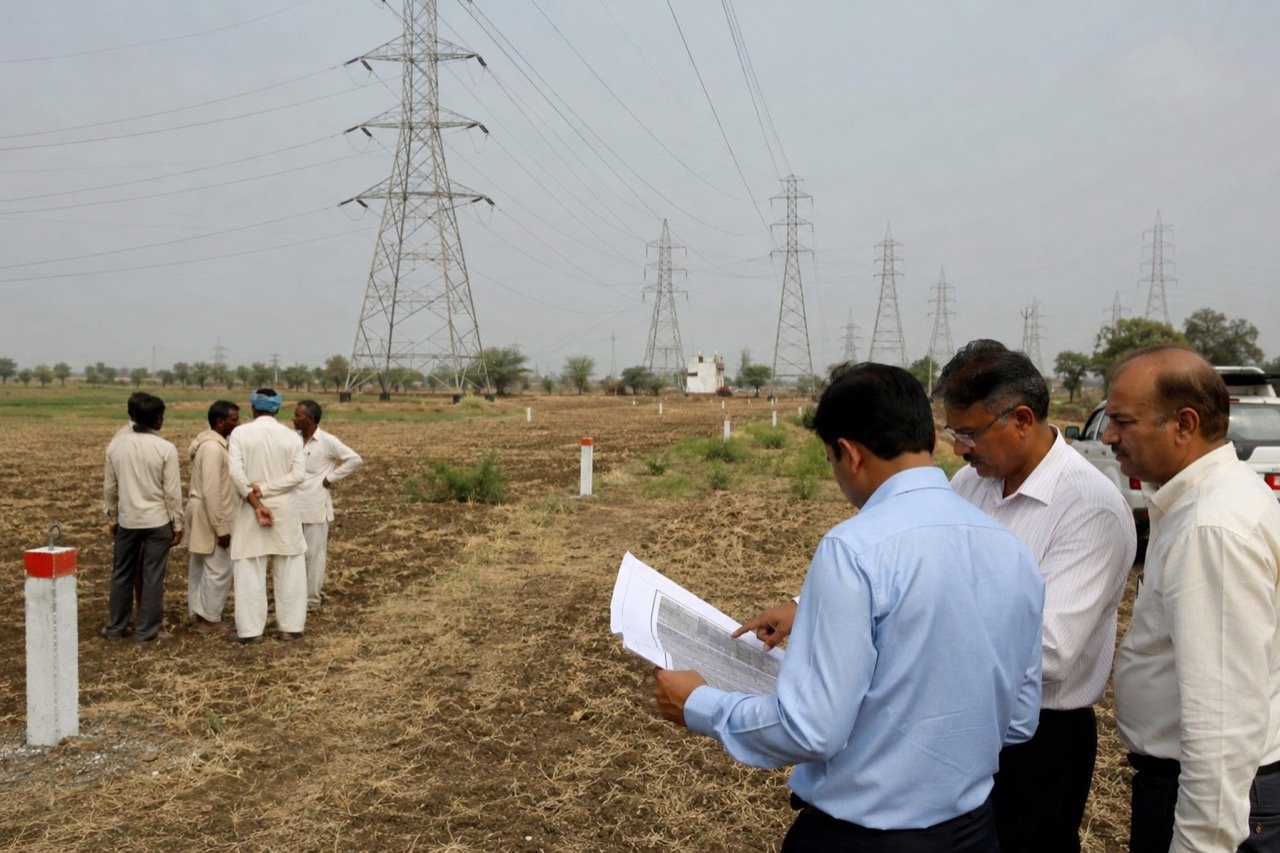
Gujarat has reportedly revised its land compensation policy for power transmission projects, addressing one of the most persistent friction points in energy infrastructure: how to string lines across farms and private land while treating landowners fairly.
Why transmission depends on land deals
Transmission lines carry electricity from generation sites to homes, industries and cities, but building them requires land access, tower foundations, right-of-way permissions and construction across privately held plots. Compensation rules therefore shape both how fast projects move and how willingly communities accept them.
The stakes for India's energy transition
India is expanding renewable generation, industrial power demand and grid capacity simultaneously, and without matching transmission upgrades, new generation capacity can sit stranded. For landowners, though, compensation is no technical footnote: they want clarity on payment, crop and property damage, access restrictions and long-term impacts on their land.
The details of the revised policy will determine its effect — eligibility criteria, compensation rates, dispute-resolution mechanisms, and whether the rules differ by tower location or corridor use. A transparent, timely and consistently applied framework can cut disputes significantly; a vague one merely relocates them to the courts.
The NE Times View
Gujarat's revision matters well beyond one state, because India's clean-energy ambitions are increasingly bottlenecked not by solar parks or wind farms but by the wires between them and consumers. Every stalled right-of-way negotiation is a stranded megawatt. If Gujarat's new rates and processes genuinely give farmers predictable, prompt payment, other states should copy the template quickly. The deeper principle is that landowners are stakeholders in the energy transition, not obstacles to it — and policies that price their cooperation fairly will build the grid faster than any amount of compulsory acquisition.
This article is original commentary and analysis by The NE Times. Background facts were referenced from Hindustan Times India News.
You may also like to read

PM Modi Launches Over Rs 22,600 Crore Of Projects In Gujarat And Daman
On a single-day visit, the Prime Minister inaugurated and laid foundation stones for projects spanning highways, power transmission, ports and healthcare worth more than Rs 22,600 crore.
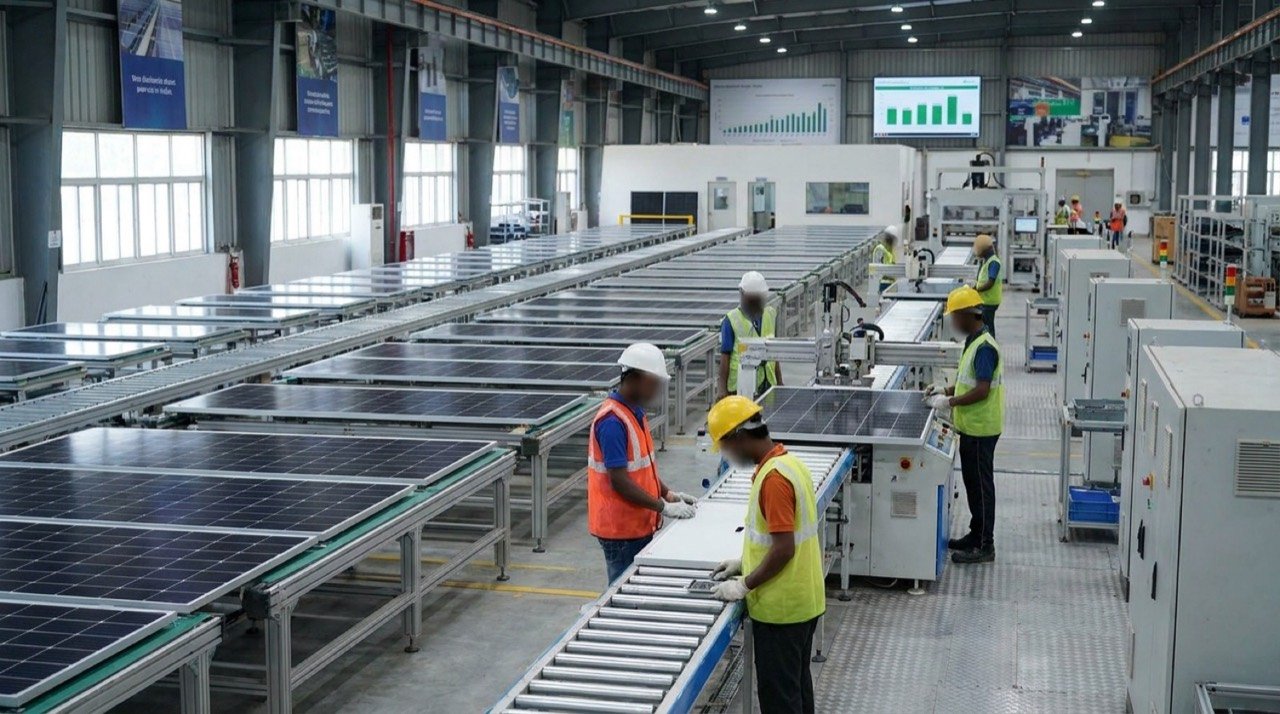
India Extends ALMM Solar Manufacturing Rules to Wafers and Ingots From 2028
New Delhi will widen its Approved List of Models and Manufacturers framework to cover solar wafers and ingots from June 2028, pushing deeper into the supply chain to cut reliance on China.
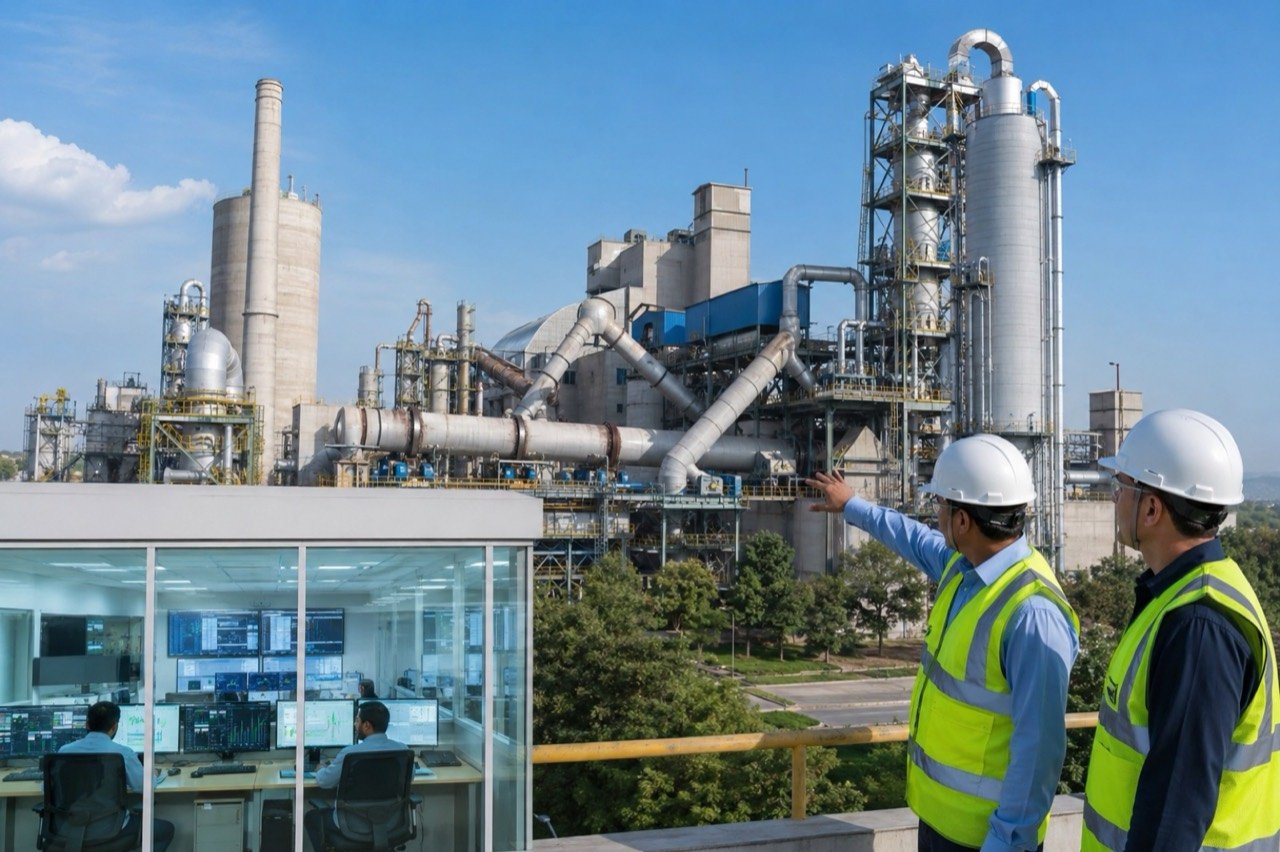
Ambuja Cements Partners UK's Leilac for Low-Carbon Cement Project in Gujarat
Ambuja Cements has tied up with British clean-tech firm Leilac to build a commercial-scale low-carbon cement pathway at its Sanghipuram plant in Kutch, targeting one of India's hardest-to-abate industries.

Monsoon Marches North: IMD Flags Heavy Rain for Gujarat to Punjab
The southwest monsoon is set to push into Gujarat, Punjab, Haryana and Rajasthan, with the IMD warning of extremely heavy rainfall over Konkan and Gujarat between July 4 and 7.
More from this section
More
Assam Estate Sells India's First Home-Grown Matcha Batch
An Assam tea estate has sold the first batch of India-made matcha, a small-volume but symbolically significant step as the country's tea industry hunts for premium products and new consumers.

Board of Trade Meets as Exporters Press on FTAs and GST Refunds
Commerce Minister Piyush Goyal chaired a Board of Trade meeting where exporters pushed for faster GST refunds, lower logistics costs and workable free trade agreements amid global demand uncertainty.
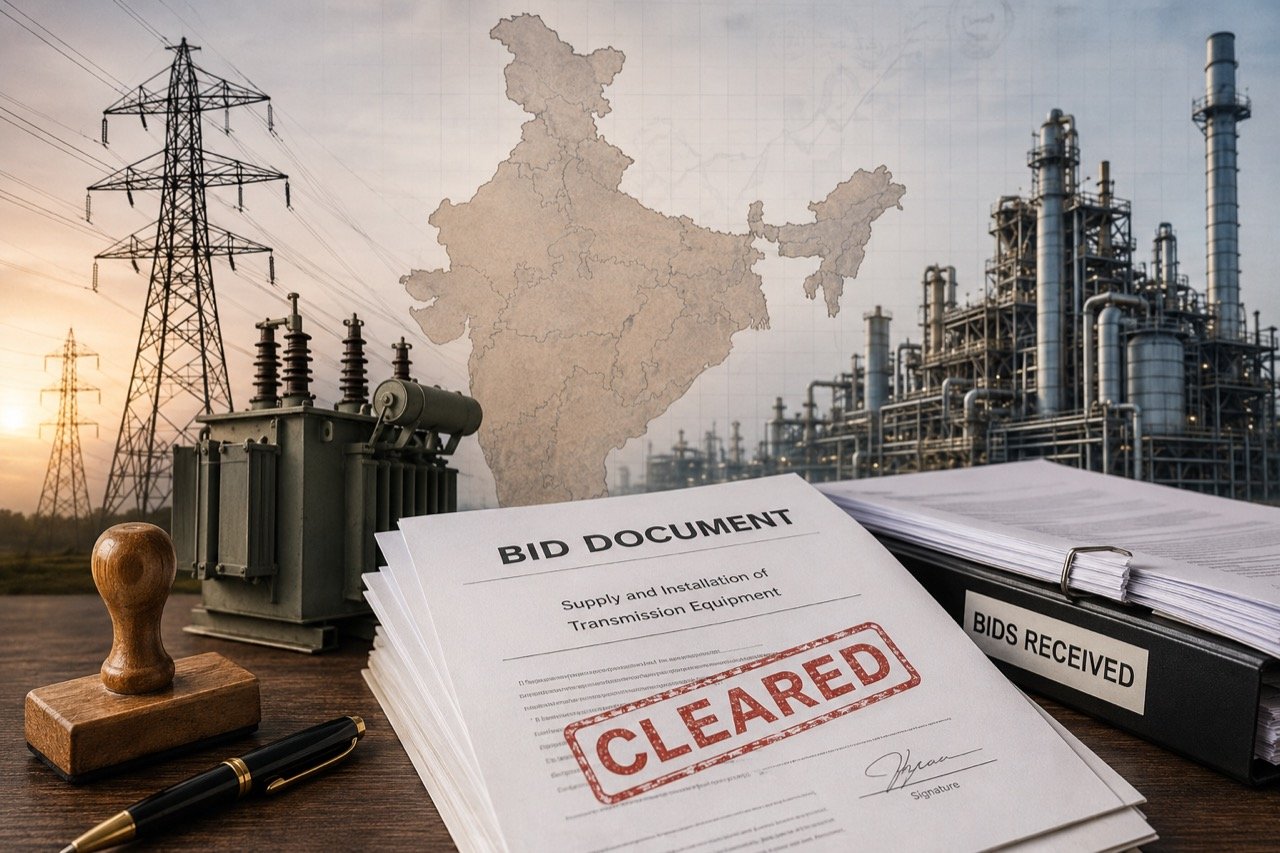
Four Chinese Firms With Indian Plants Cleared To Bid For Power Work
Four Chinese companies operating factories in India have reportedly been cleared to bid for power projects, a calibrated move that balances security screening against the country's manufacturing and infrastructure needs.