Four Chinese Firms With Indian Plants Cleared To Bid For Power Work
Four Chinese companies operating factories in India have reportedly been cleared to bid for power projects, a calibrated move that balances security screening against the country's manufacturing and infrastructure needs.
The NE Times Business Desk
Commentary & Analysis ·
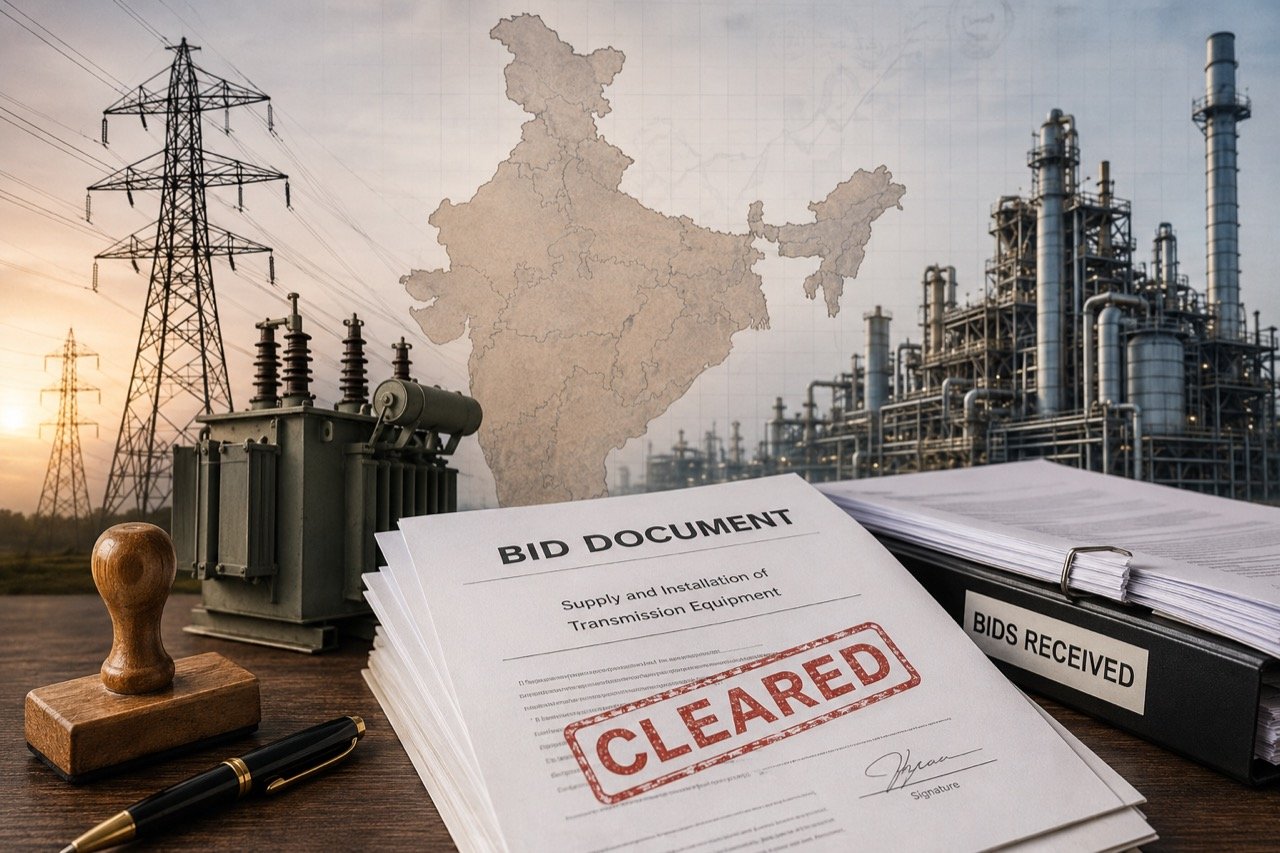
Four Chinese firms that operate factories in India have reportedly been cleared to bid for power projects, a development that sits squarely at the intersection of infrastructure needs, supply-chain policy and India's heightened scrutiny of foreign-linked companies.
The clearance matters because power projects live or die on equipment, technology and execution timelines, and Chinese manufacturers remain deeply embedded in the global supply chain for such hardware.
A calibrated opening, not a policy reversal
Since tightening its review of companies from countries sharing a land border, India has screened investment and procurement in sensitive sectors with particular care. Clearing firms that manufacture within India suggests a calibrated approach: participation becomes possible where local production, compliance and security vetting meet the government's bar.
It would be a mistake to read the move as either blanket approval of Chinese participation or a geopolitical thaw. The stronger reading is procedural: specific firms have reportedly passed a specific gate, and that changes the competitive maths for upcoming tenders.
What it could mean for the power sector
More qualified bidders generally means keener pricing and, potentially, faster project timelines. The real tests come later: tender outcomes, and whether local manufacturing commitments actually translate into jobs, technology transfer and reliable equipment supply.
The NE Times View
India is trying to hold two legitimate objectives in tension: securing critical power infrastructure against foreign leverage, and building it fast and cheaply enough to meet surging demand. Conditioning market access on factories located on Indian soil is a defensible middle path, because local plants create jobs and give regulators physical jurisdiction. But the screening must stay rigorous after clearance, not just before it — grid equipment is a long-lived asset, and cyber and supply dependencies emerge over years, not at the bidding stage. The clearance is a gateway; sustained oversight and project performance are the real test.
This article is original commentary and analysis by The NE Times. Background facts were referenced from Indian Express.
You may also like to read

Gadkari Opens Northeast Infrastructure Summit, Announces 50,000-Crore-Rupee Projects
Inaugurating NEIINFRA 2026 in Shillong, the Road Transport Minister unveiled a slate of projects spanning highways, aviation, ports and tourism aimed at accelerating development across the region.
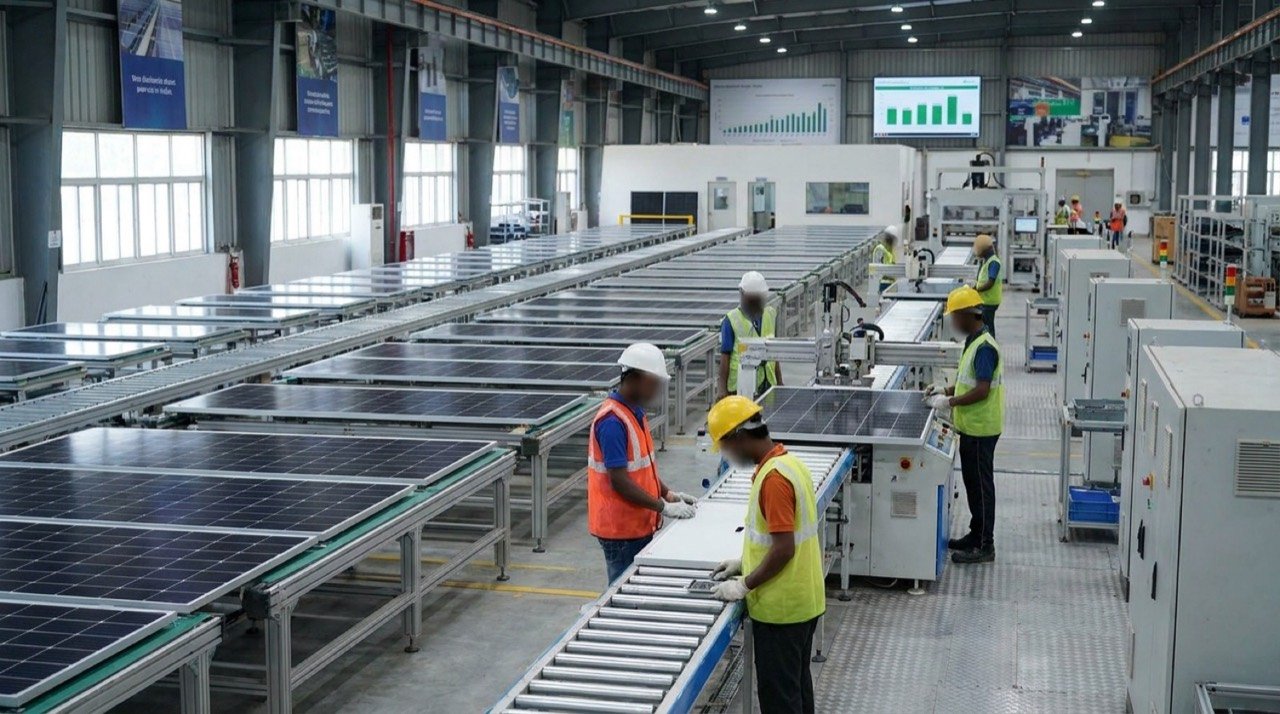
India Extends ALMM Solar Manufacturing Rules to Wafers and Ingots From 2028
New Delhi will widen its Approved List of Models and Manufacturers framework to cover solar wafers and ingots from June 2028, pushing deeper into the supply chain to cut reliance on China.
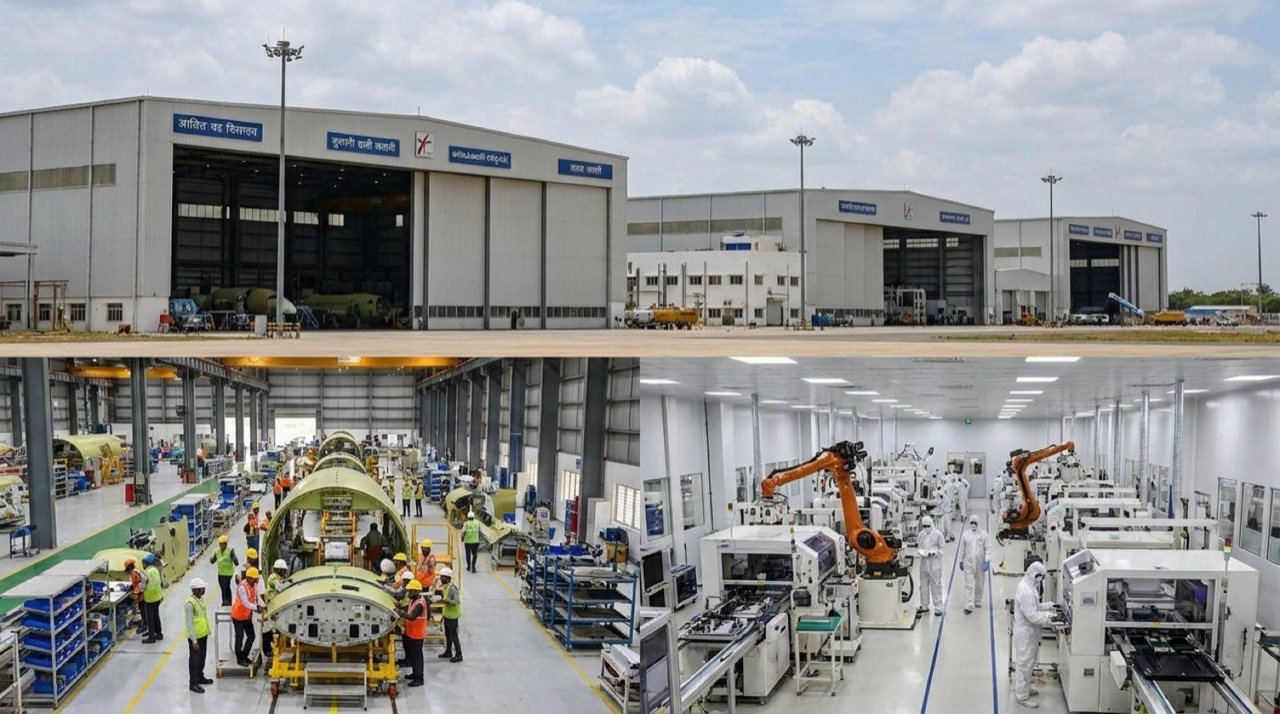
Seven Defence Manufacturing Clusters Put India's Self-Reliance Push in Focus
India is reportedly planning seven defence manufacturing clusters to deepen domestic capability, cut import dependence and strengthen supply chains across aerospace, electronics and land systems.
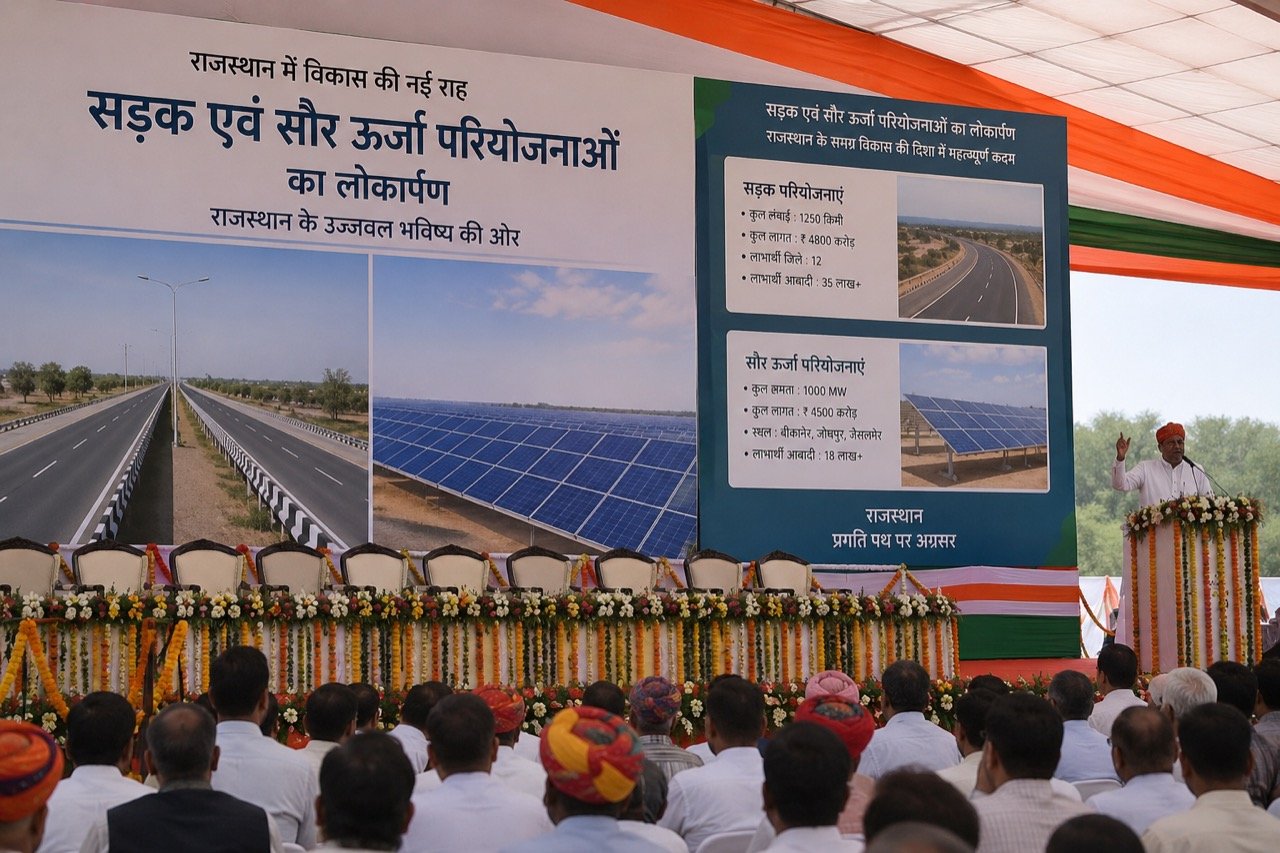
Modi's Balotra Push: Rs 1.06 Lakh Crore Projects and Energy Message
Prime Minister Narendra Modi's visit to Balotra in Rajasthan paired development projects worth around Rs 1.06 lakh crore with remarks crediting India's diplomacy for steering the country through West Asia-linked energy pressures.
More from this section
More
Assam Estate Sells India's First Home-Grown Matcha Batch
An Assam tea estate has sold the first batch of India-made matcha, a small-volume but symbolically significant step as the country's tea industry hunts for premium products and new consumers.

Board of Trade Meets as Exporters Press on FTAs and GST Refunds
Commerce Minister Piyush Goyal chaired a Board of Trade meeting where exporters pushed for faster GST refunds, lower logistics costs and workable free trade agreements amid global demand uncertainty.

Gold Prices Ease Across Indian Cities: What the July 4 Dip Means
Gold rates for 24-karat and 22-karat metal edged lower across Delhi, Mumbai, Bengaluru, Chennai and Hyderabad on July 4, offering a window for buyers weighing jewellery and investment purchases.