Centre Tightens FCRA Rules For NGOs Receiving Foreign Funds
India has amended its Foreign Contribution Regulation Act rules, adding disclosure and compliance demands for NGOs taking overseas donations and excluding proselytisation from permitted faith-based activity.
Commentary & Analysis ·

The Centre has amended the rules under the Foreign Contribution Regulation Act (FCRA), introducing a fresh layer of disclosure and compliance obligations for the thousands of NGOs, trusts and associations in India that receive donations from abroad. The changes sharpen how organisations must declare their purpose, where they operate and who runs them, while drawing a clearer line around faith-based work.
What the amended rules require
Under the revised norms, applicants seeking FCRA registration, renewal or prior permission must specify their stated purpose and the states in which they intend to operate. The definition of a key functionary has been widened, and new conditions have been added around an organisation's spending history and the involvement of foreign nationals in management. For faith-based categories, the rules permit certain religious activity but explicitly exclude proselytisation or religious conversion from the scope of what foreign-funded charitable work may cover.
Reports from Hindustan Times, India Today, Onmanorama and Mint noted that the package also touches on donor transparency and disclosure obligations, signalling the government's intent to track foreign money more granularly than before.
Why it matters
FCRA governs a vast ecosystem: charities, educational bodies, religious trusts, research institutions and public-interest organisations that rely on overseas grants. The Act has long been a flashpoint, with successive tightening of rules reshaping who can legally accept foreign funds. Supporters of the new measures argue that clearer purposes, state-wise declarations and spending thresholds will improve accountability and make it harder to misuse foreign contributions.
Concerns for smaller organisations
Critics and sector watchers are likely to focus on the practical burden. Smaller grassroots NGOs, which often run on thin administrative capacity, may struggle with heavier paperwork, tighter documentation and the risk of delays in registration or renewal. The careful separation between permitted faith-linked activity and conversion-related work may also create grey areas that invite disputes.
- Applicants must specify their purpose and the states where they will operate.
- The definition of key functionary has been broadened.
- New conditions apply to spending history and foreign nationals in management.
- Faith-based categories exclude proselytisation and religious conversion.
- Donor transparency and disclosure requirements have been strengthened.
“Proselytisation has been excluded from the faith-based activities that foreign-funded organisations may carry out under the amended rules.”
— Reported summary of the FCRA amendments
The immediate takeaway for the sector is operational: organisations will need cleaner governance records, sharper documentation of how funds are spent, and a clear demarcation of activities. Whether the changes deliver the promised accountability without choking smaller players will depend on how flexibly the Home Ministry processes applications in the months ahead.
The NE Times View
Transparency over foreign funds flowing to NGOs is a legitimate state interest, and clearer disclosure can strengthen public trust in civil society. But FCRA has too often been wielded as a compliance cudgel to choke inconvenient voices, and excluding proselytisation invites contested, subjective enforcement. The line between accountability and harassment is thin here. The rules should be judged by whether they target genuine wrongdoing or simply raise the cost of dissent.
This article is original commentary and analysis by The NE Times. Background facts were referenced from Hindustan Times and Mint.
You may also like to read

Centre Amends FCRA Rules for Foreign-Funded Organisations
The Home Ministry has tightened FCRA reporting on foreign nationals among key functionaries, raising the compliance bar for NGOs, charities and research bodies that take overseas funds.

Government Revises FCRA Penalties for Foreign-Funded NGOs
The Union government has revised penalties under the Foreign Contribution Regulation Act, tightening compliance rules for organisations receiving foreign funds, including violations such as breaching permitted administrative-expense limits.

FCRA Rule Changes Put NGO Foreign Funding Under Sharper Scrutiny
Amended FCRA rules will require NGOs to specify why they seek foreign funds, where they operate and who controls them, while excluding proselytisation from permitted faith-based activities.
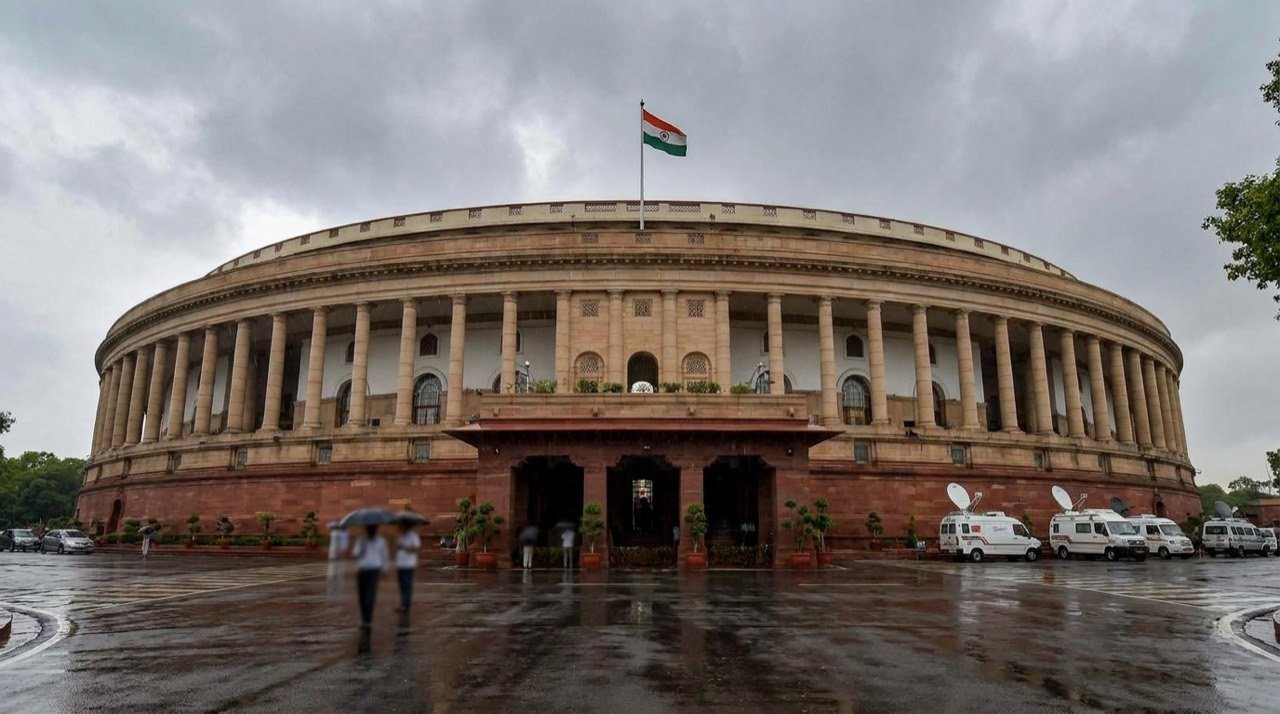
Centre Lines Up Six New Bills for Monsoon Session as Crowded Legislative Agenda Takes Shape
The Union government is preparing a packed monsoon session of Parliament, slating six fresh bills alongside the Finance Bill and a high-stakes return of the delimitation legislation in late July.
More from this section
More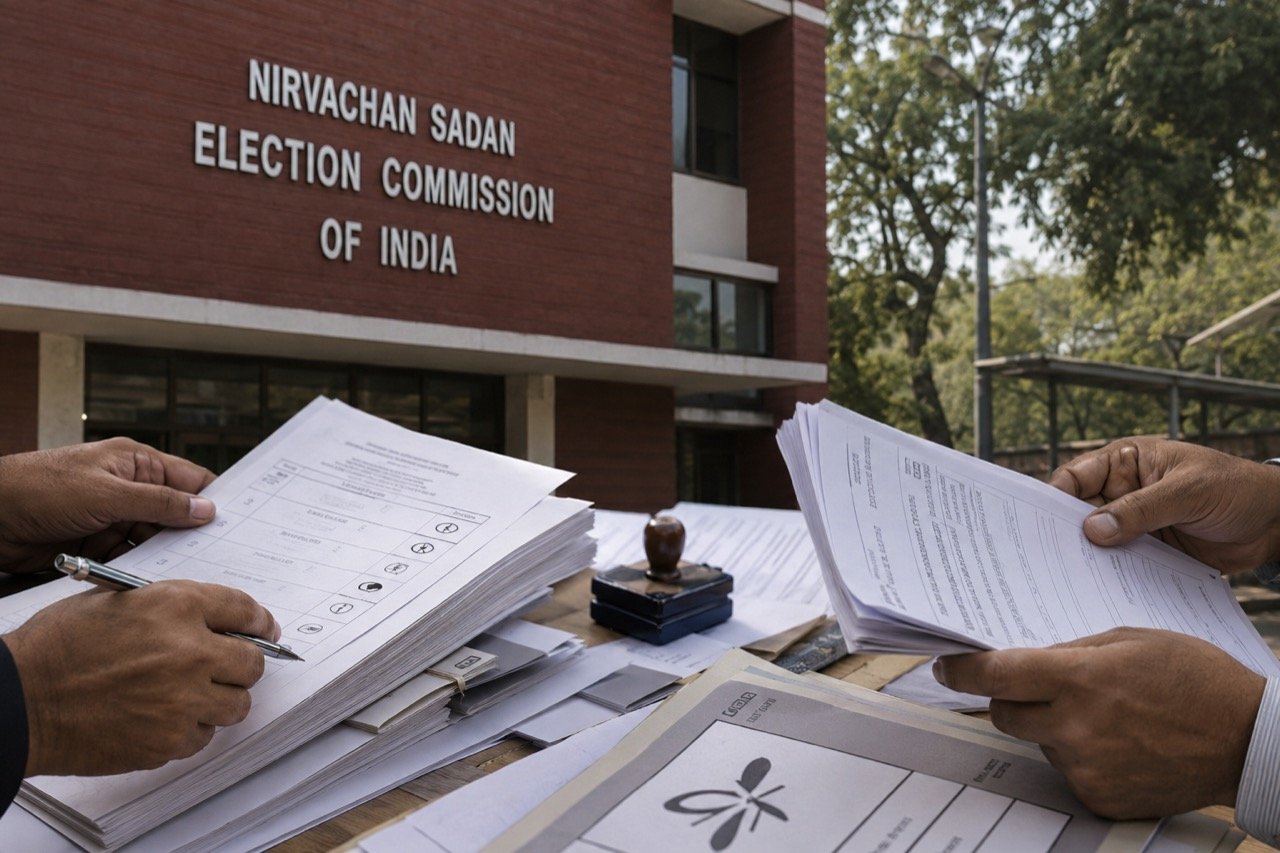
K Kavitha Party Denied TRS Name by Election Commission
The Election Commission has refused to register K Kavitha's Telangana Rakshana Sena under the TRS acronym after objections, forcing a branding reset for the new party at a politically sensitive moment in Telangana.
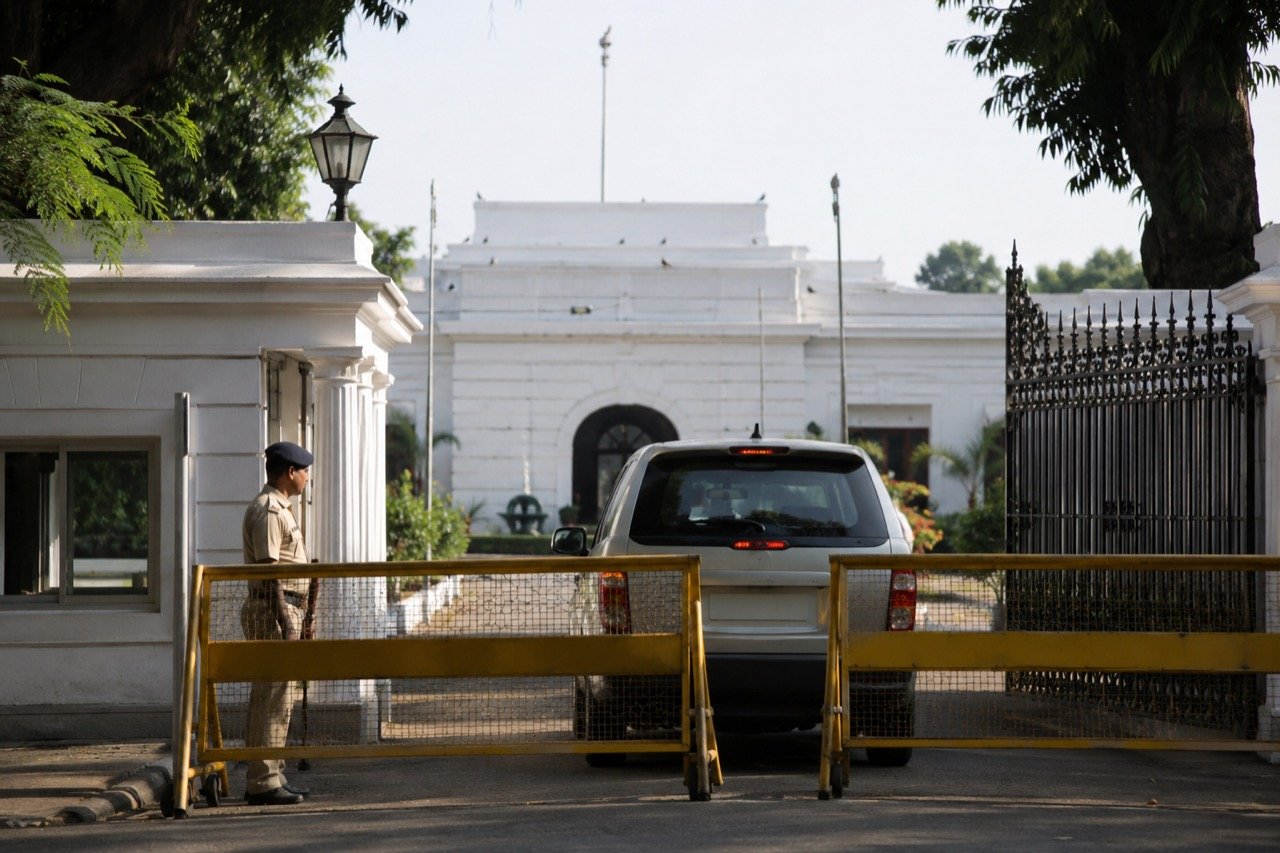
Lalu Prasad Yadav Security Downgrade, Bungalow Order Stir Bihar
A government order downgrading Lalu Prasad Yadav's security cover and asking him to vacate an official bungalow has opened a fresh political flashpoint in Bihar, with the RJD chief's reaction fuelling the row.

Manipur CM's Churachandpur Visit: First Since 2023 Unrest
The Manipur Chief Minister travelled to Churachandpur for a BJP MLA's funeral, his first visit to the district since the 2023 violence, lending the sombre occasion an unmistakable political significance.