Eknath Shinde Admitted to Mumbai Hospital With Viral Fever
Maharashtra Deputy Chief Minister Eknath Shinde has been hospitalised in Mumbai with a viral fever, a routine ailment that nonetheless draws statewide attention because of his senior role in the government.
The NE Times National Desk
Commentary & Analysis ·
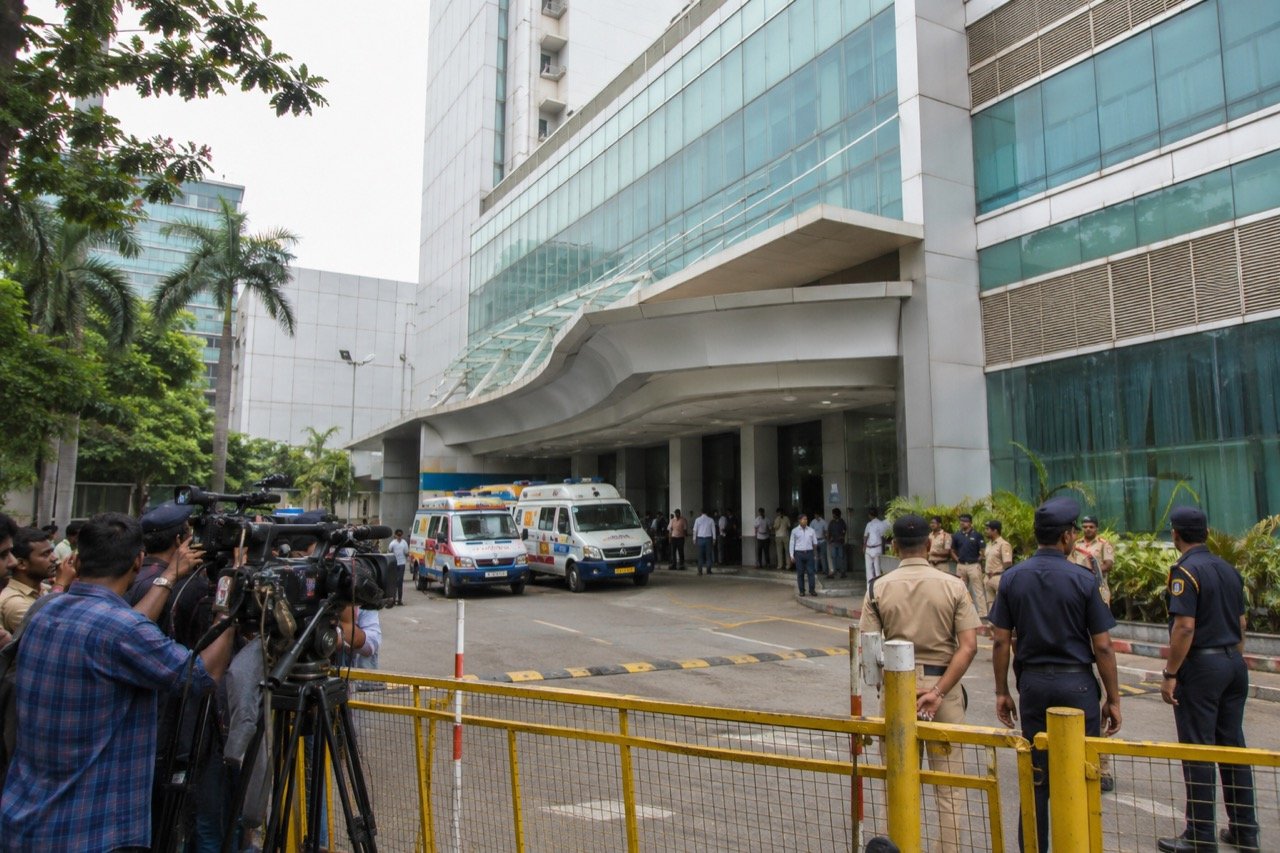
Maharashtra Deputy Chief Minister Eknath Shinde has been admitted to a Mumbai hospital with viral fever, prompting close attention across the state's political and administrative circles even though the reported illness is a common one.
Routine illness, public office
When a senior officeholder is hospitalised, the news matters beyond the individual. Shinde holds one of the two deputy chief ministerships in India's most economically significant state, and his schedule touches cabinet business, party coordination and constituency commitments. Even a short medical absence has to be managed, which is why such updates are followed closely.
The confirmed facts are limited: hospitalisation in Mumbai and viral fever as the stated reason. Nothing in the available reporting suggests the condition is serious, and there is no basis for speculation about severity, treatment or any political consequence.
The value of transparent updates
Episodes like this show how quickly a routine health matter becomes public news once a prominent leader is involved. Handled openly, official bulletins reassure citizens and starve the rumour mill; handled opaquely, silence gets filled by conjecture. Clear, periodic updates from the hospital or the Deputy CM's office are the best antidote.
The NE Times View
India's political culture still treats leaders' health as a matter of whispers, which is precisely why a simple viral fever can generate a day of anxious headlines. The healthier norm — followed in many democracies — is prompt, matter-of-fact disclosure that respects both the leader's privacy and the public's legitimate interest in governmental continuity. Maharashtra's administration would do well to keep updates on Shinde brief, regular and boring. Boring, in matters of a leader's health, is exactly what good governance looks like.
This article is original commentary and analysis by The NE Times. Background facts were referenced from Hindustan Times.
You may also like to read
Six Shiv Sena (UBT) MPs Join Eknath Shinde Camp in Maharashtra's 'Split 2.0'
Six Lok Sabha MPs from Uddhav Thackeray's Shiv Sena (UBT) crossed over to Eknath Shinde's faction on June 22, sharply weakening the UBT in Parliament and reigniting Maharashtra's Sena-versus-Sena war.

Maharashtra Orders Statewide Blood Centre Checks After FDA Shutdowns
After the Food and Drug Administration shut two blood centres, Maharashtra has ordered inspections of every facility in the state, putting blood-bank safety, licensing and public trust in health infrastructure under fresh scrutiny.
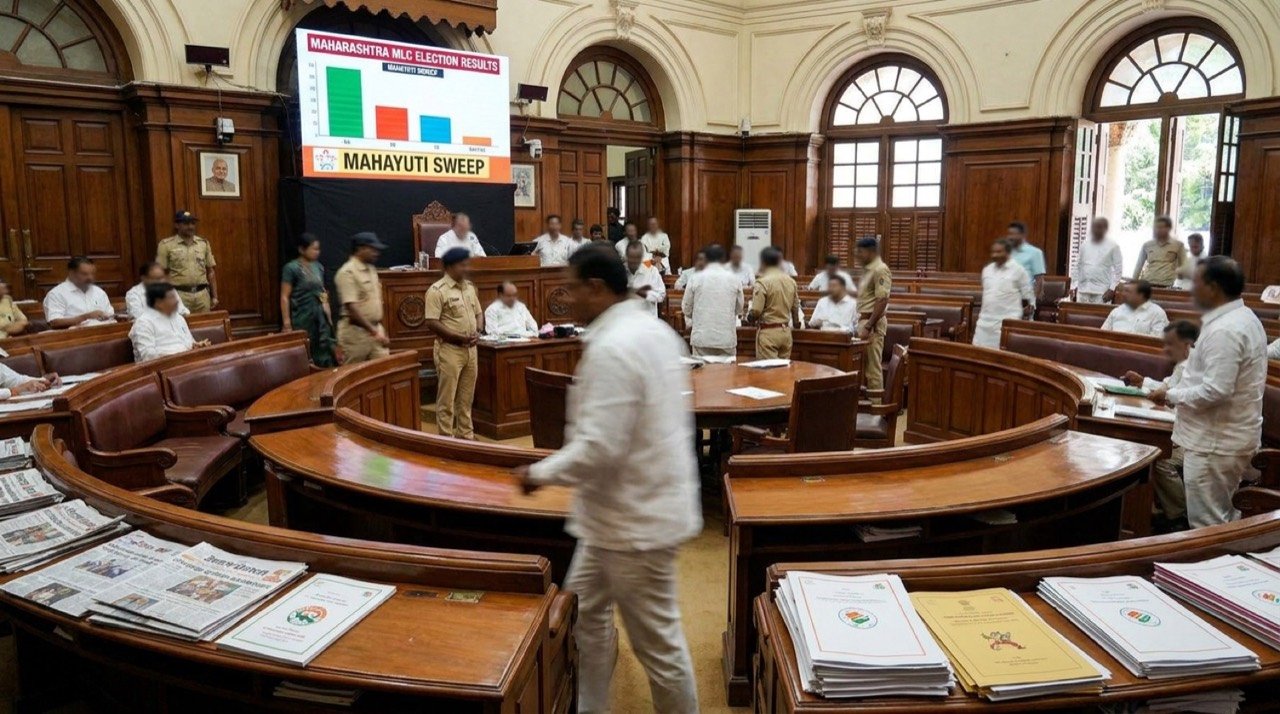
Mahayuti Sweeps 16 of 17 Maharashtra MLC Seats as Opposition Draws a Blank
Maharashtra's ruling Mahayuti alliance has won 16 of 17 Legislative Council seats while the opposition Maha Vikas Aghadi failed to win any, signalling renewed momentum for the governing coalition.
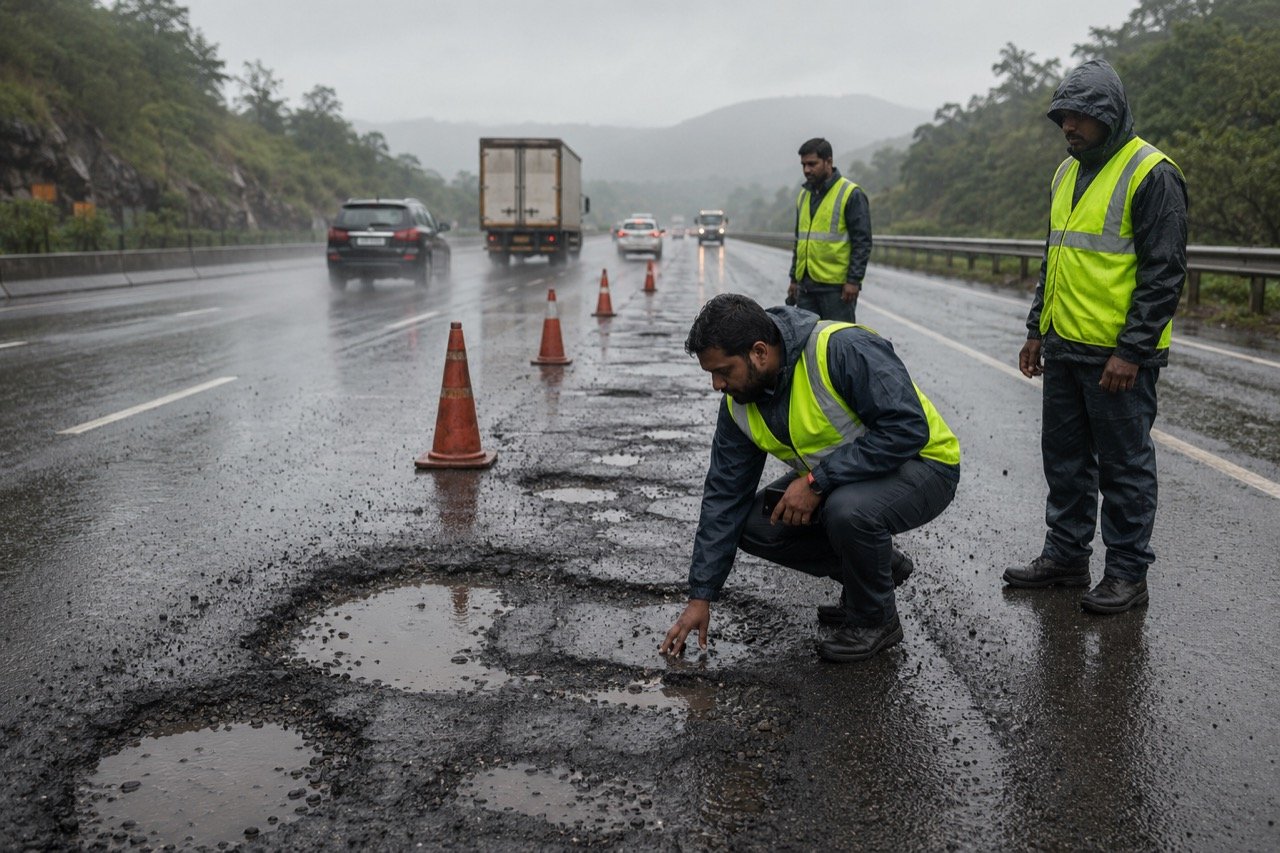
Expressway Pothole Row Puts Maharashtra Road Upkeep in Spotlight
Chief Minister Devendra Fadnavis' reported claim that the Pune-Mumbai Expressway has only two potholes has escalated a monsoon maintenance complaint into a statewide debate over highway accountability.
More from this section
More
Ahmedabad Bullet Train Station Gets Kite-Inspired Multimodal Hub Plan
Ahmedabad's bullet train station is set to be developed as a multimodal transport hub with a kite-inspired design, giving India's high-speed rail project a distinctive urban landmark rooted in local identity.
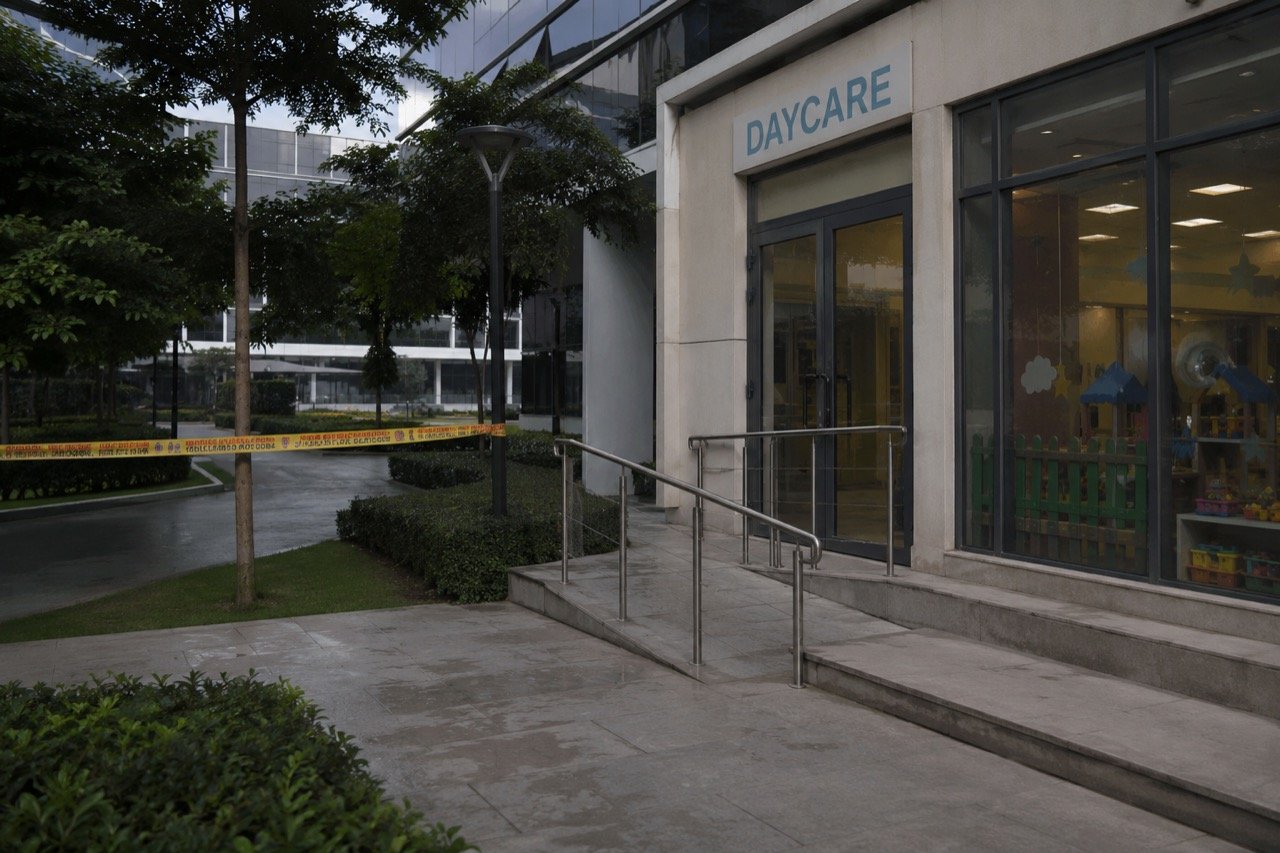
Arrest in Bengaluru Daycare Case Deepens Child Safety Questions
Bengaluru police have arrested a woman connected to the daycare case at a Capgemini campus facility, sharpening scrutiny of caregiver vetting, oversight and accountability at workplace-linked childcare centres.

Assam Case Shows PAN and Voter Cards Are Not Citizenship Proof
A man declared a foreigner in Assam despite holding multiple identity documents has highlighted a crucial legal distinction: everyday IDs establish identity, not citizenship, when a person's legal status is challenged.