E20 Petrol: Carmakers Say No Engine Damage, But Mileage Dips
Carmakers have clarified that E20 petrol does not damage engines, but an acknowledged drop in fuel efficiency keeps ethanol-blended fuel at the centre of a consumer debate touching every Indian driver.
The NE Times National Desk
Commentary & Analysis ·
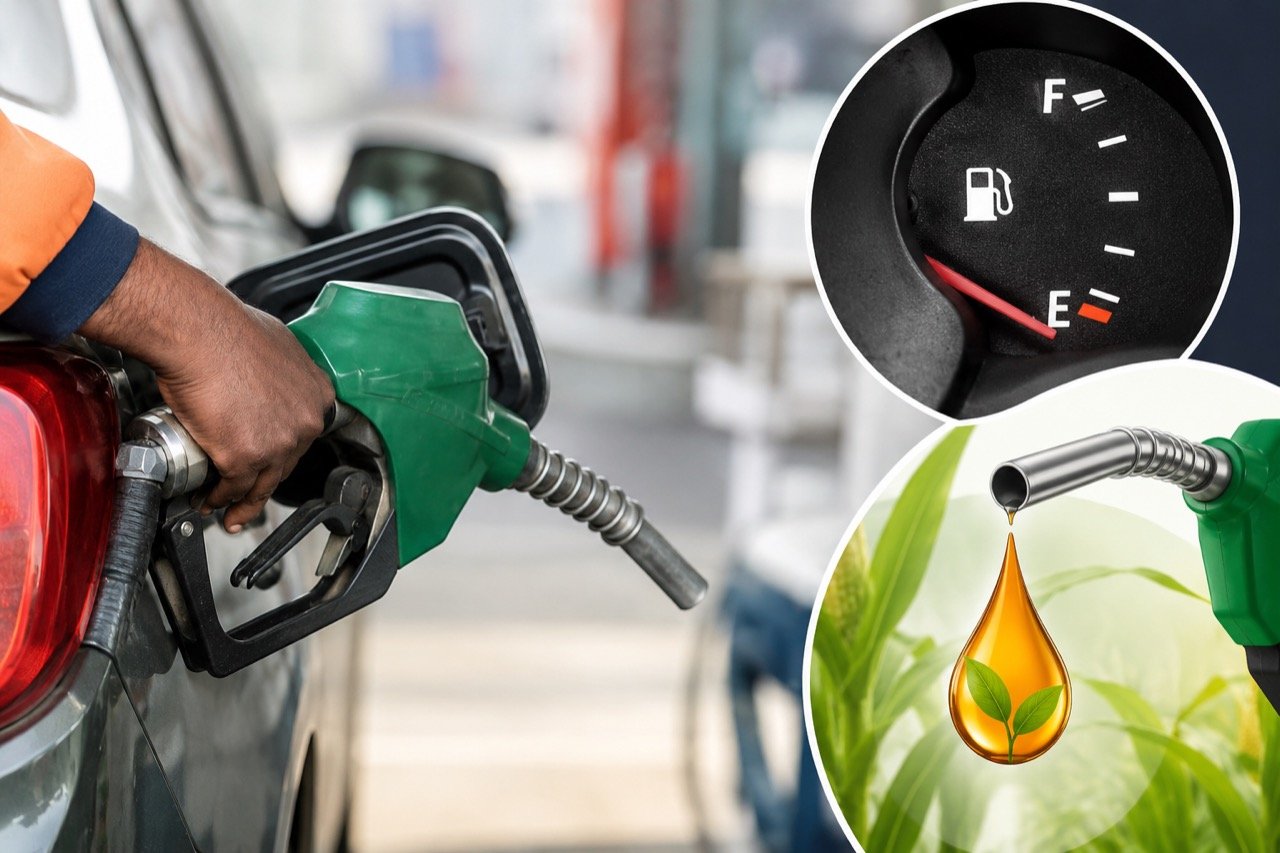
Carmakers have moved to settle one half of India's E20 petrol debate, stating that the ethanol-blended fuel does not damage engines, even as they acknowledge that mileage does fall. The clarification, highlighted on the Times of India's July 5 India news coverage, addresses a question that has been worrying motorists since the blend became widespread.
E20 refers to petrol mixed with 20 percent ethanol. India's push toward higher ethanol blending is tied to energy security, a farm-linked biofuel supply chain and emissions goals. But for the ordinary driver, the policy translates into three practical questions: will it hurt my engine, is my older vehicle safe, and how much fuel economy will I lose?
Two issues, finally separated
The value of the latest clarification is that it disentangles two very different concerns. Engine damage is a serious mechanical claim that requires hard evidence, and carmakers say it is not happening. A mileage reduction, by contrast, is a performance and running-cost issue that remains real even if engines stay safe. For consumers, that distinction changes how the policy should be judged: the debate is now about money per kilometre, not mechanical risk.
What drivers still need
Open questions remain around older vehicles, warranty coverage and real-world fuel economy across different models. The most useful next step would be clear model-wise guidance from manufacturers and transparent communication at fuel stations, so that drivers know exactly what E20 means for their specific vehicle rather than relying on hearsay.
The NE Times View
The engine-damage clarification is welcome, but it should not be treated as the end of the story. A mileage drop is effectively a hidden price increase for every household that runs a two-wheeler or car, and it lands hardest on those who can least absorb it. The government has been quick to celebrate the energy-security gains of ethanol blending; it should be equally quick to publish honest, model-wise efficiency data and ensure pump-level labelling is unmissable. Trust in fuel policy is built at the petrol station, not in press releases. Until drivers can see exactly what E20 costs them per kilometre, this debate will keep running on every fuel gauge in the country.
This article is original commentary and analysis by The NE Times. Background facts were referenced from the Times of India.
You may also like to read
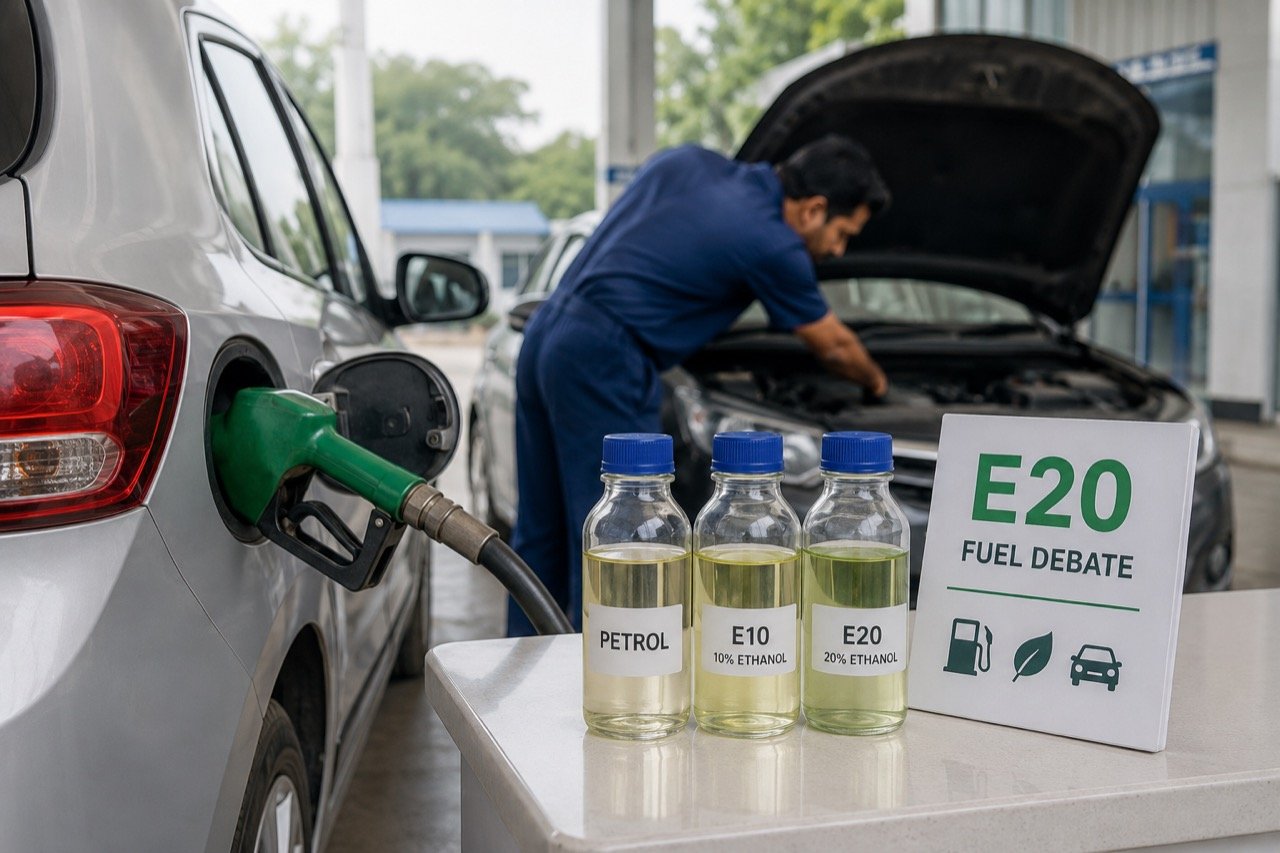
E20 Fuel in India: Mileage and Engine Worries Reach the Petrol Pump
India's push for 20 percent ethanol-blended petrol has moved from policy circles to everyday consumers, who are now asking hard questions about mileage loss, engine compatibility and what older vehicles should do.
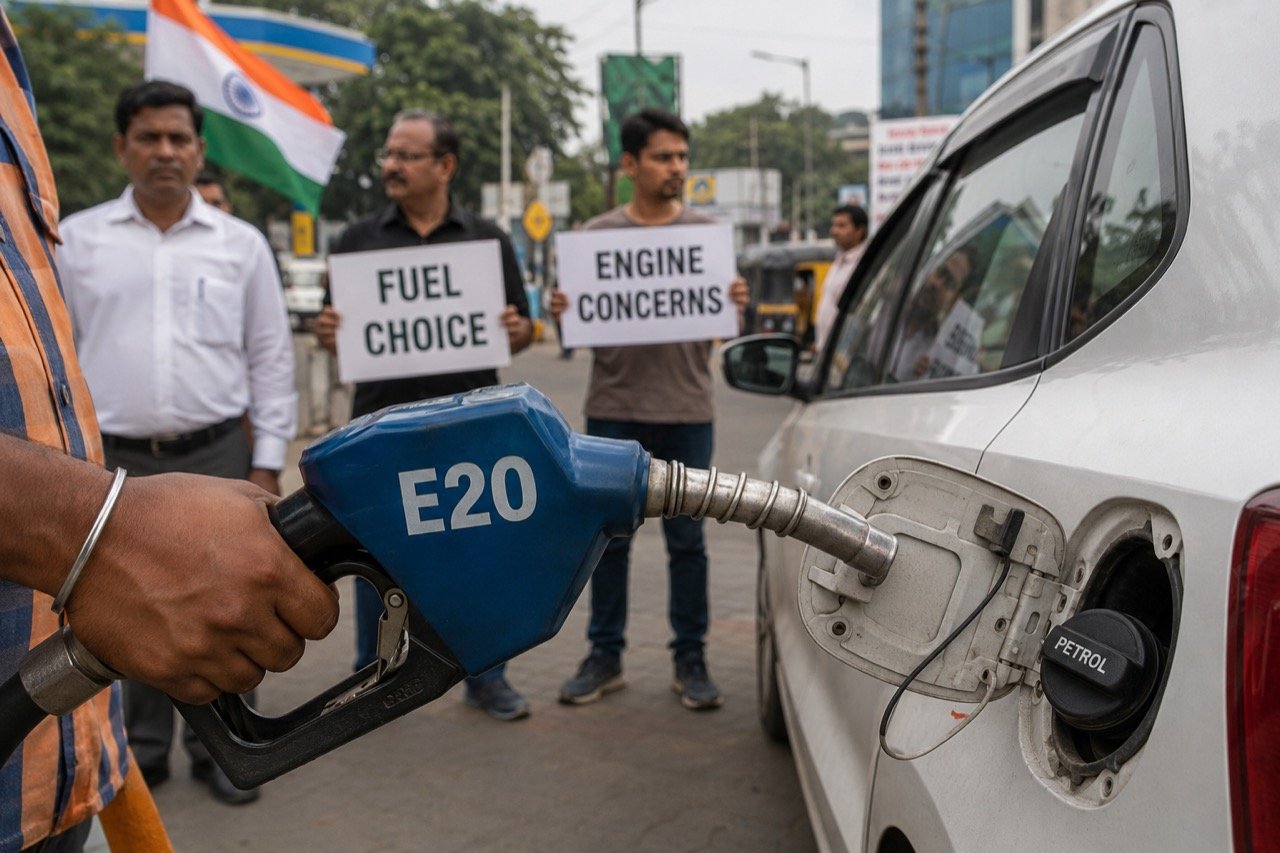
E20 Petrol: Why India's Ethanol Blending Push Divides Motorists
India's rollout of E20 ethanol-blended petrol has become a live public-policy debate, with vehicle owners raising questions about mileage, engine compatibility and consumer choice even as the government defends its energy-security goals.
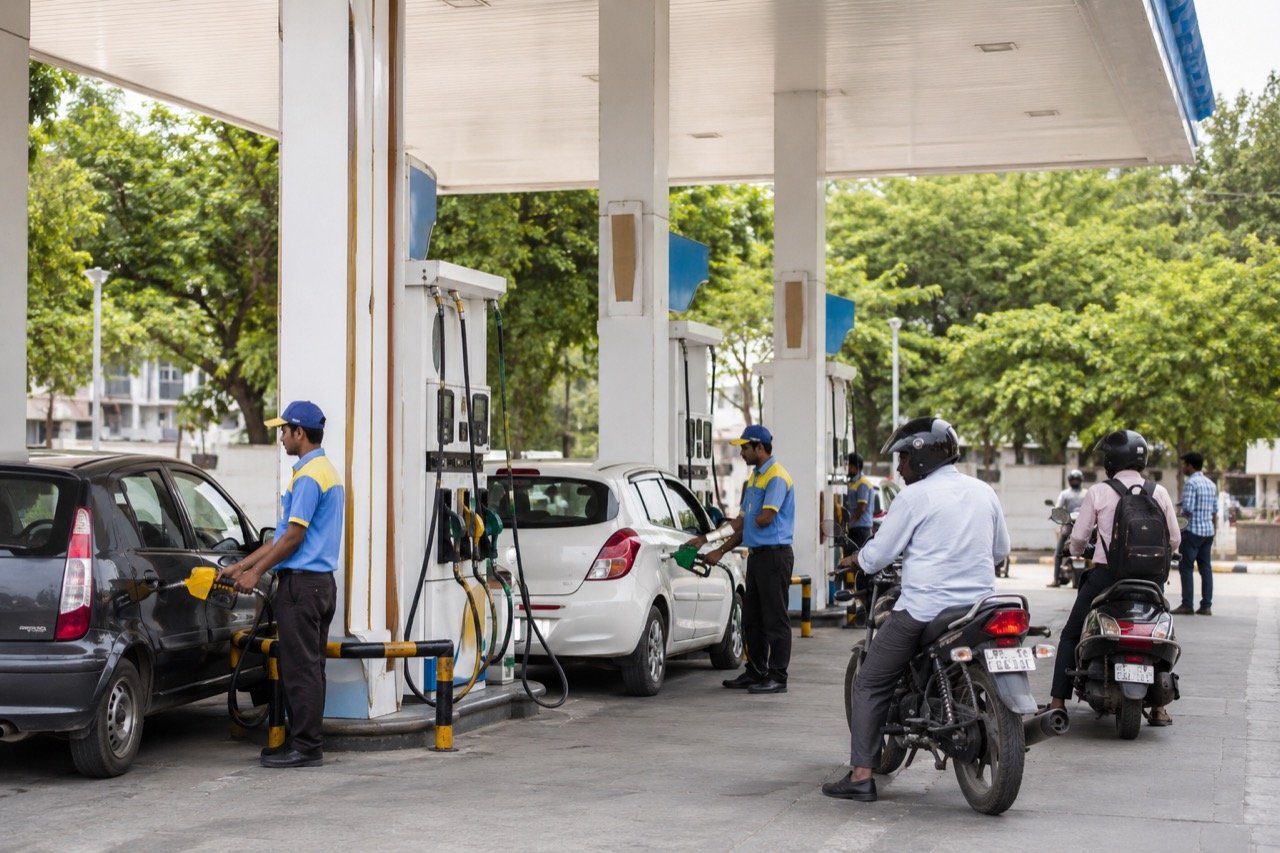
India to Lift Petrol and Diesel Sale Curbs From July 1
Restrictions on the sale of petrol and diesel are set to be lifted from July 1, easing uncertainty for motorists, transport operators and fuel retailers even as cities push a parallel shift to electric mobility.

CISF Airport Facial-Recognition Plan Puts Privacy at Centre of Debate
The CISF is working on a Delhi data fusion centre to link facial-recognition systems across major Indian airports, reviving questions over aviation security, surveillance and passenger privacy.
More from this section
More
AICTE Industry Fellowship 2026: Rs 1.5 Lakh Scheme Closes July 5
The AICTE Industry Fellowship Programme 2026, which places technical-education faculty inside leading companies on a Rs 1.5 lakh monthly stipend, reached its application deadline on July 5.
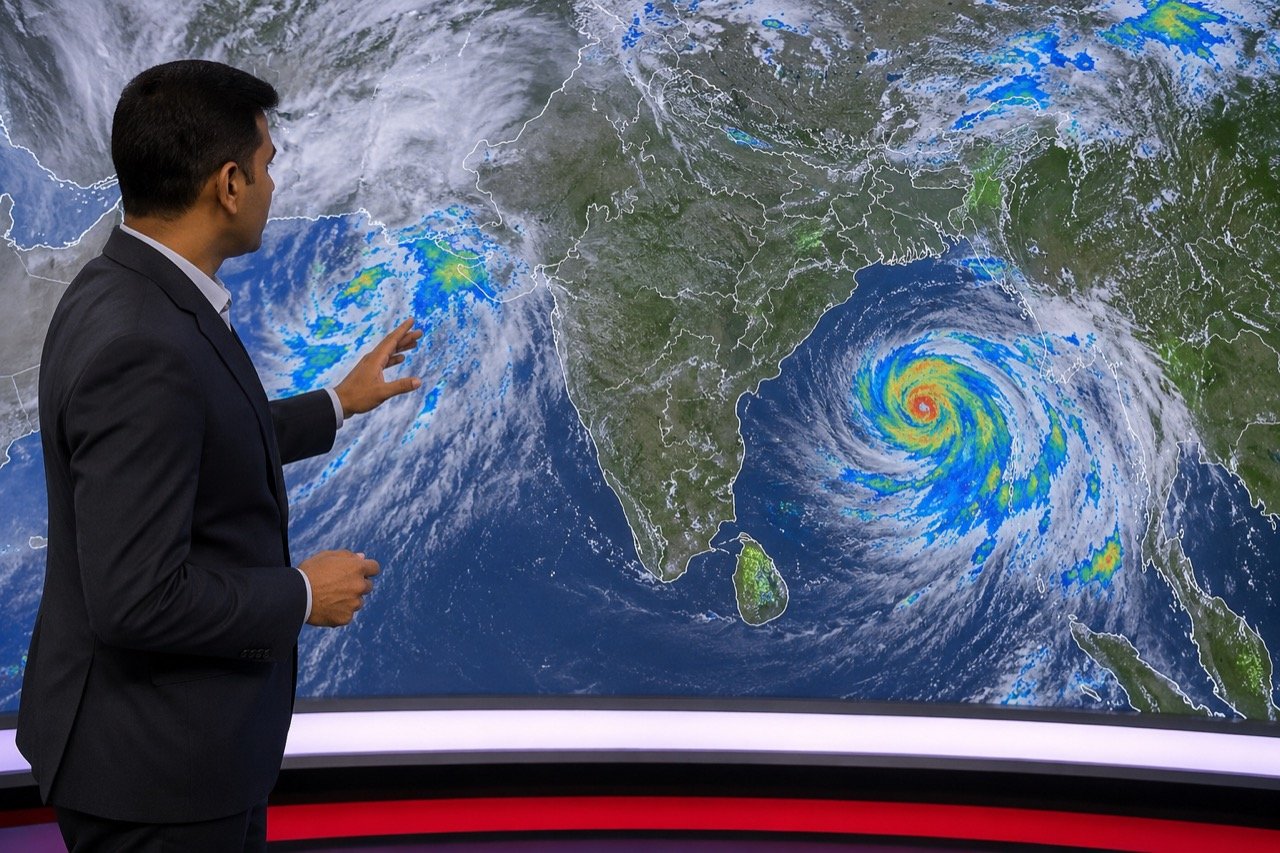
Bay of Bengal Low Pressure System Revives Monsoon Over Western India
A low-pressure system over the Bay of Bengal has pushed the monsoon back into an active phase, bringing steady heavy rain to Kerala, coastal Karnataka and Maharashtra, and putting Mumbai and Pune on preparedness watch.
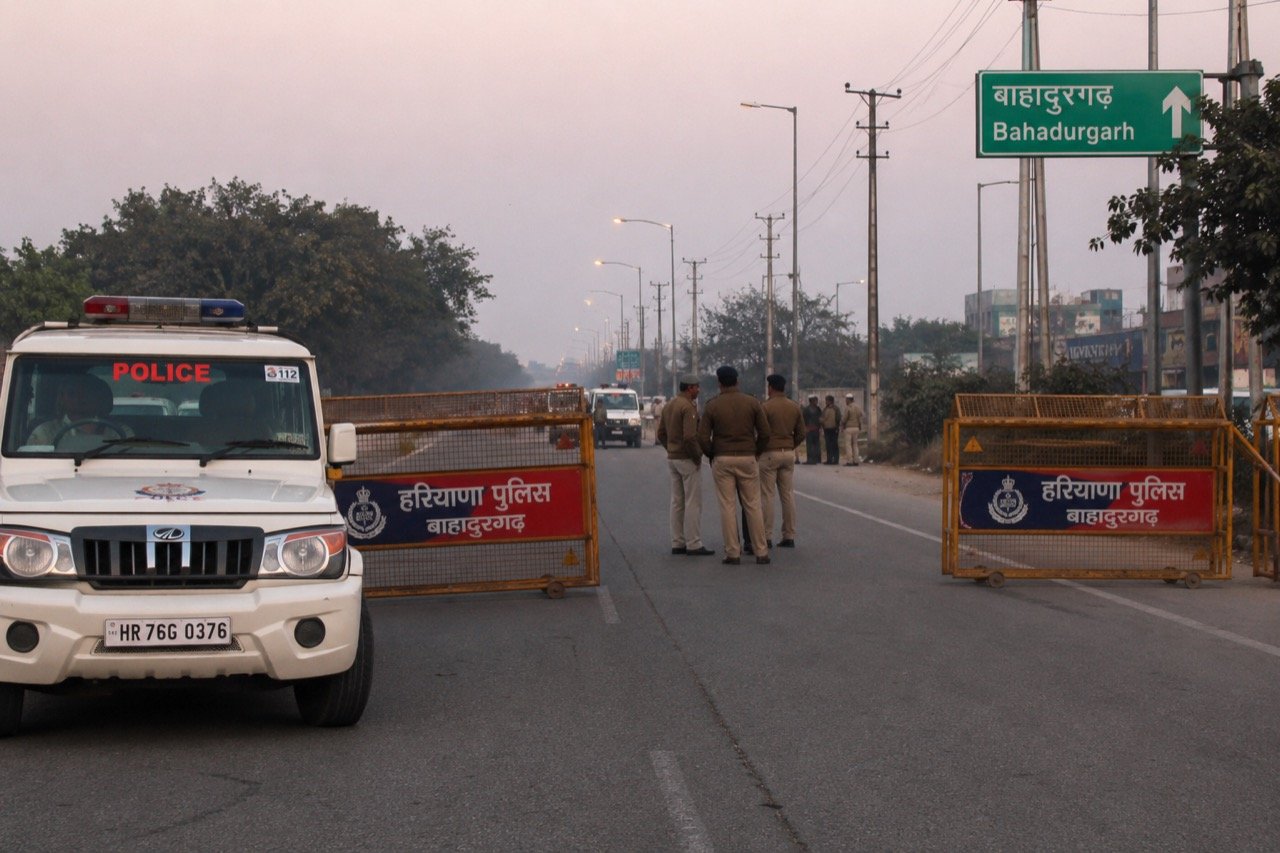
Bishnoi Gang Suspects Injured in Haryana Encounter as Police Tighten Net
A joint Haryana-Delhi Police operation in Bahadurgarh left two suspected Lawrence Bishnoi gang members injured, spotlighting the multi-state coordination now central to India's fight against organised crime networks.