India Steel Emission Targets: Draft Rules Push Decarbonisation
The Centre's draft emission cut targets for the iron and steel sector move India's climate policy from broad pledges to sector-specific rules, placing one of its hardest-to-abate industries under a defined framework.
The NE Times Business Desk
Commentary & Analysis ·

The Centre has released fresh draft emission cut targets for the iron and steel sector, according to a July 5 report by the Indian Express. The move places one of India's most strategically important industries squarely at the centre of the country's climate-and-competitiveness debate.
Why steel is the hard case
Steel underpins India's infrastructure, construction and manufacturing ambitions, yet it remains among the most difficult industrial sectors to decarbonise. Producers must expand capacity to meet surging domestic demand while simultaneously lowering emissions intensity through efficiency gains, cleaner fuels, greater scrap use, green hydrogen pilots and emerging carbon capture options.
The significance of the draft lies in its specificity. Regulatory direction is shifting from broad national climate goals toward sector-level expectations — the point at which policy stops being aspirational and becomes operational for company boardrooms and investment committees.
Consultation, not final rules
It is important to note that these are draft targets, part of a consultation and policy-formation process rather than binding rules. Industry will scrutinise timelines, compliance costs and the support mechanisms on offer before the framework is finalised. Still, draft targets of this kind typically shape investment planning well before they take legal effect.
The global context adds urgency. Trade is increasingly linked to carbon performance, with mechanisms such as carbon border levies gaining ground in key export markets. Cleaner production may soon be a condition of competitiveness for Indian steelmakers, not merely a domestic regulatory requirement.
The NE Times View
This draft marks a quiet but consequential shift: industrial decarbonisation in India is moving from rhetoric into practical detail. Steel can no longer be discussed only as a growth engine; it is now a test case for whether India can build at scale while cutting emissions. The government should pair firm targets with credible support — technology finance, green hydrogen infrastructure and transition timelines that smaller producers can realistically meet. If it gets that balance right, the sector could turn a compliance burden into an export advantage.
This article is original commentary and analysis by The NE Times. Background facts were referenced from Indian Express.
You may also like to read
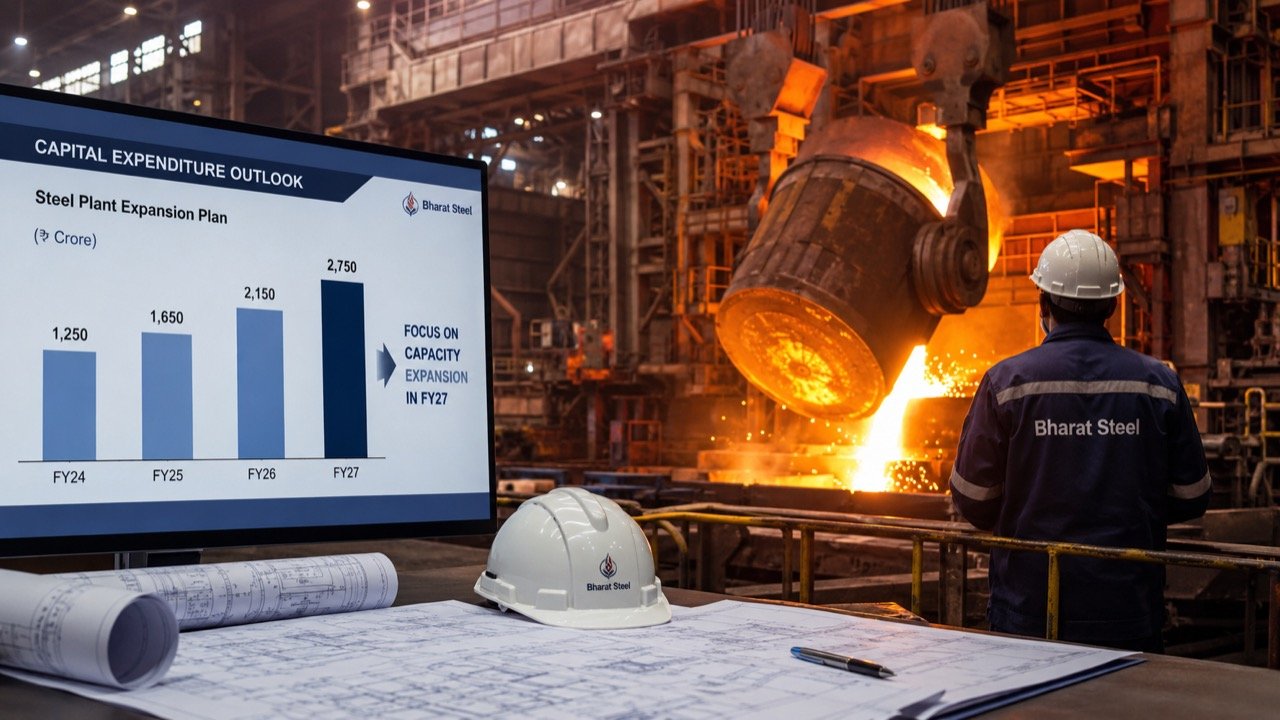
Tata Steel Plans Rs 20,000 Crore FY27 Capex for India Growth
Tata Steel's roughly Rs 20,000 crore capital spending plan for FY27 signals sustained confidence in Indian steel demand, even as execution risks, raw-material costs and emissions pressures loom over the sector.
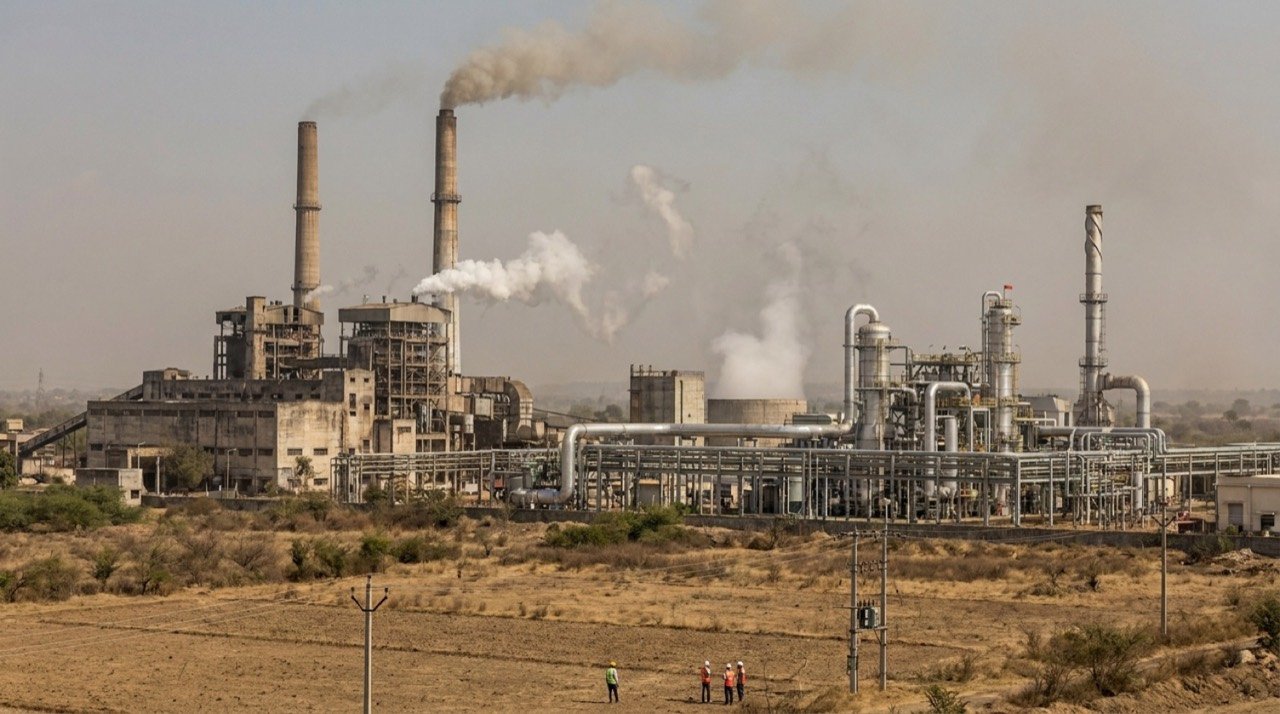
India Advances Rs 19,700 Crore Carbon Capture Scheme for Hard-to-Abate Sectors
India is moving ahead with a proposed Rs 19,700 crore carbon capture, utilisation and storage support scheme aimed at cutting emissions from steel, cement, power and refining.

GST Collections Hit Rs 1.95 Lakh Crore in June as Imports Surge
India's gross GST revenue climbed 13.9 percent year on year in June 2026, but a 34.6 percent jump in import-linked collections did most of the heavy lifting while domestic growth stayed modest.
India's Forex Reserves Slip to 15-Month Low: Why the Buffer Matters
India's foreign exchange reserves have dropped to their lowest level in 15 months, narrowing the external buffer the RBI relies on to steady the rupee and reassure markets.
More from this section
More
Adani Case: US DOJ Pushes for Permanent Dismissal of Charges
The US Department of Justice has urged a judge to permanently dismiss charges against Gautam Adani, calling the case legally flawed — a reversal with consequences for markets, diplomacy and cross-border enforcement.

Akasa Air Inducts 40th Aircraft in Indian Aviation Scale-Up
Akasa Air's 40th aircraft, ferried to Bengaluru via Seattle, Reykjavik and Cairo, marks a fleet milestone for the young carrier and a fresh signal that India's aviation market remains firmly in expansion mode.
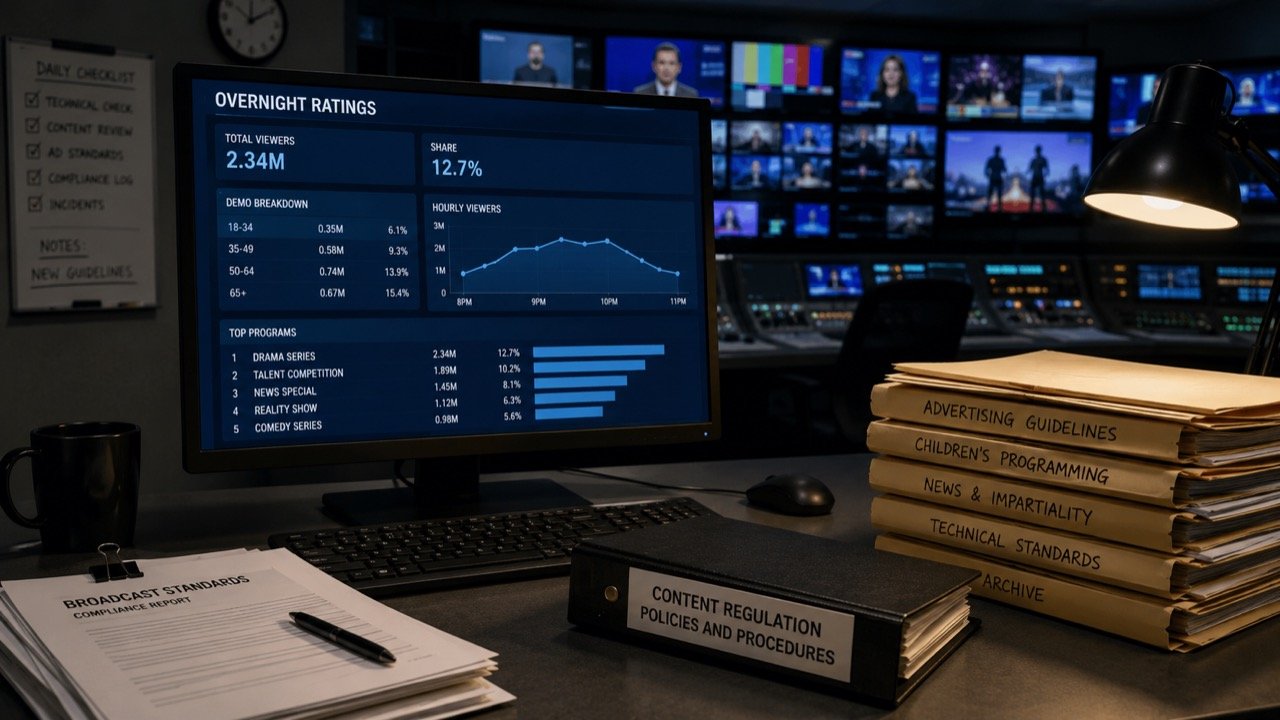
BARC Ratings Suspension Leaves Indian TV Industry Flying Blind
BARC's pause on television ratings has put India's broadcast measurement system under fresh scrutiny, leaving broadcasters, advertisers and media planners without the weekly audience data that anchors the TV economy.