Diljit Dosanjh to Become First Punjabi Artist to Headline London's Wembley Stadium
With a solo date at the 90,000-capacity venue, the Punjabi superstar joins a roster headlined by Michael Jackson, Queen and Prince - a milestone moment for Indian music on the global stage.
Commentary & Analysis ·
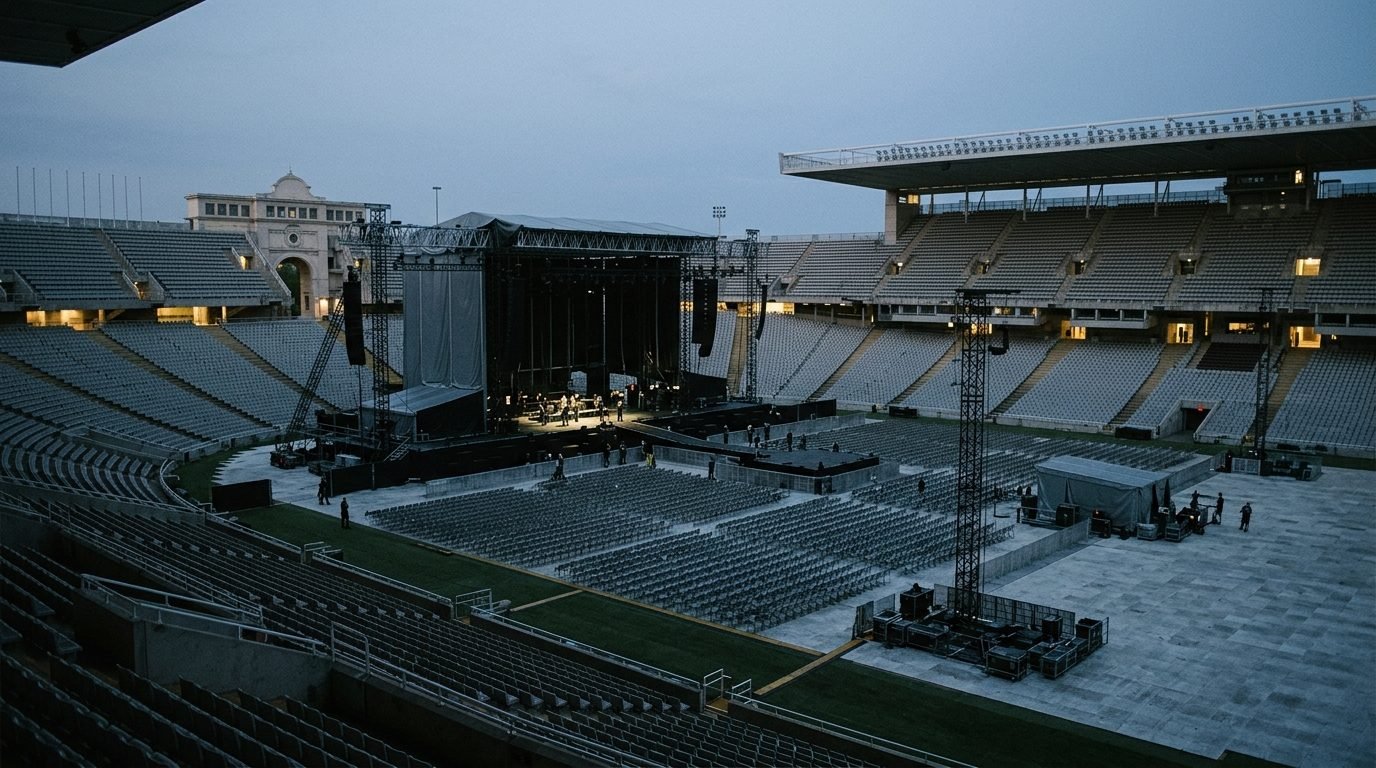
Diljit Dosanjh is set to make history as the first Punjabi artist to headline London's Wembley Stadium, the singer and actor confirmed this month. The 90,000-capacity venue has hosted only a select group of global icons as solo headliners, placing Dosanjh in the company of names such as Michael Jackson, Queen and Prince. For an artist who performs primarily in Punjabi, the booking represents a symbolic crossing of a threshold long reserved for the biggest acts in Western pop and rock.
The announcement landed with the kind of demand that has come to define Dosanjh's recent touring life. Tickets moved quickly, with an artist presale on 10 June and a general on-sale on 12 June 2026, mirroring the appetite that has followed him across sold-out runs abroad. The pace of sales underlined a simple point: a single Punjabi performer can now command one of the world's most storied stadiums on his own name alone.
From Punjab to the world's biggest stages
The Wembley booking caps a steep rise that has seen Dosanjh play arenas and stadiums across North America, Europe and Australia, all while keeping a parallel film career alive. That dual track, between the concert stage and the screen, has helped him build a following that reaches well beyond any single market, turning regional stardom into a global proposition.
For a performer who sings largely in Punjabi, headlining a venue of Wembley's stature signals how far Indian-language music has travelled beyond traditional diaspora audiences. Where once such shows might have drawn chiefly from South Asian communities in Britain, the scale now on offer points to a wider, more mainstream curiosity about Punjabi pop and its rhythms.
“To stand on that stage as a Punjabi artist is bigger than me - it is for the language and the people who carried it there.”
— Diljit Dosanjh
Why it matters for Indian music
Industry watchers see the show as a watershed for South Asian live entertainment in the UK, where Indian acts increasingly fill the calendars of venues once dominated by Western pop and rock. The trend speaks to a broader shift in the global music economy, in which streaming has flattened old barriers of language and geography, allowing songs in Punjabi, Hindi and other Indian languages to find listeners far from home.
- Wembley Stadium holds roughly 90,000 people, making it one of the largest concert venues a solo artist can headline
- Previous solo headliners have included global icons such as Michael Jackson, Queen and Prince
- An artist presale ran on 10 June, with a general on-sale following on 12 June 2026
- Dosanjh maintains a parallel acting career alongside his international concert schedule
A milestone with momentum
The significance of the date extends beyond a single night. A landmark stadium show tends to reset expectations for an entire scene, encouraging promoters to programme larger rooms and bigger budgets for the artists who follow. If a Punjabi headliner can fill Wembley, the logic runs, then the ceiling for Indian-language live music has been raised for everyone.
Looking ahead, the show is likely to be measured not only by attendance but by what it represents for the next generation of South Asian performers eyeing the world's marquee venues. Whether it proves a one-off peak or the start of a more regular presence for Indian acts at the highest tier of live music will shape how the moment is remembered. For now, Dosanjh's Wembley date stands as a marker of how thoroughly the map of global pop has been redrawn.
The NE Times View
Headlining Wembley alone, on a stage once held by Michael Jackson and Queen, is a genuine watershed, not a press release. It marks the point where an Indian artist sells out the world's marquee venues on his own terms, in his own language, no crossover compromise required. The significance is cultural as much as commercial: Punjabi is now arena-scale globally. The test is whether others can follow the door he has opened.
This article is original commentary and analysis by The NE Times. Background facts were referenced from Billboard, Times of India.
You may also like to read
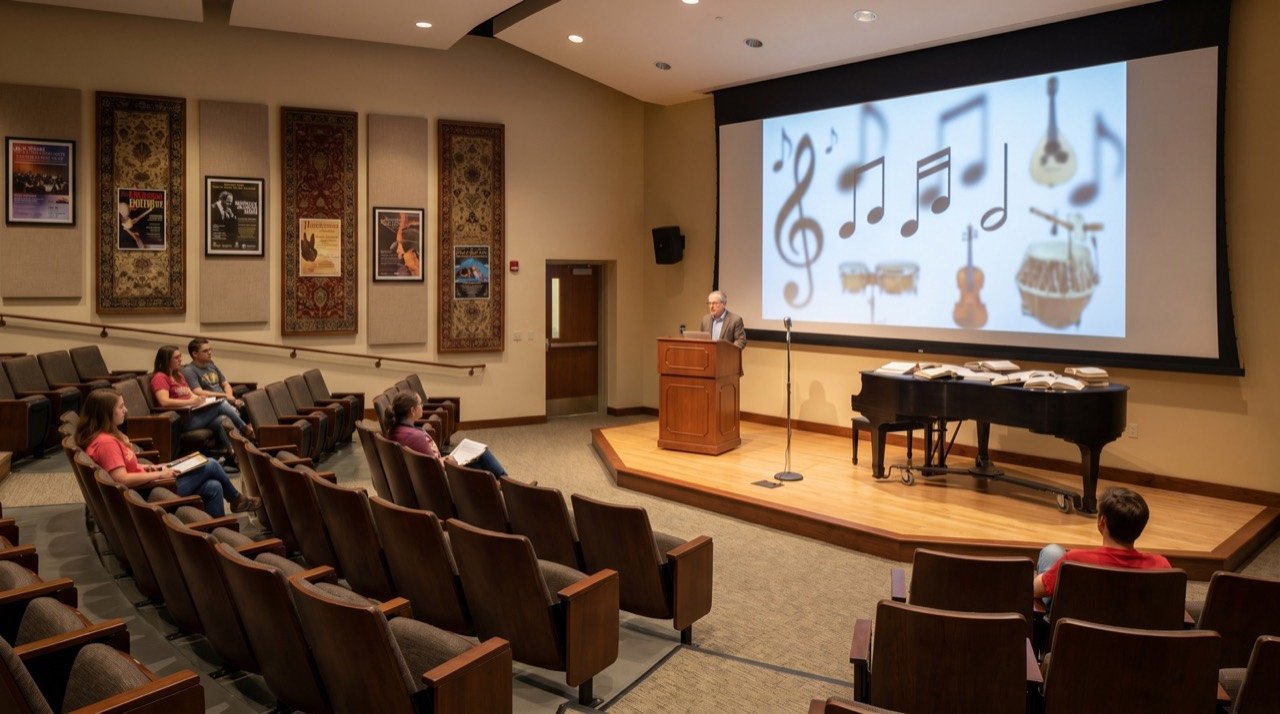
Diljit Dosanjh Becomes Subject of Canada's First University Course on a Punjabi Artist
Toronto Metropolitan University's launch of a course centred on Diljit Dosanjh was spotlighted at the Billboard Canada Summit at NXNE, framing the Punjabi star as a global case study.
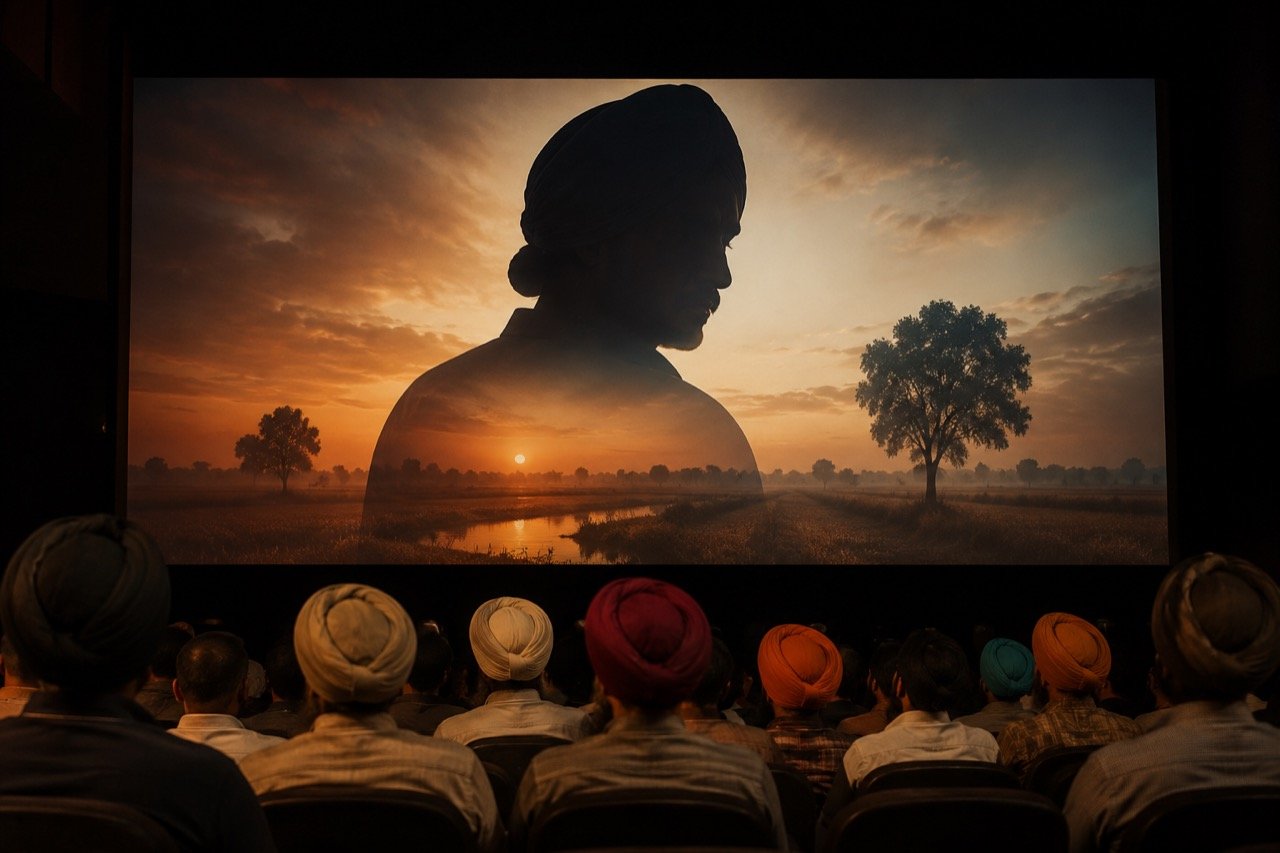
Diljit Dosanjh's Satluj: No Cuts Despite Punjab 95 Title Change
Diljit Dosanjh says Satluj reaches audiences without cuts despite its renaming from Punjab 95, as reported support from Jaswant Khalra's wife keeps the film's release debate in the headlines.
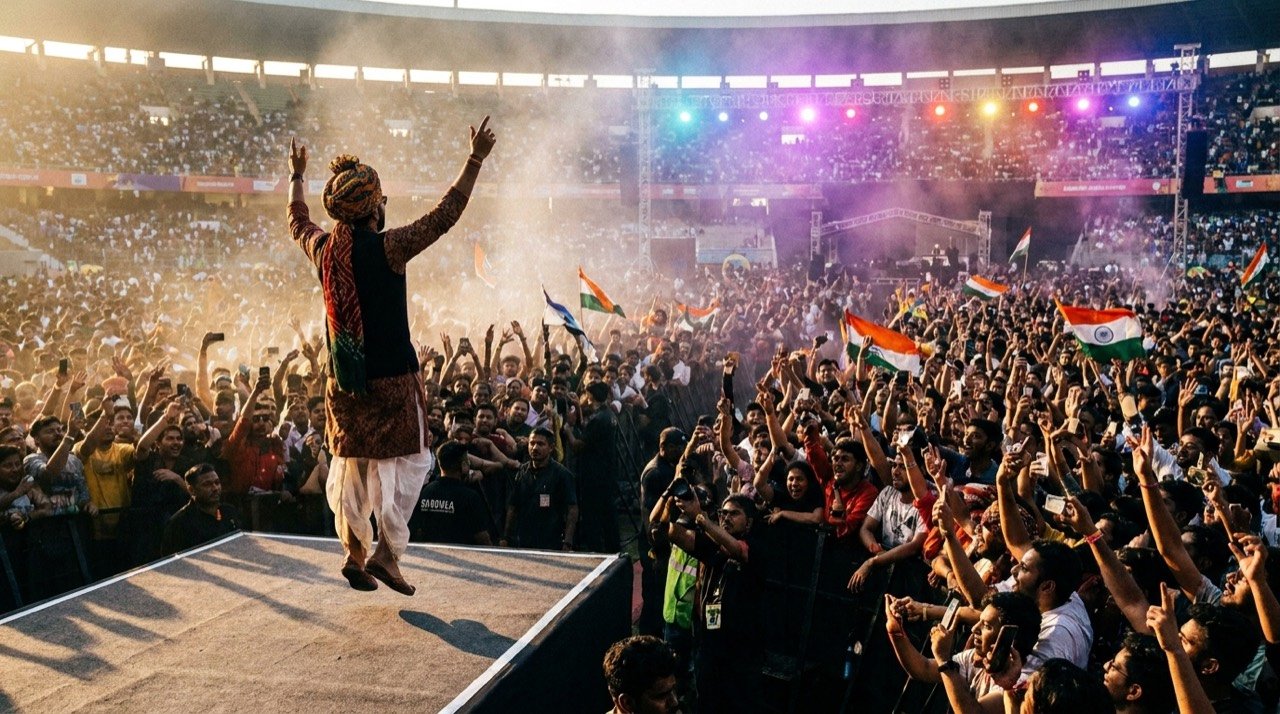
Diljit Dosanjh's Aura World Tour Keeps Punjabi Pop On The Global Marquee
Diljit Dosanjh's Aura World Tour rolls on through 2026 with stadium-scale dates abroad, cementing the singer-actor's standing as one of India's most bankable global live performers.
Main Vaapas Aaunga Box Office: Diljit Film Crosses Rs 40 Crore
Diljit Dosanjh's Main Vaapas Aaunga has reportedly crossed Rs 40 crore worldwide after a weekend jump, keeping the Hindi release alive in trade conversation well beyond its opening frame.
More from this section
More
72nd National Film Awards: Fans Back Mammootty, Allu Arjun, Sai Pallavi
Speculation around the 72nd National Film Awards is intensifying as fan communities across India's language film industries champion favourites including Mammootty, Allu Arjun and Sai Pallavi ahead of any official announcement.
Aamir Khan Marries Gauri Spratt in Private Pali Hill Ceremony
Aamir Khan and Gauri Spratt tied the knot at the actor's Pali Hill home in Mumbai on July 5, turning a deliberately small family ceremony into Bollywood's biggest story of the day.
Akanksha Chamola's Lock Upp 2 Confession Sets Reality TV Abuzz
A personal revelation by Akanksha Chamola ahead of Lock Upp 2 has handed the reality show a viral talking point, underlining how confession-driven formats continue to dominate Indian television conversation.