Delhi's EV Policy 2026: Petrol Two-Wheelers Face a 2028 Deadline
Delhi's updated electric vehicle policy targets an end to new petrol two-wheeler registrations from 2028 and at least 30 percent fleet electrification by 2030, turning the capital's commute into a national clean-mobility test case.
The NE Times National Desk
Commentary & Analysis ·
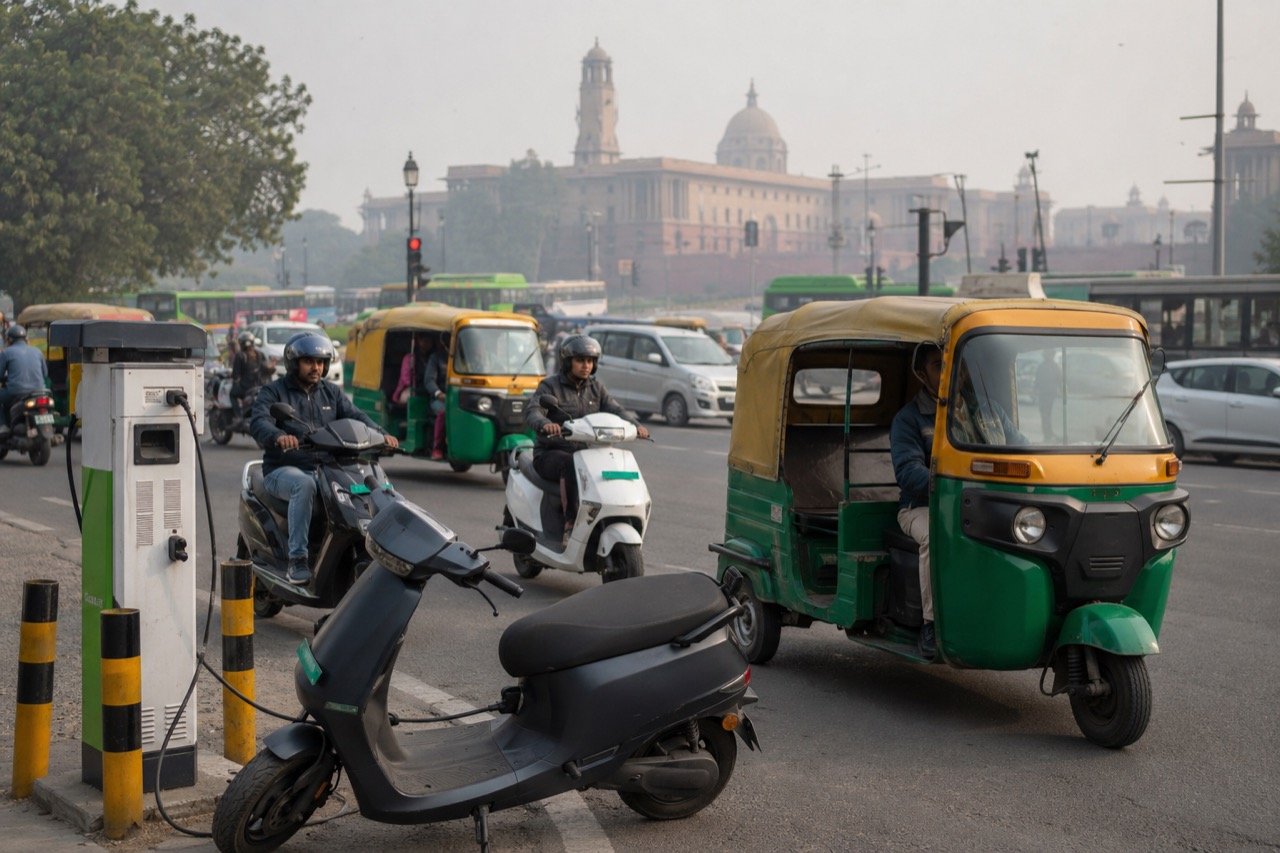
Delhi's updated electric vehicle policy has turned the capital's daily commute into a national experiment: how fast can a large Indian city wean itself off petrol-powered personal transport? The headline signal is a push to end new petrol two-wheeler registrations from 2028, alongside tighter timelines for auto-rickshaws, delivery fleets and small commercial vehicles, expanded charging infrastructure and a fresh round of purchase incentives.
The stakes are unusually high because two-wheelers dominate Delhi's registered vehicle base and remain the most affordable way for many households to move through the city. The policy therefore lands not just as an environmental announcement but as a consumer, business and infrastructure story touching commuters, gig-delivery workers, dealers, battery suppliers, ride-hailing fleets and the city's power-distribution planners.
Deadlines, targets and the hybrid snub
The plan aims for at least 30 percent electrification of Delhi's fleet by March 31, 2030, with electric small commercial vehicles and three-wheelers prioritised from 2027 and two-wheelers following from 2028. Notably, the policy excludes strong hybrids from its benefits, reserving incentives for vehicles with zero tailpipe emissions. That choice will be contested by buyers who see hybrids as a practical bridge in a market where charging access is still patchy, but it keeps the policy's clean-air logic uncompromised.
Industry has already read the cabinet approval as a demand signal, with electric two-wheeler makers such as Ola Electric and Ather Energy drawing fresh investor attention. A regulatory deadline changes the arithmetic for manufacturers, dealers and fleet operators: EV adoption stops being a voluntary trend and becomes a timetable — one that other Indian cities may copy if Delhi's rollout proves workable.
The implementation gap
The harder test is delivery. Delhi will need enough public chargers, reliable power, safe battery standards, affordable financing and repair networks. A commuter who parks on the street or rents a flat cannot install a private charger; delivery riders and auto drivers need fast charging that does not eat into working hours. Equally important is public trust: existing petrol vehicles are not being banned, and the policy's success depends on communicating clearly what changes in 2027 and 2028, and what support — scrappage benefits, road-tax waivers, targeted subsidies — is actually available to low-income users.
The NE Times View
Delhi has done the easy part well: the deadlines are clear, the ambition is real, and excluding hybrids sends an honest signal about what the city is trying to achieve. But this policy will be judged on charging points, not press releases. If the government matches its 2028 timetable with visible infrastructure and simple, usable incentives for ordinary scooter owners, Delhi could become the template for urban India's EV shift. If the rollout is uneven, the same policy risks becoming a flashpoint over affordability — with the poorest commuters paying the price for the capital's clean-air ambitions. The next eighteen months of execution matter far more than the announcement itself.
This article is original commentary and analysis by The NE Times. Background facts were referenced from Indian Express, The Guardian, NDTV Auto and Times of India.
You may also like to read
Cabinet Clears Rs 9,585-Crore Delhi-NCR Clean Mobility Scheme And Airline Relief
The Union Cabinet has approved a major clean-mobility programme for the Delhi-NCR alongside a support mechanism to cushion airlines from volatile fuel prices, decisions hailed by the Prime Minister.
Tata Motors Targets Near-Doubling of Revenue and Sales by 2031
Tata Motors Passenger Vehicles has unveiled a 2031 plan to push revenue past Rs 6 trillion and sales beyond 1.2 million units, betting on electric and CNG models to drive India's cleaner-mobility shift.
Tata Readies Sierra EV Launch As Electric SUV Race Heats Up
Tata Motors is set to unveil the Sierra EV on 30 June, reviving an iconic nameplate as an electric SUV at a moment when the company has just posted record monthly EV sales.
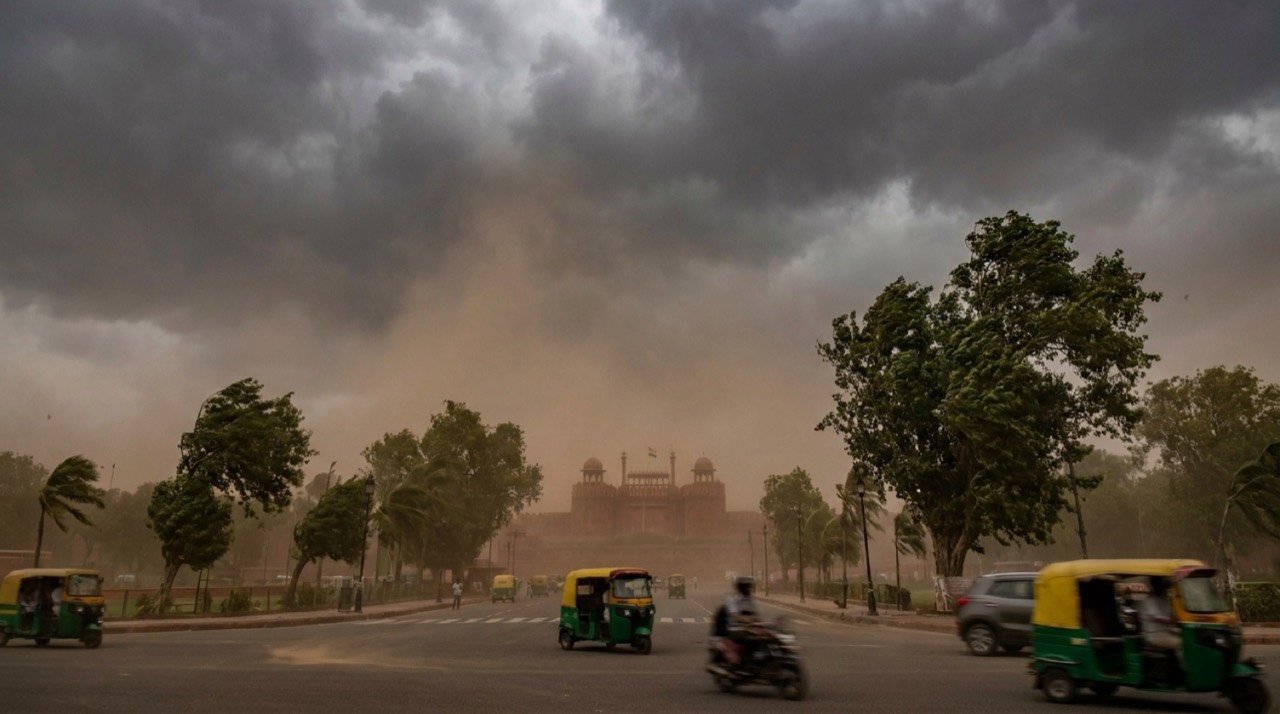
Delhi Red Alert: Dust Storms, Lightning and Rain Sweep the National Capital Region
Delhi moved under a short-term red weather alert on June 23 as dust storms, strong winds and severe thunderstorms threatened traffic, flights, power supply and outdoor safety across the National Capital Region.
More from this section
More
Ahmedabad Bullet Train Station Gets Kite-Inspired Multimodal Hub Plan
Ahmedabad's bullet train station is set to be developed as a multimodal transport hub with a kite-inspired design, giving India's high-speed rail project a distinctive urban landmark rooted in local identity.
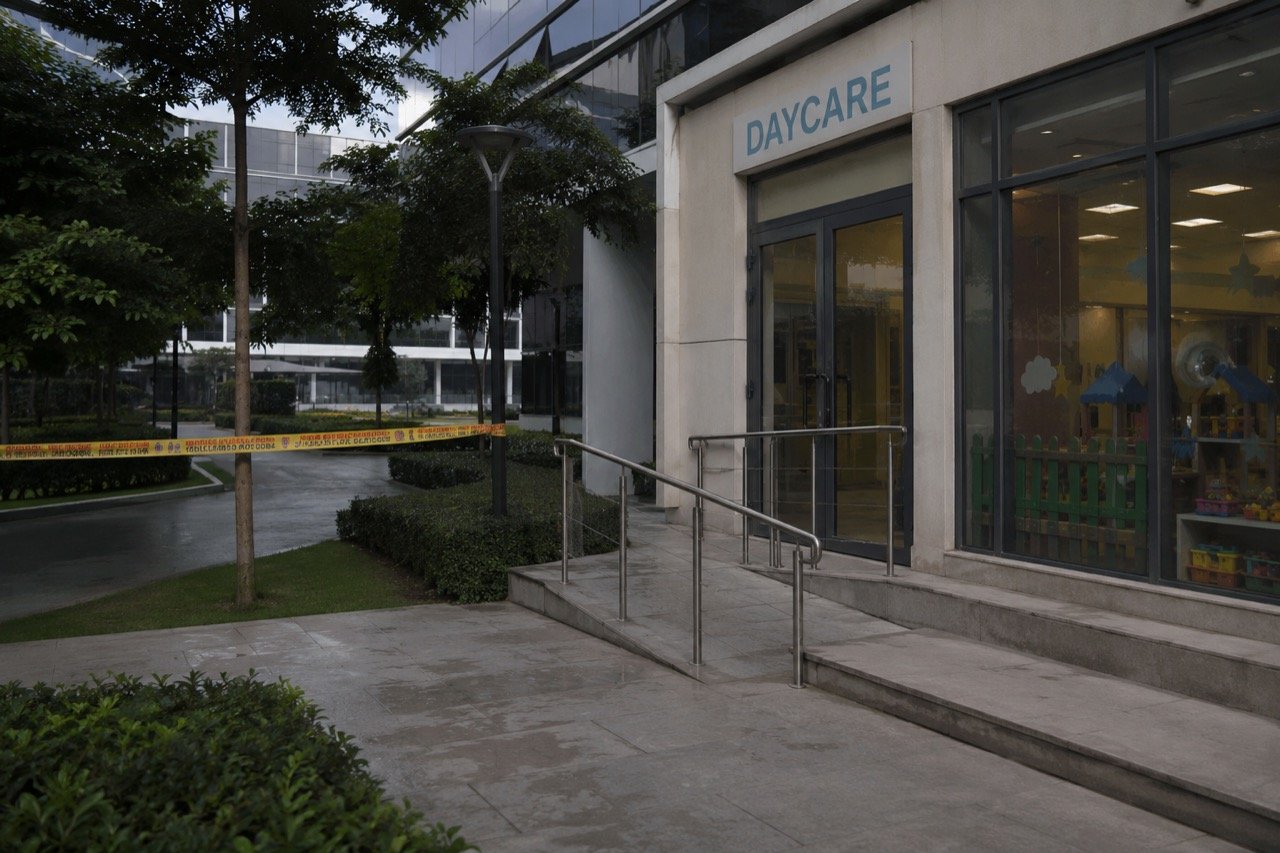
Arrest in Bengaluru Daycare Case Deepens Child Safety Questions
Bengaluru police have arrested a woman connected to the daycare case at a Capgemini campus facility, sharpening scrutiny of caregiver vetting, oversight and accountability at workplace-linked childcare centres.

Assam Case Shows PAN and Voter Cards Are Not Citizenship Proof
A man declared a foreigner in Assam despite holding multiple identity documents has highlighted a crucial legal distinction: everyday IDs establish identity, not citizenship, when a person's legal status is challenged.