Cockroach Janta Party Explained: How Online Satire Became a Gen Z Street Movement
The Cockroach Janta Party began as online satire and has become a youth-led movement demanding examination accountability, political respect and institutional reform
Commentary & Analysis ·
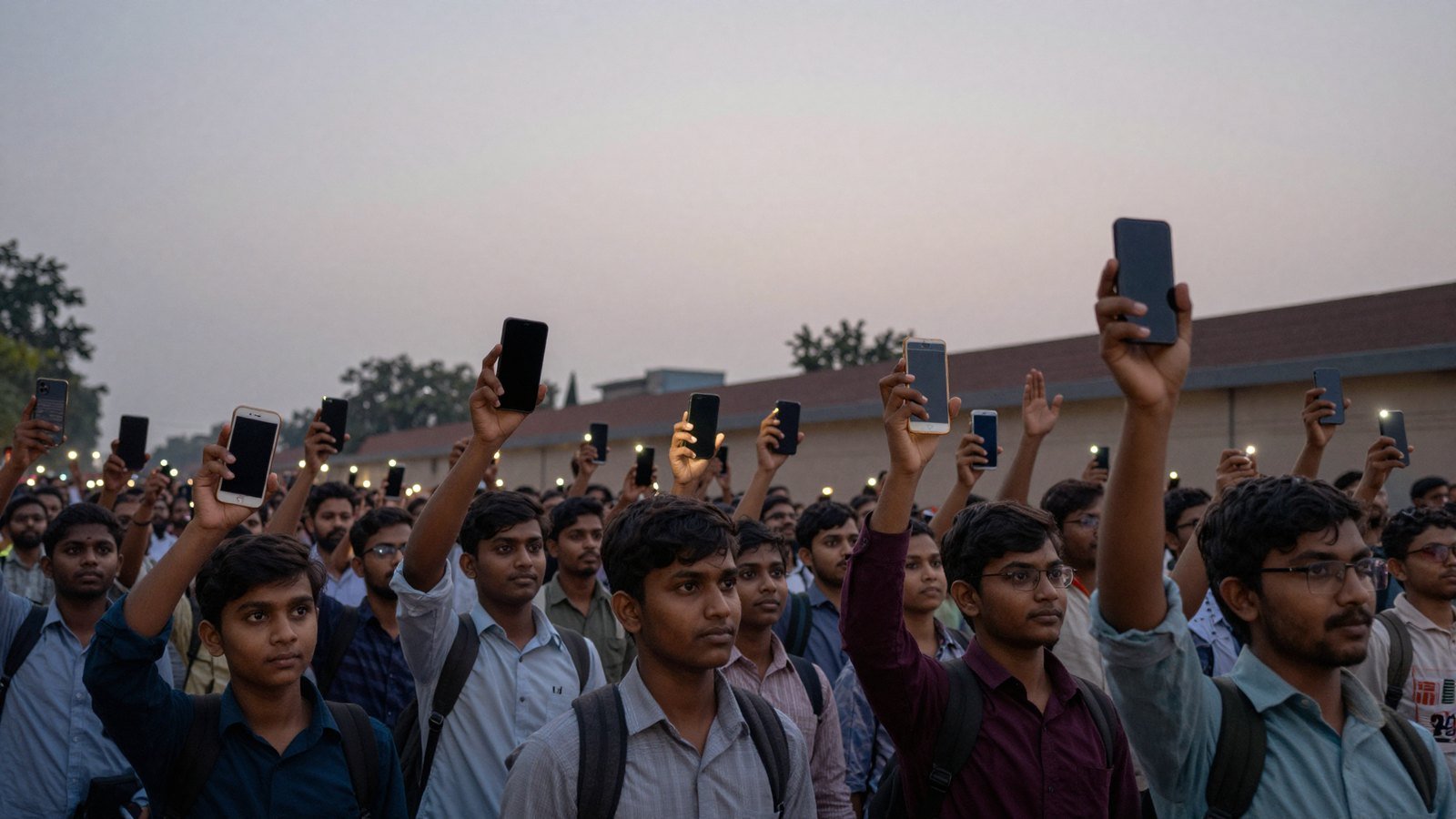
Key facts
- The movement was founded by Abhijeet Dipke after a controversial courtroom reference to unemployed youth as “cockroaches.”
- Supporters reclaimed the insult as a symbol of unity and political visibility.
- The group built a large digital following before organising protests at Jantar Mantar.
- Its current demands centre on examination accountability, education reform and the resignation of the Union education minister.
Why the name caught attention
The phrase Cockroach Janta Party is designed to be impossible to ignore. It takes language intended to belittle unemployed or frustrated youth and turns it into a collective identity. That reversal is a familiar protest technique: a stigmatised label becomes a badge of solidarity. The humour lowers the barrier to participation, while the underlying grievance remains serious. Young users who might not join a conventional party can share a meme, follow a satirical account or attend a protest carrying a symbolic placard. The name therefore functions as both political criticism and digital branding.
From followers to organisation
Large social-media numbers do not automatically create a movement. The CJP became more significant when it moved from online posts to repeated physical gatherings. Jantar Mantar provided a recognised protest location, and the NEET controversy gave participants a concrete issue. Organisers scheduled demonstrations, issued demands and attracted support from student groups, farmers’ organisations, celebrities and opposition politicians. Wangchuk’s hunger strike then gave the campaign a moral centre. The transition shows how digital communities become political actors only when they build routines, leadership, logistics and a willingness to remain present after the first viral moment.
A movement broader than one examination
Although NEET is the immediate trigger, CJP messaging has connected exam leaks to youth unemployment, expensive coaching, delayed recruitment and a sense that institutions dismiss young people. That broader framing helps the group reach students who did not sit the medical entrance test. It also creates a strategic challenge. A movement with too many grievances can struggle to define a negotiable outcome. The strongest campaigns usually combine a clear short-term demand with a larger narrative. For CJP, the resignation demand provides the immediate objective, while “respect and accountability for youth” supplies the broader identity.
Leadership and democratic accountability
Abhijeet Dipke has emerged as the movement’s identifiable organiser, but a youth campaign must show that it is more than one personality or one platform. Transparent decision-making, verified fundraising, volunteer safety and a clear code of non-violence will matter as the movement grows. The group also needs ways for students from different states, languages and social backgrounds to participate. A satirical name can unite people initially; durable organisation requires structures that supporters can trust. Critics will examine whether the movement tolerates disagreement and whether its claims are carefully verified.
The importance of non-violent symbolism
Reports have described supporters using roses, constitutional imagery and peaceful civil-disobedience language. Such symbolism is not decorative. It positions the movement against portrayals of young protesters as chaotic or dangerous. The planned Parliament march will test that commitment under pressure. Organisers need marshals, communication plans and clear instructions to prevent confrontation. Police, in turn, must use proportionate restrictions and facilitate lawful expression where possible. The movement’s legitimacy will depend partly on whether it can keep attention on examination reform rather than clashes.
Can CJP become a lasting political force?
The word “party” does not necessarily mean that CJP will register for elections. It may remain a movement, a pressure group or a digital network. Its longer-term influence will depend on whether it wins concrete reforms and sustains participation after the hunger strike ends. If it produces policy proposals, trains local organisers and protects internal democracy, it could shape youth politics without contesting seats. If it relies entirely on viral outrage, attention may move elsewhere. The current moment is therefore both an opportunity and an organisational test.
What readers and publishers should monitor
Readers following this angle should track the July 20 turnout, a formal CJP charter, funding and volunteer transparency, alliances with student and farmer groups, and whether the movement enters electoral politics. Because this is a fast-moving protest, every figure and procedural claim should carry a date. Health information should come from doctors or court records; protest logistics should come from organisers and police; legal conclusions should be tied to the actual order; and allegations about examination wrongdoing should remain attributed until established by investigation or judgment. The primary keyword should appear naturally in the headline, introduction, one subheading, image alt text and conclusion. Secondary terms should be used only where they answer a genuine reader question. Repeating a phrase mechanically can reduce readability and search quality. The strongest publication strategy is to update the article rather than create a misleading new headline for every minor development. Add a timestamp, preserve the earlier context, explain what has changed and correct outdated numbers visibly. That approach serves readers, protects credibility and prevents the hunger strike from being reduced to a stream of disconnected viral claims.
A final editorial perspective
A final point is that the issue should be covered as a democratic accountability story rather than a contest of personal endurance. The policy questions concern secure examinations, public responsibility, student welfare and the state’s response to peaceful dissent. The human question concerns how to protect a protester’s life without erasing autonomy or turning medical risk into spectacle. Good reporting keeps both dimensions visible. It presents competing arguments fairly, marks uncertainty, uses precise dates and returns repeatedly to the people most affected: students and families who need a trustworthy system. The article should also explain what would count as evidence of progress, which institution has authority to act, and how readers can distinguish an official update from a political claim. That additional context makes the piece useful after the immediate search spike fades.
Sources
- AP, July 16, 2026, profile of the CJP movement.
- The Guardian, June 8 and July 17, 2026, reporting on CJP’s digital growth and street mobilisation.
- The Indian Express coverage of the CJP protest and open letter.
- Economic Times topic coverage of CJP demands.
This article is original news analysis and commentary by The NE Times, based on reporting from the sources listed above.
You may also like to read
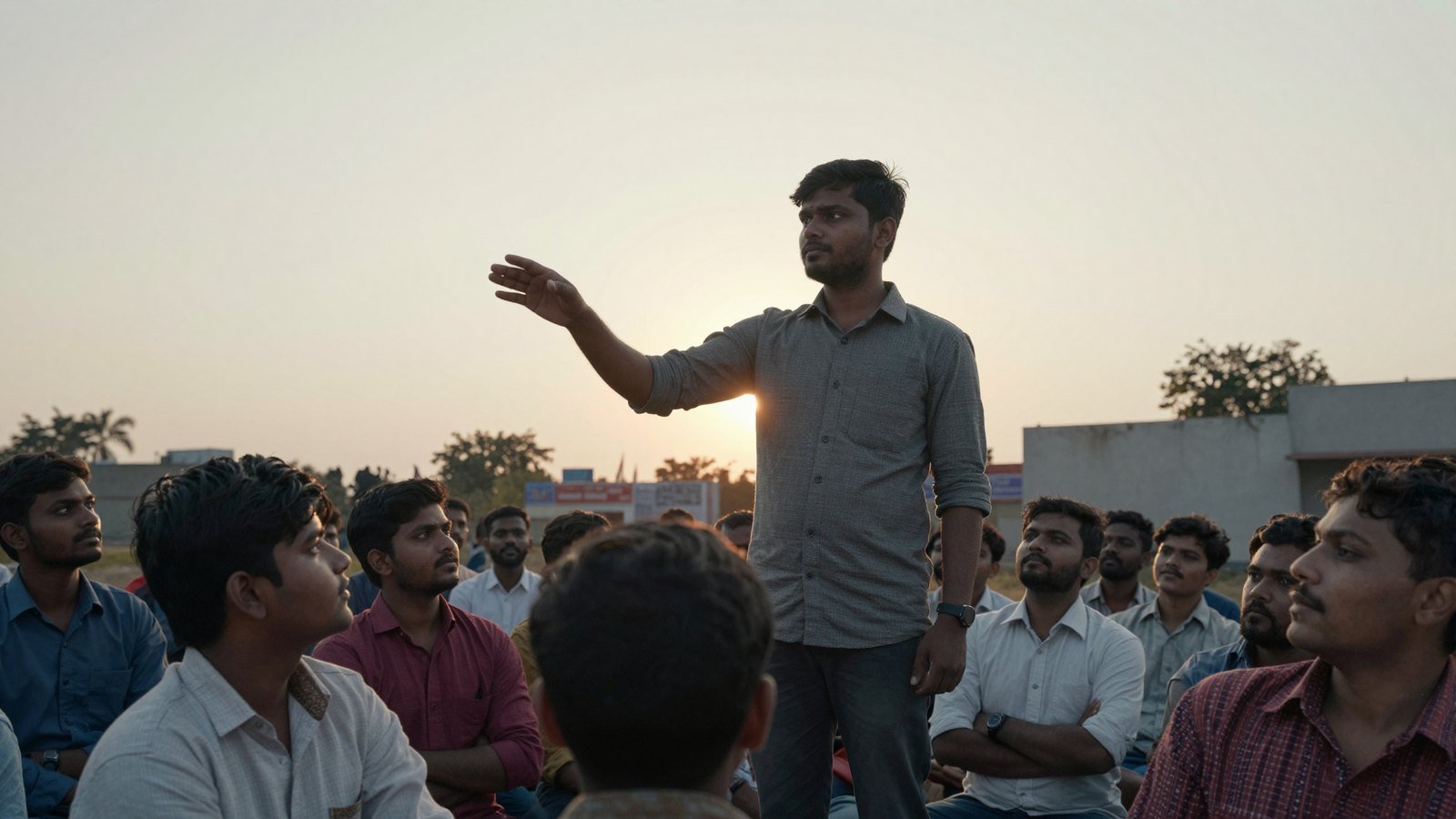
Who Is Abhijeet Dipke? The Founder Behind the Cockroach Janta Party's Shift From Satire to Street Power
Understanding the founder helps explain the movement's language, organisational style and tension between anti-establishment humour and the
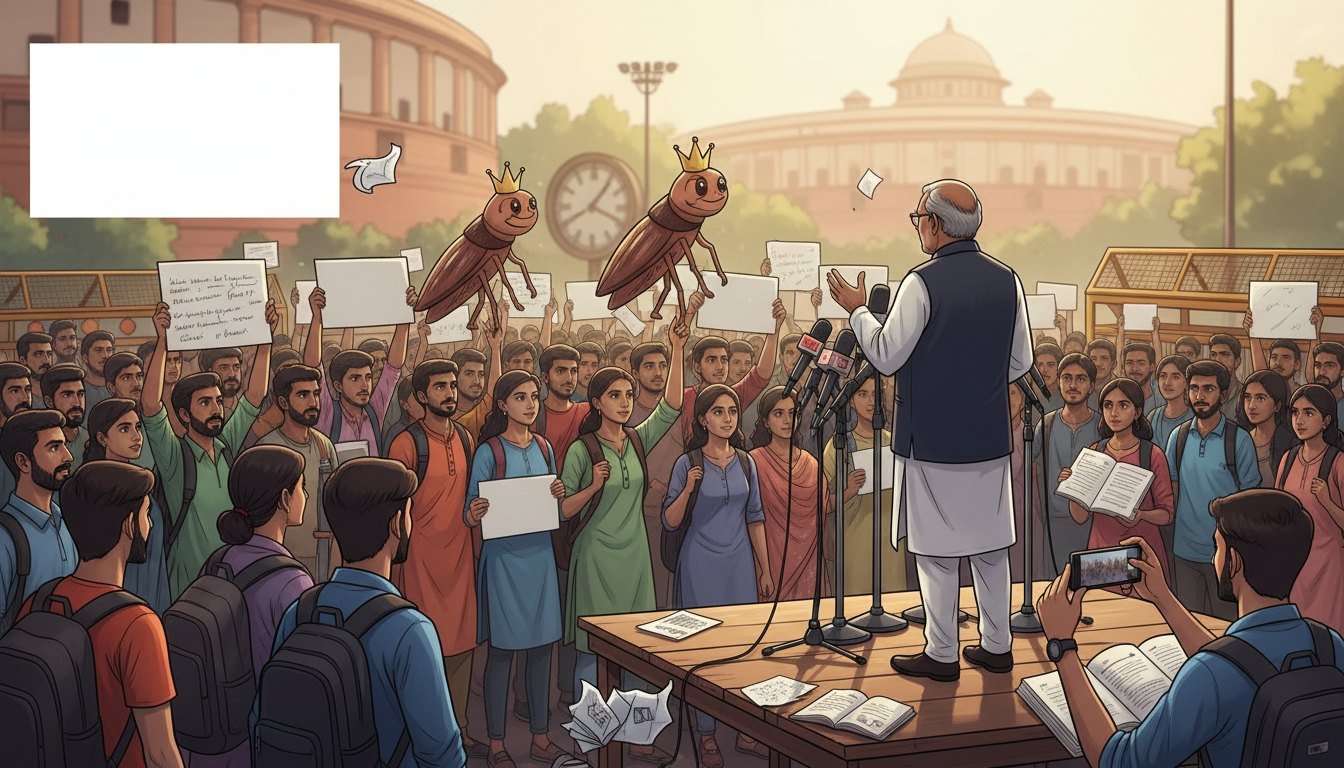
Uddhav Thackeray Backs Cockroach Janta Party Protest as Youth Movement Plans 20 July Parliament March
A satirical online formation has grown into a wider campaign over examination accountability, drawing support from established political leaders while testing whether digital anger can sustain organised action.

What Did the Centre Promise Sonam Wangchuk? A Clause-by-Clause Guide to the Assurances
The settlement that ended the fast is best understood by separating broad political language from specific commitments that students can monitor
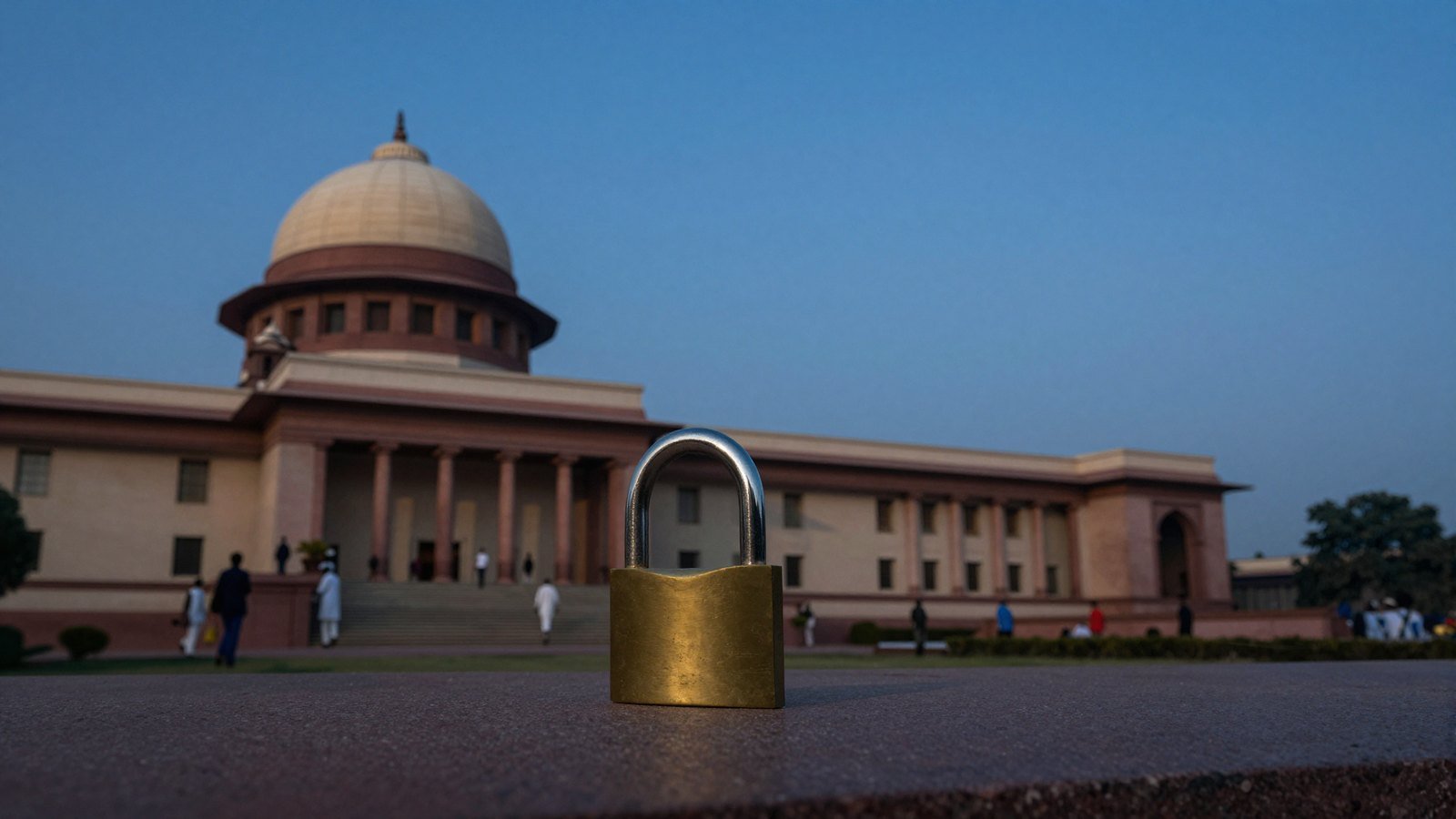
A Stronger Anti-Paper-Leak Law: Penalties, Prevention and the Questions Parliament Must Answer
A tougher statute will be judged not only by maximum penalties but by whether it prevents insider compromise, protects evidence and gives candidates
More from this section
More
Opposition Parties and the Student Protest: Support in Parliament, Strategy on the Street
Opposition backing increased parliamentary pressure and media reach, while organisers tried to preserve an identity larger than conventional party

Why Moving a Senior Education Official Matters—and Why Personnel Changes Alone Are Not Reform
Personnel action can signal accountability, but durable examination reform requires public reasons, institutional redesign and follow-through beyond
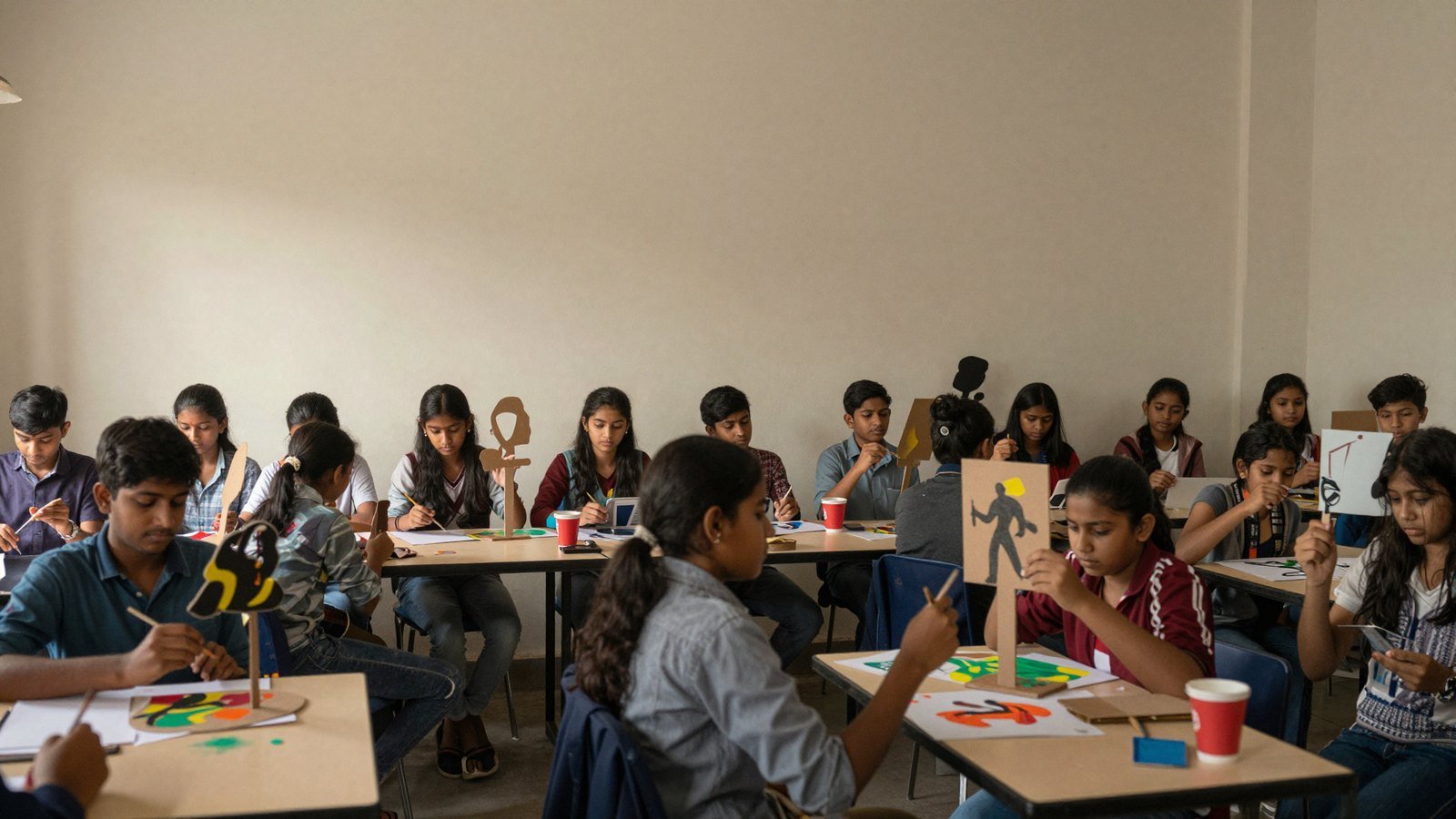
Spider-Man, Hulk and Protest Memes: How Pop Culture Helped Students Communicate
Costumes, memes and satire made a technical education dispute emotionally accessible while preserving the movement's irreverent identity