Coal India Q1 Output Falls, Raising Monsoon Power Supply Questions
A reported first-quarter production decline at Coal India has put mining trends, monsoon disruption and power-sector inventory planning under scrutiny, given coal's central role in keeping India's lights on.
The NE Times Business Desk
Commentary & Analysis ·
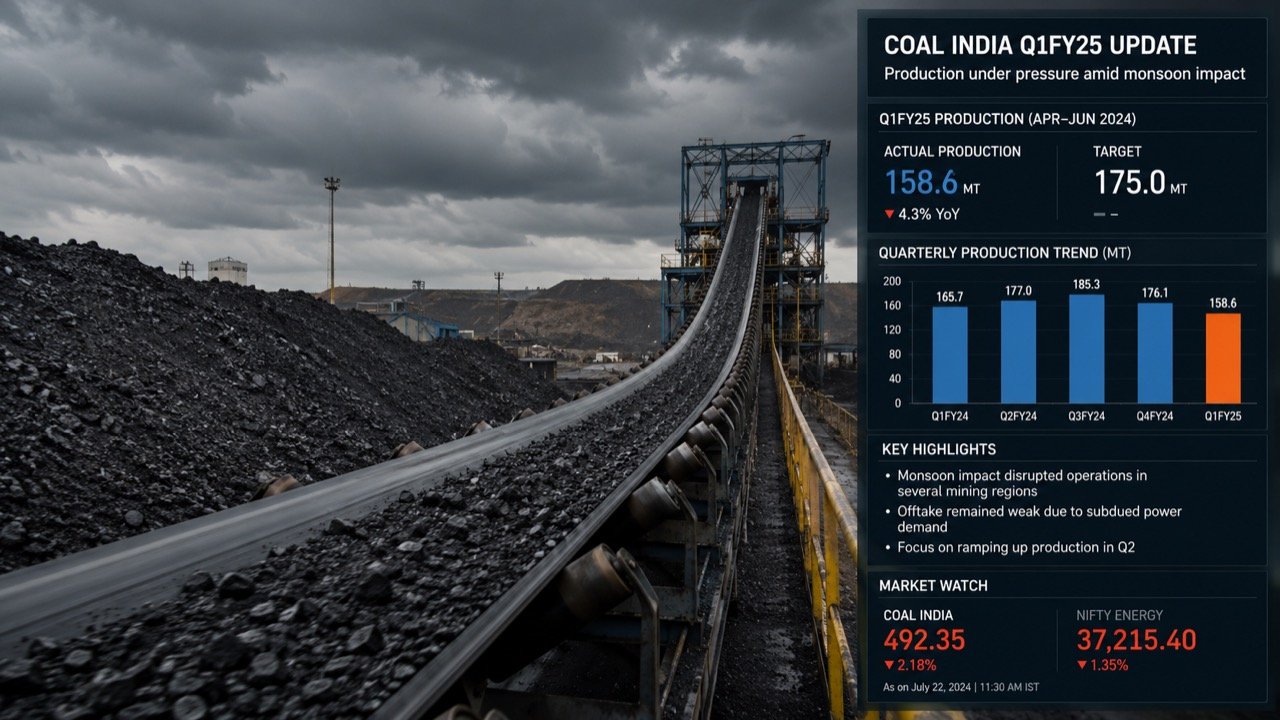
Coal India has drawn fresh business-news attention after reports of a decline in its first-quarter output, a data point with implications far beyond one company's scorecard. Because coal still anchors the bulk of India's electricity generation, any wobble in production feeds straight into questions about power-sector planning.
What can move the output needle
Coal production is shaped by weather, mine logistics and demand cycles, and the June quarter runs into the teeth of the monsoon. Heavy rain can flood pits, slow overburden removal and disrupt rail transport from mine to plant. That is precisely why inventory planning — how much coal power stations and industrial users hold in stock — becomes the critical buffer in these months.
A signal to monitor, not a crisis
The measured reading is that one quarter's production movement has to be assessed alongside dispatches, stock levels at power plants and actual electricity demand. If stocks were built up ahead of the rains and dispatches are holding, a temporary output dip is manageable. A decline is a flag for closer monitoring rather than, by itself, evidence of a looming supply crunch.
Still, the episode is a reminder of how concentrated India's power system remains on a single fuel and, to a large degree, a single producer. Output trends at Coal India are effectively a barometer for the country's baseload security.
The NE Times View
India has been here before: monsoon months test the coal-to-power chain every year, and the difference between a non-event and a headline crisis is almost always inventory discipline. The right response to this quarter's dip is neither alarm nor complacency, but transparency — regular, credible data on plant-level stocks so that markets and consumers are not left guessing. The longer-term lesson is harder: as long as one company's quarterly output can raise national supply questions, the case for faster diversification into storage-backed renewables and better rail logistics writes itself.
This article is original commentary and analysis by The NE Times. Background facts were referenced from Business Standard.
You may also like to read

Kerala's New UDF Government Faces Its First Monsoon Test Under Satheesan
Weeks after ending two terms of LDF rule, Chief Minister V. D. Satheesan's United Democratic Front administration is steering the state through an active southwest monsoon while settling into power.
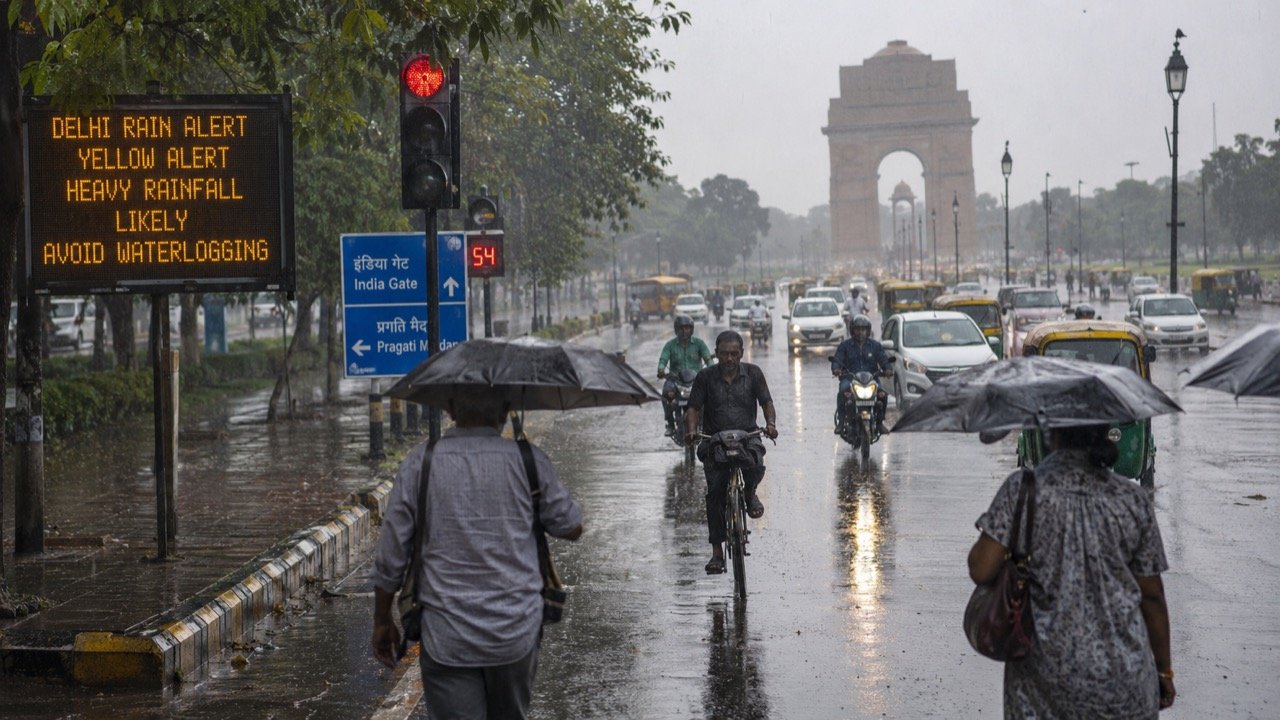
Delhi Rain Alert: Monsoon Travel and Civic Readiness Under Watch
Delhi's monsoon rain watch has residents tracking weather alerts and traffic advisories, as even moderate showers test the capital's drainage, underpasses and last-mile travel networks.
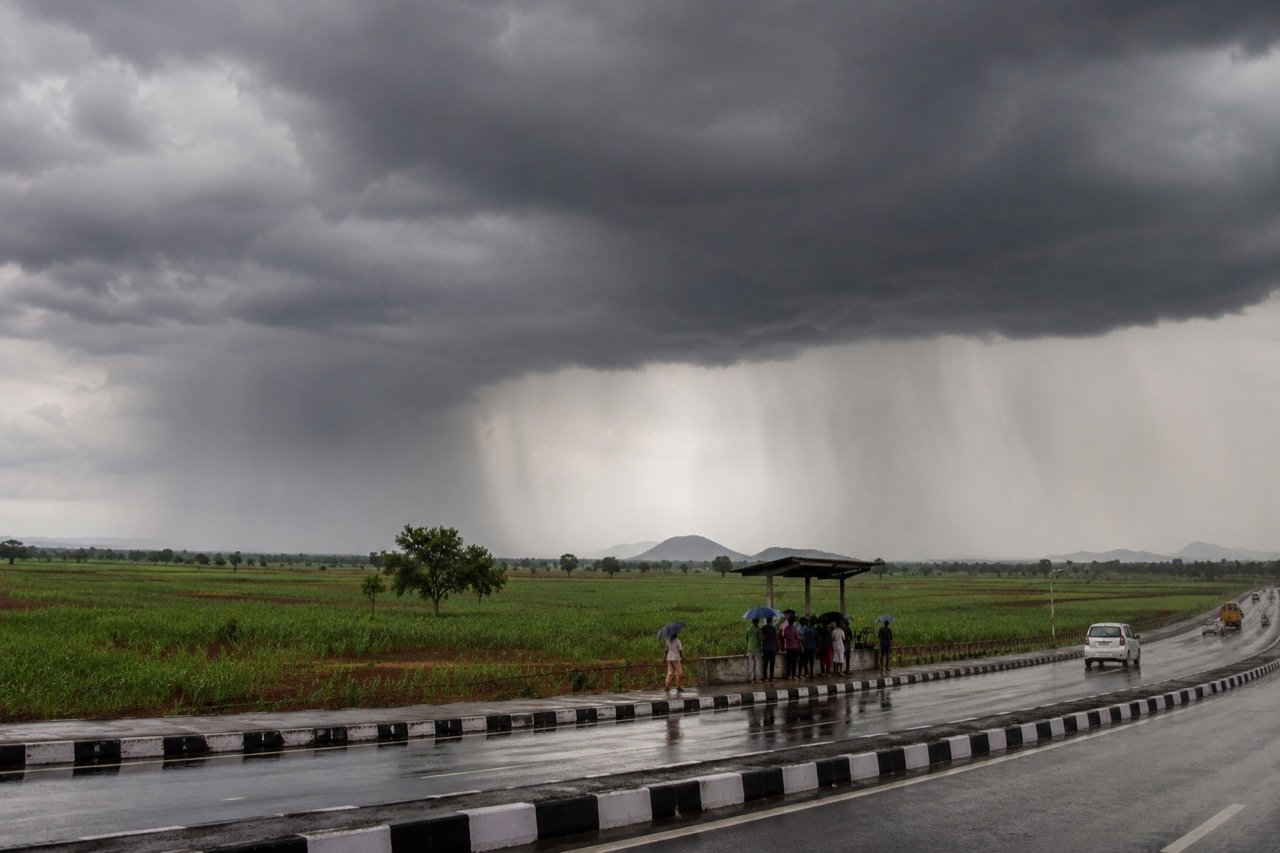
IMD Forecast: Active Monsoon Over Central India Narrows Rain Deficit
The IMD expects the southwest monsoon to stay active over central India for four to five days, driven by a Bay of Bengal low-pressure system that has sharply narrowed the season's rainfall deficit.

Monsoon Surges Into Central India as Heatwave Grips the East: A Split Weather Map
The India Meteorological Department reported the monsoon advancing into Gujarat and central India on 24 June even as severe heat scorched the east, leaving the country under a sharply divided weather pattern.
More from this section
More
Adani Case: US DOJ Pushes for Permanent Dismissal of Charges
The US Department of Justice has urged a judge to permanently dismiss charges against Gautam Adani, calling the case legally flawed — a reversal with consequences for markets, diplomacy and cross-border enforcement.

Akasa Air Inducts 40th Aircraft in Indian Aviation Scale-Up
Akasa Air's 40th aircraft, ferried to Bengaluru via Seattle, Reykjavik and Cairo, marks a fleet milestone for the young carrier and a fresh signal that India's aviation market remains firmly in expansion mode.
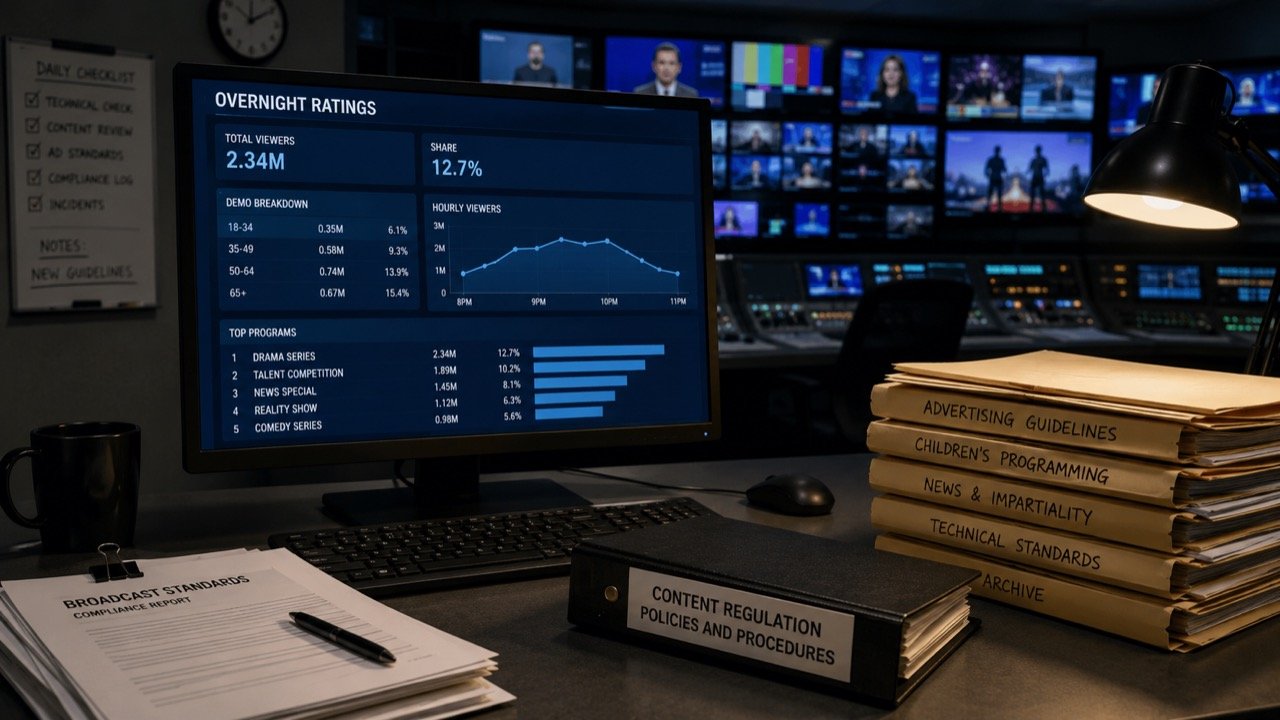
BARC Ratings Suspension Leaves Indian TV Industry Flying Blind
BARC's pause on television ratings has put India's broadcast measurement system under fresh scrutiny, leaving broadcasters, advertisers and media planners without the weekly audience data that anchors the TV economy.