Chandrayaan-3 Data Tied to Earth's First Lunar Meteorite
New science coverage says findings from ISRO's Chandrayaan-3 mission reveal a link to Earth's first lunar meteorite, showing the landmark landing is still generating research long after touchdown.
The NE Times Technology Desk
Commentary & Analysis ·
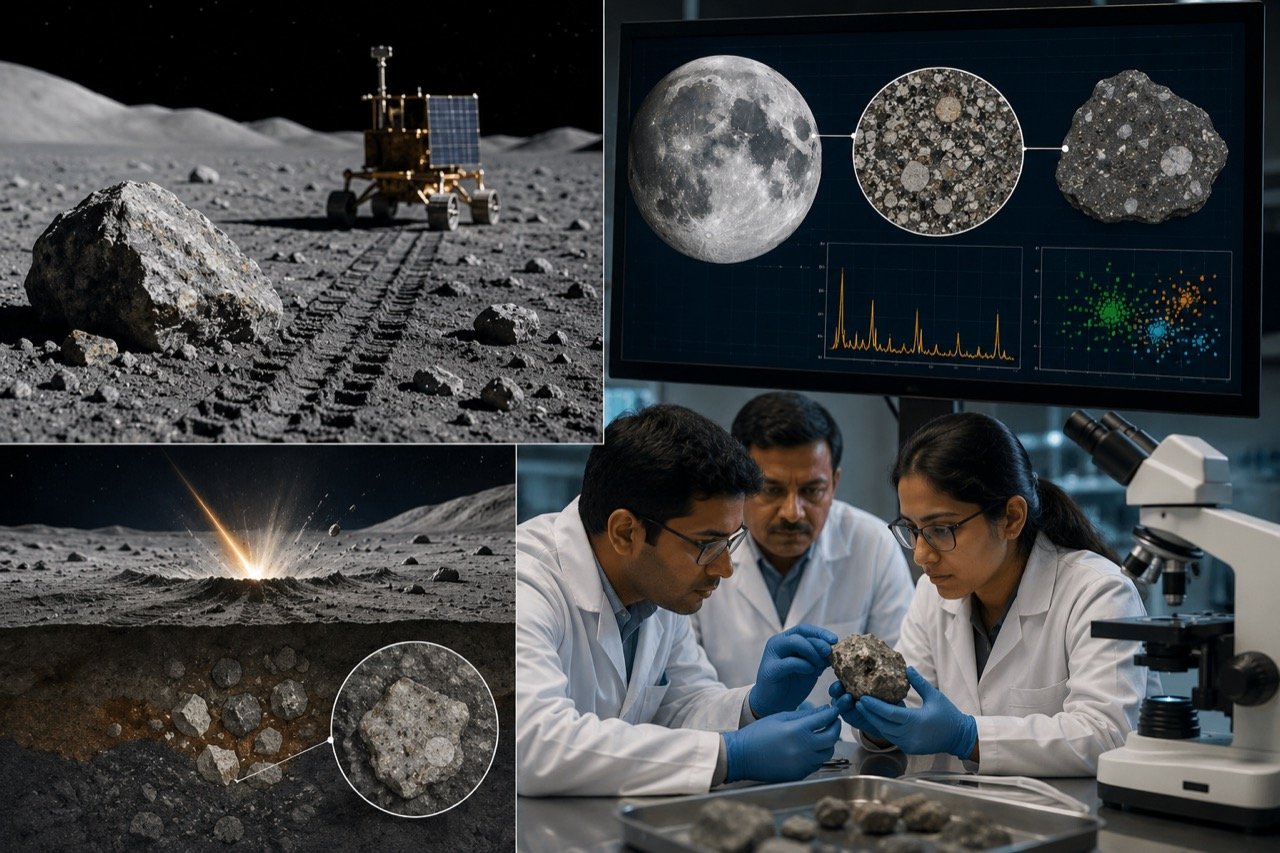
Chandrayaan-3 has returned to the science headlines after Indian Express reported that findings from ISRO's mission reveal a connection to Earth's first lunar meteorite. Nearly three years after its celebrated landing near the Moon's south pole, the mission's data is still opening new windows into lunar history.
Why a meteorite link matters
The Moon is anything but a static object in scientific terms. Its rocks, craters and surface chemistry preserve a record of events from the early solar system. Connecting Chandrayaan-3's measurements to a lunar meteorite — a piece of the Moon that reached Earth naturally — lets scientists cross-check remote observations, in-situ readings and physical samples against one another, sharpening confidence in all three.
Missions keep working after the spectacle fades
The finding underlines a broader truth about planetary exploration: the most visible moment of a mission may last minutes, but its research life runs for years. Data analysis unfolds over months and decades, and each paper refines the larger picture of the Moon's surface, composition and geological evolution.
There is also a national dimension. Sustained scientific output from Chandrayaan-3 strengthens the case for continued investment in India's planetary programme, demonstrating that a landing triumph can convert into lasting research credibility for ISRO and Indian institutions.
The NE Times View
Chandrayaan-3's second act may prove more valuable than its first. The landing gave India a place in the record books, but discoveries like this meteorite link are what earn a space programme scientific standing — the kind that attracts international collaborations, journal citations and the next generation of researchers. For India, the lesson is to fund the unglamorous half of space science: data archives, analysis teams and university partnerships that turn telemetry into knowledge. If that continues, the mission that cost less than many Hollywood films will keep paying dividends for decades.
This article is original commentary and analysis by The NE Times. Background facts were referenced from Indian Express.
You may also like to read
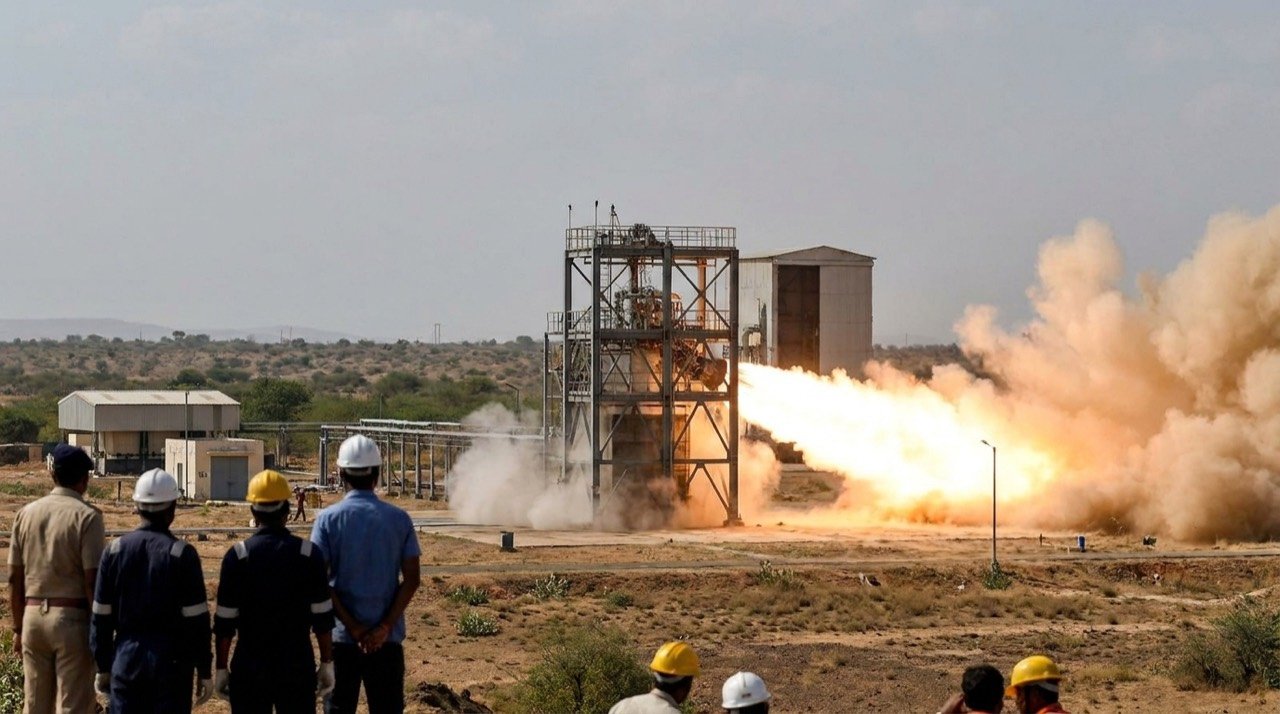
ISRO Fires Semi-Cryogenic Engine Power Head at 175 Tonnes in Landmark Hot Test
ISRO successfully ran its indigenous semi-cryogenic engine power head at 175 tonnes of thrust, clearing a key hurdle toward powering the LVM3 upgrade and the Next Generation Launch Vehicle.
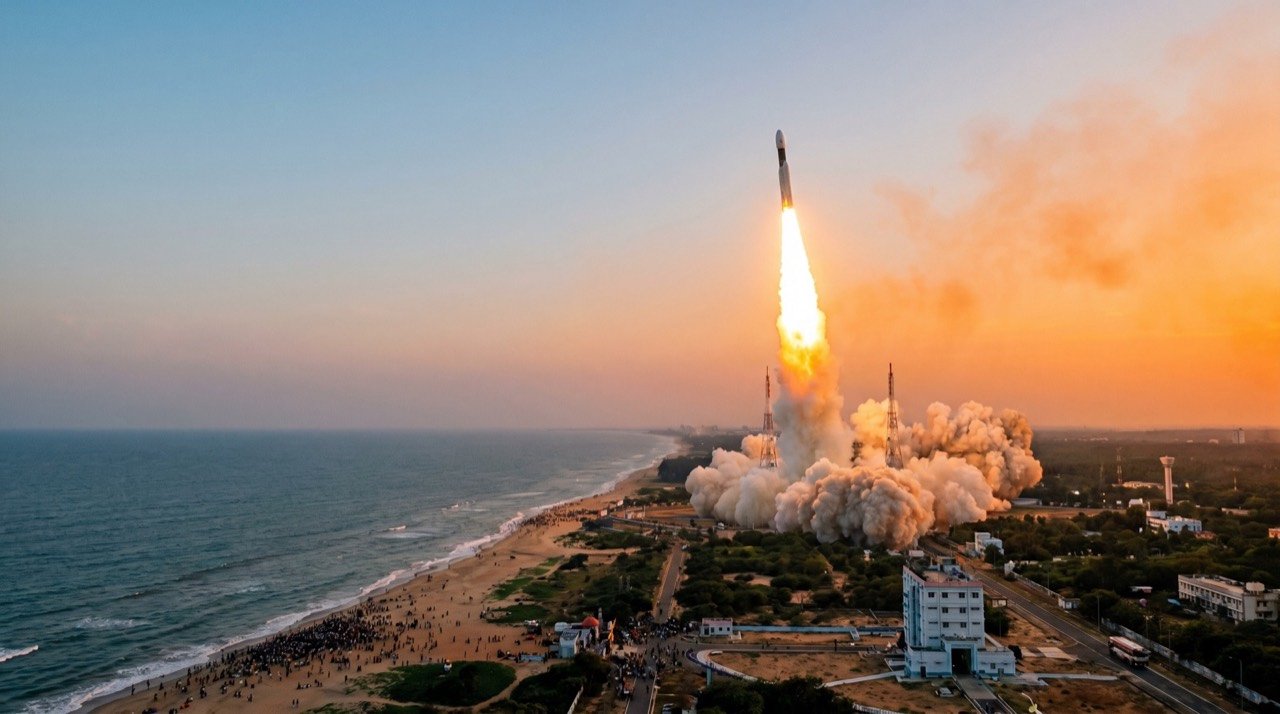
ISRO Pushes Toward First Uncrewed Gaganyaan Flight With Humanoid Vyommitra Aboard
ISRO has confirmed that flight integration for its first uncrewed Gaganyaan mission is underway, with the humanoid robot Vyommitra set to ride an LVM3 rocket ahead of a crewed launch in 2027.

ISRO Lines Up Uncrewed Gaganyaan Test Flights Ahead of 2027 Crewed Mission
The space agency has detailed a packed schedule of uncrewed missions for 2026, including the debut Gaganyaan flight carrying the humanoid robot Vyommitra, as it prepares for India's first human spaceflight.
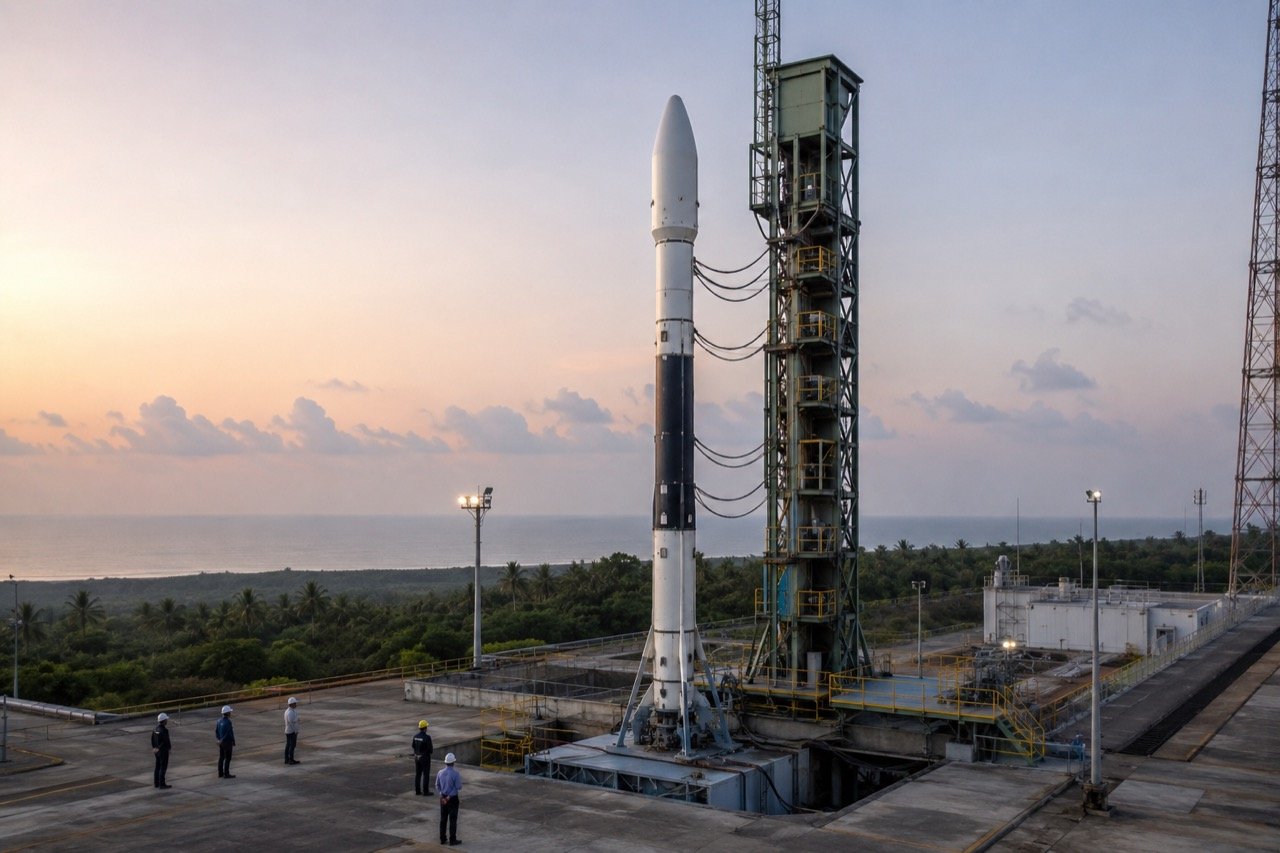
Vikram-1 Countdown: India's First Private Orbital Rocket Nears Lift-Off
Skyroot Aerospace has stacked its Vikram-1 rocket at Sriharikota with a launch window from July 12 to August 4, putting India's private space ambitions on the pad for the first time.
More from this section
More
Centre Set to Summon Meta Over Instagram Ads Endangering Children
The government reportedly plans to summon Meta over Instagram advertisements alleged to promote child sexual abuse material, thrusting ad-review systems and platform accountability to the centre of India's tech-policy debate.
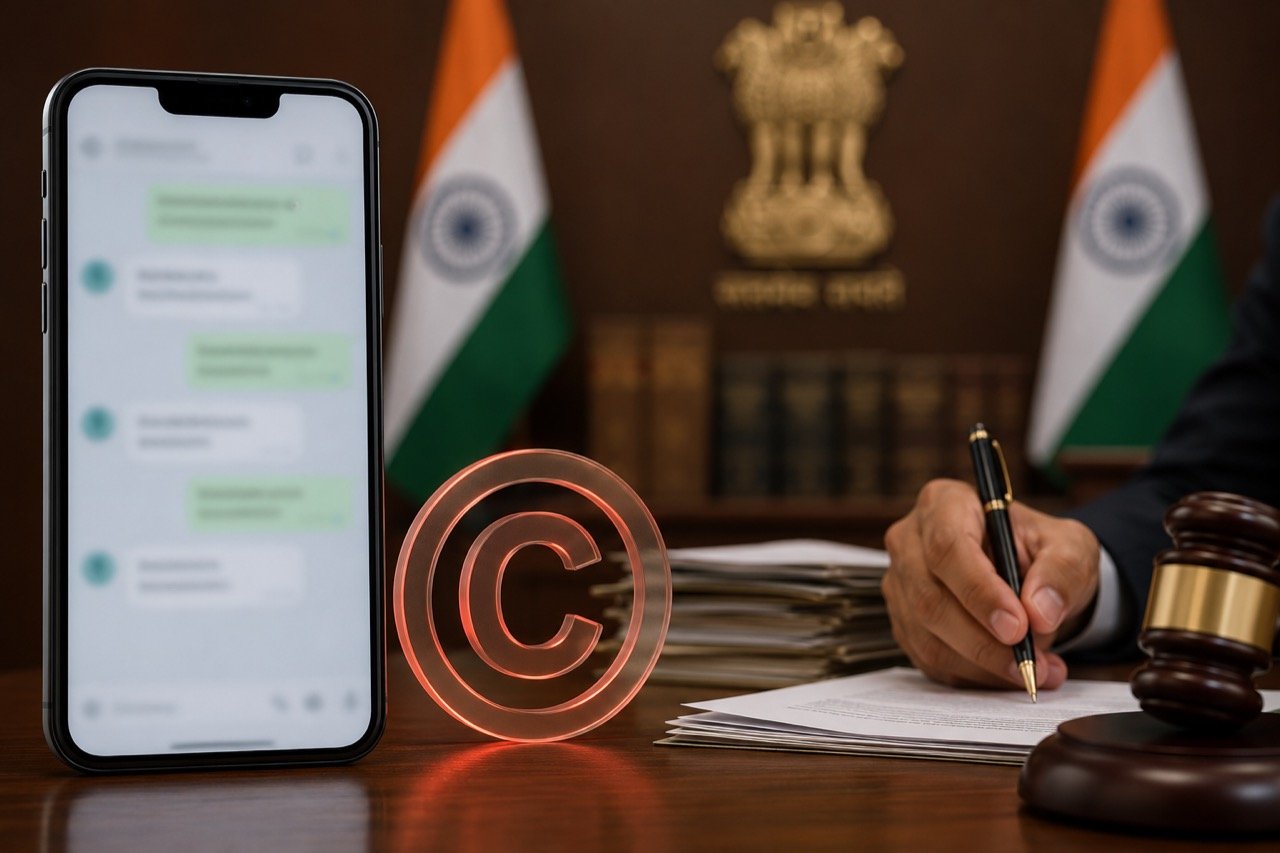
Centre Warns Telegram on Piracy in Platform Accountability Drive
The government has issued a stern warning to Telegram over pirated films, books and exam material circulating on the app, sharpening India's push to hold digital platforms accountable for unlawful content.
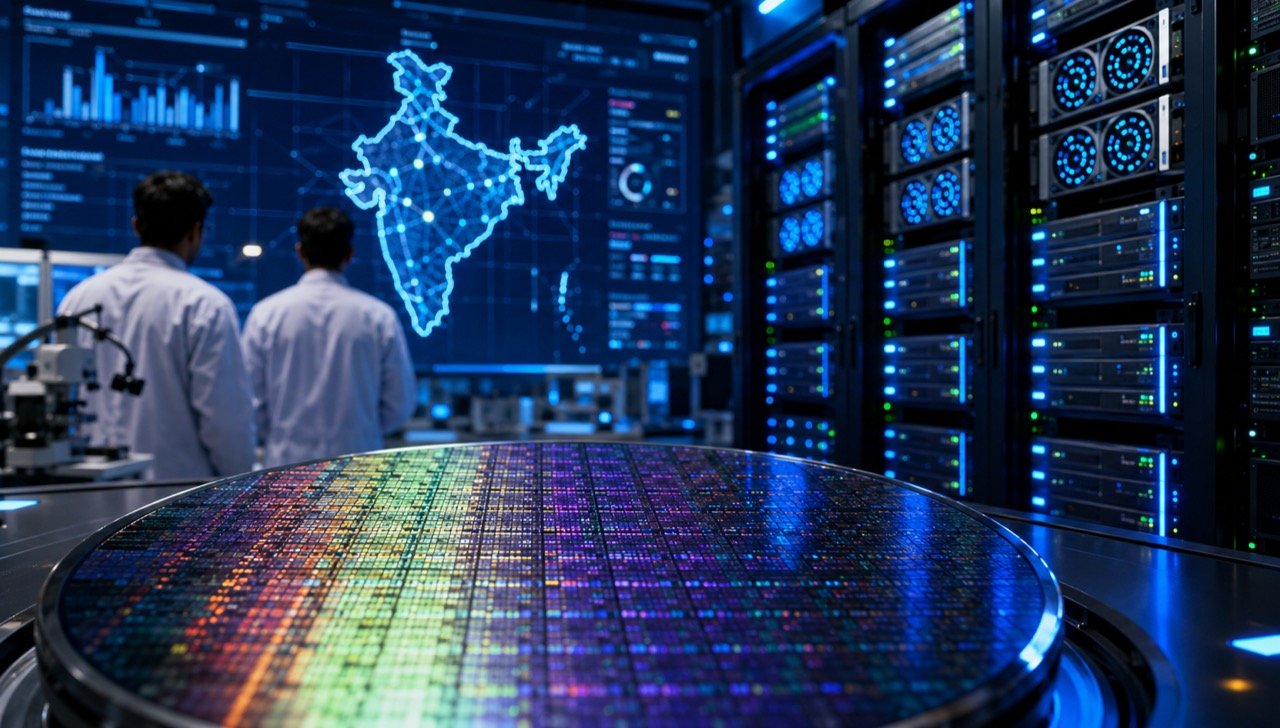
Digital India Turns 11: AI GPUs, Chips and the Harder Next Phase
Eleven years in, Digital India is being judged less by its early public-service wins and more by whether it can deliver semiconductors, AI compute and resilient payments infrastructure at scale.