Census 2026 Caste Count Moves Into Houselisting Phase, Reshaping Reservation Politics
India's first digital, caste-enumerated census has entered its staggered houselisting phase across states, setting up far-reaching consequences for OBC reservation, welfare targeting and electoral strategy.
Commentary & Analysis ·
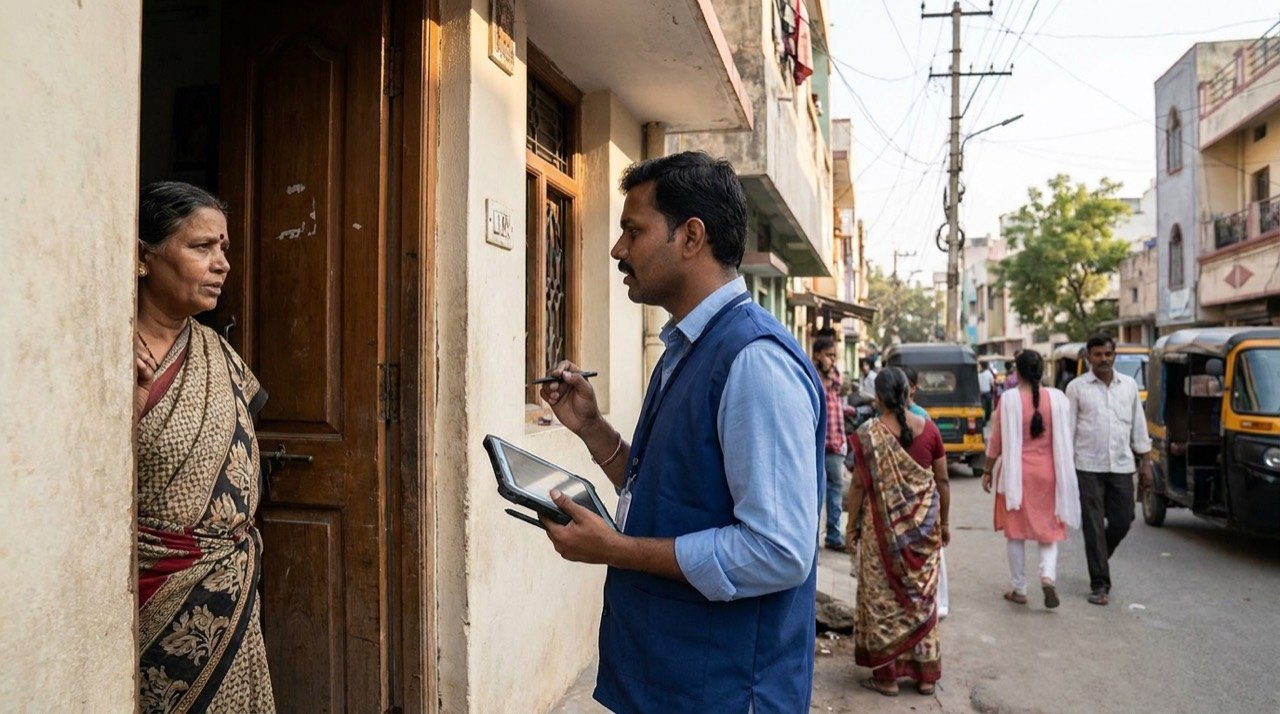
India's decennial census, the first to be conducted digitally and the first to enumerate caste beyond the Scheduled Castes and Scheduled Tribes since 1931, has moved deeper into its houselisting phase this summer, with field operations rolling out in a staggered manner across the 36 states and union territories between April and September. The exercise is being closely watched for its political and policy ramifications, and rightly so. Few statistical undertakings carry the weight this one does: a headcount that will, in time, redraw the arithmetic of reservation, welfare and representation across the country.
How the rollout works
The Houselisting and Housing Census, which collects data on dwellings and household amenities, is the first of two major phases. A 15-day self-enumeration window opens immediately before house-to-house operations begin in each jurisdiction, creating an effective 45-day block per state. Enumerators are using secure tablets, while citizens can submit their own details through a dedicated web portal. The staggered timetable, spread across states between April and September, reflects the sheer logistical scale of counting a population as large and diverse as India's, and it also means different parts of the country will experience the exercise at different times, with attendant differences in local administrative readiness and public awareness.
The population enumeration phase, which will capture detailed socio-economic data including caste, is scheduled for early 2027. It is this later stage that will produce the headline caste numbers around which much of the political contest now revolves. The sequencing matters: houselisting is largely a technical and infrastructural exercise, but it is also the phase that builds public trust, or erodes it, in the digital architecture that will later be asked to carry far more sensitive information.
Why caste data is contentious
For decades, India has lacked comprehensive caste data beyond SC and ST categories, leaving the size of Other Backward Classes a matter of estimation rather than fact. Policy on reservation, welfare targeting and representation has, in effect, been built on approximation for nearly a century. A digital count promises far greater accuracy, which proponents say will allow welfare schemes and reservation frameworks to be recalibrated on firmer evidence than the patchwork of surveys and political assumptions that have filled the gap until now.
Opposition and regional parties have long pressed for the count, viewing precise OBC numbers as a lever for expanded reservation. Their argument has generally been that if OBC communities constitute a larger share of the population than current reservation ceilings assume, then the case for revisiting those ceilings becomes far harder to resist on evidentiary grounds. The government, having folded caste into the census after years of resisting such calls, now faces the harder question of how the eventual figures will translate into policy, a question it has not yet had to answer in concrete terms because the numbers do not yet exist.
The downstream effects
Several strands run together here. This is the first caste enumeration beyond SC/ST since 1931, meaning the country is about to receive a category of information it has not had in any authoritative form for nearly a century. Houselisting runs across states in a staggered window through September, laying the groundwork for the more consequential population enumeration to follow. Self-enumeration via a web portal is being offered for the first time, a significant departure from the purely enumerator-led model of past censuses, and one that will need to be assessed for accuracy, uptake and digital access disparities once the data is in.
Accurate OBC counts could reshape reservation in education and jobs, particularly in states where existing quotas were set using outdated or contested estimates. Caste data is also expected to influence welfare targeting and electoral strategy, since parties across the spectrum will look to the numbers to justify positions they have long held on faith or convenience rather than evidence. As one observation puts it, a reliable caste count changes the terms of every reservation debate; the politics will follow the numbers, not precede them. That is a useful discipline to keep in mind as commentary on the census inevitably intensifies before any figures are actually published.
What to watch as the process unfolds
As the houselisting phase advances, attention will shift to three areas in particular: data quality, privacy safeguards around the digital architecture, and how parties position themselves ahead of the eventual release. On data quality, the self-enumeration option is untested at this scale in India, and its reliability relative to traditional door-to-door collection will be an early indicator of how much confidence the final caste figures deserve. On privacy, a digital census that stores household and eventually caste data on networked systems raises questions about security and misuse that a paper-based exercise did not have to confront in the same way.
On politics, expect positioning to sharpen well before the population enumeration phase even begins in 2027. Parties that have campaigned for a caste count will want to be seen shaping how the results are used, while the government will face pressure to clarify, sooner rather than later, what mechanism will translate raw numbers into policy change, if any. The census, often treated as a technical exercise conducted quietly in the background of national life, has firmly become a fixture of the country's political conversation, and it is likely to remain one for years after the final figures are tabulated.
The NE Times View
A digital, caste-counted census is the most politically loaded data exercise India has attempted in decades. The numbers will outlast any government, reshaping reservation maths, welfare targeting and the very vocabulary of electoral mobilisation for a generation or more. Accuracy and transparency in enumeration now matter enormously, because contested figures will be weaponised for years regardless of which party is in office when they are released. This is less a headcount than a redrawing of the country's social contract, and the institutions responsible for it, statistical, administrative and political alike, would do well to treat it with the seriousness that description demands. The staggered, methodical pace of the current houselisting phase is, if nothing else, a reminder that the more consequential reckoning is still some eighteen months away.
Key takeaways
- Houselisting, the first of two census phases, is rolling out in staggered 45-day windows across states between April and September, with the caste-inclusive population enumeration to follow in early 2027.
- This will be the first caste enumeration beyond SC/ST categories since 1931, ending decades of reliance on estimated OBC population figures.
- A new self-enumeration web portal, offered alongside traditional enumerator visits, marks a first for the Indian census and will be an early test of the digital architecture's reliability.
- Accurate OBC data could force a recalibration of reservation frameworks in education and employment, and is expected to shape welfare targeting and electoral strategy well before the figures are formally released.
- Data quality and privacy safeguards in the digital rollout, alongside how political parties position themselves in advance, are the key indicators to watch as the process moves toward 2027.
You may also like to read
Centre Lines Up Six New Bills for Monsoon Session as Crowded Legislative Agenda Takes Shape
The Union government is preparing a packed monsoon session of Parliament, slating six fresh bills alongside the Finance Bill and a high-stakes return of the delimitation legislation in late July.
FCRA Rule Changes Put NGO Foreign Funding Under Sharper Scrutiny
Amended FCRA rules will require NGOs to specify why they seek foreign funds, where they operate and who controls them, while excluding proselytisation from permitted faith-based activities.
Vijay's First Detailed Assembly Speech Sets the Tamil Nadu Agenda
In his first detailed Assembly speech, Tamil Nadu CM Vijay framed welfare, governance, state rights and Centre-state relations as the benchmarks his new government wants to be judged on.
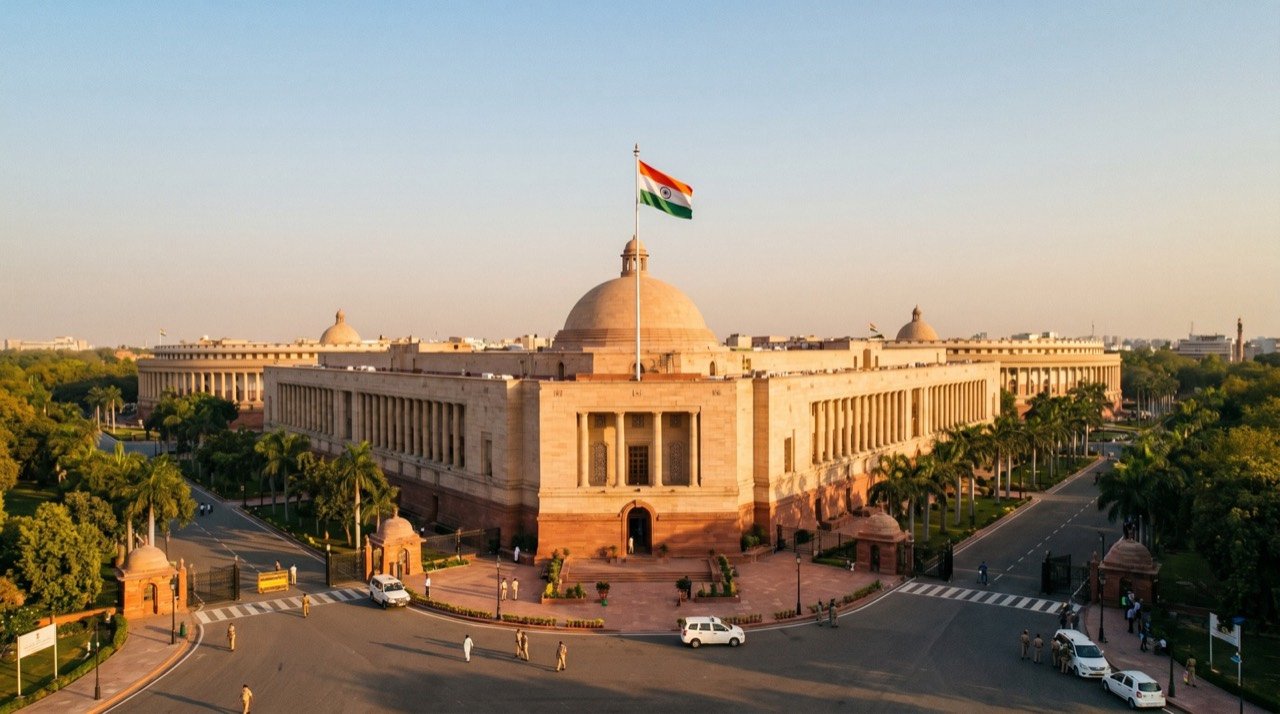
Parliament's Monsoon Session to Take Up Key Economic and Welfare Bills
Lawmakers return to a packed legislative agenda, with debate expected on data-protection rules, labour codes and a fresh welfare push ahead of state polls.
More from this section
More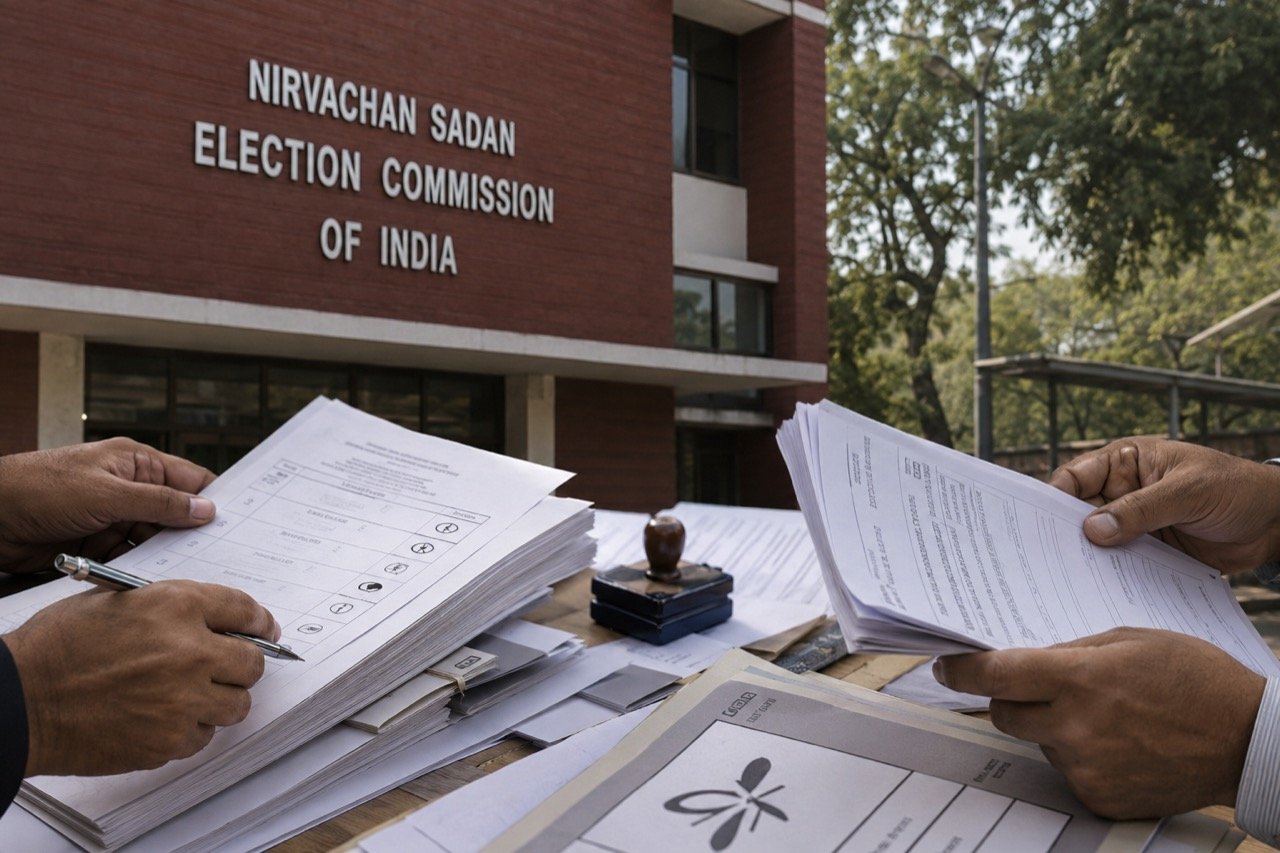
K Kavitha Party Denied TRS Name by Election Commission
The Election Commission has refused to register K Kavitha's Telangana Rakshana Sena under the TRS acronym after objections, forcing a branding reset for the new party at a politically sensitive moment in Telangana.
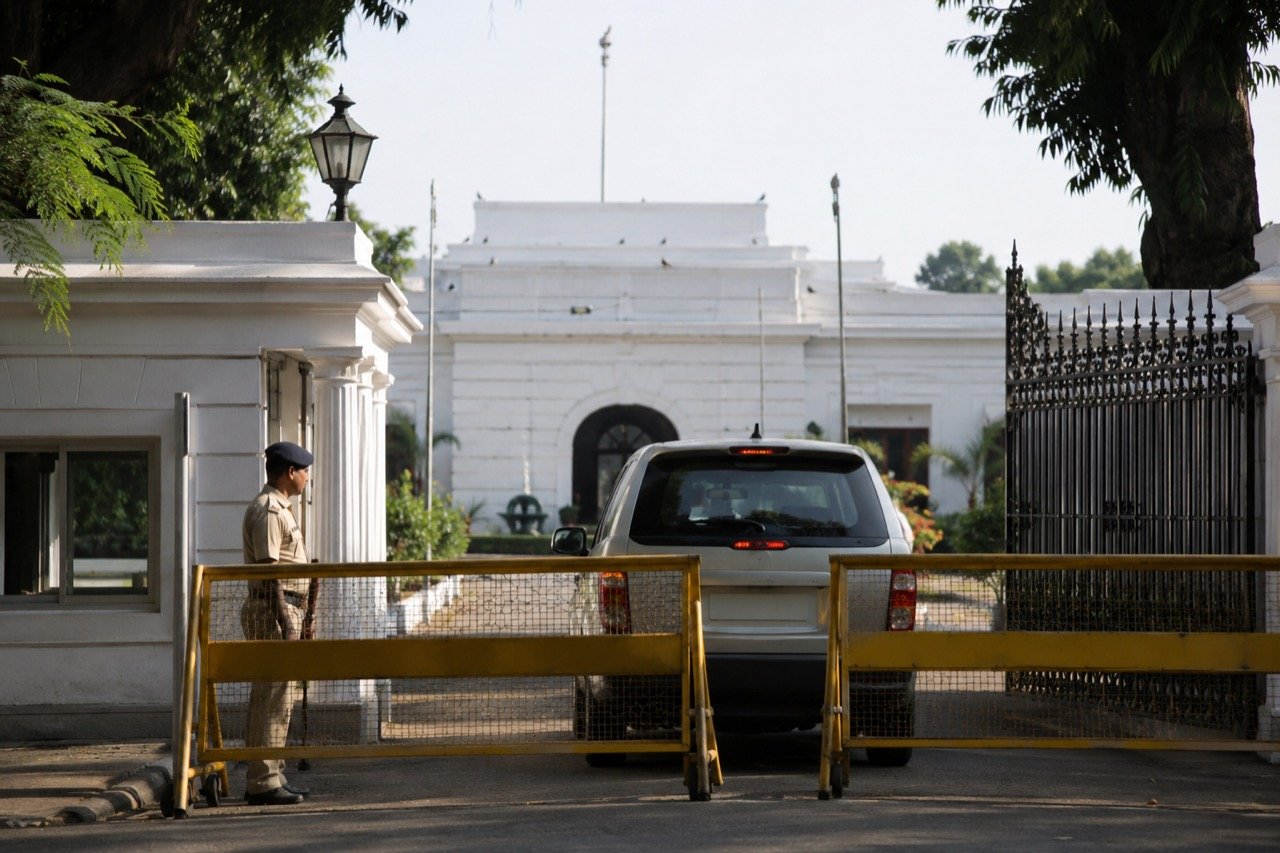
Lalu Prasad Yadav Security Downgrade, Bungalow Order Stir Bihar
A government order downgrading Lalu Prasad Yadav's security cover and asking him to vacate an official bungalow has opened a fresh political flashpoint in Bihar, with the RJD chief's reaction fuelling the row.
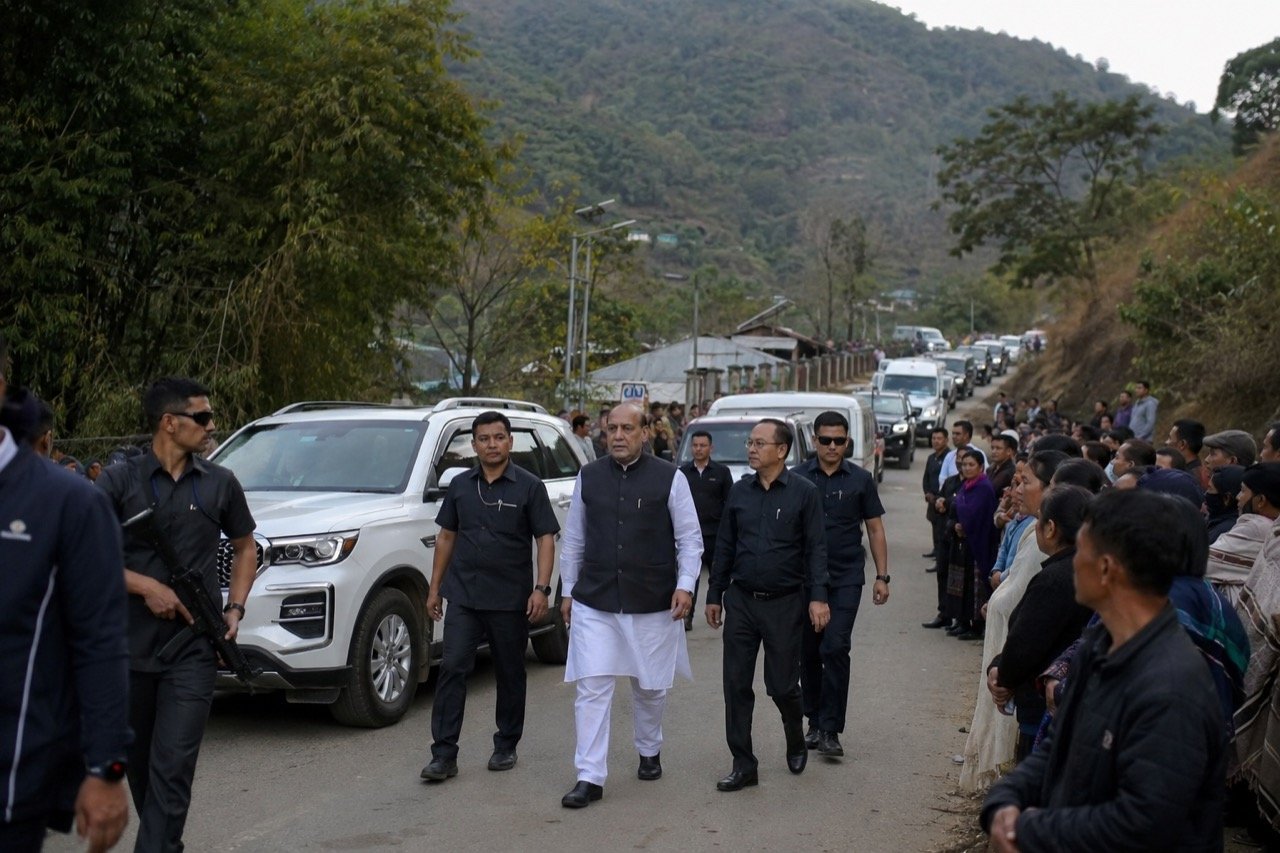
Manipur CM's Churachandpur Visit: First Since 2023 Unrest
The Manipur Chief Minister travelled to Churachandpur for a BJP MLA's funeral, his first visit to the district since the 2023 violence, lending the sombre occasion an unmistakable political significance.