Celebrity MasterChef: What Happens When Famous People Have to Actually Cook
The celebrity spin-off is one of television’s most reliable manoeuvres, and one of its most revealing.
Commentary & Analysis ·
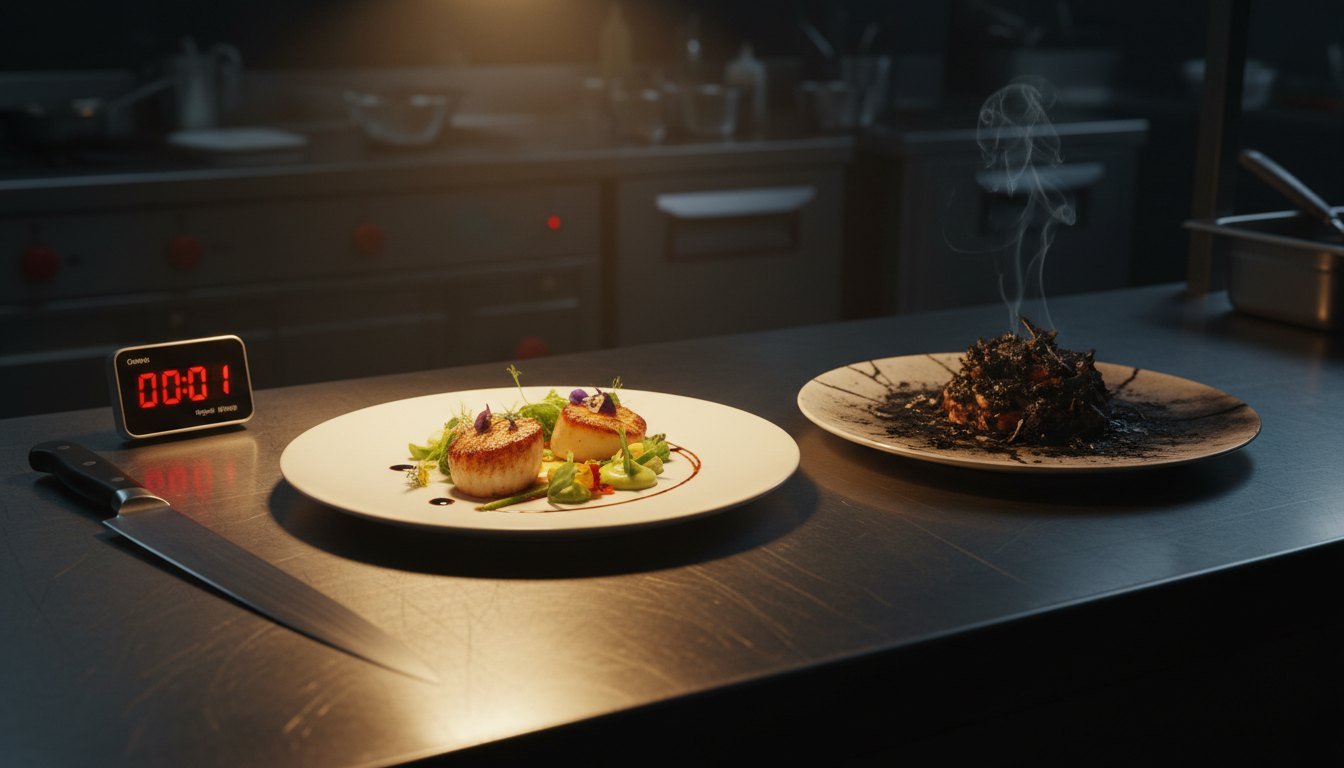
The celebrity spin-off is one of television’s most reliable manoeuvres, and one of its most revealing. Celebrity MasterChef, the star-studded offshoot of India’s most respected cooking competition, takes famous people out of the environments where they are effortlessly competent and puts them somewhere they are not. The results say a great deal about why the format works.
The premise
The concept is a straightforward inversion of the flagship. Where MasterChef India elevates skilled amateur home cooks to professional standards, the celebrity edition takes well-known figures — actors, television personalities, public names — and subjects them to the same kitchen, the same clock and the same judges. The gap between their public poise and their culinary competence is the entertainment.
Its debut edition was won by Gaurav Khanna, the actor best known for the television drama Anupamaa, whose victory established the spin-off as a legitimate competition rather than a gentle celebrity romp.
The appeal of watching stars struggle
There is a specific pleasure in watching a famous person be bad at something. Celebrities operate in a world engineered around their competence — scripts, lighting, teams of people ensuring they look good. A kitchen refuses to cooperate with any of that. A sauce splits regardless of your box-office record. A clock runs out regardless of your follower count.
That levelling is the format’s engine. It strips away the apparatus of fame and leaves a person alone with a task they cannot delegate. Audiences see recognisable faces genuinely rattled, and the vulnerability is real in a way most celebrity television is not.
But the standard still matters
What separates a good celebrity cooking format from a bad one is whether the competition is real. If the show exists purely to laugh at incompetence, it becomes a comedy — which is a legitimate format in its own right, and one that other Indian shows have turned into an enormous ratings success by leaning fully into the chaos.
Celebrity MasterChef takes the other path. It preserves the flagship’s rigour: serious judges, demanding challenges, real technical assessment. Contestants are expected to improve, and the season’s arc is one of genuine skill acquisition. The result is a spin-off where victory means something — as Gaurav Khanna’s win demonstrated.
The two models, compared
It’s instructive to place the format alongside its comedic cousin. One approach treats celebrity incompetence as the joke and builds a laugh-driven ensemble around it, which has proven wildly popular. The other treats celebrity incompetence as a starting point and asks the famous to actually learn, which produces a more earnest, aspirational show.
Both work. They simply want different things from the audience — one wants laughter, the other wants respect. The fact that Indian television now sustains both simultaneously is a sign of how sophisticated and segmented the reality market has become.
The franchise strategy
Celebrity MasterChef is part of a deliberate expansion of the MasterChef India universe, which has spanned the flagship, a junior edition and now the celebrity offshoot. That architecture is smart brand management. Each spin-off reaches a different audience — the flagship for food obsessives, the junior edition for family viewing, the celebrity version for star-driven casual viewers — while all of them reinforce the parent brand’s authority.
The flagship, meanwhile, has continued to evolve, most recently running a “Pride of India” season with a first-ever pairs format. A franchise that keeps experimenting is a franchise that keeps living.
The reputational stakes
There is a specific professional risk that makes the celebrity edition more compelling than it might first appear. Actors and public figures spend careers managing an image; entering a competition where they will visibly, repeatedly fail at a basic domestic skill puts that image at genuine hazard.
Some contestants handle it with grace, and their willingness to look foolish endears them enormously. Others discover that the loss of control is intolerable, and the cameras capture that too. Either way, the format extracts something honest. A celebrity who cannot cook and knows it, standing in front of judges who will say so plainly, has nowhere to hide — and audiences, who spend most of their lives watching famous people be flawless, find that exposure genuinely magnetic.
Why it fits 2026
In a reality landscape defined by relentless conflict, MasterChef and its spin-offs offer tension without cruelty. The pressure comes from the food, not from other people’s malice. For a substantial slice of the audience, exhausted by formats built on betrayal and humiliation, that distinction is precisely the appeal.
The takeaway
Celebrity MasterChef works because it refuses the easy version of itself. It could have been a lightweight parade of famous people making a mess. Instead, it holds its contestants to the flagship’s standards and asks them to earn a result — which is why a win here, like Gaurav Khanna’s, actually counts. Take away the fame, hand someone a knife and start the clock, and you find out who they are. That’s a proposition worth watching.
You may also like to read
MasterChef India 9 Serves a ‘Pride of India’ Finale — and Crowns a Nagpur Pair
The ninth season of MasterChef India has plated its final dish, and for the first time in the show’s history, two names share the title.

Pati Patni Aur Panga: The Show That Turned Celebrity Marriages Into a Sport
Reality television has mined almost every human relationship for content. Pati Patni Aur Panga goes after the most exposed one of all — the celebrity marriage — and turns it into a competition.
Inside ‘Alliance’: How Prime Video’s New Mind-Games Reality Show Actually Works
Indian reality television has stunts, it has cooking, it has houses full of shouting.

What Shark Tank India Actually Did for Indian Startups
Reality television usually measures its success in ratings. Shark Tank India has a more unusual scorecard: an entire national conversation about entrepreneurship.