Beyond India's Borders: How the Diaspora and Global Rights Bodies Read the NEET Protests
As Sonam Wangchuk's hunger strike ends, the NEET-UG crisis draws diaspora rallies abroad and scrutiny from rights and internet-freedom groups. An NE Times analysis.
Commentary & Analysis ·
Key facts
- Sonam Wangchuk's roughly 26-day hunger strike over the NEET-UG 2026 paper-leak crisis ended on 24 July 2026 after government assurances.
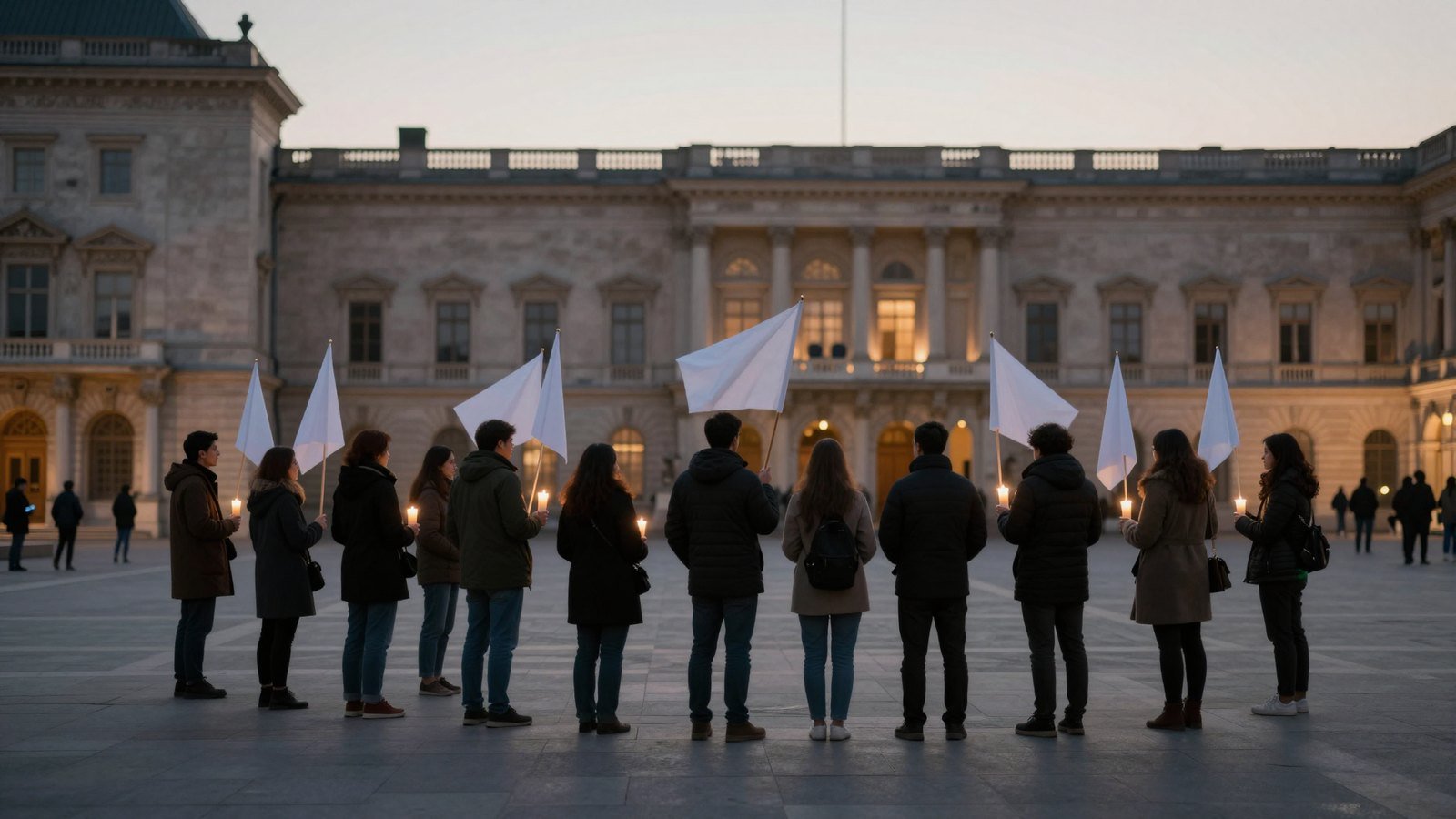
- Solidarity gatherings tied to the youth-led protests were reported in cities including London, and organisers said events were planned in other diaspora hubs.
- Access Now's KeepItOn coalition recorded 65 internet shutdowns in India in 2025, which it described as the highest of any democracy that year.
- NEET-UG 2026 drew more than 2.2 million candidates, including test-takers from neighbouring South Asian countries.
A domestic crisis acquires a foreign audience
When the education activist Sonam Wangchuk ended his roughly 26-day hunger strike on 24 July, he closed one chapter of a crisis that had begun as a domestic grievance: the leak of the NEET-UG 2026 medical entrance paper and the youth-led protests that followed. Yet by the time the strike ended, the story had already travelled well beyond India. Solidarity gatherings, statements from advocacy organisations and commentary in the international press had turned an examination scandal into a test of how India's institutions are perceived abroad.
This is a familiar pattern. Domestic Indian controversies, from farm-law protests to citizenship legislation, have repeatedly found second lives in diaspora communities and among transnational rights networks. The NEET episode fits that mould, combining a relatable grievance, a large affected population and a government response that critics abroad were quick to scrutinise.
How the diaspora typically mobilises
Indian diaspora communities have, in past episodes, mobilised quickly around events at home, often converging on Indian diplomatic missions in cities such as London, Toronto, New York and Melbourne. Reporting around the NEET protests pointed to solidarity gatherings abroad, with organisers describing events intended to amplify demands being raised in India and to signal support for affected students and their families.
Diaspora mobilisation of this kind tends to be loosely organised, driven by student associations, professional networks and campaign groups rather than by any single body. Its significance is less in the numbers on any given day than in its visibility to host-country media and elected representatives. An education grievance, unlike more polarising political causes, can also draw a broader coalition, because concerns about fairness in examinations and the pressures on young people translate readily across borders.
Why rights groups focus on internet shutdowns
For international human-rights and digital-rights organisations, episodes of unrest in India are frequently read through the lens of connectivity. Groups such as Access Now, which coordinates the KeepItOn coalition, have documented India as a leading source of internet shutdowns worldwide. The coalition's 2025 annual report recorded 65 shutdowns in India that year, which it characterised as the highest among democracies, and described a broader pattern of connectivity being curtailed during protests and politically sensitive moments.
Rights groups typically frame shutdowns not merely as inconvenience but as measures that can obscure the conduct of security forces and impede independent documentation of events. Organisations including Human Rights Watch have, in past statements, raised concerns about the use of force against protesters in India and about restrictions on information during periods of unrest. Domestic digital-rights advocates, among them the Internet Freedom Foundation, have similarly criticised localised shutdowns as disproportionate. Where such measures accompany protest policing, they are likely to draw comment from these groups, who generally call for transparency about the legal basis and duration of any order.
The careful line between scrutiny and endorsement
It is worth stating plainly what international attention does and does not signal. Statements from advocacy bodies are expressions of concern about process, the right to peaceful assembly, proportionate policing and access to information, rather than endorsements of any particular political demand. Diaspora rallies, likewise, reflect the views of those who attend and the groups that convene them, and should not be read as representative of entire communities, which hold a wide range of opinions.
The Indian government has, in comparable past situations, pushed back against external commentary, characterising it as interference in domestic matters or as based on incomplete information. That response is itself part of the dynamic: the more a domestic issue is internationalised, the more it becomes entangled with questions of sovereignty and image that are distinct from the underlying grievance about examinations.
Reputation and the credentials question
Beyond the immediate politics lies a quieter, longer-term concern: reputation. NEET-UG is not only a domestic gateway to medical education but an examination taken by more than two million candidates, including students from neighbouring countries. Repeated allegations of paper leaks raise questions, among foreign universities, scholarship bodies and employers, about the integrity of merit lists and the reliability of Indian academic credentials.
Education commentators have argued that recurring examination failures risk eroding confidence in the systems that certify a generation of professionals. India has invested heavily in projecting itself as a hub for skills and talent, and as an increasingly attractive destination for students from across South Asia and Africa. Episodes that call examination integrity into question sit awkwardly against that ambition, even if their practical effect on student mobility is difficult to measure and easy to overstate.
How episodes like this shape the global image
The reputational impact of any single crisis should not be exaggerated. India's standing rests on a broad base, its economy, its democratic institutions, its cultural reach and a diaspora that is among its most effective ambassadors. A well-handled resolution, in which grievances are investigated credibly and reforms are seen to follow, can strengthen the very image that unrest appears to threaten.
The opposite is also true. When protests are met chiefly with force or with information blackouts, the resulting coverage tends to crowd out the substance of the grievance. For a country keen to be seen as a confident, rising power, the manner of the response often shapes perceptions as much as the outcome. The end of Wangchuk's hunger strike, following government assurances, offers an opportunity to shift the narrative toward reform, if those assurances are visibly honoured.
What to watch next
In the coming weeks, several markers will indicate how this episode settles into India's global image. Whether promised investigations into the NEET-UG leak proceed transparently; whether examination reforms are announced and implemented; and whether any restrictions imposed during the protests are lifted and explained, will all be watched by observers abroad as closely as by students at home.
Diaspora attention typically fades once a crisis subsides, and rights-group statements are periodic rather than sustained. But the underlying question, whether India's institutions can deliver fairness at scale, is not going away. It is the answer to that question, more than any rally or press release, that will shape how the world reads the next such episode.
The NE Times View
The internationalisation of the NEET protests is a reminder that in a connected world, no domestic failure stays domestic. The most durable answer to external scrutiny is not rebuttal but reform: credible investigation, a leak-proof examination system and restraint in policing dissent. Handled that way, a moment of embarrassment can become evidence of institutional strength. Handled poorly, it hardens an image India cannot afford.
Sources
- https://www.accessnow.org/press-release/one-region-half-the-worlds-shutdowns-internet-shutdowns-in-the-asia-pacific-in-2025/
- https://www.hrw.org/asia/india
- https://www.outlookindia.com/international/indian-diaspora-rallies-worldwide-in-support-of-cjp-led-student-protests
- https://thefridaytimes.com/21-Jul-2026/exam-leaks-india-pakistan-reveal-education
This article is original news analysis and commentary by The NE Times, based on reporting from the sources listed above.
You may also like to read
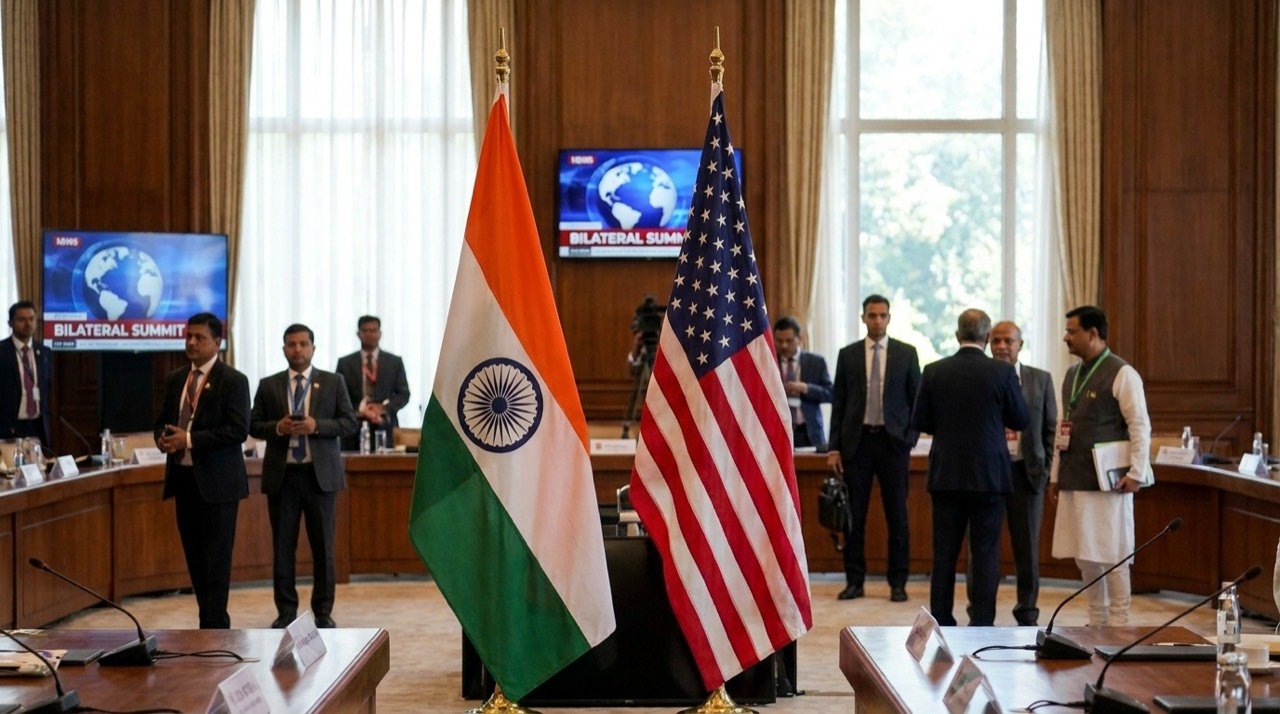
India and Canada Push to Seal the Reset, Targeting a Trade Pact by Year-End
Buoyed by personal rapport between Narendra Modi and Mark Carney, New Delhi and Ottawa are working to convert a fragile diplomatic thaw into a comprehensive trade agreement, with implications for students, professionals and the large Indo-Canadian diaspora.

Fact-Check Toolkit: How to Read Past the Viral Noise Around the NEET and Ladakh Protests
As misinformation spreads around the NEET-UG 2026 leak protests and Sonam Wangchuk's fast, here are the recurring fake-post patterns and a practical verification toolkit for readers.
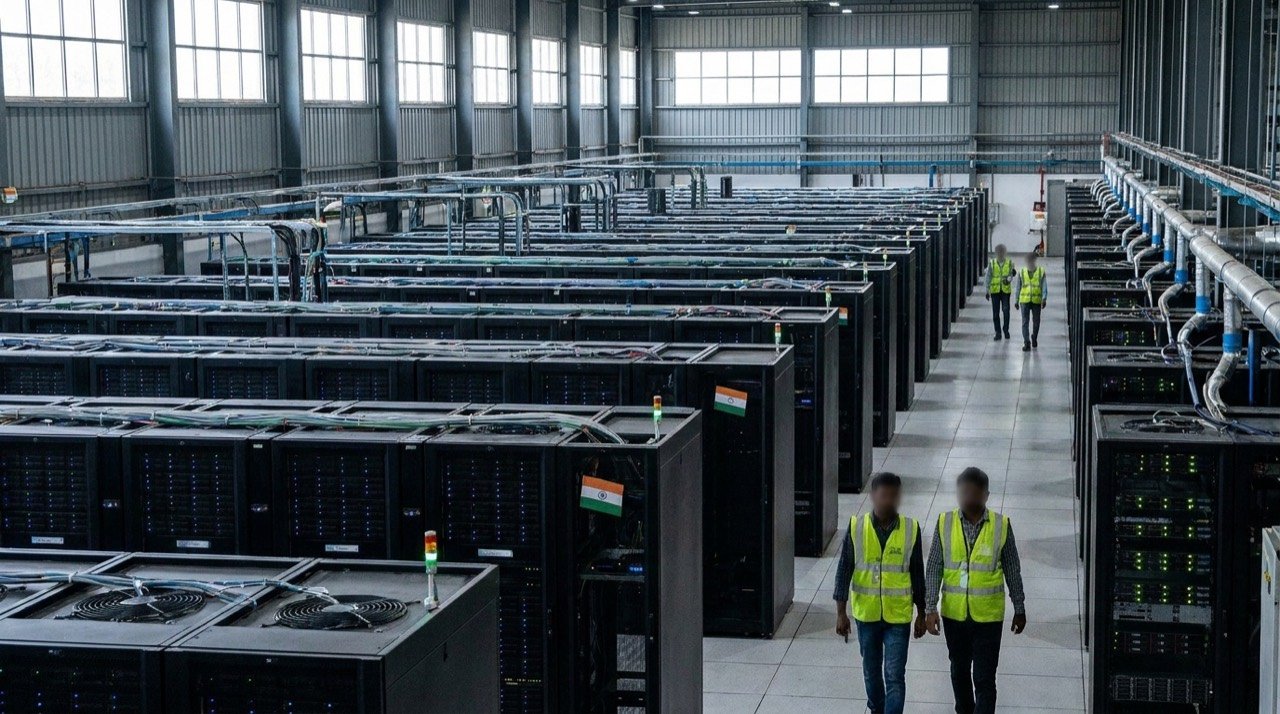
China's LineShine Dethrones US as World's Fastest Supercomputer, Sharpening India's AI Resolve
China has reclaimed the top spot on the global supercomputing rankings with an all-domestic machine running at over two exaflops, a milestone in the US-China tech contest that underscores why India is racing to build its own sovereign computing power.
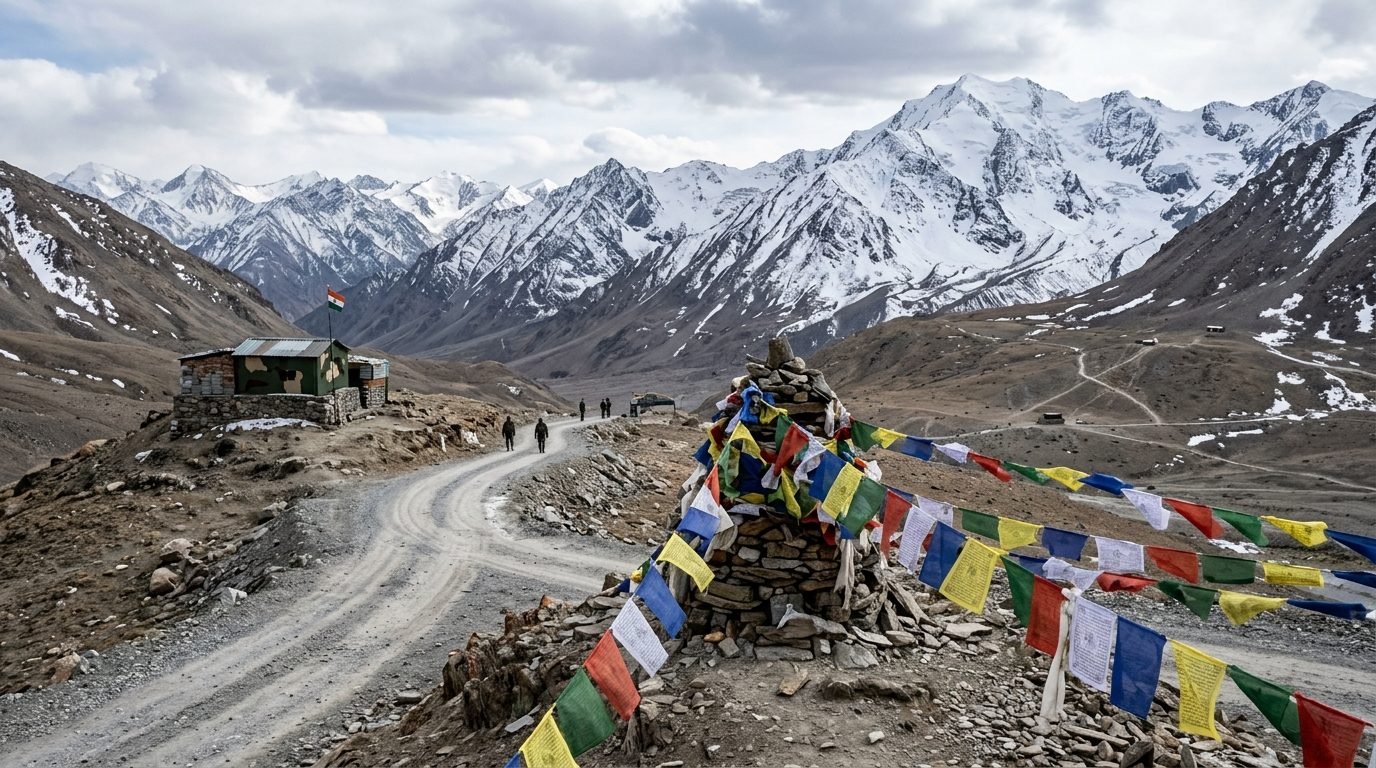
India And China Inch Toward Border Delimitation As Disengagement Holds Along The LAC
More than a year after the patrolling deal that ended the eastern Ladakh standoff, India and China are negotiating de-escalation and the harder task of formally defining their disputed boundary.
More from this section
More
West Asia Conflict Puts India's 50 Billion Dollar Gulf Remittance Lifeline At Risk
With nearly two-fifths of India's record remittance inflows originating in the Gulf, a deepening crisis in the region threatens a financial pipeline that supports millions of households back home.
India-Japan Summit Widens Ties Across AI, Defence and Chips
At their annual summit in New Delhi, Prime Ministers Modi and Takaichi unveiled a roadmap deepening cooperation on maritime security, artificial intelligence, semiconductors, shipbuilding and critical technologies.
India-New Zealand Ties: Visit Plans Put FTA and Diplomacy in Focus
Reports of a planned high-level India-New Zealand engagement have revived attention on free trade talks, professional mobility and Indo-Pacific cooperation between two partners with clear room to grow.