Arrest in Bengaluru Daycare Case Deepens Child Safety Questions
Bengaluru police have arrested a woman connected to the daycare case at a Capgemini campus facility, sharpening scrutiny of caregiver vetting, oversight and accountability at workplace-linked childcare centres.
The NE Times National Desk
Commentary & Analysis ·

The investigation into alleged mistreatment of toddlers at a daycare facility linked to a Capgemini campus in Bengaluru has taken a significant turn, with police arresting a woman who had recorded videos at the centre and who is also accused of harassing children. The arrest adds a new layer to a case that has unsettled working parents across the city.
Why the case resonates
Workplace daycare centres carry a particular kind of trust. Parents choose them precisely because they sit close to professional environments, implying corporate-grade standards of supervision. When abuse allegations surface in such a setting, they raise uncomfortable questions about monitoring, caregiver training, complaint channels and accountability for the third-party operators who typically run these facilities.
The details of the case are distressing, and responsible coverage means not repeating graphic allegations unnecessarily and never identifying the children involved. The public-interest core of the story lies in institutional oversight: how caregivers were vetted, how concerns were escalated, and how quickly parents were informed.
What comes next
The key developments to watch are the police findings, the charges ultimately framed, the responses from the company and the daycare operator, and any child-protection measures introduced as a result. Each of these will indicate whether the case produces systemic change or fades once the immediate outrage passes.
The NE Times View
India's urban workforce runs on the promise that childcare near the office is safe childcare, and this case shows how thin the verification behind that promise can be. Corporates that offer daycare as a benefit cannot outsource the accountability along with the operations; they owe parents audited vetting standards, camera access policies and clear escalation channels. Regulators, meanwhile, should treat workplace creches as a distinct licensing category with mandatory inspections rather than an afterthought. The arrest is a start, but the real test is whether Bengaluru's daycare ecosystem is structurally safer a year from now.
This article is original commentary and analysis by The NE Times. Background facts were referenced from Times of India Bengaluru, Indian Express Bengaluru and NDTV Cities.
You may also like to read
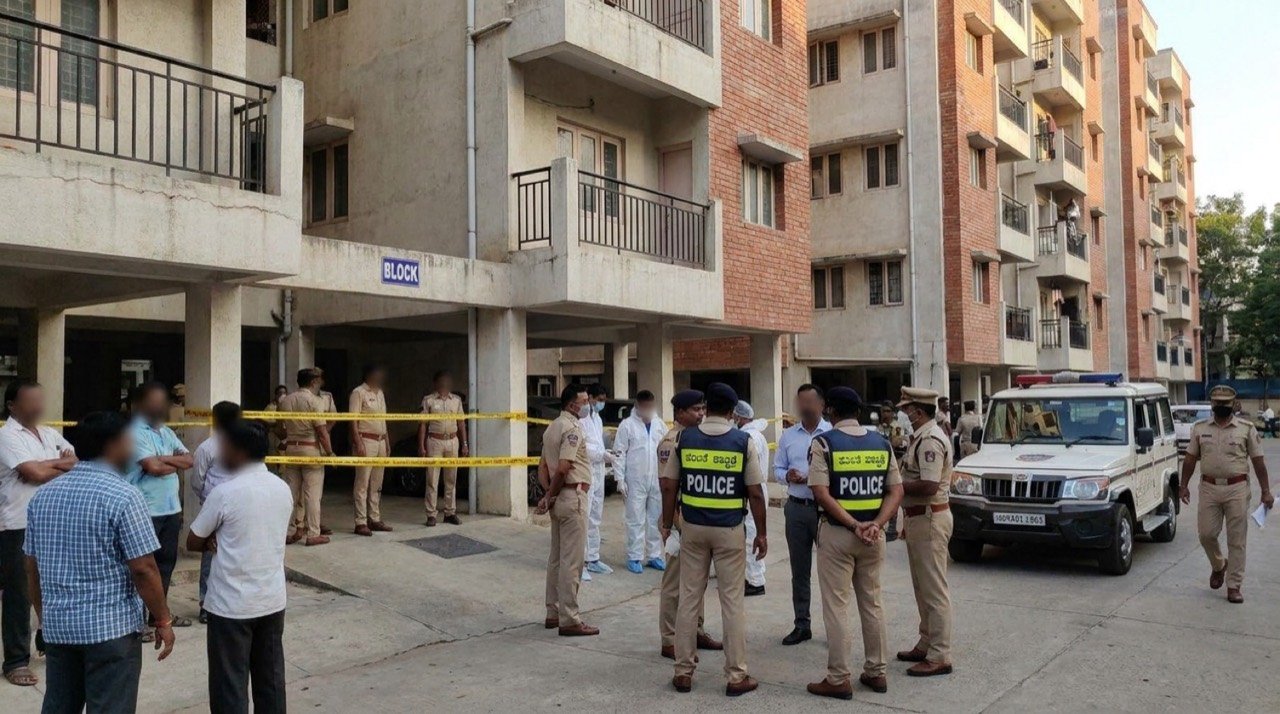
Bengaluru KR Puram Triple Murder Puts Spotlight on Domestic Safety
A triple murder in Bengaluru's KR Puram, in which a woman, her husband and their young son were found dead, has shaken the city and reopened questions about domestic-violence risks and police response.
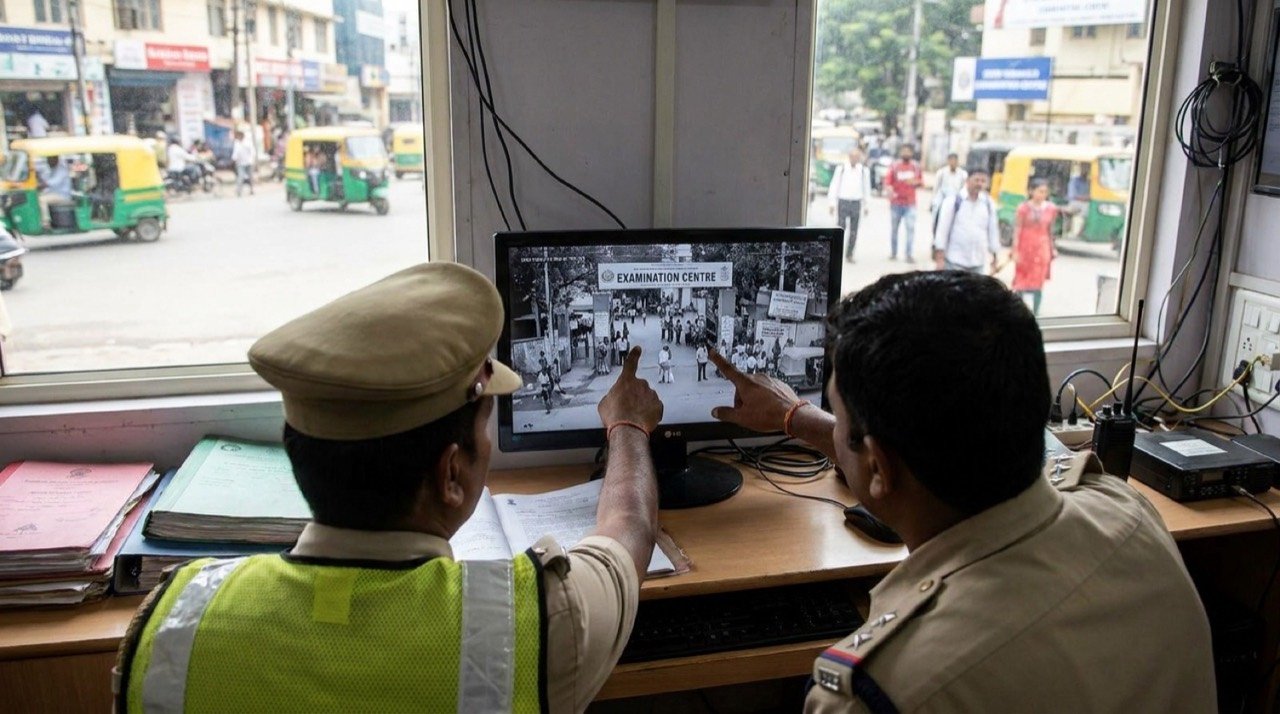
Bengaluru Police Reject Claim That Congress Rally Delayed NEET Aspirant
Bengaluru Traffic Police say CCTV footage does not support viral claims that a Congress rally caused a NEET candidate to miss her re-exam slot, citing a late departure and a longer route.
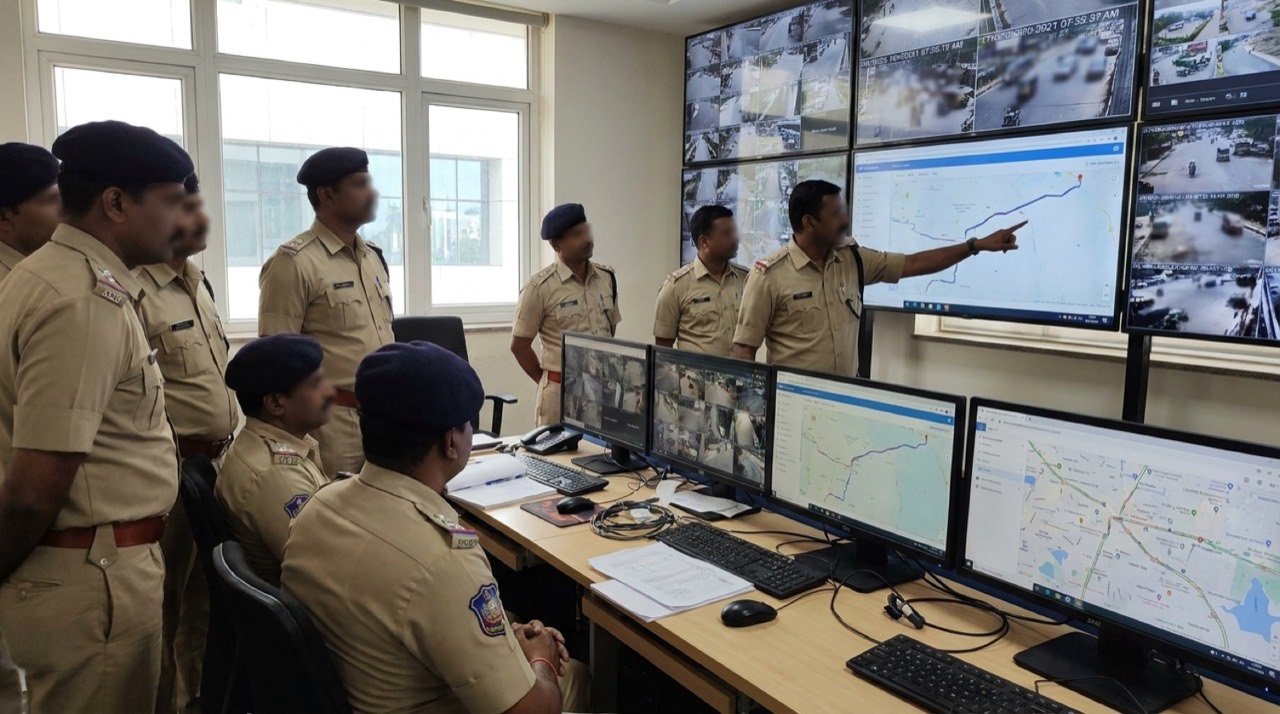
Bengaluru Police Fact-Check: NEET Aspirant's Delay Not Caused by Rally Traffic
Bengaluru police say CCTV footage and route analysis show a NEET candidate left home just 33 minutes before the cut-off, contradicting claims that a Congress rally blocked the route.
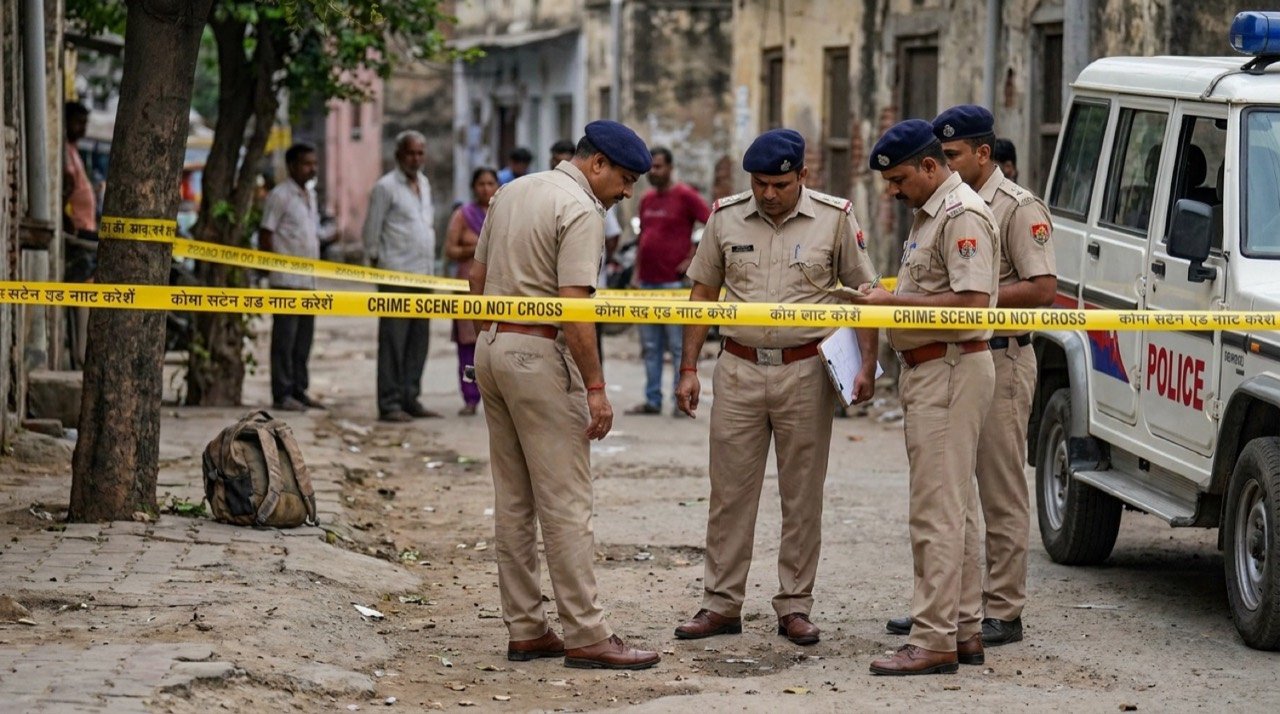
Delhi Mehrauli Child Murder Renews Alarm Over Pavement-Dweller Safety
The abduction, assault and killing of an 11-year-old girl sleeping on a Mehrauli pavement has shaken Delhi-NCR, exposing the acute vulnerability of homeless families and gaps in night-time policing.
More from this section
More
Ahmedabad Bullet Train Station Gets Kite-Inspired Multimodal Hub Plan
Ahmedabad's bullet train station is set to be developed as a multimodal transport hub with a kite-inspired design, giving India's high-speed rail project a distinctive urban landmark rooted in local identity.

Assam Case Shows PAN and Voter Cards Are Not Citizenship Proof
A man declared a foreigner in Assam despite holding multiple identity documents has highlighted a crucial legal distinction: everyday IDs establish identity, not citizenship, when a person's legal status is challenged.

BJP MLA Raju Singh Jailed Four Years Over Celebratory Firing Death
A Delhi court has sentenced BJP legislator Raju Singh to four years in prison after holding him responsible for a fatal bullet fired in celebration, renewing focus on reckless gun use at private events.