Assam Estate Sells India's First Home-Grown Matcha Batch
An Assam tea estate has sold the first batch of India-made matcha, a small-volume but symbolically significant step as the country's tea industry hunts for premium products and new consumers.
The NE Times Business Desk
Commentary & Analysis ·
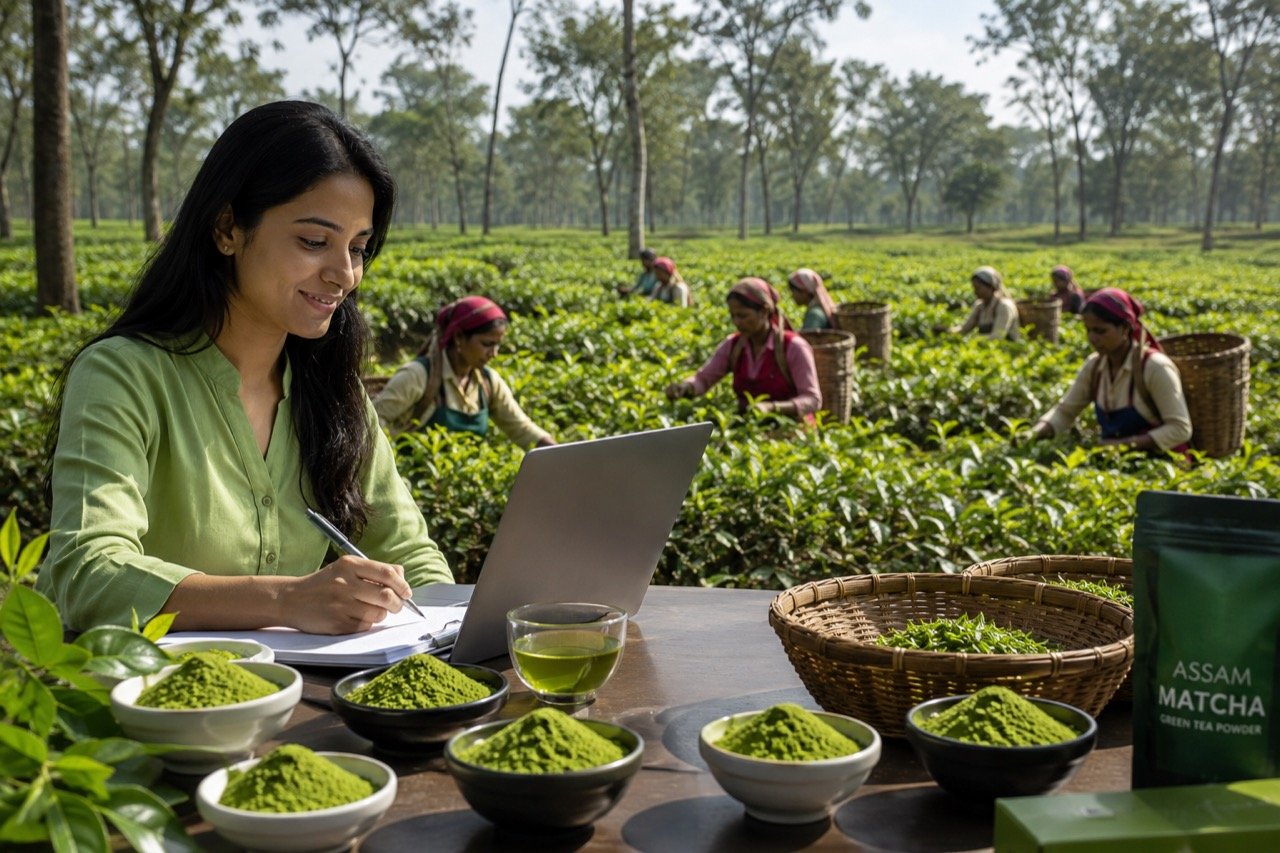
India's tea story has acquired an unexpected new chapter: an Assam estate has sold the country's first commercially produced batch of matcha, the finely powdered green tea long associated with Japan and the global wellness boom.
The volumes involved are tiny beside Assam's traditional black tea output, but the symbolism is not. It marks a deliberate move by an Indian estate into a premium category that until now was entirely imported.
Why an estate would bet on matcha
Indian tea producers are squeezed between changing consumer demand, climate pressures and stiff competition in commodity-grade tea. Matcha commands premium prices and speaks to younger, urban and global consumers, offering estates a route to better margins than conventional blends and bulk exports can deliver.
The challenge is execution. Matcha-grade production demands shade-growing discipline, specialised processing and, above all, consistency. One good batch does not establish a supply chain, and Indian producers will also need to educate a domestic market that mostly knows matcha through cafe menus.
The tests that come next
The milestone will only matter if buyers return, if more estates experiment with matcha-grade processing, and if Indian brands can position the product credibly against established Japanese and Chinese suppliers. Those are the signals to watch over the coming seasons.
The NE Times View
This is exactly the kind of experiment India's tea sector needs more of, provided nobody mistakes a first batch for an industry transformation. Assam's real asset here is not the powder but the proof of concept: that a legacy estate can retool for a high-value niche instead of competing on volume in a declining commodity market. The risk is the familiar Indian pattern of premium products chasing export validation while neglecting quality consistency. If this estate treats matcha as a decade-long craft investment rather than a marketing novelty, it could open a genuinely new revenue lane for a sector that badly needs one.
This article is original commentary and analysis by The NE Times. Background facts were referenced from Indian Express.
You may also like to read

How SRK and Farah Khan Helped Shreyas Talpade Buy His First Home
Shreyas Talpade's recollection of the support Shah Rukh Khan and Farah Khan offered when he bought his first home has struck a chord, revealing the quieter friendships that operate behind Bollywood's cameras.

FIIs Offload Rs 1,350 Crore As DIIs Step In To Steady Markets
Foreign institutional investors sold Indian equities worth Rs 1,350 crore on June 29 while domestic institutions bought Rs 2,801 crore, cushioning benchmarks on a volatile day that ended in the red.
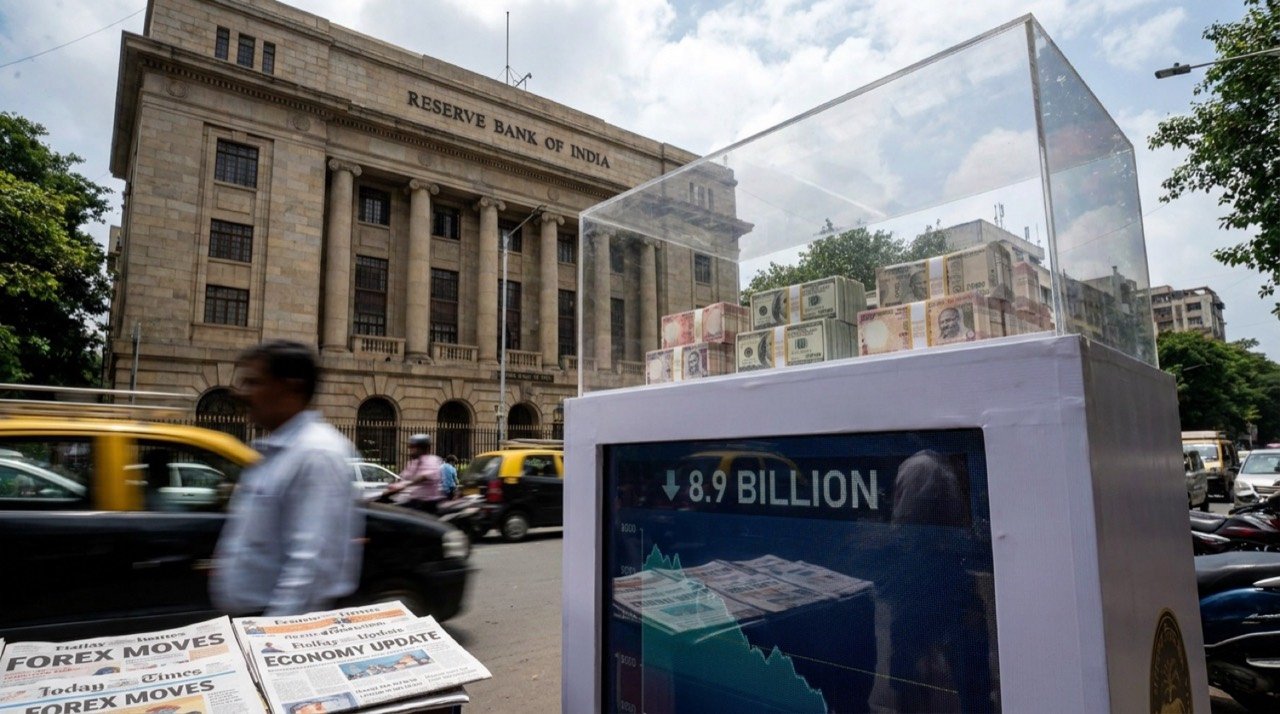
RBI Sold $8.9 Billion in April as Rupee Pressure Persisted
India's central bank sold a net $8.9 billion in the spot foreign-exchange market in April, RBI data showed, underlining how it manages currency volatility while balancing reserves and liquidity.
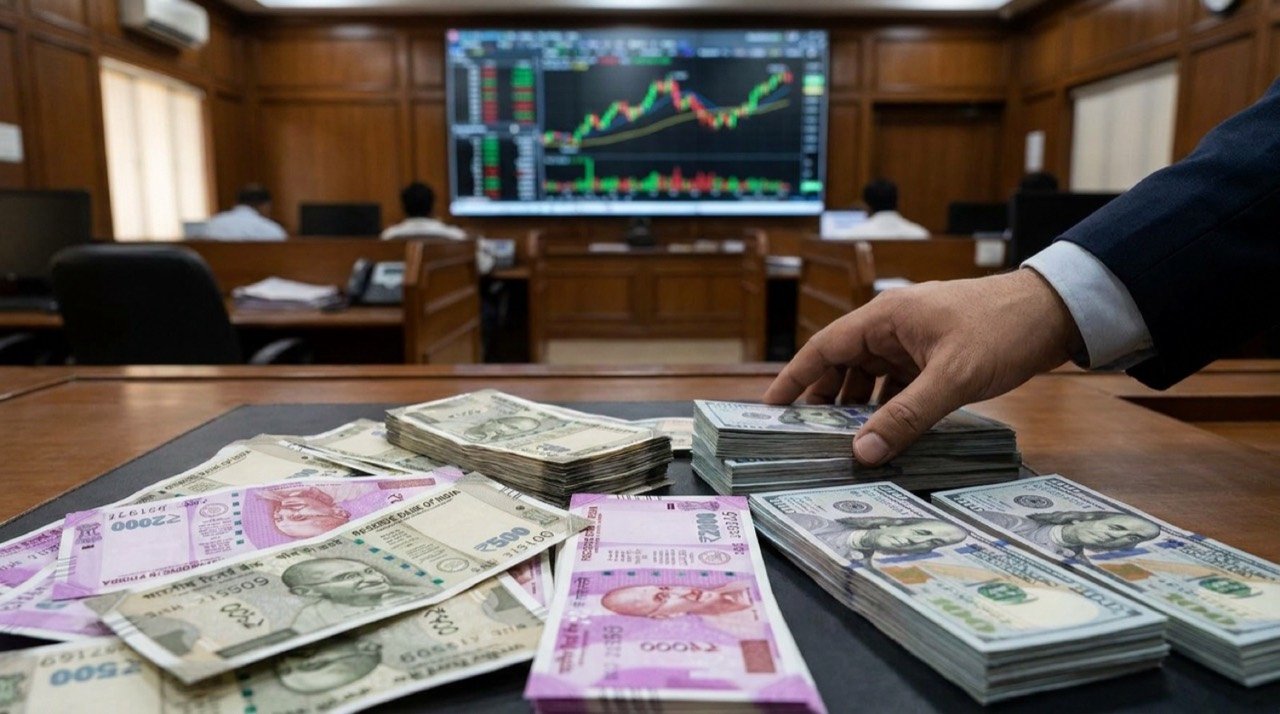
RBI Sells Nearly $9 Billion in April as Rupee Faces Sustained Pressure
The central bank's net dollar sales in the spot forex market signal another month of intervention to smooth volatility, with importer demand and West Asia uncertainty weighing on the rupee.
More from this section
More
Board of Trade Meets as Exporters Press on FTAs and GST Refunds
Commerce Minister Piyush Goyal chaired a Board of Trade meeting where exporters pushed for faster GST refunds, lower logistics costs and workable free trade agreements amid global demand uncertainty.

Four Chinese Firms With Indian Plants Cleared To Bid For Power Work
Four Chinese companies operating factories in India have reportedly been cleared to bid for power projects, a calibrated move that balances security screening against the country's manufacturing and infrastructure needs.
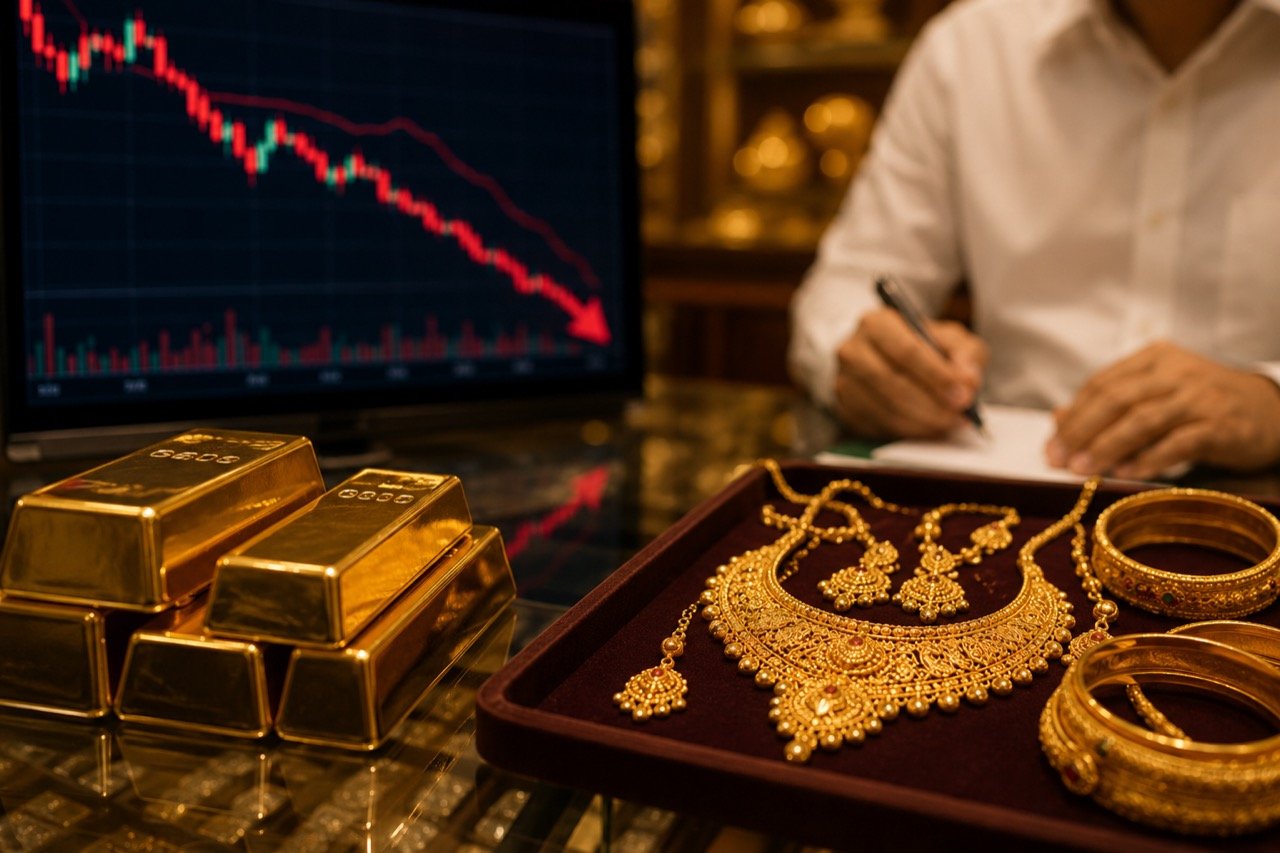
Gold Prices Ease Across Indian Cities: What the July 4 Dip Means
Gold rates for 24-karat and 22-karat metal edged lower across Delhi, Mumbai, Bengaluru, Chennai and Hyderabad on July 4, offering a window for buyers weighing jewellery and investment purchases.