A Year On, the Air India Flight 171 Crash Still Has No Final Report
Investigators have missed the one-year deadline to deliver their conclusions on the Ahmedabad disaster that killed 260 people, blaming an incomplete examination of the Boeing 787's engines in the United States.
Commentary & Analysis ·
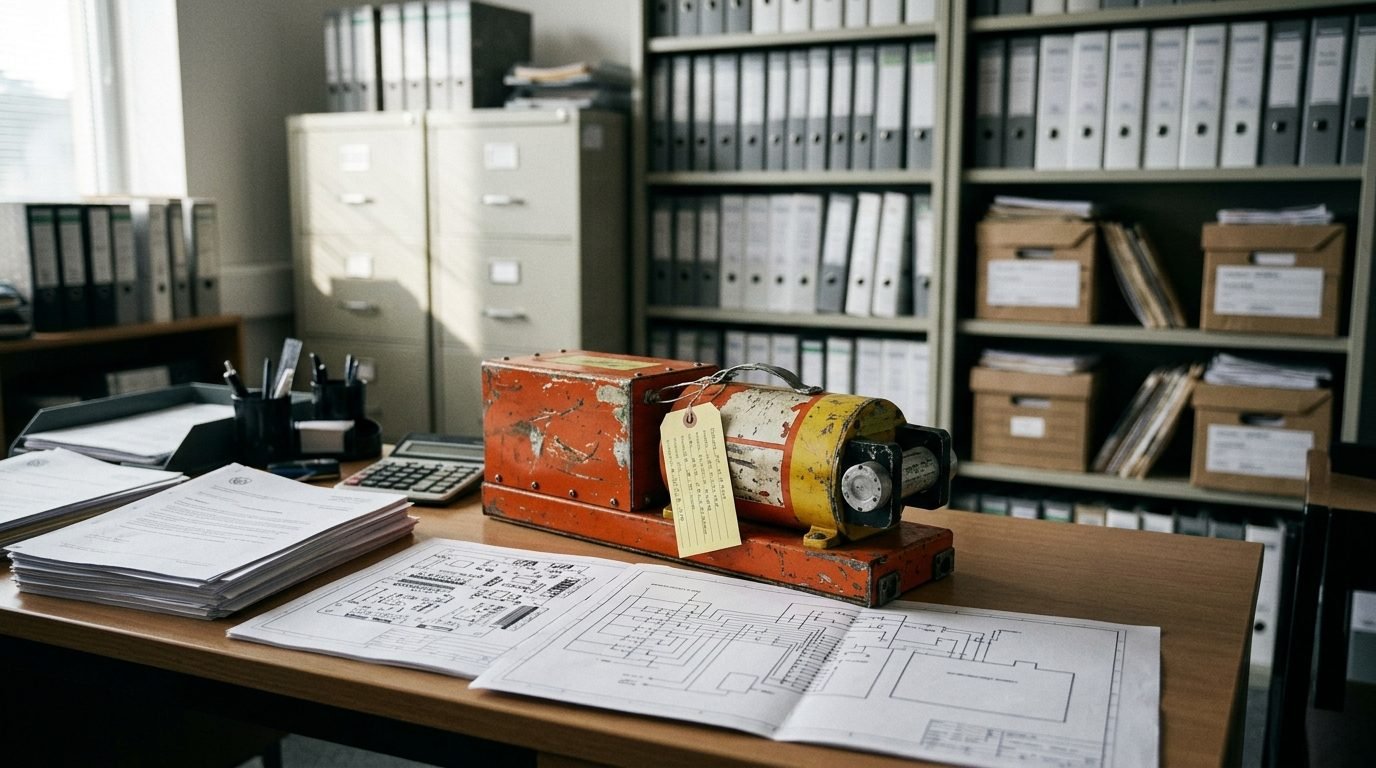
One year after Air India Flight 171 plunged into a medical college campus moments after take-off from Ahmedabad, the families of the 260 people killed are still waiting for a definitive explanation of what went wrong. India's Aircraft Accident Investigation Bureau (AAIB) has confirmed it will miss the one-year deadline by which a final report is conventionally expected, issuing instead a status update that acknowledges the inquiry remains unfinished.
The crash, on 12 June 2025, ranks among the deadliest aviation disasters in Indian history. The Boeing 787 Dreamliner came down barely a minute into its climb, striking buildings and killing 241 of the 242 people on board along with 19 others on the ground. The anniversary has revived intense public attention on an investigation that has moved more slowly than many bereaved relatives had hoped.
Why the inquiry has stalled
According to the AAIB, the principal reason for the delay is an examination of the aircraft's engines being conducted in the United States, which has not yet been completed. Investigators say a final report is now expected within roughly three months, though they have cautioned against treating that timeline as firm given the technical complexity involved.
The bureau said the probe is being carried out in line with India's Aircraft Accident and Incident Investigation Rules of 2017 and the standards set by the International Civil Aviation Organisation. It stressed that international protocols require careful corroboration of evidence before conclusions can be published, particularly where a foreign-manufactured aircraft and engines are involved.
What the preliminary report revealed
The interim findings released earlier in the inquiry pointed to a startling sequence in the cockpit. According to that report, both engines were starved of fuel mid-climb after the fuel control switches moved from the 'Run' to the 'Cutoff' position. Cockpit voice recordings captured one pilot questioning why the fuel had been cut, with the other denying having done so.
That account has fuelled fierce debate within the aviation community about whether the switches were moved deliberately, accidentally or as a result of a system fault. More recent reporting has suggested fresh evidence may point away from pilot error, though investigators have repeatedly declined to confirm any single theory while their work continues.
A plea against speculation
The AAIB has issued an unusually direct appeal to the media and the public to refrain from drawing premature conclusions. Officials argue that speculation risks unfairly maligning the deceased crew and distorting public understanding of a still-open inquiry.
Key elements still outstanding in the investigation include:
- The complete teardown and analysis of both engines being examined in the United States.
- Final correlation of flight data recorder and cockpit voice recorder readings with physical evidence.
- Input from the aircraft and engine manufacturers and from US and UK accident authorities assisting the probe.
- A determination of whether the fuel control switch movement was a mechanical, electronic or human factor.
Pressure on India's aviation sector
The disaster struck at a sensitive moment for Indian aviation, one of the fastest-growing markets in the world. Air India, which has been undergoing a sweeping fleet renewal and rebranding under its owners, has faced sustained scrutiny over maintenance and safety culture. Regulators have conducted additional inspections of the wider Dreamliner fleet in the months since the crash.
For the relatives of those who died, the delay carries a particular weight. Many have said that without a clear finding, they cannot pursue closure, compensation claims or accountability with confidence. Survivor and victim groups have called for the report to be published in full, including supporting data, rather than in a summarised form.
The coming months will be closely watched, not only in India but across the global aviation industry, where any finding about the 787's fuel control systems could carry implications for hundreds of aircraft in service worldwide. Until the final report lands, the questions raised in those last seconds over Ahmedabad remain unresolved.
The NE Times View
A year without a final report on a crash that killed 260 people is a failure of accountability that families deserve answers for, not excuses about engines stuck in an American lab. Aviation safety rests on prompt, transparent investigation; delay erodes public trust and lets speculation fill the vacuum. India must press for the examination to conclude and resist any temptation to let a politically awkward finding quietly gather dust.
This article is original commentary and analysis by The NE Times. Background facts were referenced from Reuters and Al Jazeera.
You may also like to read
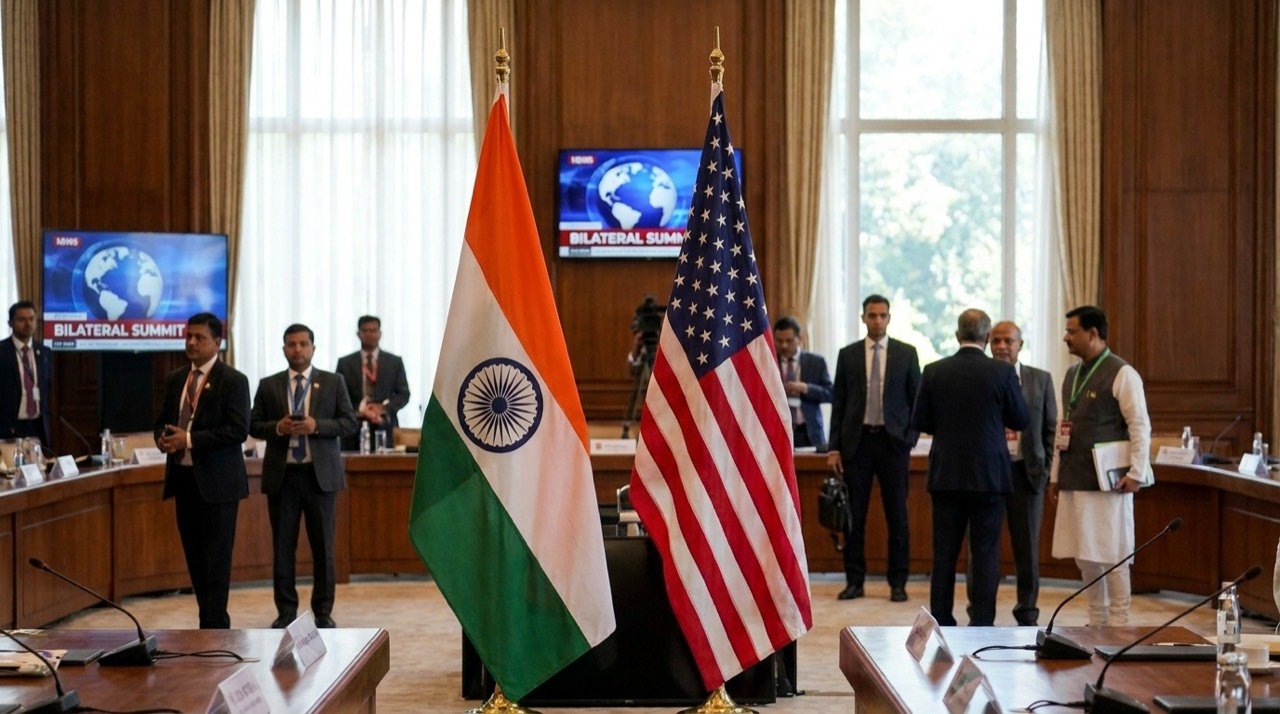
India and Canada Push to Seal the Reset, Targeting a Trade Pact by Year-End
Buoyed by personal rapport between Narendra Modi and Mark Carney, New Delhi and Ottawa are working to convert a fragile diplomatic thaw into a comprehensive trade agreement, with implications for students, professionals and the large Indo-Canadian diaspora.

Indiaspora 250 at 250: Diaspora Power in America's Milestone Year
Indiaspora's new 250 at 250 list, released ahead of America's 250th anniversary, celebrates Indian-origin achievers across technology, medicine, government and the arts, underscoring the diaspora's deepening footprint in US public life.
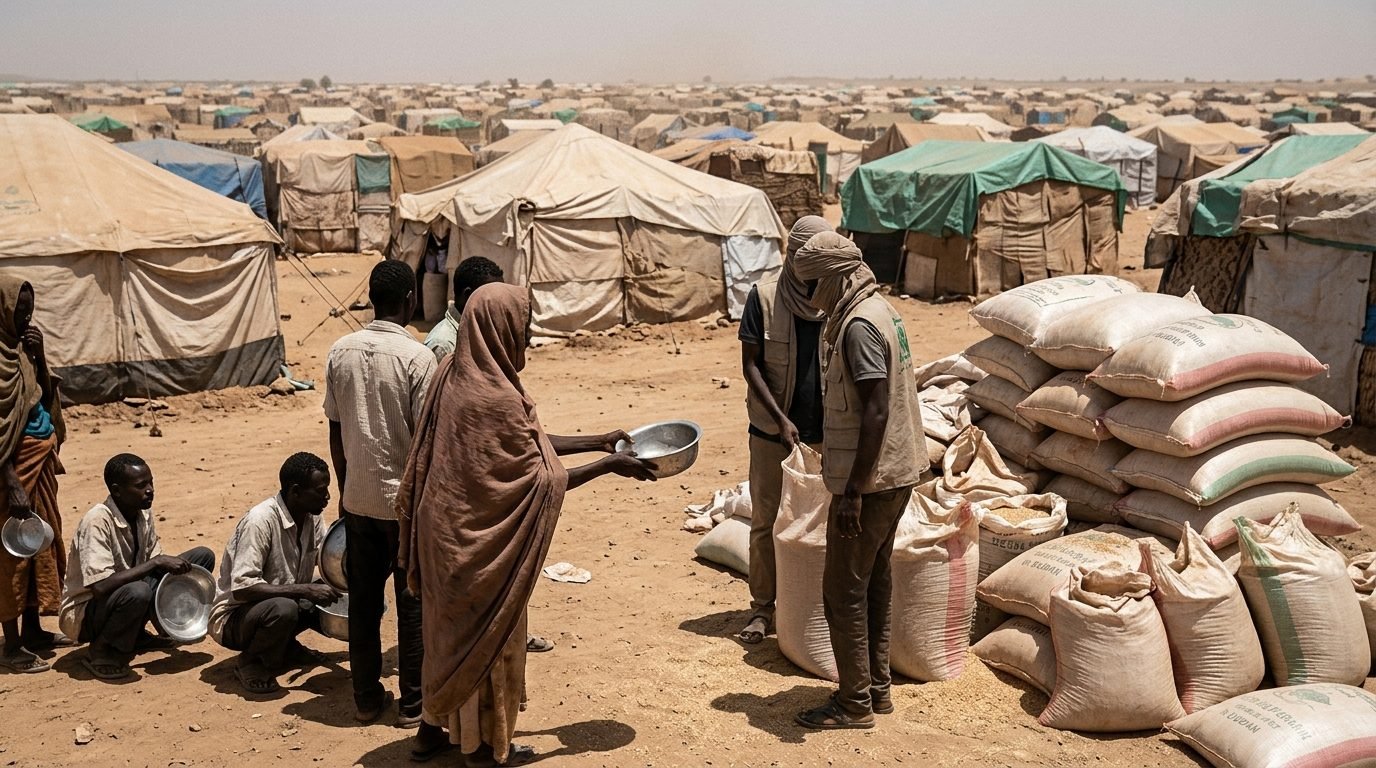
Famine Tightens Its Grip on Sudan as War Enters Its Fourth Year
UN-backed assessments confirm famine conditions in parts of Darfur and Kordofan, with 21 million people facing acute hunger as the Rapid Support Forces consolidate control of the west.
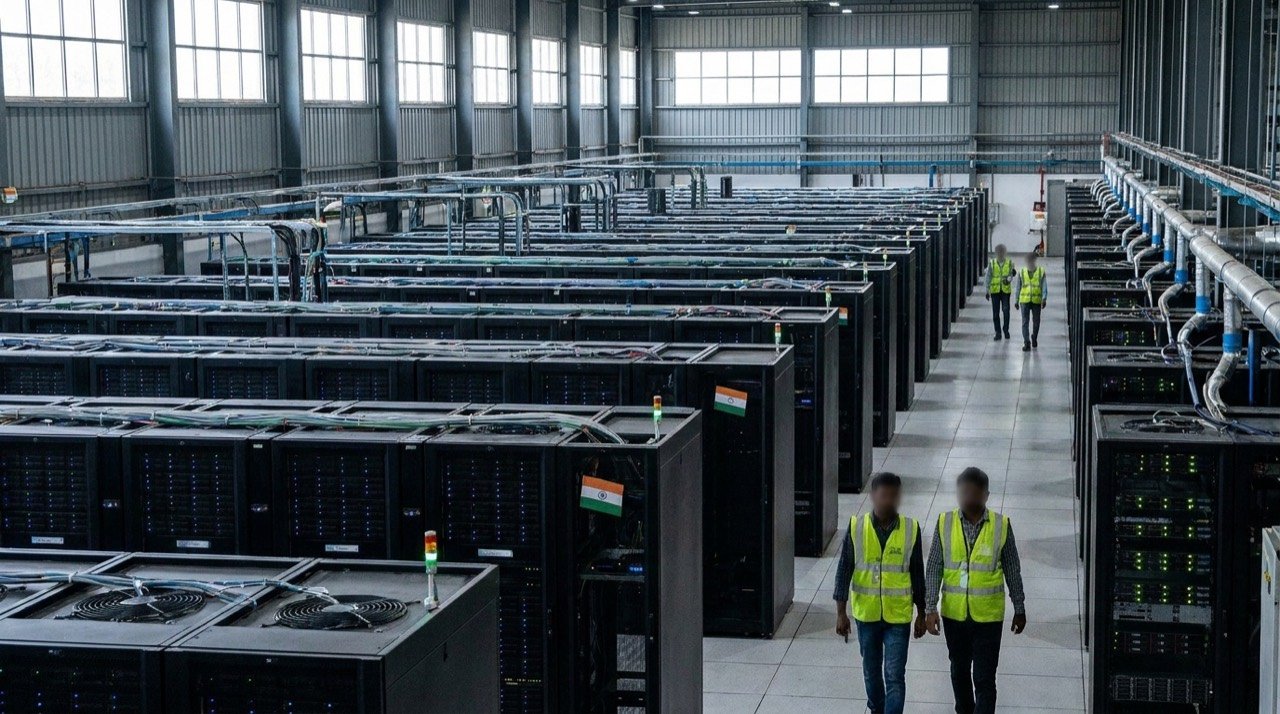
China's LineShine Dethrones US as World's Fastest Supercomputer, Sharpening India's AI Resolve
China has reclaimed the top spot on the global supercomputing rankings with an all-domestic machine running at over two exaflops, a milestone in the US-China tech contest that underscores why India is racing to build its own sovereign computing power.
More from this section
More
India-New Zealand Ties: Visit Plans Put FTA and Diplomacy in Focus
Reports of a planned high-level India-New Zealand engagement have revived attention on free trade talks, professional mobility and Indo-Pacific cooperation between two partners with clear room to grow.

Modi Greets Trump on US 250th Independence Day, Hails Partnership
Prime Minister Narendra Modi marked America's 250th Independence Day with a message to President Trump, saying the next 250 years should lift the India-US partnership to new heights.
India Watches Dhaka's China-Backed Teesta Plan as Stakes Rise
New Delhi is closely tracking Bangladesh's proposal to develop the Teesta river with Chinese assistance, a move that revives one of South Asia's most sensitive water-sharing disputes and tests regional strategic trust.