Aarogya Setu 2.0 Returns as India's Personal Health Record App
The pandemic-era contact tracing app has been relaunched as a personal health record platform, betting that portable medical data can find a place in India's growing digital health ecosystem.
The NE Times Health Desk
Commentary & Analysis ·
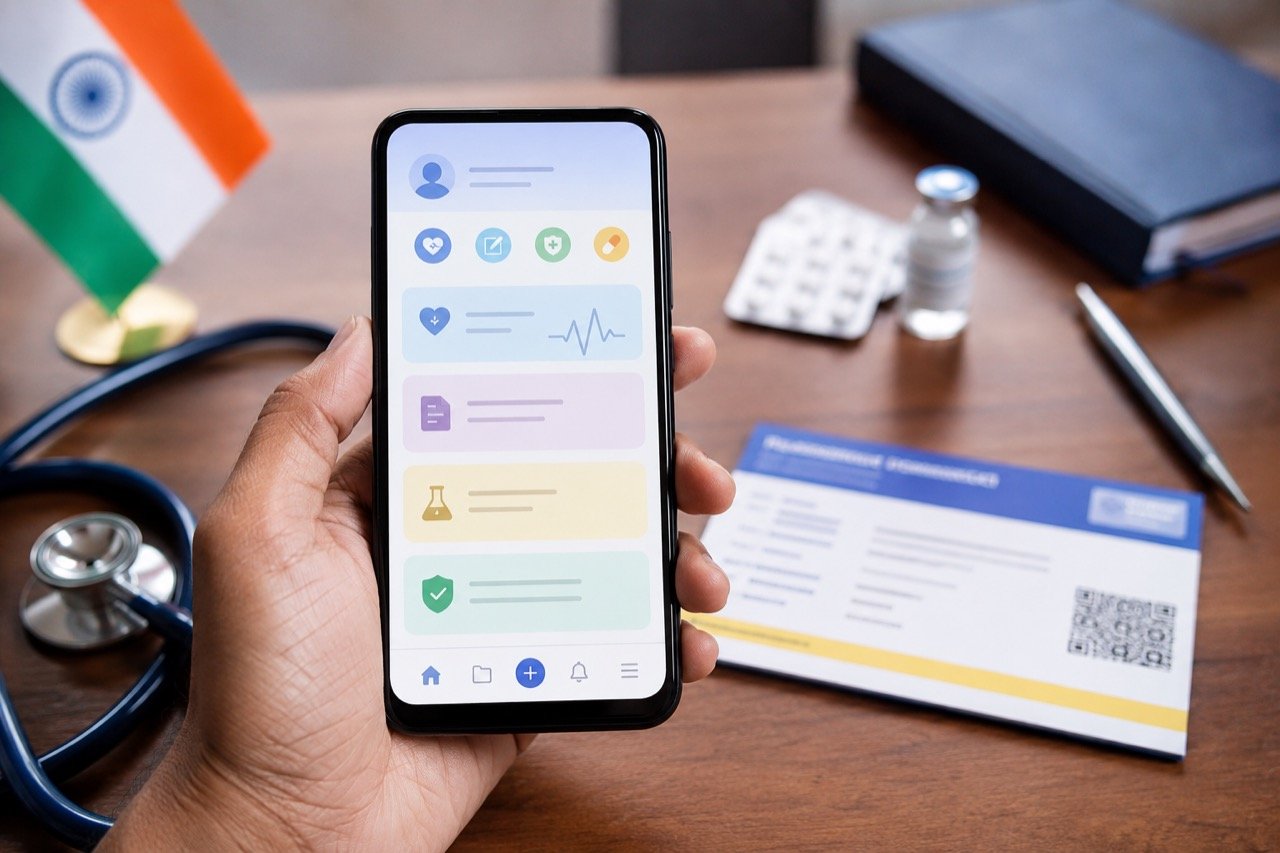
Aarogya Setu, the app most Indians remember as a pandemic-era contact tracing tool, has been relaunched in a new avatar. Aarogya Setu 2.0 is now positioned as a personal health record app, designed to let individuals store and manage their medical documents, prescriptions, vaccination records and health data in one place.
The relaunch marks a deliberate shift in identity for a platform once synonymous with emergency public health messaging. Rather than tracking exposure risk, the app now aims to slot into India's broader digital health ecosystem as a tool for everyday healthcare management.
Why portable health records matter
In a country where patients routinely move between public clinics, private hospitals, diagnostic centres and pharmacies, medical records are often scattered across paper files and disconnected systems. A portable digital record can reduce that friction, spare patients from repeating tests, and improve continuity of care as they move between providers.
The app's usefulness for doctors and hospitals will hinge on interoperability. A personal record platform delivers real value only when it connects with verified providers, laboratories and government health systems; without those links, it risks becoming little more than a document locker.
The trust question
Health data is among the most sensitive information a person holds, and the platform's success will turn on trust. Users will need clarity on consent, data sharing, security, and how records can be corrected or deleted. The Aarogya Setu name cuts both ways: it carries wide recognition, but also lingering associations with pandemic-era surveillance functions that the relaunch must actively move past.
The NE Times View
Repurposing Aarogya Setu is a pragmatic move — the brand already sits on millions of phones, and India's digital health mission needs a citizen-facing front door. But recognition is not the same as trust, and the government must earn the latter with transparent privacy safeguards and genuine user control over data. If the app integrates cleanly with hospitals, labs and insurers, it could quietly become one of the most useful pieces of India's digital public infrastructure. If it remains a standalone locker with unclear data practices, users will download it, glance at it once, and forget it. The difference will be decided in execution, not branding.
This article is original commentary and analysis by The NE Times. Background facts were referenced from Hindustan Times and NDTV India.
You may also like to read
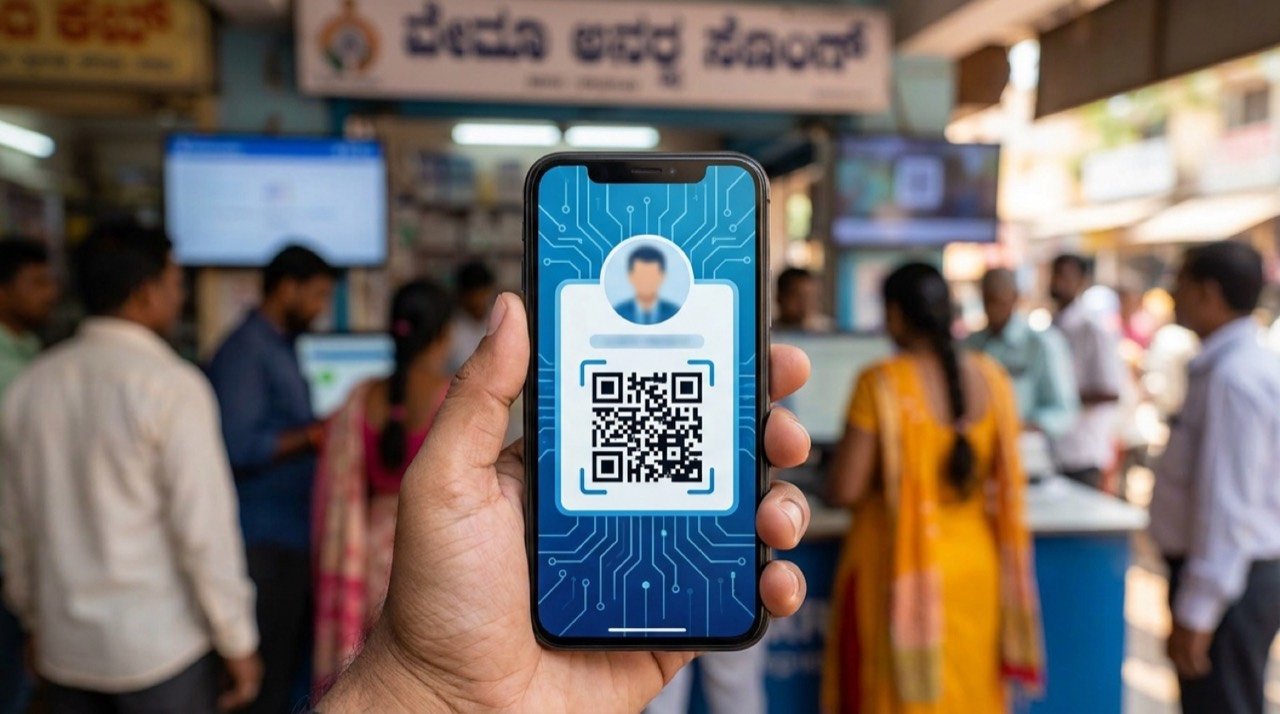
Aadhaar App Crosses 31 Million Downloads as Digital ID Use Expands
India's Aadhaar mobile app has passed 31 million downloads, underlining how QR-based digital identity is becoming part of everyday verification across welfare, banking, telecom and travel.

Busan's streaming festival returns with a record field as the Global OTT Awards crown the platform era
The Korea International Streaming Festival runs June 18-21 with its flagship Global OTT Awards drawing a record 231 submissions, signalling how Asia's streaming industry is building institutions to match its commercial clout.
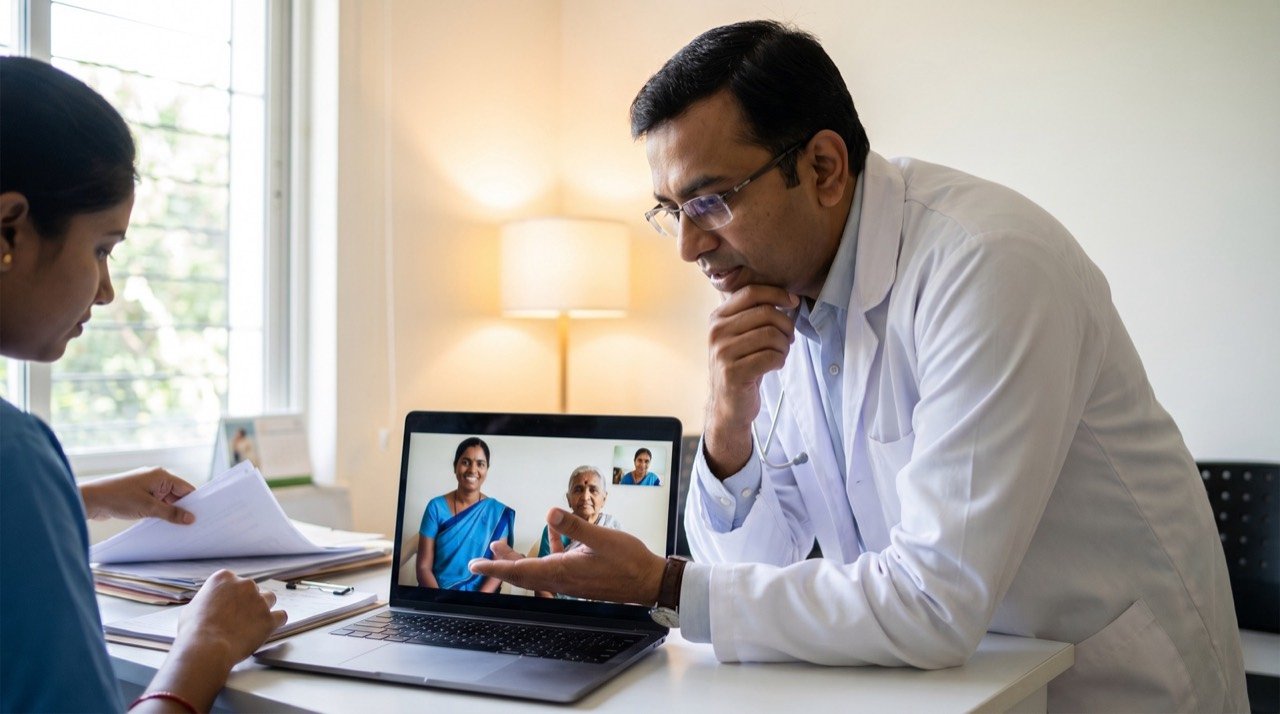
Digital Health Push Brings Telemedicine to More Towns and Villages
A nationwide effort to connect clinics digitally is widening access to doctors and diagnostics far beyond the big cities.

NMC to Phase Out PG Diploma Medical Courses, Shift Seats to MD and MS
The National Medical Commission says 2026-27 will be the final admission cycle for postgraduate diploma medical courses, with seats set to convert into MD and MS degree programmes from 2027-28.
More from this section
More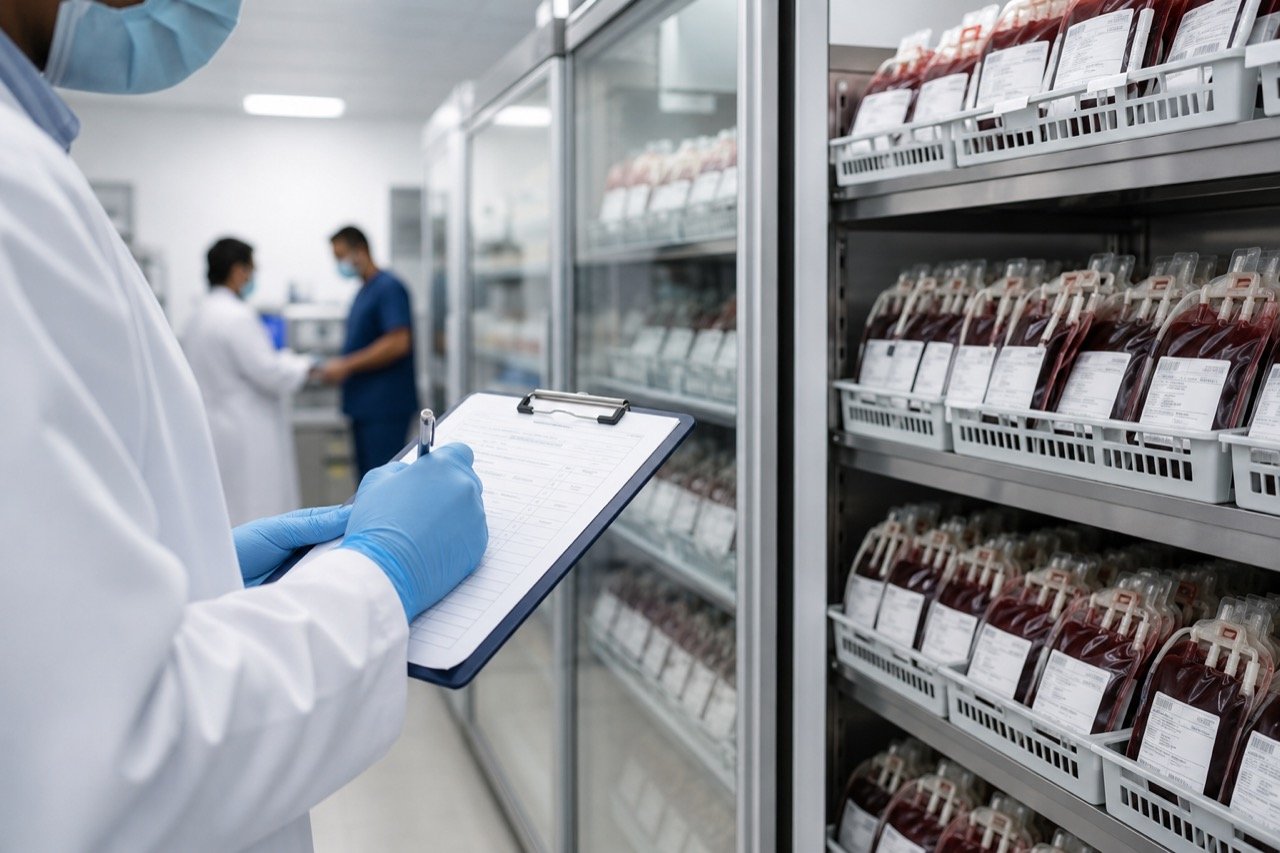
Maharashtra Orders Statewide Blood Centre Checks After FDA Shutdowns
After the Food and Drug Administration shut two blood centres, Maharashtra has ordered inspections of every facility in the state, putting blood-bank safety, licensing and public trust in health infrastructure under fresh scrutiny.
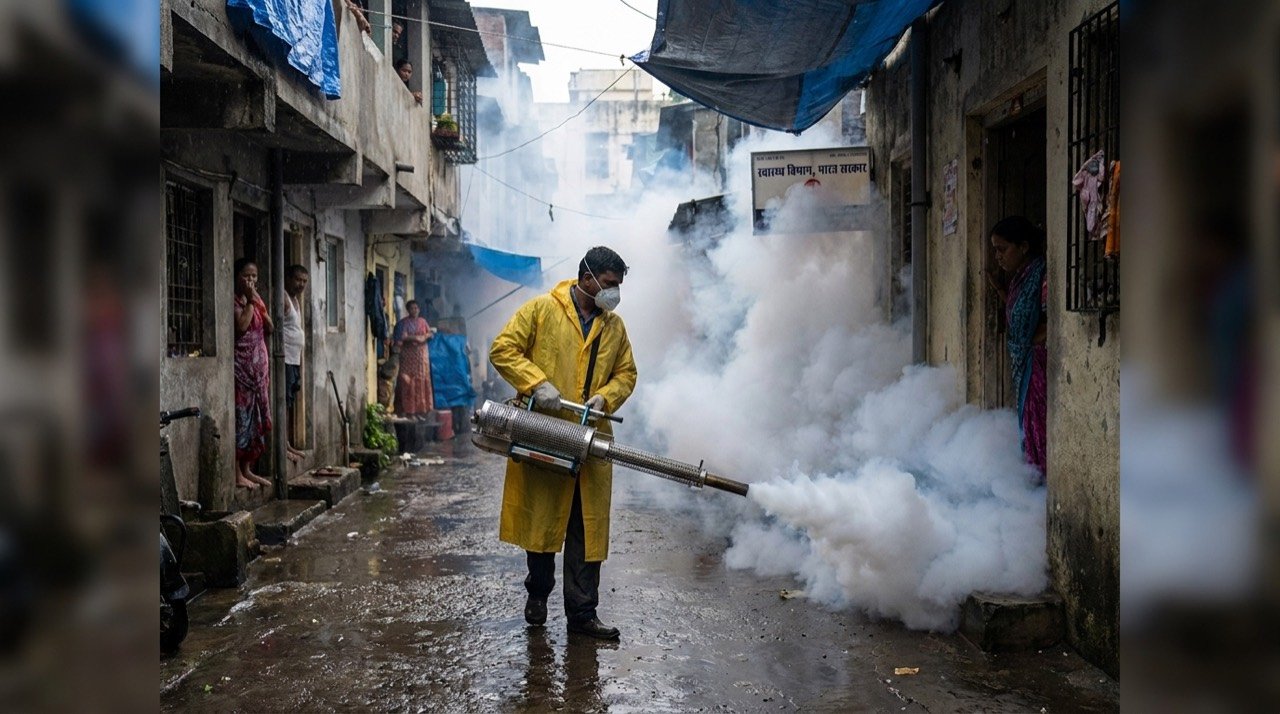
India Braces for Monsoon Disease Season as Cities Ramp Up Vector Surveillance in 2026
With dengue, malaria and chikungunya cases historically peaking after the rains, civic bodies led by Delhi are activating sentinel hospitals and stepping up mosquito control ahead of the dangerous monsoon months.
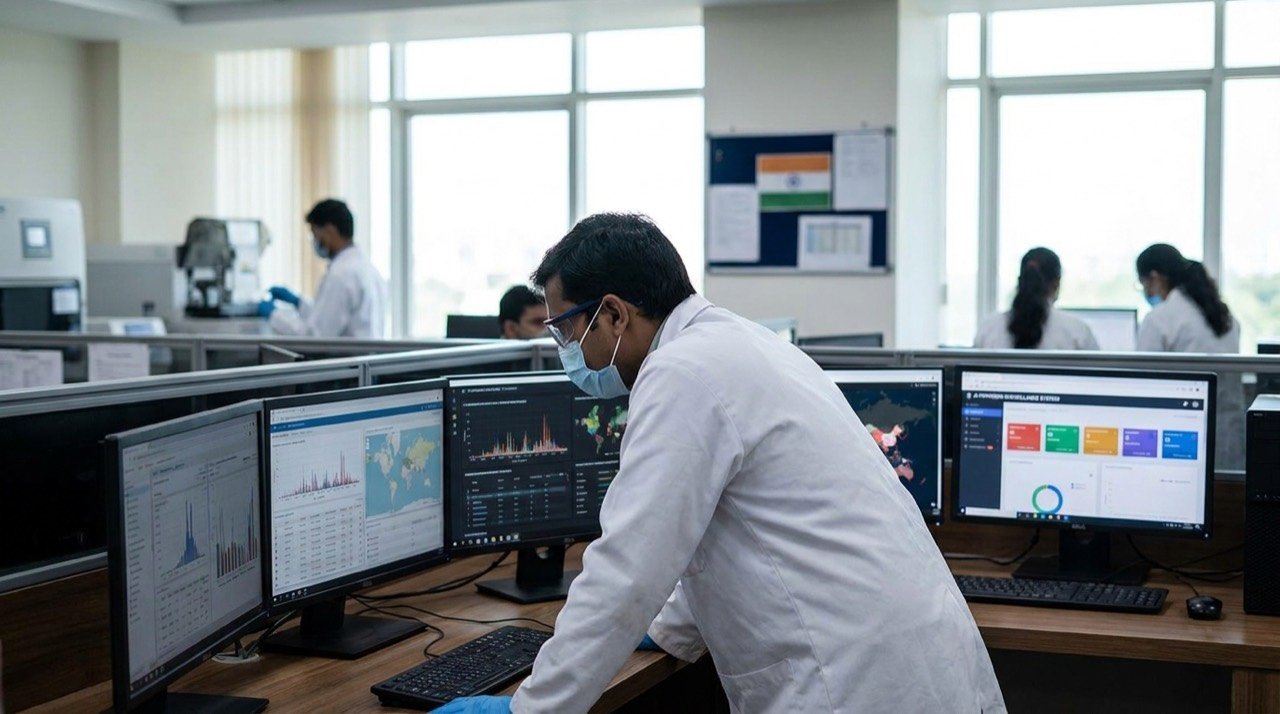
India Bets on AI to Catch the Next Outbreak Under One Health Mission in 2026
Drawing on the hard lessons of COVID-19, the ICMR is inviting proposals for AI systems to detect emerging pathogens across people, animals and the environment, in a bid to predict outbreaks rather than react to them.