Zeenat Aman on the Gaze That Framed Her Bollywood Stardom
Zeenat Aman's candid remarks about directors prizing her glamour over her intellect have reopened a wider reckoning with how Hindi cinema packaged its women stars and who controlled their image.
The NE Times Entertainment Desk
Commentary & Analysis ·
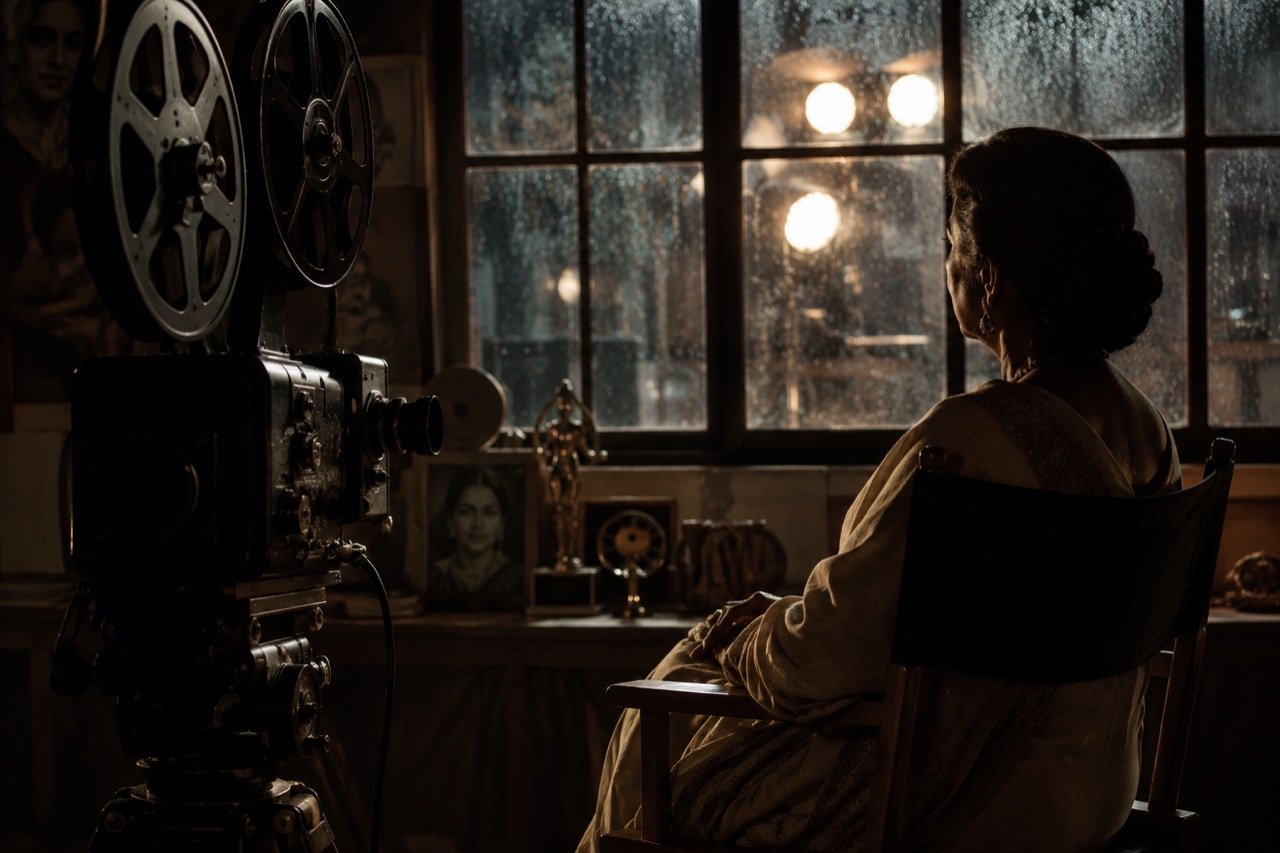
Zeenat Aman's latest interview remarks have struck a chord because they tie one actor's career memory to a much larger history of how Hindi cinema packaged its women stars. As highlighted by The Indian Express, Aman said the industry often cared more about her image as a sex symbol than about her cerebral side — pointing to the way rain sequences and glamour were deployed around her on screen.
An insider's testimony, not an outsider's critique
What gives the comments their weight is that Aman is not speaking from outside that era; she is one of the figures who defined it. Her reflections carry the authority of first-person history, describing the industrial habits that decided what a leading woman was allowed to represent, from the roles she was offered to the way the camera framed her.
Old cinema, new questions
The remarks resonate now because audiences increasingly revisit older cinema with fresh questions. Iconic glamour songs and visual moments can remain culturally beloved while still inviting scrutiny about who controlled the framing. Aman's reflections do not erase the affection attached to her screen presence — they complicate it, asking viewers to separate admiration for a star from the machinery that narrowed her range.
The conversation also explains why veteran actors' interviews keep finding younger audiences online. They offer history in the first person: not nostalgia alone, but evidence of how far the industry has moved on questions of objectification and actor agency, and where it still falls short.
The NE Times View
Aman's honesty is a gift to an industry that prefers its legends airbrushed. Hindi cinema has grown better at writing complex women, but the commercial reflex to reduce actresses to image has not disappeared — it has merely migrated to Instagram grids and item-song economics. The right response to her remarks is not to relitigate the 1970s but to audit the present: who frames today's women stars, and on whose terms. Listening to the women who lived the earlier era is where that audit should begin.
This article is original commentary and analysis by The NE Times. Background facts were referenced from The Indian Express and Times of India.
You may also like to read
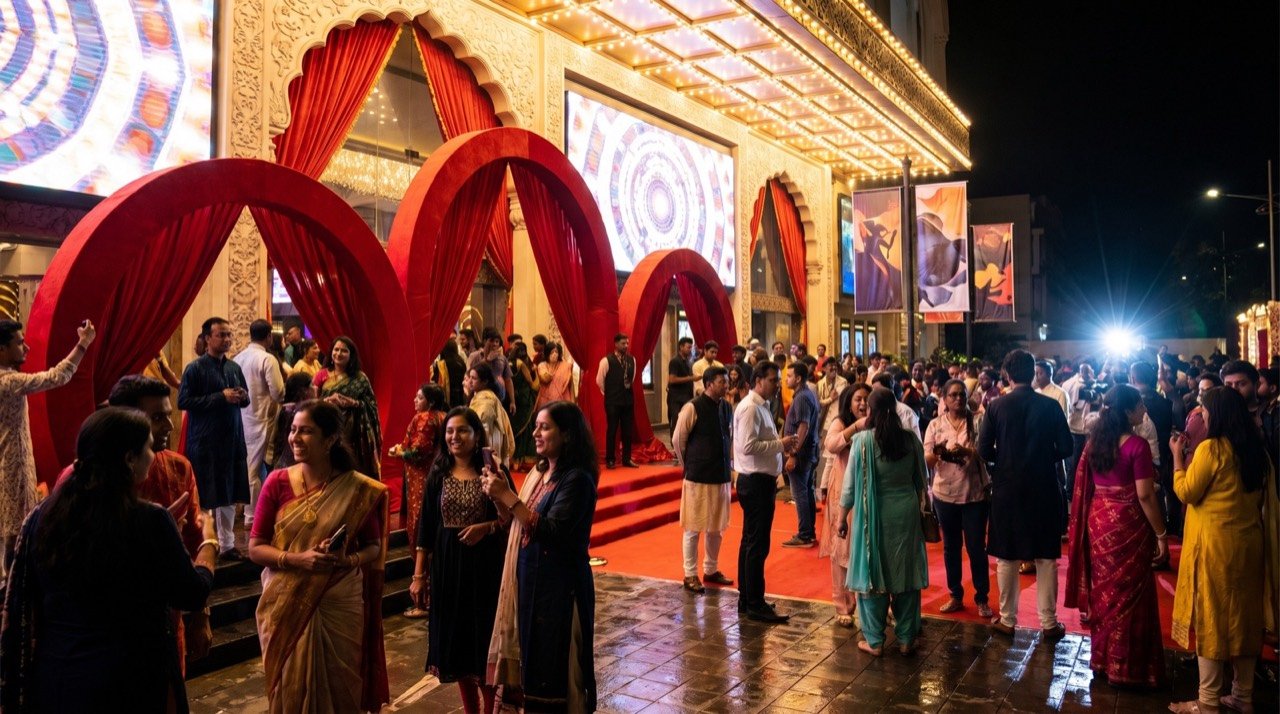
June 2026 Becomes Bollywood's Most Crowded Box-Office Month
A pile-up of Hindi releases across four consecutive Fridays, sharing screens with major Hollywood titles, has turned June into the year's most contested theatrical window.

Ram Charan's 'Peddi' Rules Nationwide But the Hindi Belt Stays Cool
The sports drama has become South India's biggest 2026 hit with over Rs 340 crore worldwide, yet its Hindi gross lags far behind the benchmark RRR set.
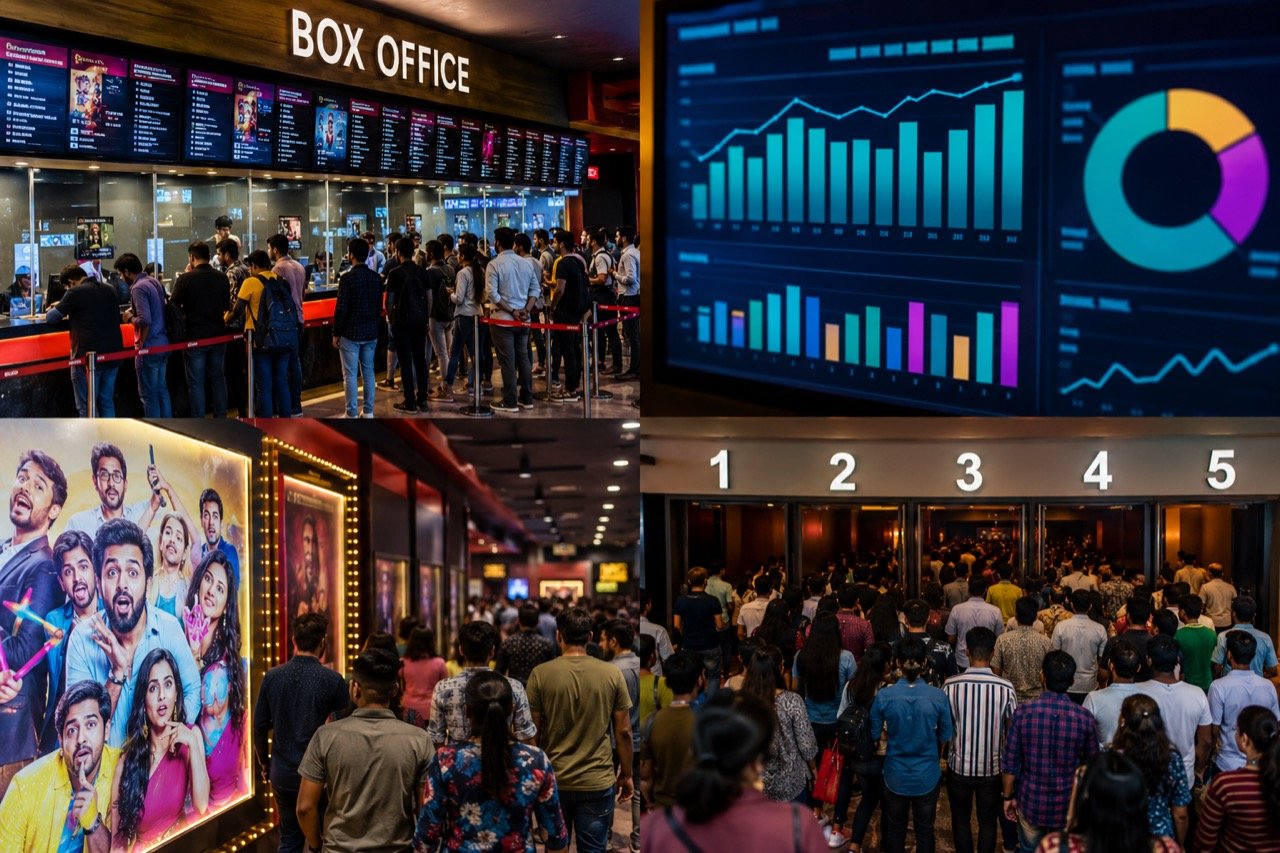
Rs 106 Crore in Four Days: Jungle Puts Welcome Back on Top
Akshay Kumar's ensemble comedy has reportedly crossed Rs 106 crore worldwide in four days against a Rs 125 crore budget, reviving the Welcome franchise's box-office relevance while leaving its long-run fate open.
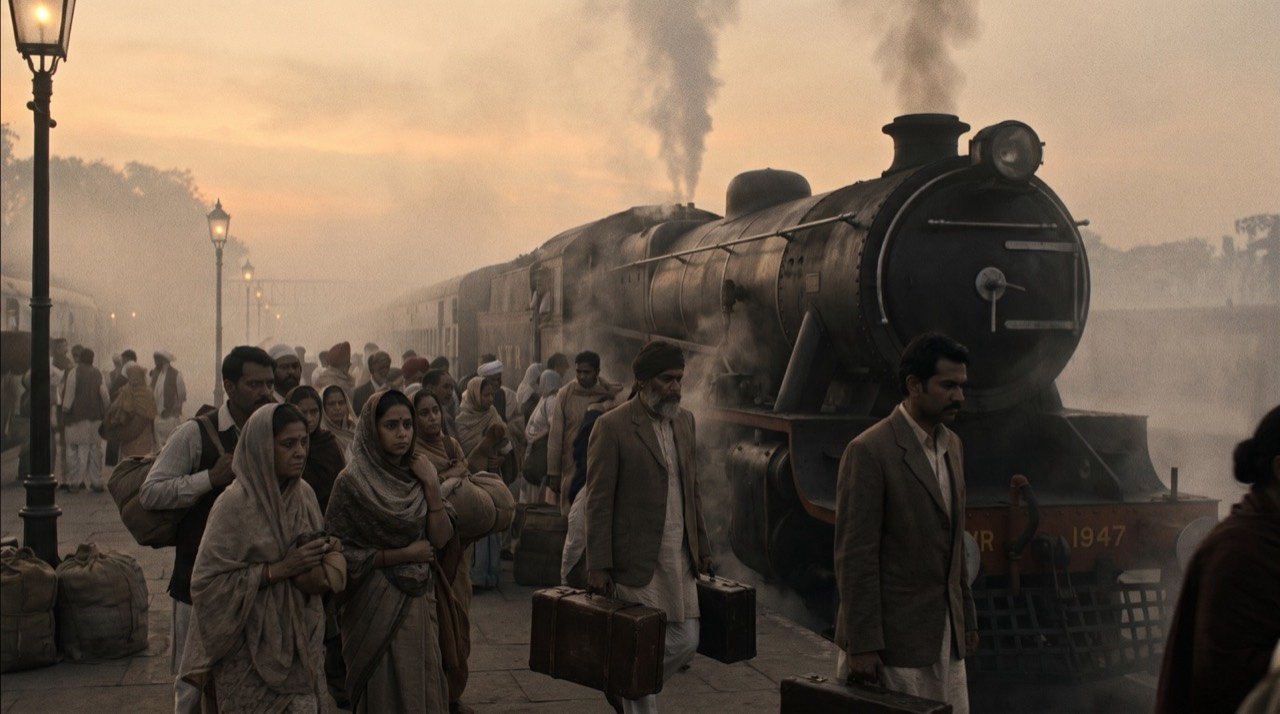
Kangana Ranaut's 26/11 Drama 'Bharat Bhhagya Viddhaata' Stumbles at the Box Office
The actor-MP's nurse drama about the Mumbai terror attacks opened to just over a crore on day one, falling short of even her recent releases Emergency and Tejas.
More from this section
More
Aamir Khan's quiet July 5 wedding becomes Bollywood's big story
Reports that Aamir Khan has confirmed an intimate July 5 ceremony with Gauri Spratt have captivated Bollywood watchers precisely because the star is choosing privacy over spectacle.
Akshaye Khanna's Nod to Sunny Deol Stirs 90s Bollywood Nostalgia
A warm remark from Akshaye Khanna about Sunny Deol has revived affection for Bollywood's 1990s generation, showing how memory and mutual respect still power Hindi cinema's news cycle between big releases.
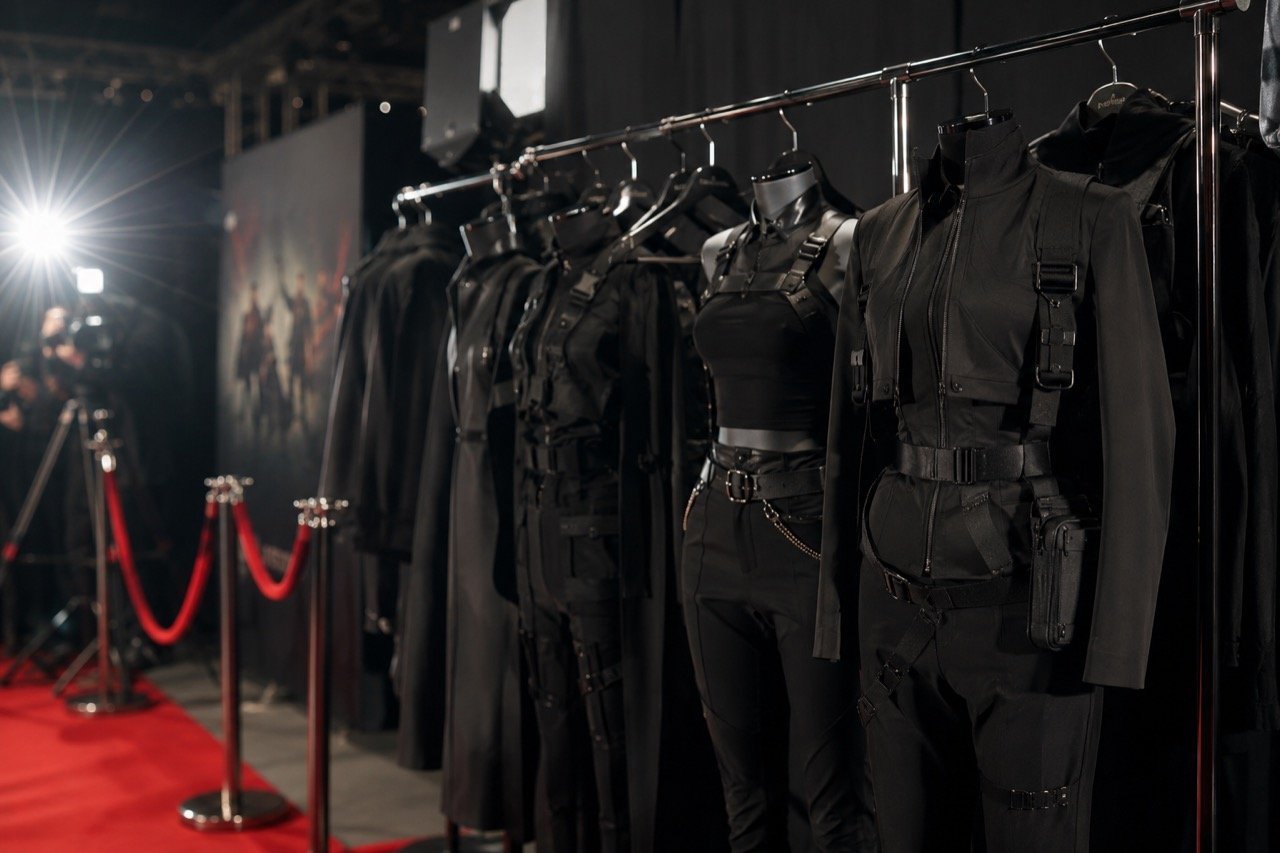
Alia Bhatt's Alpha Wardrobe Makes Spy-Film Promotion a Style Story
From asymmetrical silhouettes to commando-inspired outfits, Alia Bhatt's promotional fashion for Alpha is doing narrative work — signalling toughness and control for Bollywood's female-led action entry.