Suvendu Adhikari's BJP Government Settles In as Bengal Adjusts to Historic Power Shift
Six weeks after ending 15 years of Trinamool rule, West Bengal's first BJP administration under Suvendu Adhikari has completed its cabinet, signalling priorities on law and order, jobs and administrative reset.
Commentary & Analysis ·
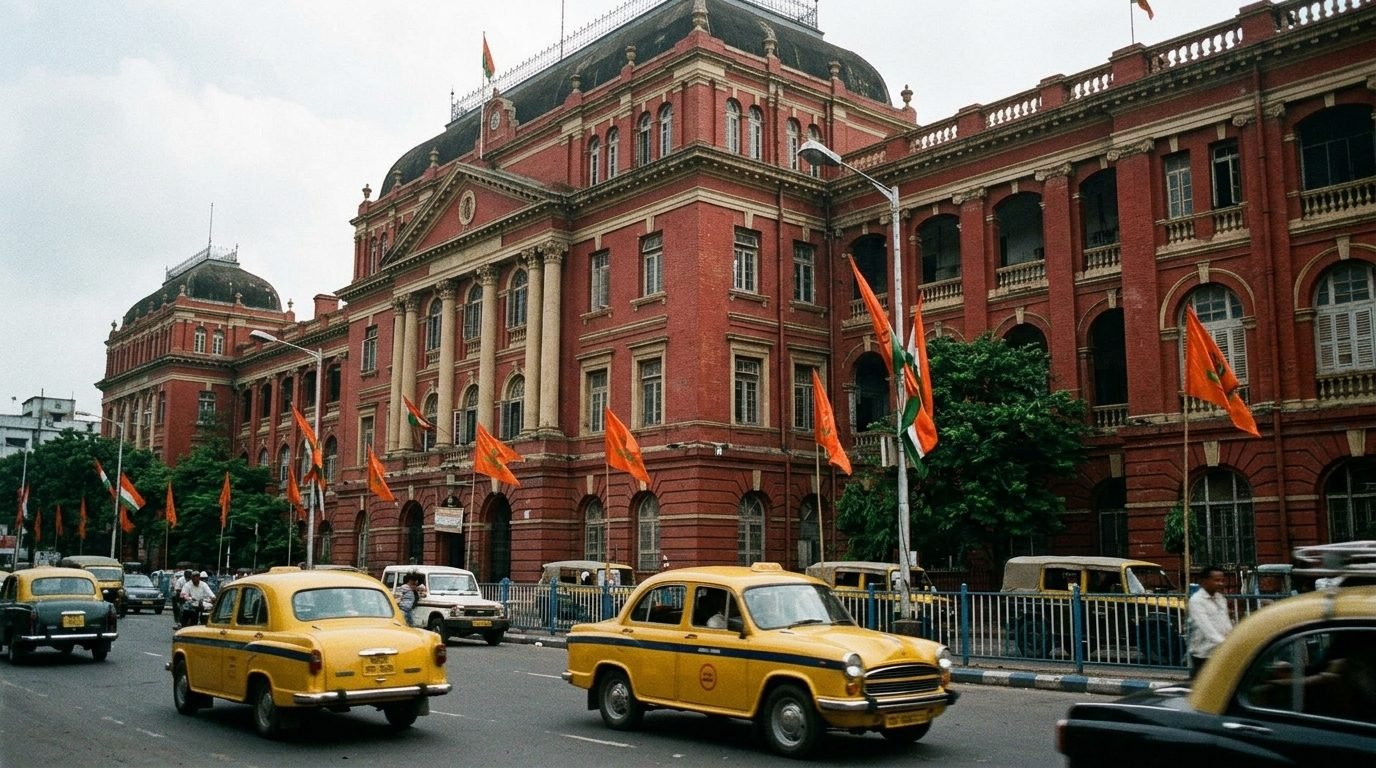
West Bengal is living through one of the most consequential political transitions in its post-independence history. After a landslide that ended the Trinamool Congress's 15-year hold on the state, Suvendu Adhikari took oath in early May as the first BJP chief minister Bengal has ever had, and by mid-June his administration had finished assembling its council of ministers and begun the slow work of governing a state long shaped by a very different politics.
A cabinet built for consolidation
The full ministry that assumed charge at the start of June blends established faces with first-time legislators drawn from the BJP's expanded base across north Bengal, the Jangalmahal belt and pockets of the south. Senior figures such as Shankar Ghosh from Siliguri were handed weighty portfolios, while the induction of ministers of state from districts like Raiganj and Karandighi reflects an effort to spread representation beyond the party's traditional strongholds.
The appointment of a new chief secretary and a reshuffle of senior bureaucrats has accompanied the change of guard, as the administration seeks to put its own stamp on a machinery that operated under one dispensation for a decade and a half.
Early priorities take shape
Government messaging in the first weeks has leaned heavily on law and order, a theme the BJP campaigned on relentlessly, alongside promises on employment, industrial revival and a review of welfare delivery. Officials have signalled audits of flagship schemes inherited from the previous government, a move the opposition has framed as politically motivated.
- Suvendu Adhikari became West Bengal's first-ever BJP chief minister, sworn in on 9 May 2026.
- The full council of ministers assumed office at the start of June, mixing veterans with new entrants.
- Law and order, jobs and a review of welfare schemes top the early agenda.
- A new chief secretary and senior bureaucratic reshuffle accompanied the transition.
- The Trinamool Congress, reduced to around 80 seats, has positioned itself as a combative opposition.
An opposition recalibrating
The Trinamool Congress, cut down from its commanding majority to roughly 80 seats, has signalled it will not go quietly. Its leadership has framed the new government's early decisions as vindictive and vowed to contest every move it sees as targeting the previous administration's welfare architecture, setting up a confrontational first session of the new assembly.
“Governance now has to match the scale of the mandate, and that means delivering on jobs and safety without turning administration into a settling of scores.”
— A senior Kolkata-based political analyst
How the Adhikari government balances the politics of transition against the practical demands of running one of India's most populous states will define its credibility well before the next electoral test, and will be watched closely as a template for the BJP's ambitions in the east.
The NE Times View
Ending a decade-and-a-half of Trinamool dominance is one thing; governing a polarised, finances-stretched Bengal is quite another. Suvendu Adhikari's cabinet choices read like a statement of intent on law and order, but the real test is jobs and an administrative culture that has long bent to one party. Voters who wanted change will measure delivery, not slogans. We are watching whether the BJP governs for all of Bengal or merely settles scores.
This article is original commentary and analysis by The NE Times. Background facts were referenced from The Hindu and Hindustan Times.
You may also like to read
West Bengal's First BJP Budget Bets on DA Hike, One Lakh Jobs and Welfare
Finance Minister Swapan Dasgupta's debut budget pairs a 20-point DA hike, one lakh government jobs and a major Annapurna Yojna outlay with industry incentives, framing the BJP's first big policy test in Bengal.
Bengal's New BJP Government Rolls Out First Policy Wave: Women's Schemes, Pay Panel, UCC Pledge
Chief Minister Suvendu Adhikari's BJP government moved quickly after ending Trinamool's 15-year rule, doubling women's assistance, ordering a pay commission and committing to a Uniform Civil Code within six months.

Vijay's TVK Government Pushes Welfare Agenda as DMK Settles Into Opposition
Actor-turned-politician Vijay's Tamilaga Vettri Kazhagam, now in power in Tamil Nadu, has rolled out free-power and women's-safety measures as Udhayanidhi Stalin leads a chastened DMK from the opposition benches.
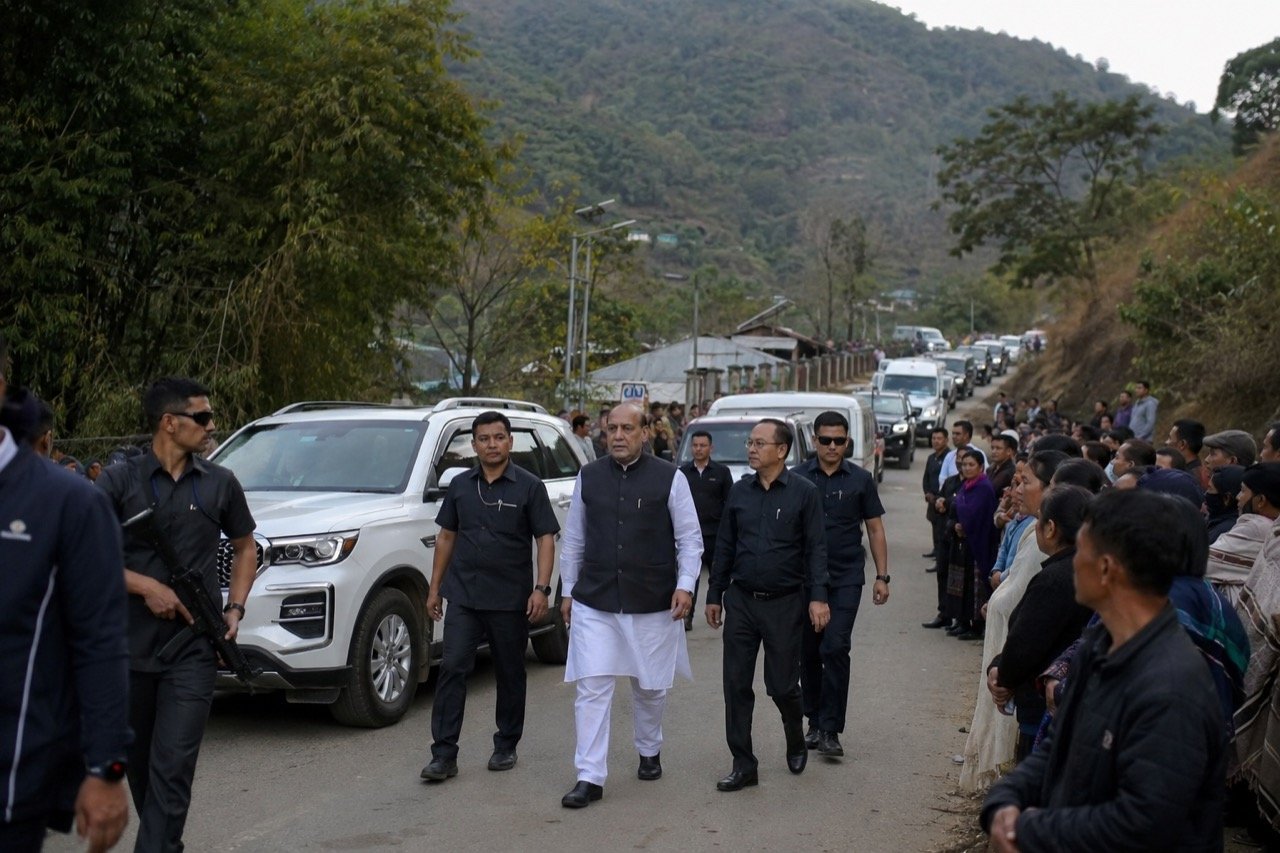
Manipur CM's Churachandpur Visit: First Since 2023 Unrest
The Manipur Chief Minister travelled to Churachandpur for a BJP MLA's funeral, his first visit to the district since the 2023 violence, lending the sombre occasion an unmistakable political significance.
More from this section
More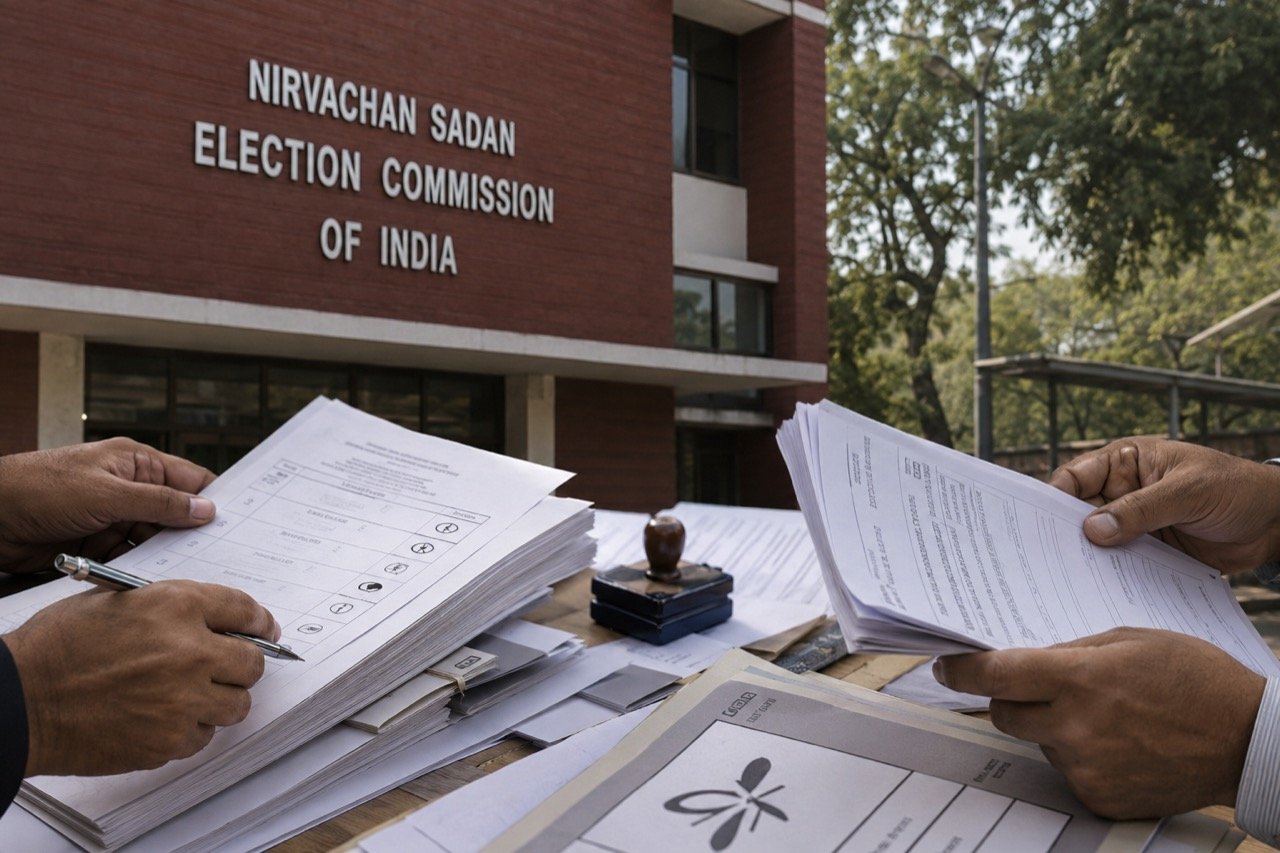
K Kavitha Party Denied TRS Name by Election Commission
The Election Commission has refused to register K Kavitha's Telangana Rakshana Sena under the TRS acronym after objections, forcing a branding reset for the new party at a politically sensitive moment in Telangana.
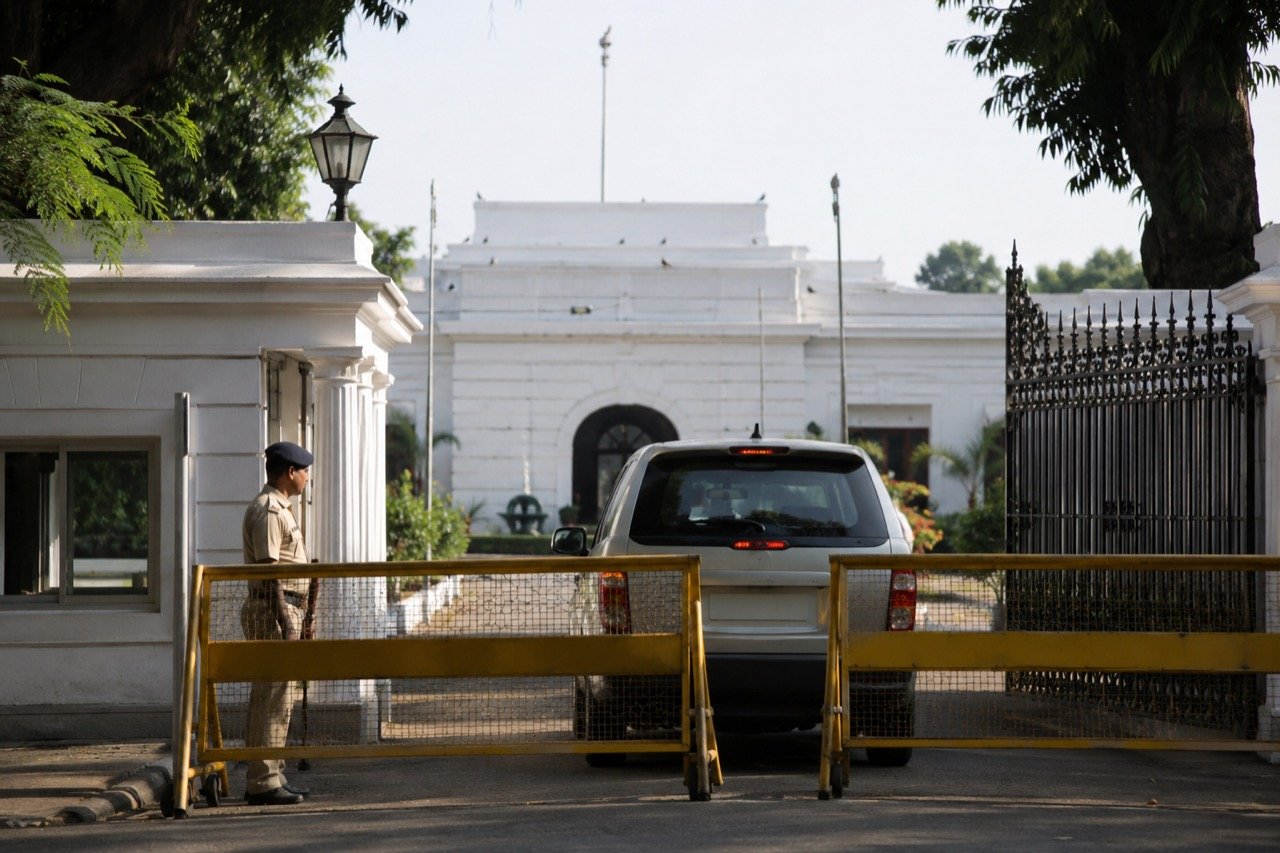
Lalu Prasad Yadav Security Downgrade, Bungalow Order Stir Bihar
A government order downgrading Lalu Prasad Yadav's security cover and asking him to vacate an official bungalow has opened a fresh political flashpoint in Bihar, with the RJD chief's reaction fuelling the row.
Manipur CM's Churachandpur Visit: First Since 2023 Unrest
The Manipur Chief Minister travelled to Churachandpur for a BJP MLA's funeral, his first visit to the district since the 2023 violence, lending the sombre occasion an unmistakable political significance.