Vikram-1 Countdown: India's First Private Orbital Rocket Nears Lift-Off
Skyroot Aerospace has stacked its Vikram-1 rocket at Sriharikota with a launch window from July 12 to August 4, putting India's private space ambitions on the pad for the first time.
The NE Times Technology Desk
Commentary & Analysis ·
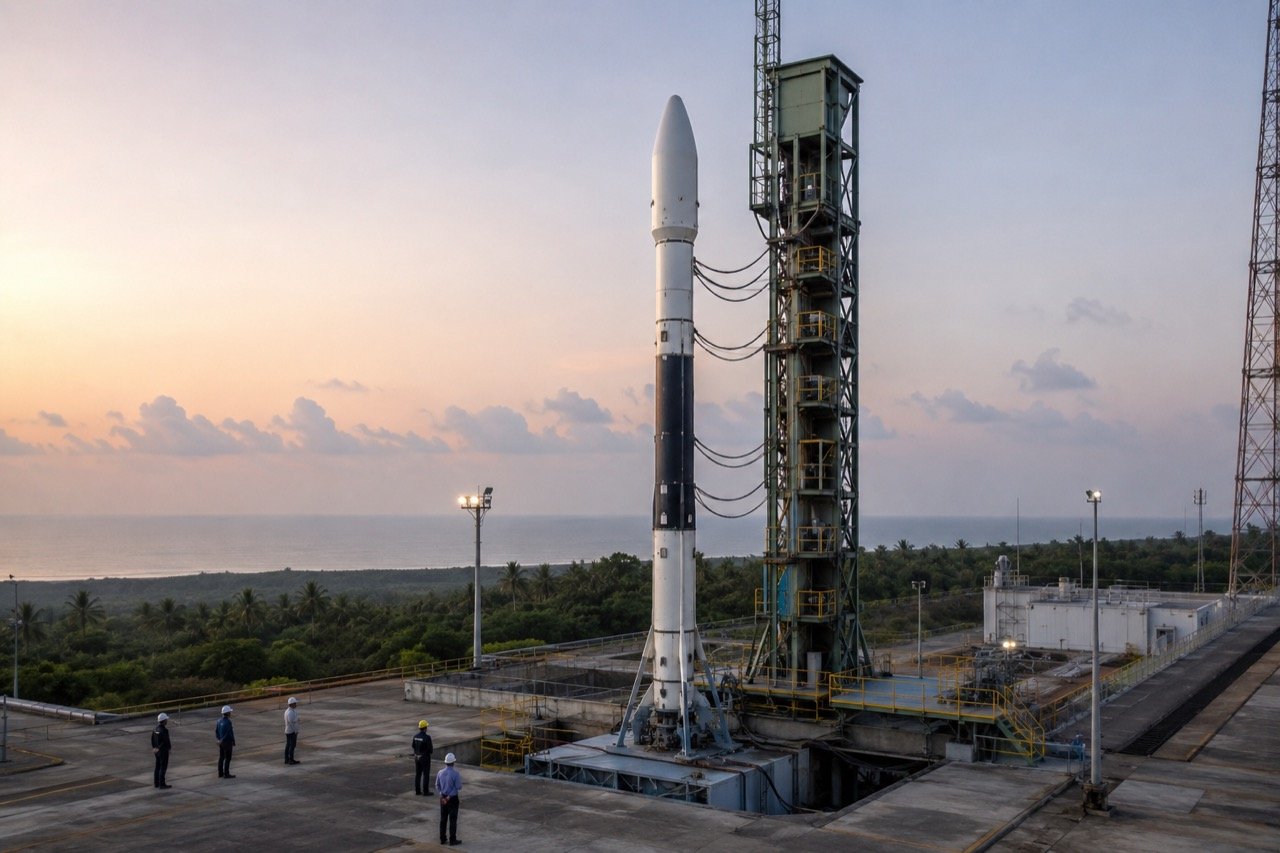
India's private space industry is standing at the edge of a defining moment. Skyroot Aerospace has unveiled its fully stacked Vikram-1 rocket at the Satish Dhawan Space Centre in Sriharikota, with a launch window opening on July 12 and running until August 4, subject to final tests, weather and regulatory clearances.
Why Vikram-1 matters
Vikram-1 is India's first privately developed orbital rocket to reach this stage of readiness. The small, all-carbon composite vehicle is designed to carry satellites of up to 350 kg into orbit, and its maiden mission — named Aagaman — is intended to prove that a private Indian company can deliver launch capability in a domain long dominated by ISRO.
The unveiling at Sriharikota is more than a photo opportunity. Getting a fully integrated vehicle onto the national spaceport's pad means Skyroot has cleared the hard engineering and procedural gates that separate promising startups from genuine launch providers.
The commercial and strategic stakes
Small-satellite launches are one of the fastest-growing segments of the global space market, and New Delhi has been explicit that it wants domestic firms to capture a larger share of that value. A successful Aagaman mission would not displace ISRO; it would widen the ecosystem around it, giving Indian and foreign customers a home-grown commercial option.
Caution is still warranted. The launch remains contingent on technical readiness and regulatory sign-off, and maiden flights of new rockets carry inherent risk. Even so, Vikram-1's presence on the pad is already a marker of how far India's space reforms have travelled since the sector was opened to private players.
The NE Times View
Whatever happens in the launch window, Vikram-1 has already shifted the story of Indian space from policy promise to launchpad execution. If the mission succeeds, it will validate the 2020 reforms that invited private capital into a state monopoly and could unlock a wave of investment in Indian launch startups. If it stumbles, the lesson should be patience, not retreat — every serious spacefaring nation has learned through early failures. Either way, India's space economy now has a second engine, and that is the real breakthrough.
This article is original commentary and analysis by The NE Times. Background facts were referenced from NDTV.
You may also like to read

India Moves to Share Rocket Technology With Private Space Firms
The government is preparing to transfer proven rocket technology to local private space companies, a step that could deepen industry participation in launch vehicles, satellites and manufacturing while ISRO retains strategic oversight.
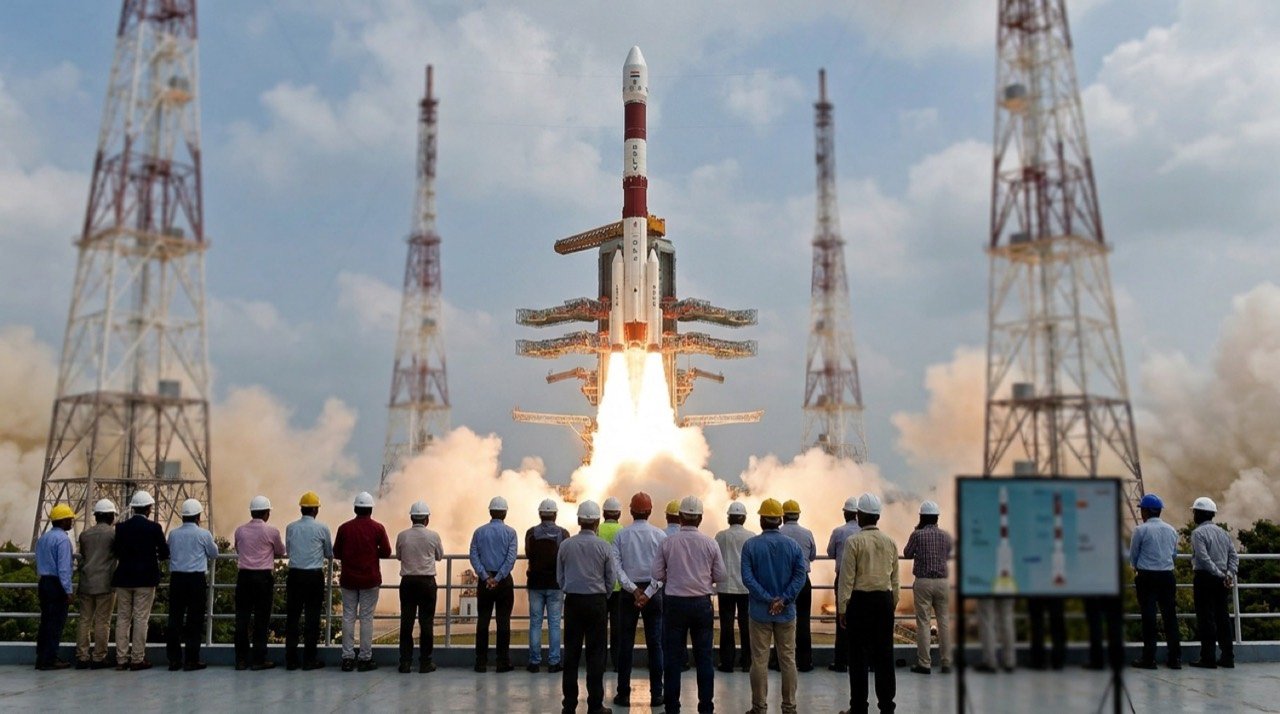
PSLV Technology Transfer Opens a New Chapter for India's Private Space Firms
India's plan to hand proven PSLV rocket technology to private space companies could reshape the country's space economy, moving industry from parts supply to full launch capability.
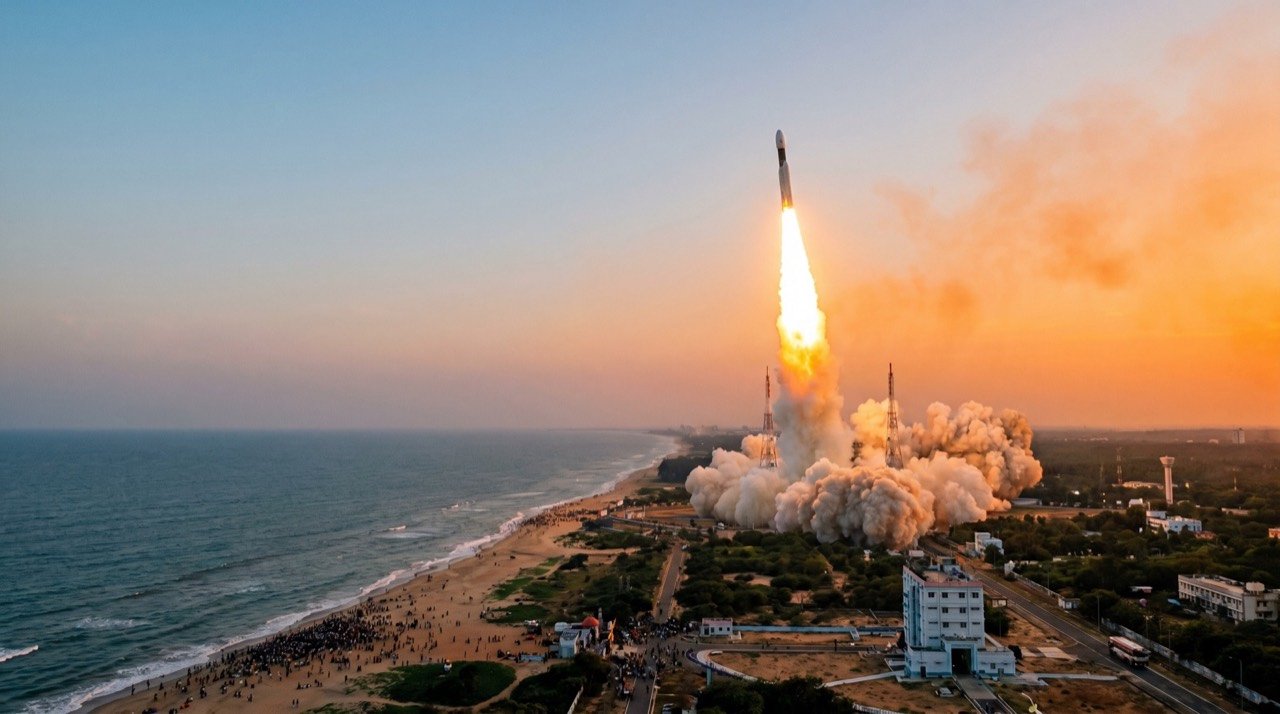
India Backs Homegrown Space Tech With First Technology Adoption Fund Grants
Space regulator IN-SPACe has picked TakeMe2Space, SatSure and Astrobase for its maiden funding round, spotlighting an AI-powered star tracker built in Hyderabad.
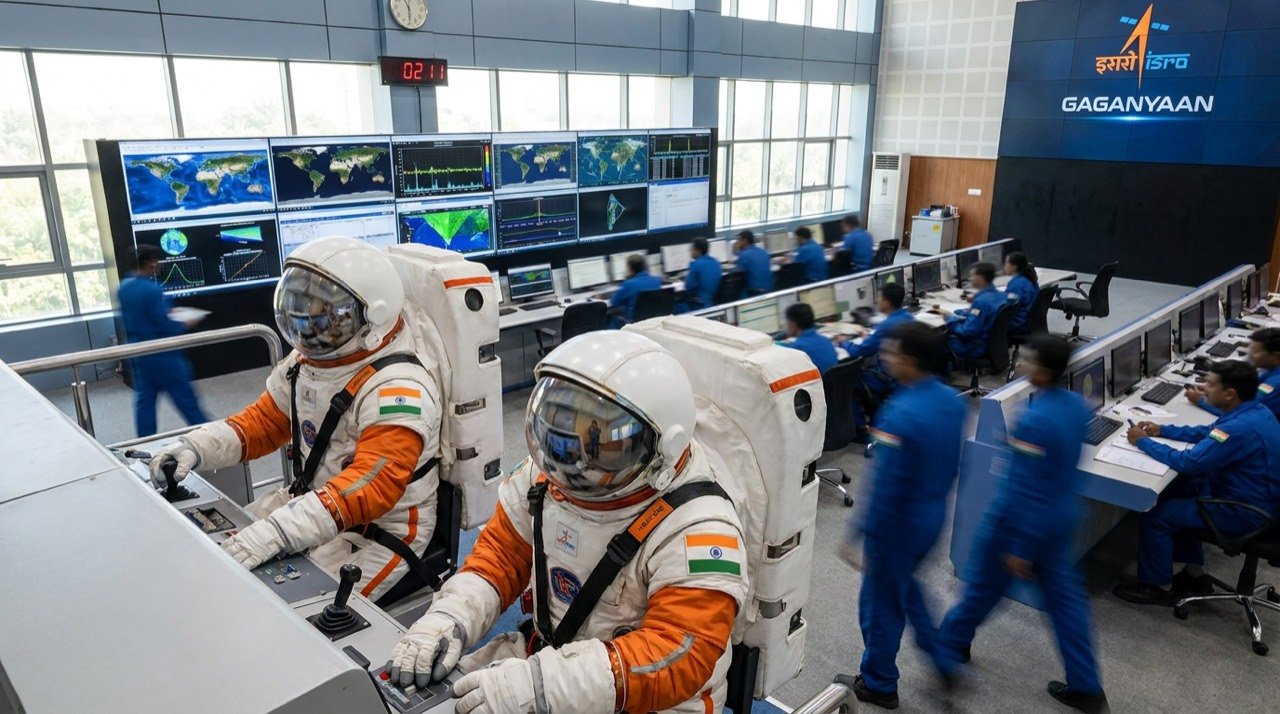
India and ESA Deepen Human Spaceflight Ties, Eye Joint Work on Space Station
ISRO and the European Space Agency are advancing cooperation on human spaceflight, astronaut training and lunar science, opening the door to European involvement in the planned Bharatiya Antariksh Station.
More from this section
More
Centre Set to Summon Meta Over Instagram Ads Endangering Children
The government reportedly plans to summon Meta over Instagram advertisements alleged to promote child sexual abuse material, thrusting ad-review systems and platform accountability to the centre of India's tech-policy debate.
Centre Warns Telegram on Piracy in Platform Accountability Drive
The government has issued a stern warning to Telegram over pirated films, books and exam material circulating on the app, sharpening India's push to hold digital platforms accountable for unlawful content.
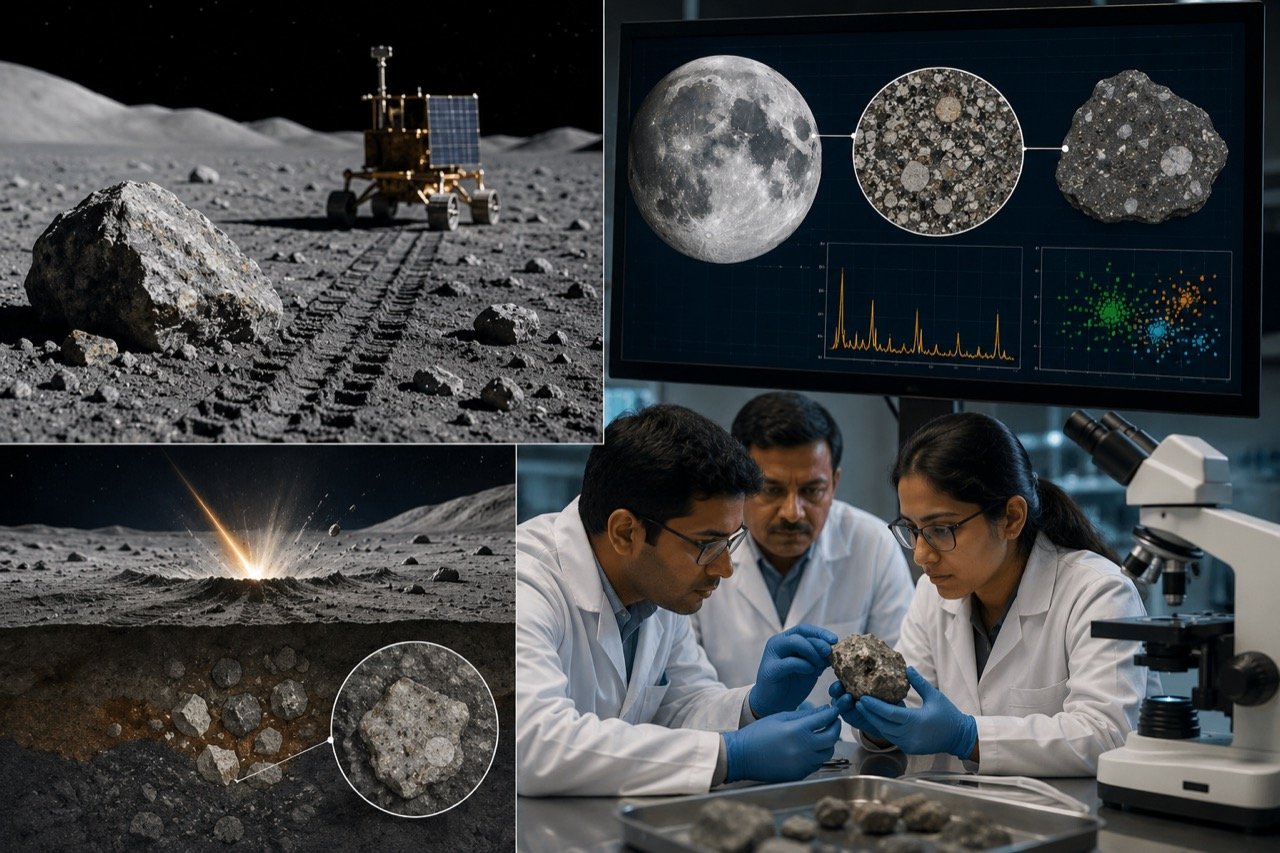
Chandrayaan-3 Data Tied to Earth's First Lunar Meteorite
New science coverage says findings from ISRO's Chandrayaan-3 mission reveal a link to Earth's first lunar meteorite, showing the landmark landing is still generating research long after touchdown.