Adani Case: US DOJ Pushes for Permanent Dismissal of Charges
The US Department of Justice has urged a judge to permanently dismiss charges against Gautam Adani, calling the case legally flawed — a reversal with consequences for markets, diplomacy and cross-border enforcement.
The NE Times Business Desk
Commentary & Analysis ·

The US Department of Justice's move to defend dropping charges against Gautam Adani and others has become one of the most consequential corporate legal developments of the year, with implications for business confidence, diplomacy and cross-border enforcement. The DOJ has urged a judge to permanently dismiss the case, arguing it should never have been brought and describing it as legally flawed and politically counterproductive.
Why a courtroom filing moves markets
International cases involving large Indian business groups rarely stay confined to courtroom procedure. They shape market sentiment, investor perception and government-to-government dynamics, and feed the wider debate over how anti-corruption enforcement is applied across borders. A filing in a US court can become a market and policy story in India almost immediately, given how deeply Indian infrastructure, energy and logistics firms now operate in global capital markets.
What dismissal would and would not mean
For the Adani Group and its stakeholders, permanent dismissal would remove a serious legal cloud that has hung over the conglomerate's access to international capital. For regulators and legal observers, the reversal raises harder questions: about prosecutorial standards, evidence thresholds, and how far diplomatic consequences should weigh in corporate criminal matters.
The distinction matters for readers following the case. A DOJ request marks a material change in the legal status of the prosecution — but it is a development in US prosecution posture, not a broad verdict on every corporate-governance debate surrounding the group. Compliance questions retain their public importance regardless of how this case ends.
The NE Times View
This reversal should be read with two eyes open. For India Inc, the likely dismissal is a relief that reduces a genuine drag on cross-border fundraising, and it exposes how abruptly enforcement priorities can swing with political winds in Washington. But that very volatility is the deeper lesson: Indian companies operating globally cannot outsource their credibility to the mood of a foreign prosecutor's office. The durable protection is boring — rigorous disclosure, independent boards and audit trails that survive scrutiny in any jurisdiction. India's regulators, too, should treat this episode as a prompt to strengthen domestic oversight capacity rather than assume that a closed case abroad settles the questions at home.
This article is original commentary and analysis by The NE Times. Background facts were referenced from Economic Times and Times of India.
You may also like to read

India-US AI Chips Roundtable Puts Critical Minerals in the Spotlight
Discussions between India and the United States on AI, semiconductors and critical minerals underline how technology cooperation is fast becoming a supply-chain and resource-security story, not just a software one.
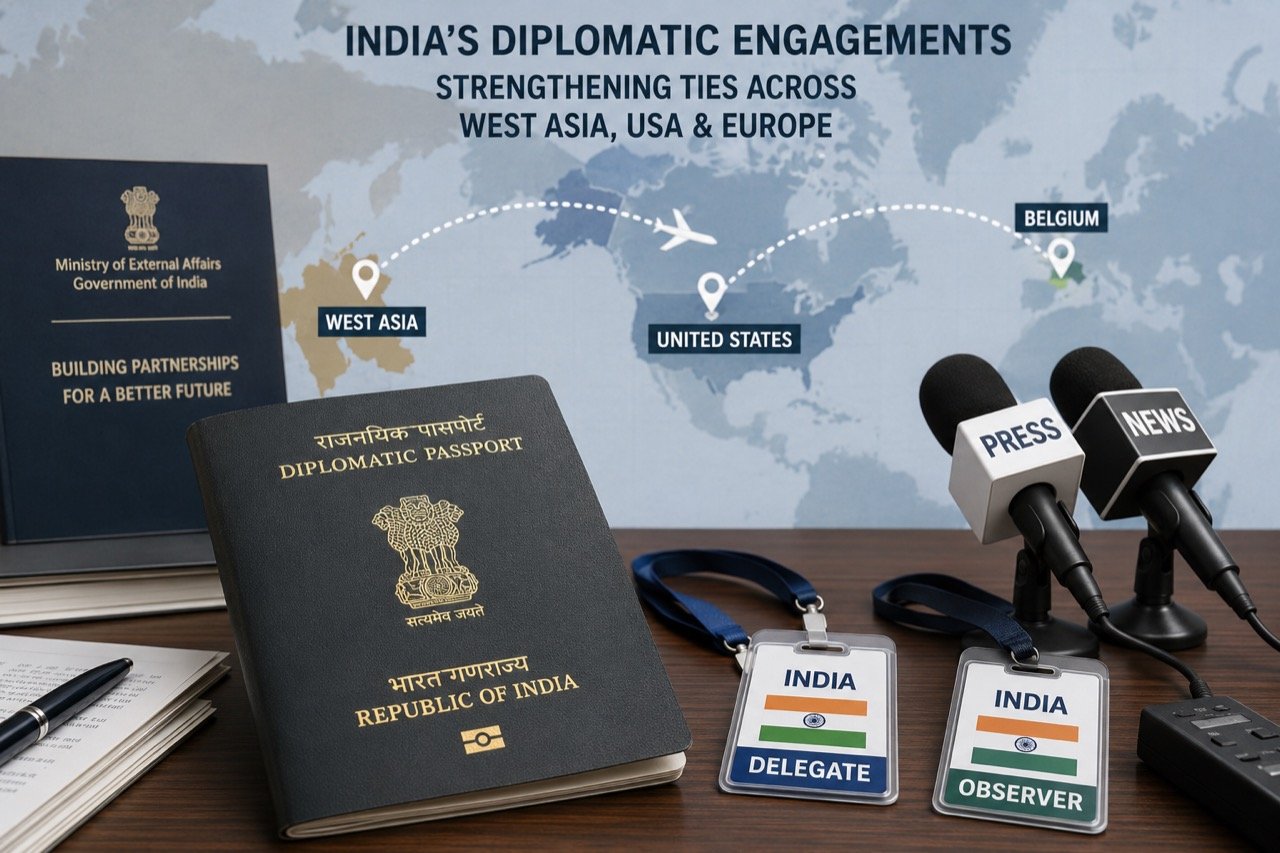
Jaishankar's Travel Week: West Asia, US and Belgium on One Itinerary
External Affairs Minister S. Jaishankar's reported travel schedule packs West Asia, the United States and Europe into a single diplomatic window, signalling where New Delhi is spending its foreign-policy attention.

Modi Greets Trump on US 250th Independence Day, Hails Partnership
Prime Minister Narendra Modi marked America's 250th Independence Day with a message to President Trump, saying the next 250 years should lift the India-US partnership to new heights.

UPI Goes Cross-Border In Cambodia As India Builds Out Global Payments Corridor
Indian travellers can now scan and pay at millions of Cambodian merchants, while a new India-Nepal remittance link extends UPI's footprint to its tenth international market.
More from this section
More
Akasa Air Inducts 40th Aircraft in Indian Aviation Scale-Up
Akasa Air's 40th aircraft, ferried to Bengaluru via Seattle, Reykjavik and Cairo, marks a fleet milestone for the young carrier and a fresh signal that India's aviation market remains firmly in expansion mode.
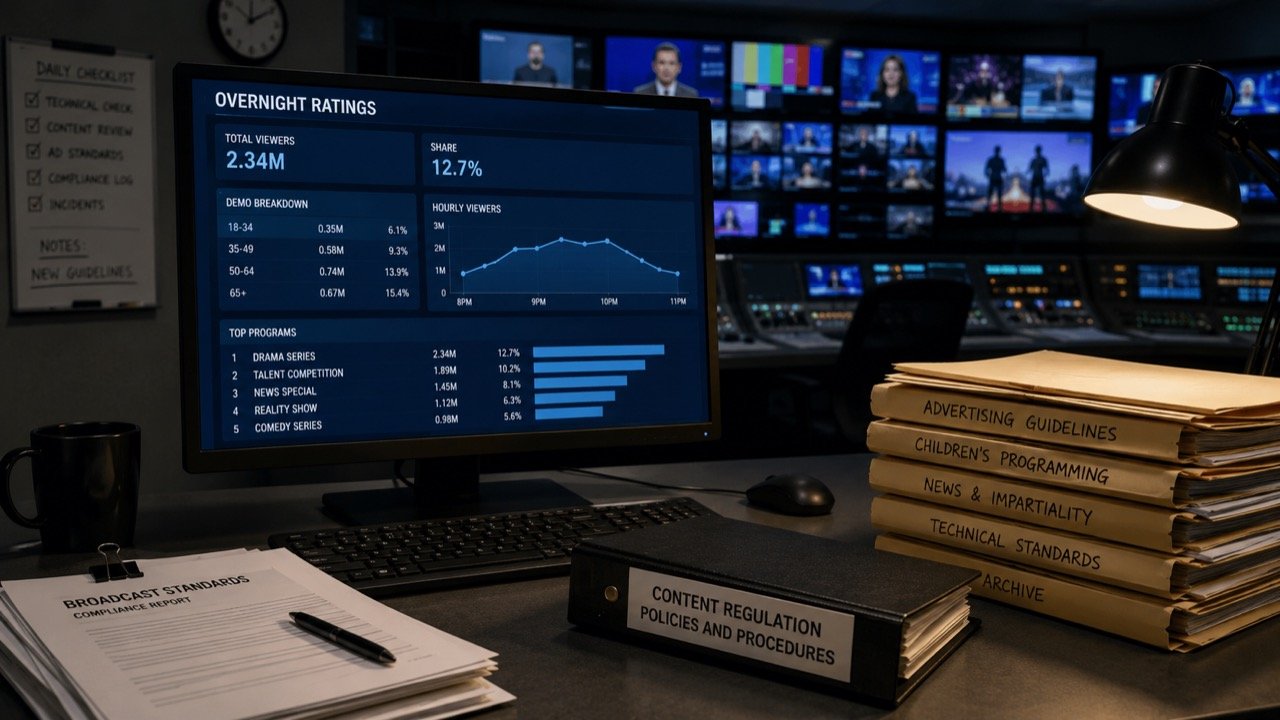
BARC Ratings Suspension Leaves Indian TV Industry Flying Blind
BARC's pause on television ratings has put India's broadcast measurement system under fresh scrutiny, leaving broadcasters, advertisers and media planners without the weekly audience data that anchors the TV economy.

Bharti Airtel Leads Weekly Market Cap Gains Among Top Six Firms
Six of India's most valuable companies added to their combined market capitalisation this week, with Bharti Airtel leading the wealth gain in a snapshot of where large-cap investor confidence is accumulating.