Union Bank Shares Fall After Q1 Update and Management Changes
Union Bank of India stock slipped after its June-quarter business update showed slower deposit growth alongside stronger advances, with senior management changes adding to investor caution.
The NE Times Business Desk
Commentary & Analysis ·
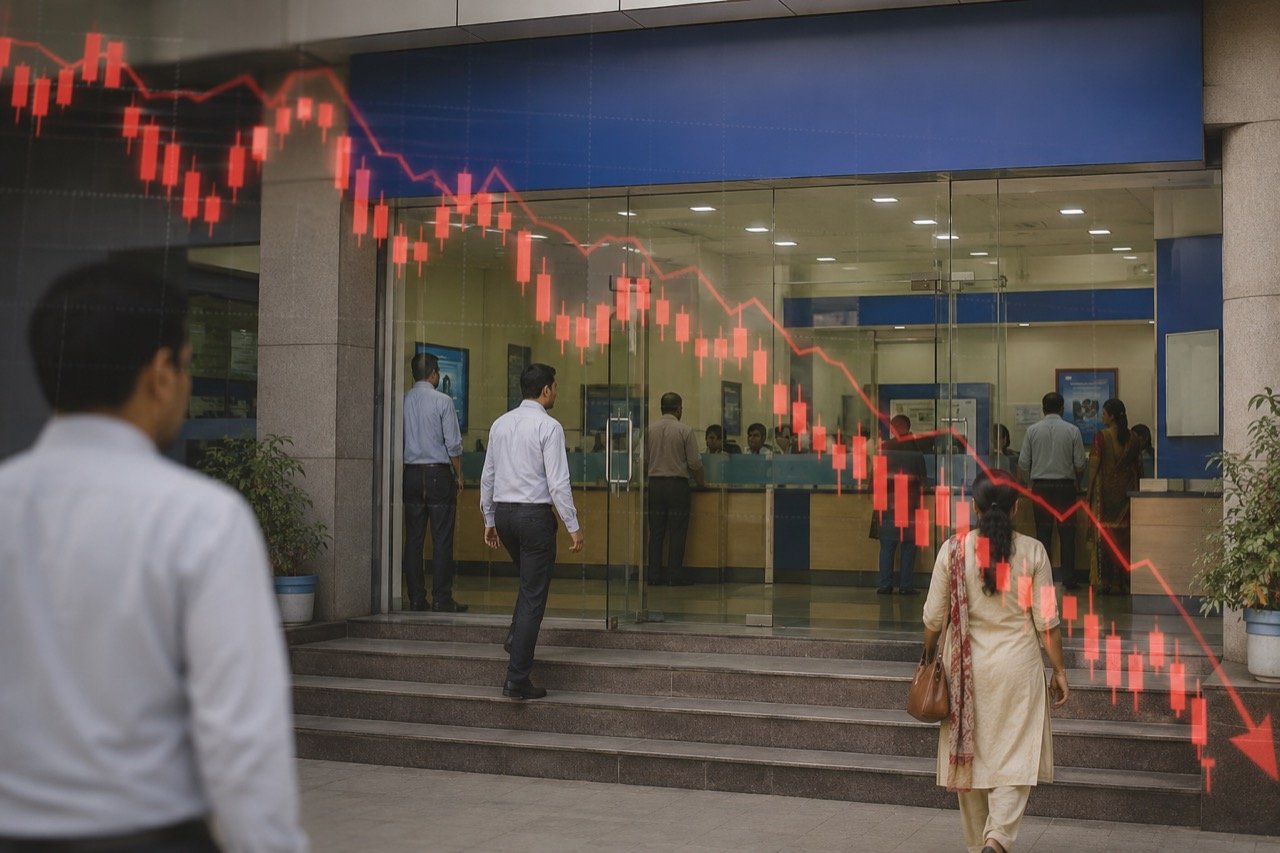
Union Bank of India shares dropped after the lender released its June-quarter business update, Economic Times reported. The preliminary numbers showed global business growing year-on-year but slipping marginally from the previous quarter, alongside news of senior management changes at the state-owned bank.
What the update showed
The mix within the numbers is what caught the market's attention. Advances grew at a healthier clip, but deposit growth lagged — a combination investors scrutinise closely because deposit pressure can squeeze margins and constrain future lending capacity. Layered on top were changes in the bank's senior leadership, adding an element of uncertainty to the quarter's story.
Reading the market's reaction
Bank business updates are read for more than headline growth. A share fall after such a release typically suggests investors wanted stronger signals or reacted cautiously to the blend of numbers and management news. One day's stock move is not a final verdict, though — sentiment can shift as analysts work through the details and as the full earnings release fills in asset quality and margin data.
The broader backdrop is India's banking sector, where the balance between loan growth, deposit mobilisation and funding costs remains the central question. Union Bank's detailed Q1 results will matter far more than these preliminary figures, but the update has already reset investor expectations.
The NE Times View
The market's twitchiness over Union Bank says as much about PSU bank psychology as about this quarter's numbers. Public-sector lenders have re-rated sharply in recent years, so investors now punish any hint that the deposit engine is straining — and rightly so, because cheap, sticky deposits are the whole PSU advantage. The management churn deserves attention too: leadership stability has been an underrated ingredient in the sector's turnaround. Retail investors should resist reading one session's fall as a trend and wait for the full results, where margins and asset quality will tell the real story. The deposit race, not the loan book, is where India's banks will win or lose this cycle.
This article is original commentary and analysis by The NE Times. Background facts were referenced from Economic Times.
You may also like to read
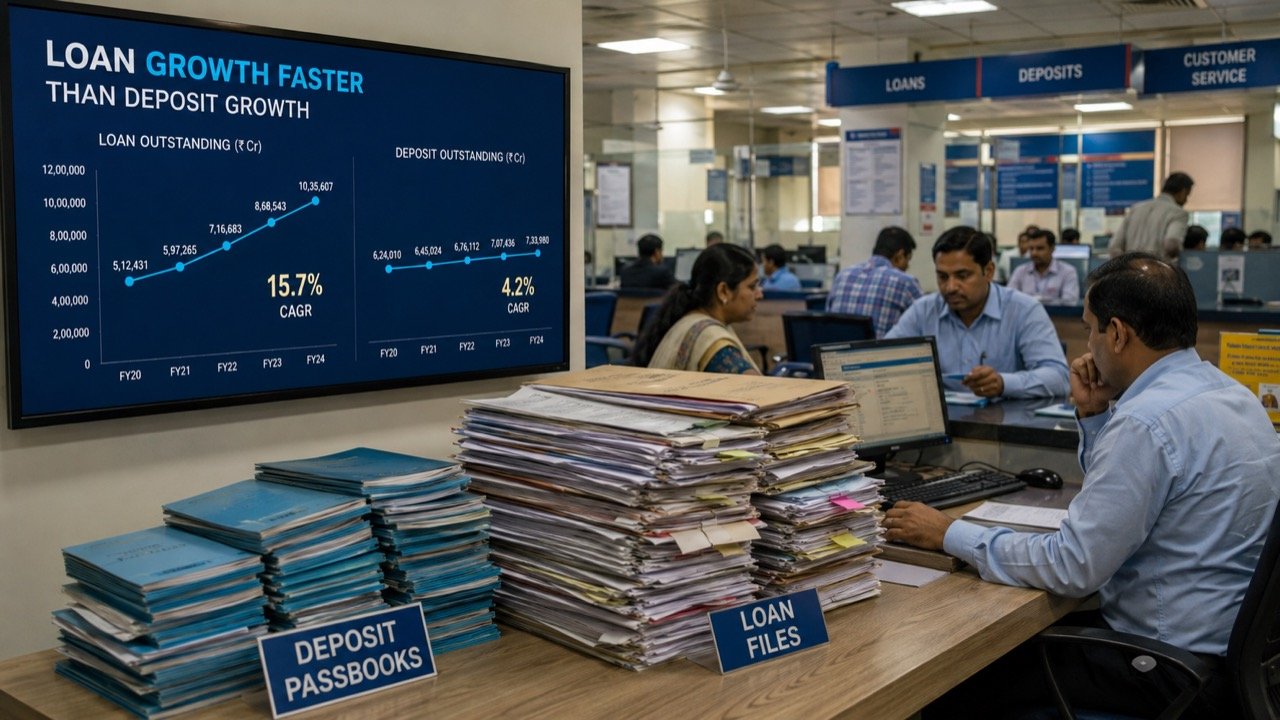
PSU Banks See Loan Growth Outrun Deposits as Credit Demand Holds
Public-sector banks are lending faster than they are gathering deposits, a gap that signals firm credit appetite in the economy but puts funding costs and deposit mobilisation under the spotlight.

Netweb Shares Slide 11% Before Board Meets On Fundraise Plan
Netweb Technologies India stock logged its steepest single-day fall since January 2025, dropping as much as 11 percent after the company said its board would meet to consider raising fresh capital.

Sensex Climbs Around 291 Points, Nifty Closes Above 24,100 as IT and Pharma Shares Lift Market
Indian equities rebounded on June 22, 2026, with the Sensex gaining about 291 points and the Nifty closing above 24,100, led by IT and pharmaceutical stocks despite lingering Middle East tensions.

HCLTech $1.14 Billion Deal and Pharma Rally Lift Market Mood
A reported $1.14 billion HCLTech contract and renewed buying in pharmaceutical shares gave Indian markets a distinctly sectoral flavour, offering investors signals that go beyond the headline Sensex and Nifty moves.
More from this section
More
Adani Case: US DOJ Pushes for Permanent Dismissal of Charges
The US Department of Justice has urged a judge to permanently dismiss charges against Gautam Adani, calling the case legally flawed — a reversal with consequences for markets, diplomacy and cross-border enforcement.

Akasa Air Inducts 40th Aircraft in Indian Aviation Scale-Up
Akasa Air's 40th aircraft, ferried to Bengaluru via Seattle, Reykjavik and Cairo, marks a fleet milestone for the young carrier and a fresh signal that India's aviation market remains firmly in expansion mode.
BARC Ratings Suspension Leaves Indian TV Industry Flying Blind
BARC's pause on television ratings has put India's broadcast measurement system under fresh scrutiny, leaving broadcasters, advertisers and media planners without the weekly audience data that anchors the TV economy.