UAPA Designations: What the Latest Security Notification Means
A fresh round of designations under the Unlawful Activities (Prevention) Act has put the spotlight on how India's national-security notifications are issued, what they trigger, and the checks that follow.
The NE Times National Desk
Commentary & Analysis ·
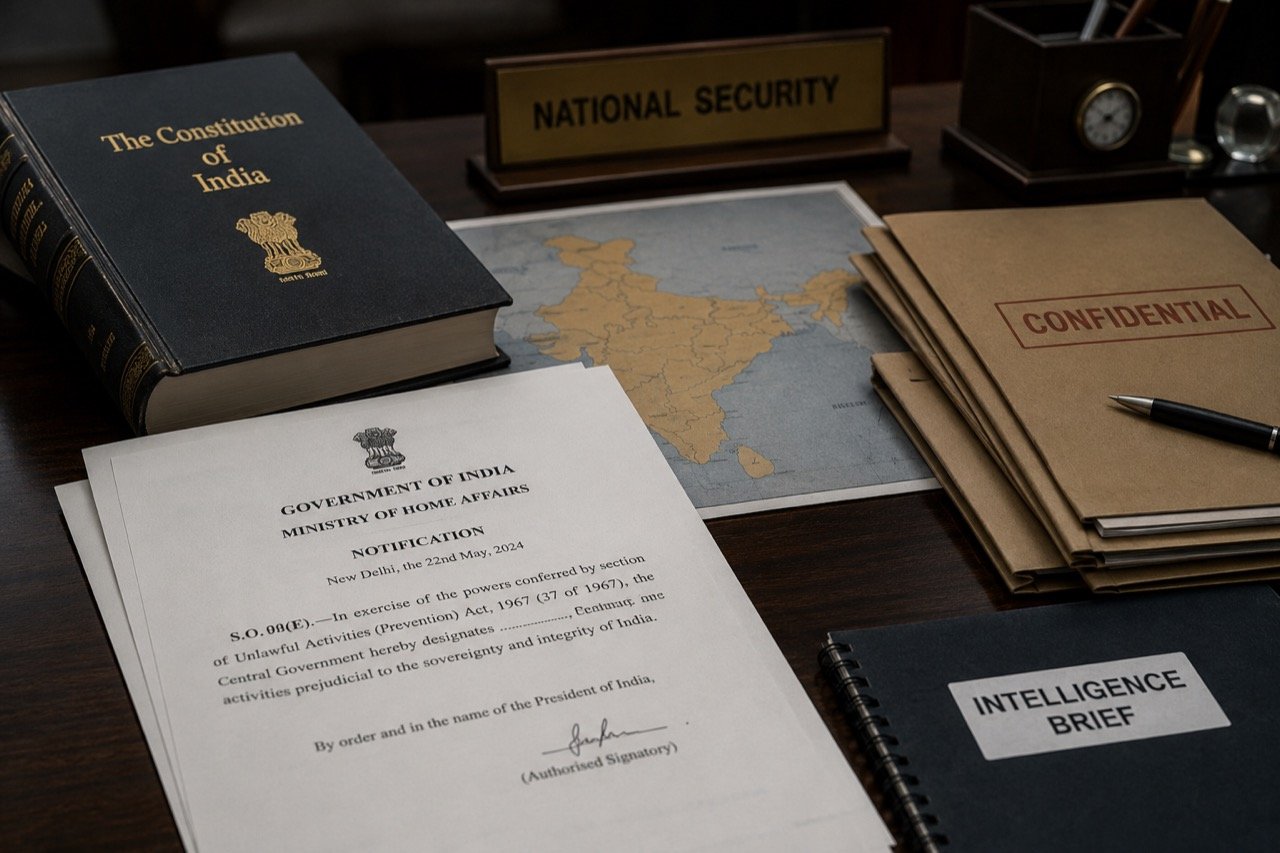
A new set of designations issued under the Unlawful Activities (Prevention) Act has renewed public attention on one of India's most consequential national-security instruments. Reports indicate the Centre has notified 23 entries in its latest list, a move that carries immediate legal and administrative weight.
Why a notification matters
A UAPA designation is not a symbolic gesture. Once an individual or organisation is formally notified, the designation can affect assets, travel, the priority given to investigations and how security agencies coordinate with one another. The notification itself — its legal basis, its wording and its place on the public record — is the core news event.
That is also why precision matters in reporting such announcements. The verifiable facts are the official notification, the statutory framework under which it was issued, and the consequences that flow from designation. Speculation beyond the public record adds noise rather than clarity.
Security law and its checks
UAPA designations invite scrutiny precisely because security law must operate within constitutional and judicial limits. Past designations have been tested through official explanations, legal challenges and enforcement follow-up, and this round may be no different. Transparency about process is what keeps a powerful law accountable.
The NE Times View
The strength of a security designation regime lies as much in its process as in its reach. When the state names individuals or groups under the UAPA, citizens are entitled to clear official reasoning, and those designated are entitled to the legal avenues the Constitution guarantees. India's security architecture is best served when notifications are precise, publicly explained and open to judicial review — because credibility, not just capability, is what makes national-security law effective. Watch for the government's detailed grounds and any court challenges in the weeks ahead.
This article is original commentary and analysis by The NE Times. Background facts were referenced from Hindustan Times, the Ministry of Home Affairs and Indian Express.
You may also like to read
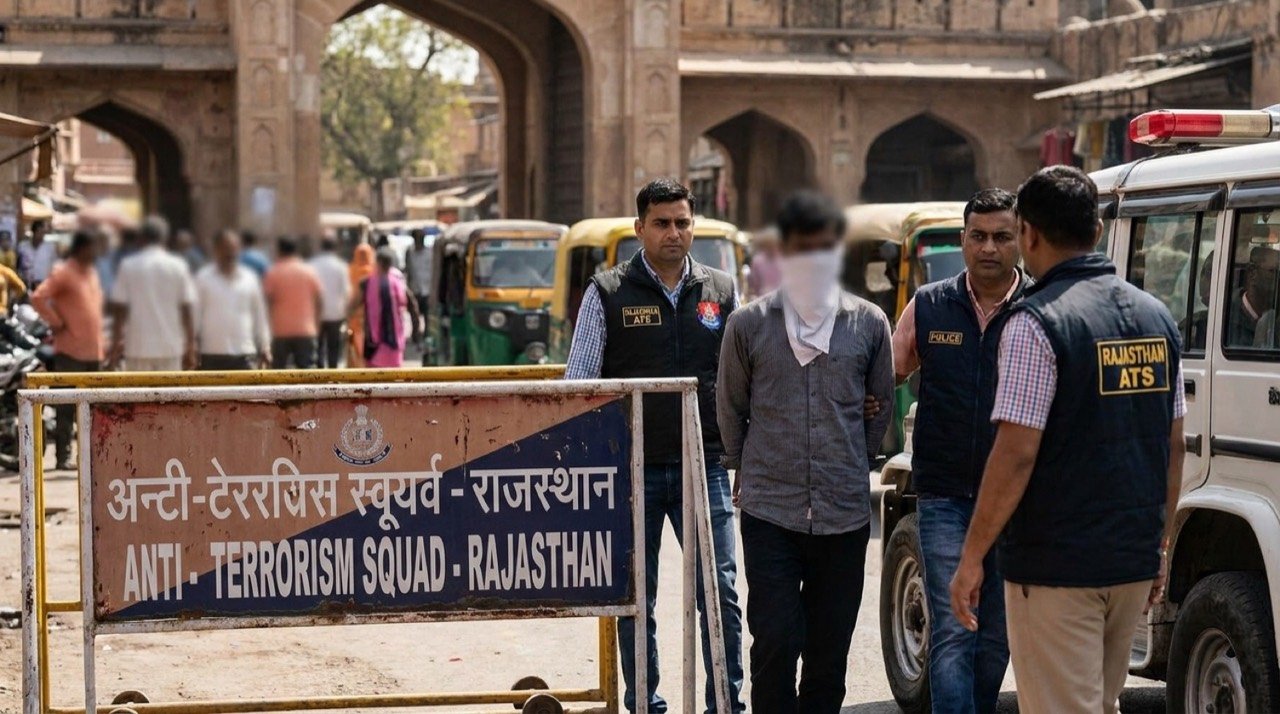
Jaipur Woman Arrested Under UAPA Over Alleged Jaish Links
Rajasthan's ATS has arrested a Jaipur woman under the UAPA over alleged online contact with Jaish-e-Mohammed-linked individuals, putting the spotlight on digital trails in national-security probes.
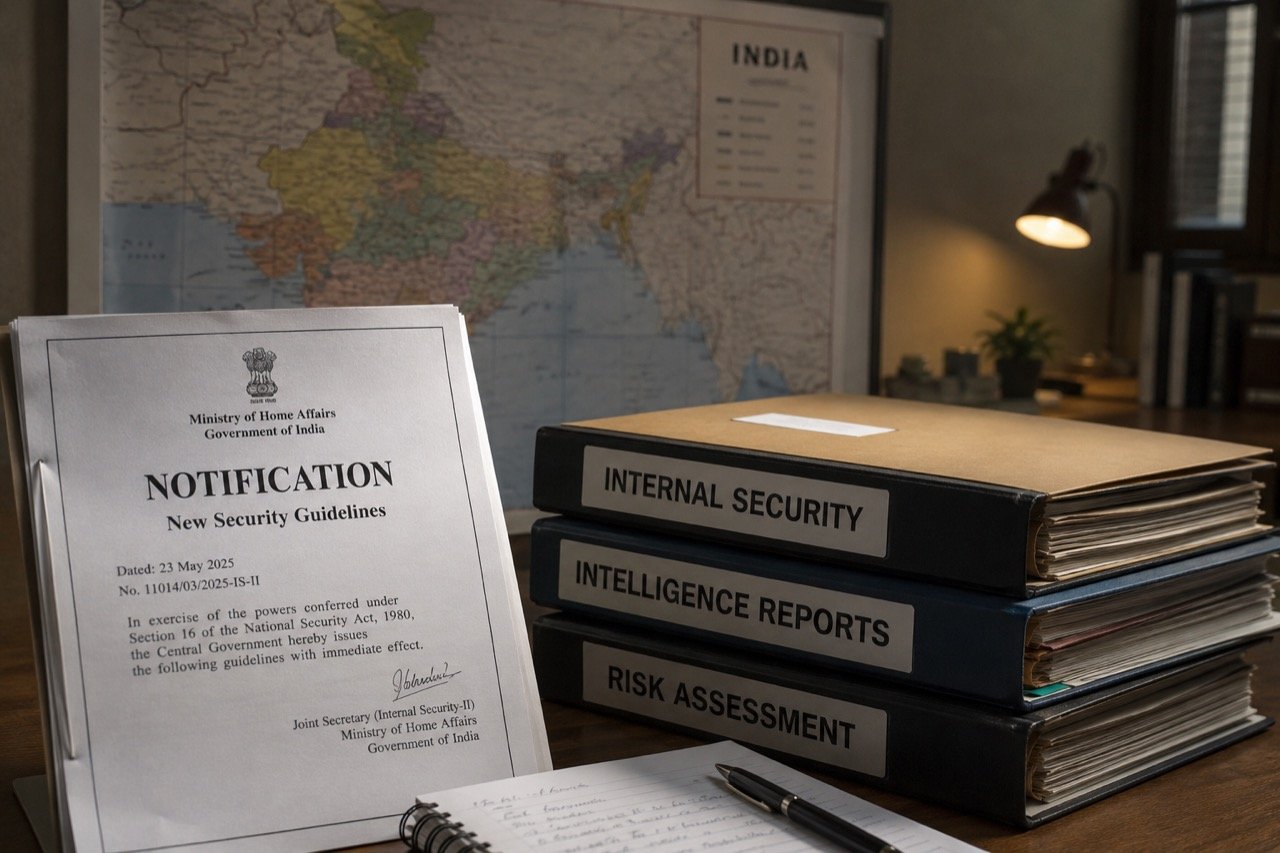
Centre Names 23 More Designated Terrorists, Taking List to 80
The Union government has designated 23 more individuals as terrorists, expanding India's official list to 80 names, with several reportedly linked to attacks and cases connected to Jammu and Kashmir.
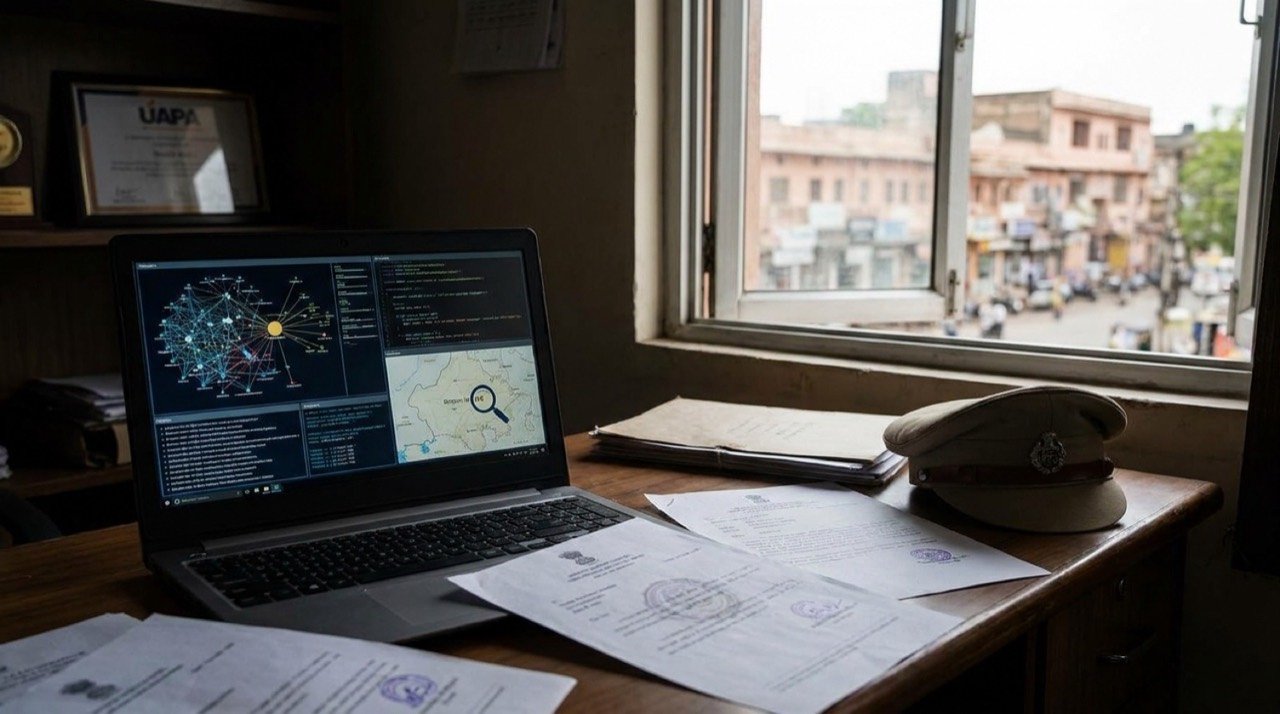
Jaipur UAPA Arrest Puts Online Radicalisation Probe Under the Spotlight
Rajasthan ATS has arrested a Jaipur woman under the UAPA over alleged online anti-national activity and contact with people linked to Jaish-e-Mohammed, with the investigation still at an early stage.

Gen Seth Set to Take Charge as Indian Army Chief: What It Means
General Seth is poised to assume command of the Indian Army at a moment defined by modernisation drives, jointness reforms, active border sensitivities and a push for faster technology induction.
More from this section
More
AICTE Industry Fellowship 2026: Rs 1.5 Lakh Scheme Closes July 5
The AICTE Industry Fellowship Programme 2026, which places technical-education faculty inside leading companies on a Rs 1.5 lakh monthly stipend, reached its application deadline on July 5.
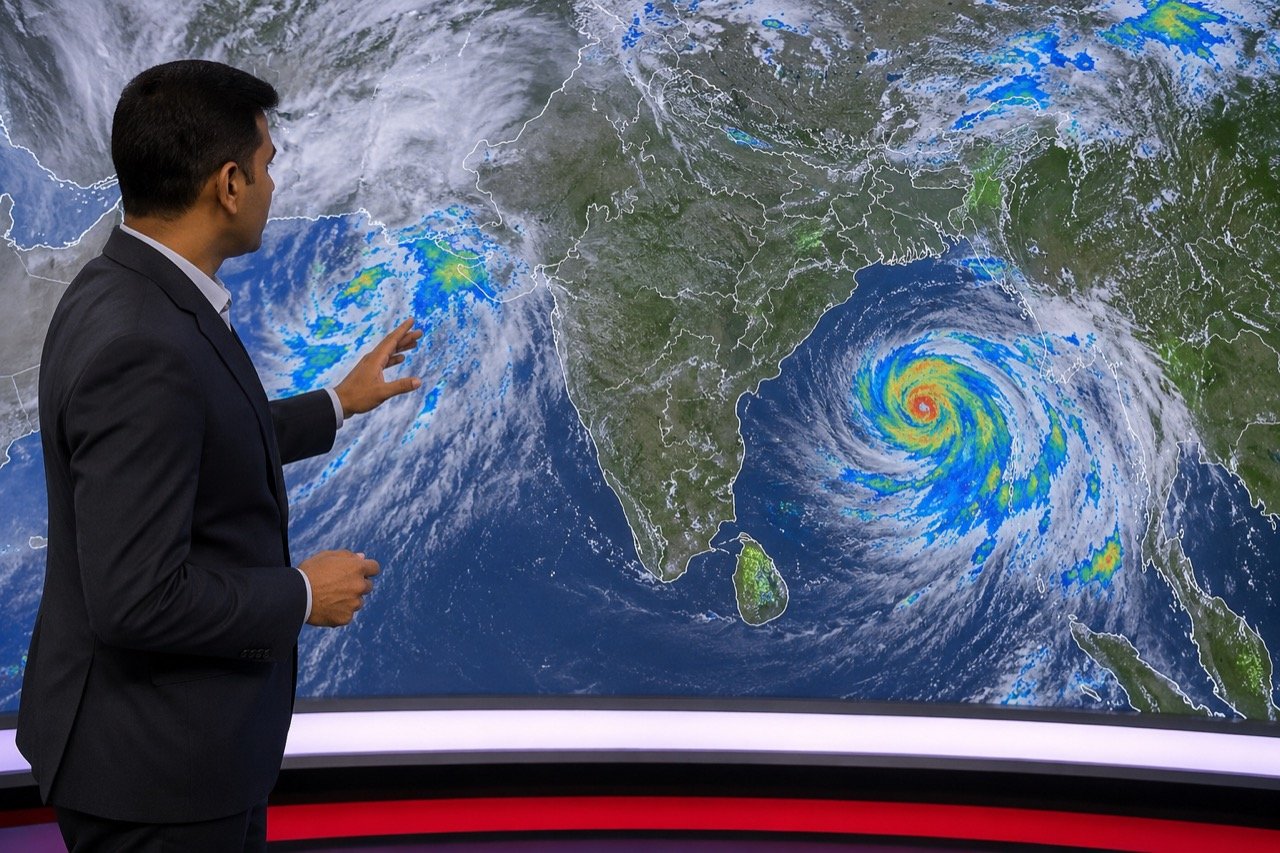
Bay of Bengal Low Pressure System Revives Monsoon Over Western India
A low-pressure system over the Bay of Bengal has pushed the monsoon back into an active phase, bringing steady heavy rain to Kerala, coastal Karnataka and Maharashtra, and putting Mumbai and Pune on preparedness watch.
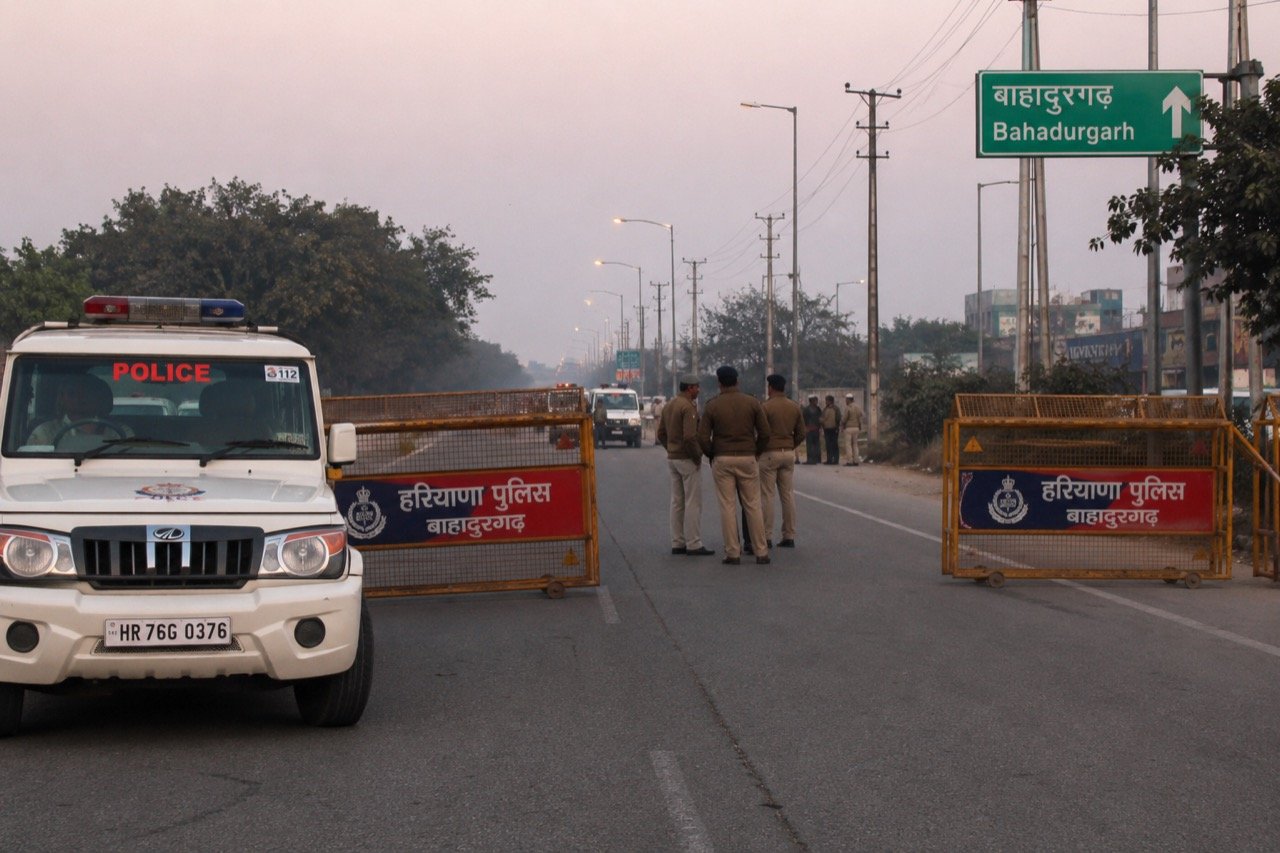
Bishnoi Gang Suspects Injured in Haryana Encounter as Police Tighten Net
A joint Haryana-Delhi Police operation in Bahadurgarh left two suspected Lawrence Bishnoi gang members injured, spotlighting the multi-state coordination now central to India's fight against organised crime networks.