Monsoon Marches North: IMD Flags Heavy Rain for Gujarat to Punjab
The southwest monsoon is set to push into Gujarat, Punjab, Haryana and Rajasthan, with the IMD warning of extremely heavy rainfall over Konkan and Gujarat between July 4 and 7.
The NE Times National Desk
Commentary & Analysis ·
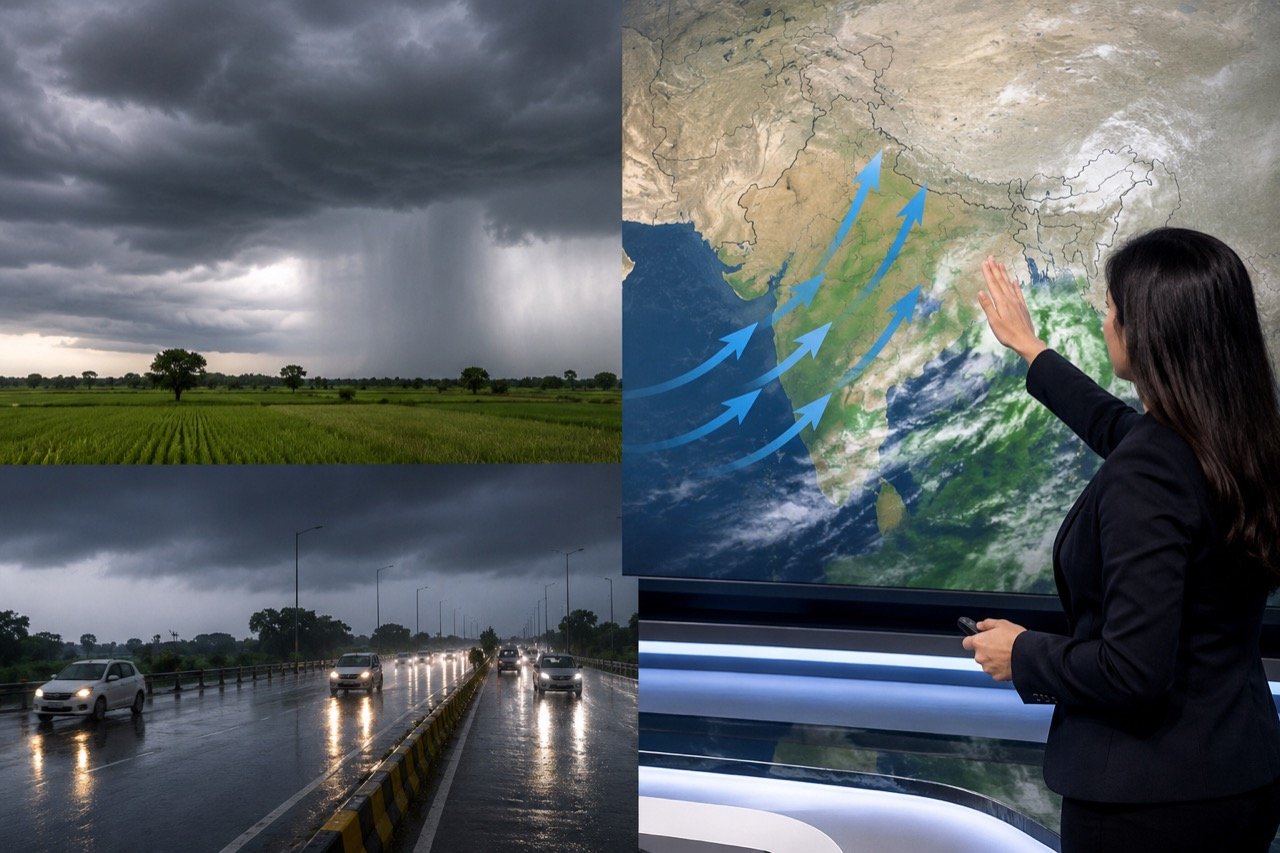
The southwest monsoon's push north and west has become the country's biggest weather story, with the India Meteorological Department forecasting further advance into parts of Gujarat, Punjab, Haryana and Rajasthan over the coming days. NDTV reported that extremely heavy rainfall is likely over the Konkan and Gujarat region from July 4 to 7, with additional warnings issued for Madhya Maharashtra, Saurashtra, Odisha and West Madhya Pradesh.
Why the monsoon's advance matters
The monsoon is India's most consequential seasonal system, shaping everything from agriculture and reservoir levels to urban flooding risk, power demand and food prices. Its continued advance is welcome news for regions still waiting for sowing rains — but the same system's heavy spells can trigger landslides, waterlogging and widespread transport disruption.
One monsoon, many outcomes
The key to reading this forecast is regional variation. Monsoon progress does not mean uniform rainfall: some districts will receive beneficial, well-spaced showers while others face extreme downpours compressed into short windows. That difference determines whether the rain fills reservoirs or floods streets.
The forecast carries practical stakes for distinct groups. Farmers are watching for sowing decisions, city administrations for drainage and emergency planning, and travellers for road and rail disruption that can ripple across state lines during heavy spells.
The NE Times View
India's monsoon coverage too often oscillates between celebration and catastrophe, when the real story is preparedness that moves with the rain belt. The IMD's warnings give administrations in Gujarat, Maharashtra and the northern plains a genuine head start — the question is whether drains are cleared, disaster teams pre-positioned and advisories communicated in time. Climate volatility is making heavy-rain events sharper and less predictable, so treating each IMD warning as an operational trigger, not just a weather brief, is the discipline the season now demands.
This article is original commentary and analysis by The NE Times. Background facts were referenced from NDTV.
You may also like to read
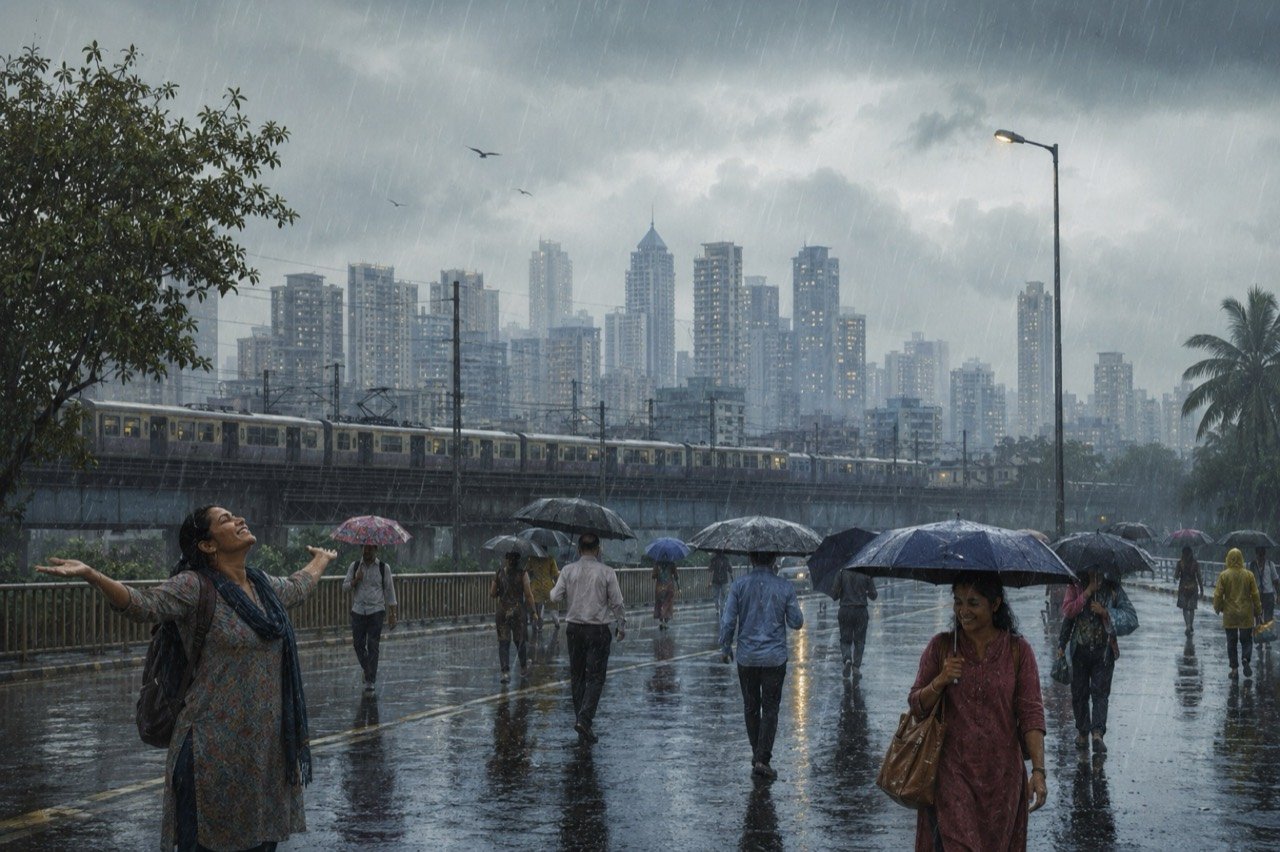
Mumbai Rain Brings Relief as Official Monsoon Onset Is Still Awaited
Heavy showers swept Mumbai on 22 June 2026, easing weeks of humid heat and lifting hopes of monsoon advance, even as forecasters held off on a formal onset declaration.
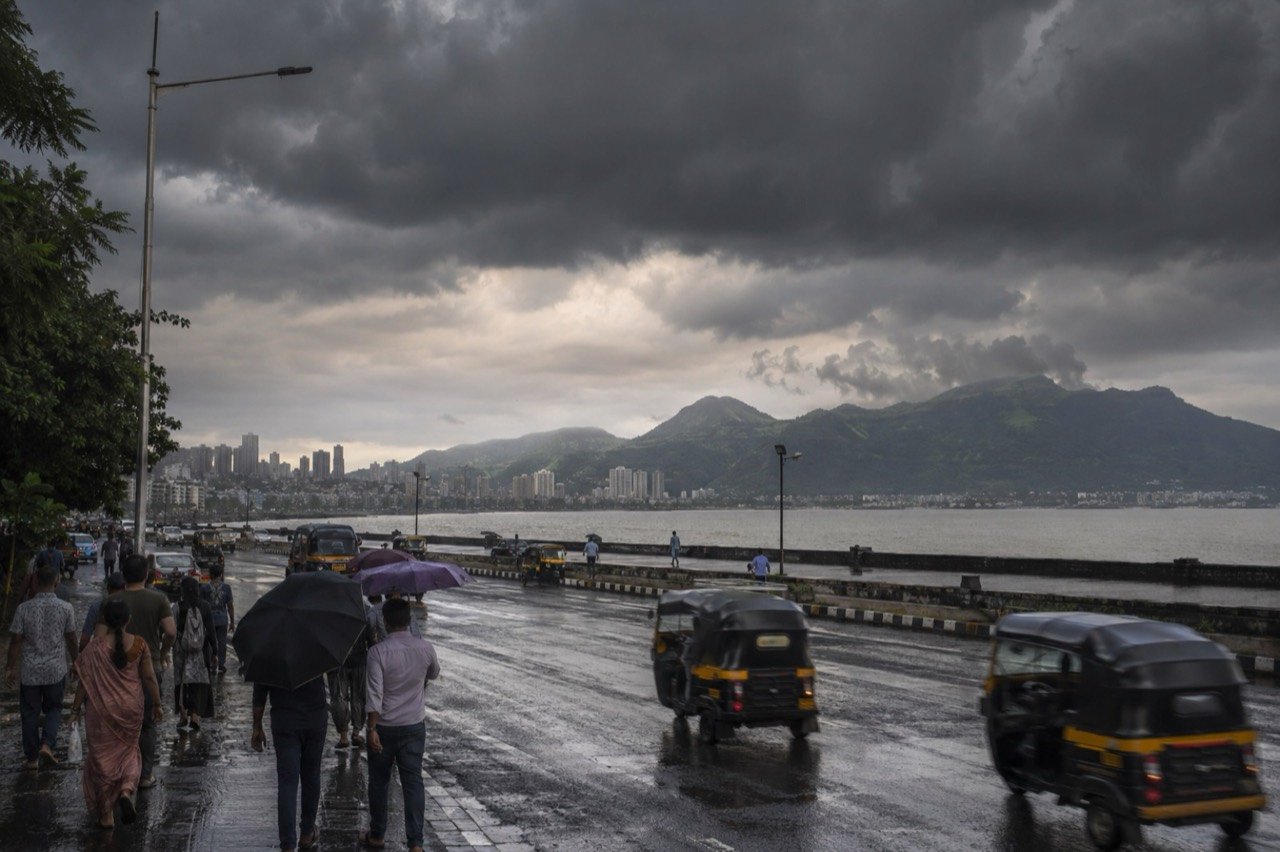
Monsoon Revival Forecast Triggers Rain Alerts Across India as Heat Lingers
India's southwest monsoon is set to regain strength this week, bringing very heavy rain to the Northeast and Maharashtra even as central districts stay under heatwave warnings.
PM Modi Launches Over Rs 22,600 Crore Of Projects In Gujarat And Daman
On a single-day visit, the Prime Minister inaugurated and laid foundation stones for projects spanning highways, power transmission, ports and healthcare worth more than Rs 22,600 crore.
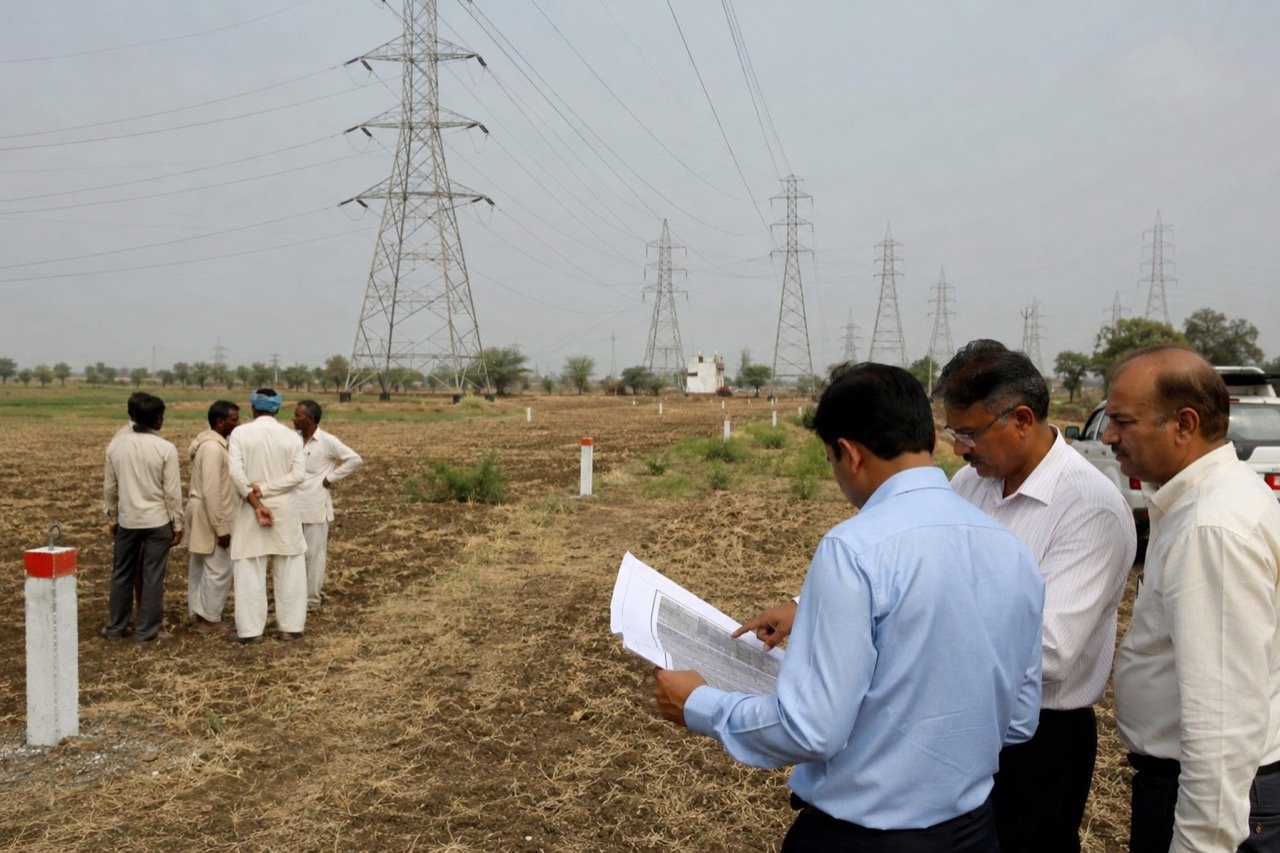
Gujarat Reworks Land Compensation Rules for Power Transmission
Gujarat has revised its land compensation policy for power transmission projects, a move that could ease landowner disputes and speed the grid expansion India's energy transition depends on.
More from this section
More
Ahmedabad Bullet Train Station Gets Kite-Inspired Multimodal Hub Plan
Ahmedabad's bullet train station is set to be developed as a multimodal transport hub with a kite-inspired design, giving India's high-speed rail project a distinctive urban landmark rooted in local identity.

Arrest in Bengaluru Daycare Case Deepens Child Safety Questions
Bengaluru police have arrested a woman connected to the daycare case at a Capgemini campus facility, sharpening scrutiny of caregiver vetting, oversight and accountability at workplace-linked childcare centres.

Assam Case Shows PAN and Voter Cards Are Not Citizenship Proof
A man declared a foreigner in Assam despite holding multiple identity documents has highlighted a crucial legal distinction: everyday IDs establish identity, not citizenship, when a person's legal status is challenged.