Shilpa Shinde's Fake MMS Account Highlights the Lasting Damage of Digital Sexual Harassment
Shilpa Shinde's account of a fake MMS being circulated after her exit from Bhabiji Ghar Par Hain has returned to public attention through her appearance on a reality programme.
Commentary & Analysis ·
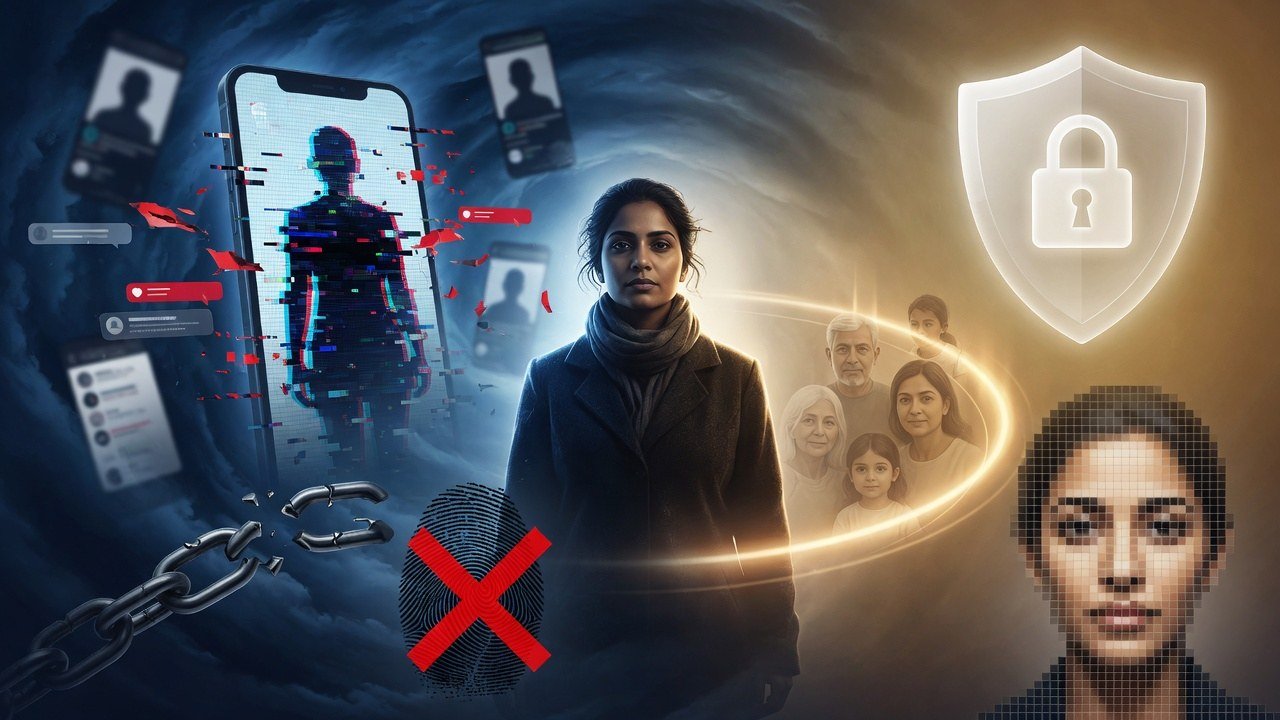
Key facts
- Shilpa Shinde said she faced harassment and a fake MMS scare after leaving Bhabiji Ghar Par Hain in 2016.
- She described receiving a clip falsely linked to her and said the episode affected her family, reputation and career.
- The allegations are based on her account; reports should not identify or accuse others without verified evidence.
An old controversy returns with a current warning
Shilpa Shinde's account of a fake MMS being circulated after her exit from Bhabiji Ghar Par Hain has returned to public attention through her appearance on a reality programme. She described the period as humiliating and frightening, saying a video was falsely linked to her and that rumours reached people around her family. The story concerns events from roughly a decade ago, but its relevance has increased because manipulated sexual content is now easier to create and distribute. Coverage should therefore treat the account as more than television gossip. False intimate imagery is a form of abuse that can damage employment, relationships and mental health even when the material is quickly disproved.
Why false sexual content spreads so effectively
A fake intimate clip exploits a predictable information imbalance. The accusation can travel instantly, while verification is slower and less exciting to audiences. Many people share a sensational link before checking whether the person shown is identifiable or whether the source is credible. Search engines and social platforms can then preserve the association between a victim's name and the false claim. The harm does not disappear when a denial is published. Shinde's description of fear reflects that asymmetry. The burden falls on the targeted person to approach police, platforms, employers and the public, while anonymous distributors may face little immediate cost. That is why prevention and rapid removal mechanisms are essential.
The entertainment industry's power imbalance
Shinde linked the alleged harassment to the difficult period after her departure from a successful television show. Employment disputes in entertainment can expose performers to coordinated leaks, rumours and informal blacklisting because contracts, publicity and professional relationships are concentrated among a relatively small group. That does not establish who created or circulated any clip, and responsible reporting must not speculate. It does show why performers need independent grievance processes. A worker should be able to challenge contractual treatment without facing attacks on character or sexuality. Production houses, broadcasters and talent associations can help by adopting anti-retaliation policies and providing access to legal and digital-security support.
Fake MMS, deepfakes and the changing technology
The phrase fake MMS comes from an earlier mobile-media era, but the underlying abuse has evolved. Generative tools can now place a person's face into sexual imagery with limited technical skill. The result may be visibly false to experts yet persuasive enough to trigger harassment. Women in public life are disproportionately targeted, though anyone can be affected. The law, platforms and newsrooms must respond to the harm rather than treating manipulated content as harmless parody. Detection tools are useful, but removal speed, account tracing and survivor assistance matter just as much. Public education should make a simple point: possessing a familiar face does not make a video authentic, and forwarding it can compound abuse.
The family impact is often ignored
Shinde said the rumours reached her family and described the emotional shock surrounding the episode. Reputational attacks are designed to extend beyond the individual. Relatives may face questions from neighbours, employers or strangers. Victims can feel pressure to explain intimate falsehoods repeatedly, which creates a second layer of harm. Media coverage should avoid reproducing thumbnails, descriptions or search terms that make the content easier to find. It should also avoid framing family embarrassment as evidence that sexuality itself is shameful. The wrongdoing is the fabrication and non-consensual circulation, not the supposed behaviour attributed to the target. That distinction is central to respectful reporting.
What platforms and police need to improve
Victims require a clear, rapid path to preserve evidence and request removal. Platforms should offer dedicated reporting categories for impersonation, non-consensual intimate imagery and synthetic sexual content. Repeat upload detection can prevent the same file from reappearing after removal. Police cyber units need trained staff who understand both technical tracing and trauma-informed communication. A complainant should not be forced to display the content repeatedly to multiple officials. Cross-platform cooperation is also necessary because a clip may move from private groups to public sites in minutes. Shinde reportedly spent significant time seeking cyber assistance, illustrating how exhausting the process can become for the person already under attack.
How entertainment media should cover the claim
Reports should attribute the account to Shinde, state that the clip was allegedly fake and avoid presenting unverified details as fact. Headlines that repeat the most salacious phrase without context may generate clicks while reinforcing the false association. Whether naming the programme, dispute or platform adds public value is a fair test. They should not link to copies of the material. Comment sections need moderation because victim-blaming and requests for the video can quickly become another form of harassment. The goal is to explain the allegation and its significance, not to recreate the original abuse through irresponsible coverage.
A story about control over identity
At the centre of Shinde's account is a struggle over who controls a public woman's image. A false video attempts to replace a person's real identity with a humiliating story that others can consume and share. The damage can persist for years, which is why her disclosure remains newsworthy even though the alleged episode is not recent. The entertainment industry can respond by supporting performers, while audiences can refuse to search for or forward exploitative material. Laws and technology will continue to evolve, but social behaviour is equally important. Every click that rewards fabricated sexual content strengthens the market for the next attack. The most responsible response is to believe the harm, verify the facts and deny the false material further circulation.
Sources
- The Indian Express - Shilpa Shinde claims fake MMS circulated after show exit (16 July 2026)
- NDTV - Shilpa Shinde discusses cyber-cell complaint and impact (16 July 2026)
- Hindustan Times - Shilpa Shinde recalls harassment period (16 July 2026)
This article is original news analysis and commentary by The NE Times, based on reporting from the sources listed above.
You may also like to read
Mukesh Khanna and Samay Raina Promo Sparks Digital Comedy Debate
Promo chatter around Mukesh Khanna appearing with Samay Raina for India's Got Latent 2 has renewed debate over how legacy television stars and creator-led comedy share the same digital stage.

Celina Jaitly Divorce Notice Account Raises Celebrity Privacy Questions
Celina Jaitly's reported account of her twins encountering a divorce notice has put a sensitive spotlight on how celebrity legal disputes become public stories and what that exposure means for the families involved.
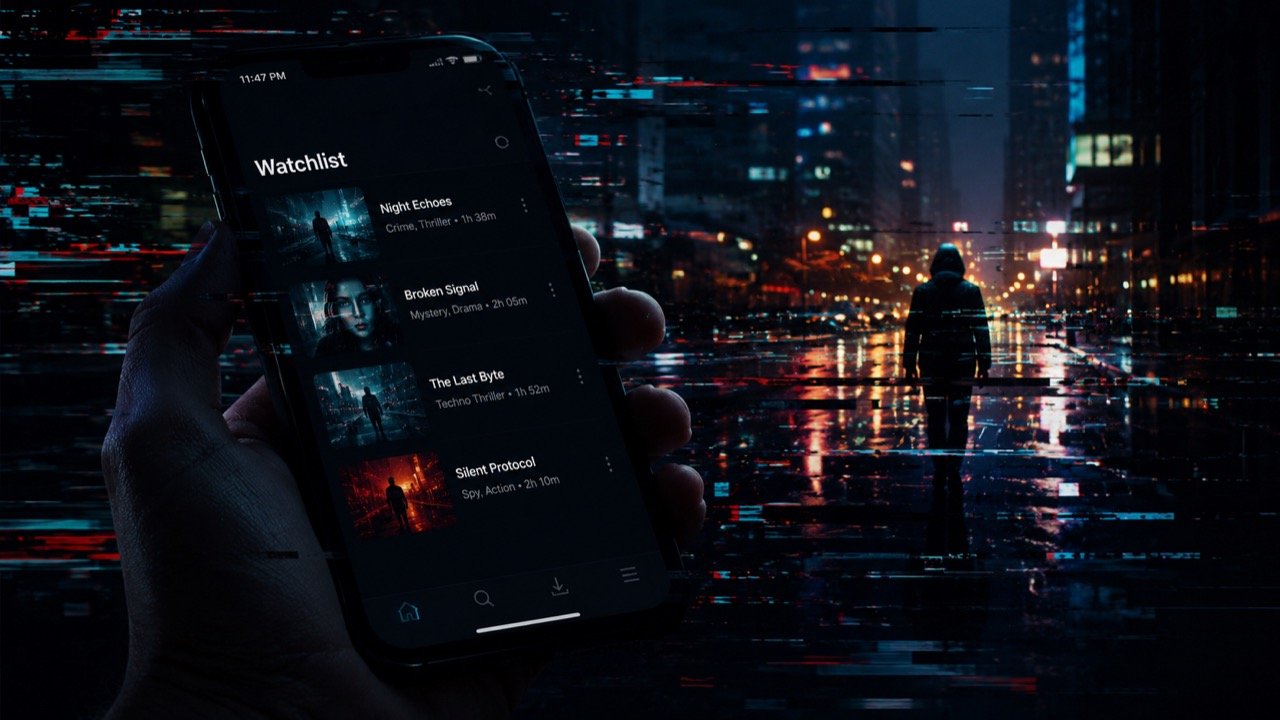
Digital Death: Telugu Cyber-Thriller Short Film Streams on ETV Win
Digital Death, a compact Telugu cyber-thriller short film, has landed on ETV Win in this weekend's OTT listings, offering viewers a quick genre watch amid the bigger films and series dominating streaming slates.
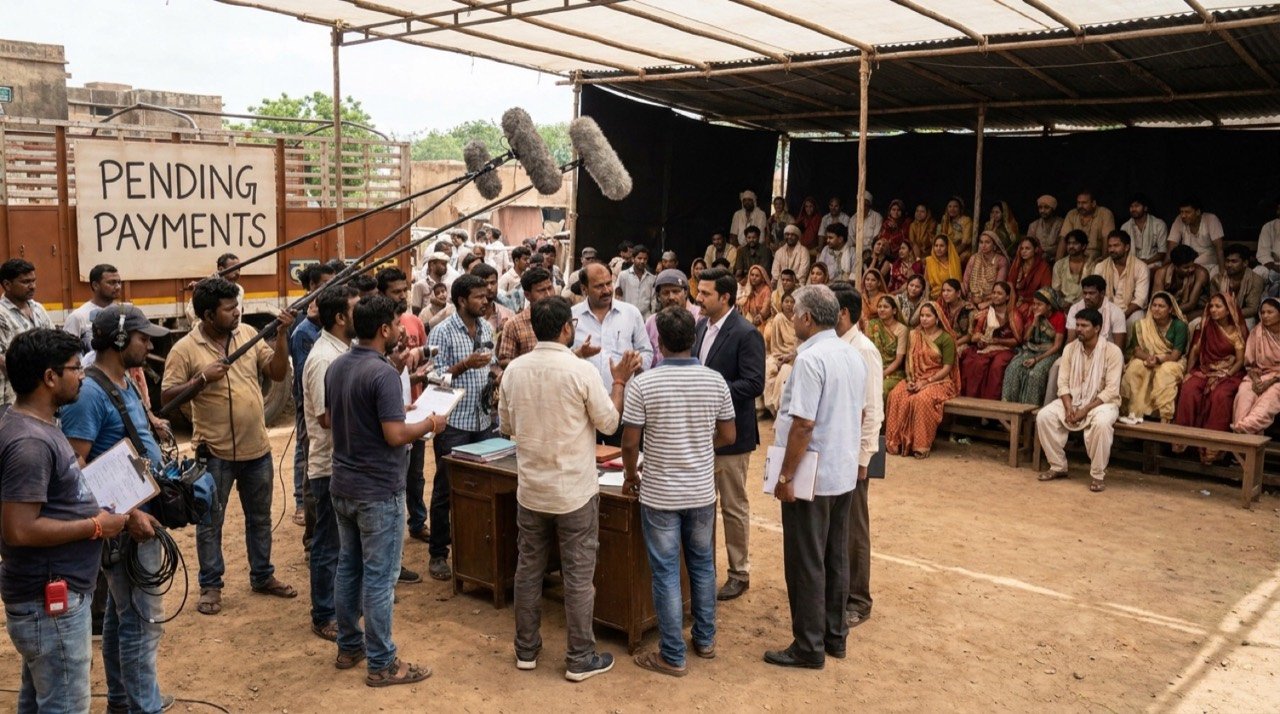
Bollywood's Pay Hierarchy: New Account Renews Focus on Delayed Wages for Crew and Junior Artistes
A fresh interview about Bollywood's on-set hierarchy has reignited debate over unequal facilities, separate food categories and payment cycles that can stretch to months for smaller workers.
More from this section
More
Jana Nayagan Reworked After CBFC Battle as Producer Confirms New Songs and a 'Chief Minister' Title Card for Vijay
The latest Jana Nayagan update is more than a routine promotional announcement. Producer K.
Toxic 'Tabaahi' Backlash Sparks Debate Over Gender Double Standards Around Kiara Advani and Yash
The argument around Tabaahi is no longer limited to whether viewers liked a song.
Vicky Kaushal's Katrina Kaif Birthday Post Goes Viral as the Couple Shares a Rare Family Moment
The image shared by Vicky Kaushal contained none of the usual ingredients of a film campaign: no teaser, release date, brand partnership or red-carpet styling. Its power came from scarcity.