RBI Fines Bank of Baroda and GIC in Fresh Compliance Crackdown
The Reserve Bank of India has imposed monetary penalties on Bank of Baroda and General Insurance Corporation, underlining that even the largest financial institutions remain under close supervisory watch.
The NE Times Business Desk
Commentary & Analysis ·

The Reserve Bank of India has imposed monetary penalties on Bank of Baroda and the General Insurance Corporation of India, according to reporting by NDTV Profit. The action puts two of the country's largest state-backed financial institutions on notice and signals that the regulator's compliance drive is far from slowing down.
What a penalty does and does not mean
Regulatory fines of this kind do not automatically point to customer losses or solvency risk. They typically stem from specific lapses in following rules, reporting requirements, operational standards or regulatory directions. The significance lies elsewhere: they are a reminder that size and public ownership do not dilute supervisory expectations.
Reputation often costs more than the fine
For listed financial firms, the monetary amount is frequently the smaller part of the story. Investors, analysts and customers fold compliance news into their broader assessment of institutional risk, and a pattern of penalties can weigh on valuations and trust well beyond the sum paid to the regulator.
The enforcement also lands at a moment when digital banking, insurance penetration and financial inclusion are all expanding rapidly in India. As more households enter the formal financial system, credible supervision becomes the bedrock on which that expansion rests.
The NE Times View
The RBI's message here is one of regulatory signalling: rules are not advisory, and enforcement will be public. That is healthy for the system, but Indian savers should read these penalties as a prompt rather than a panic button — the institutions remain sound, and the real question is whether their internal compliance machinery improves. The better outcome for India's financial sector is boards treating supervision as a design constraint, building systems that prevent violations before they ever become enforcement orders. Consistent, transparent penalties, applied without fear of an institution's size, are what keep confidence in the system intact as millions of new customers come aboard.
This article is original commentary and analysis by The NE Times. Background facts were referenced from NDTV Profit.
You may also like to read
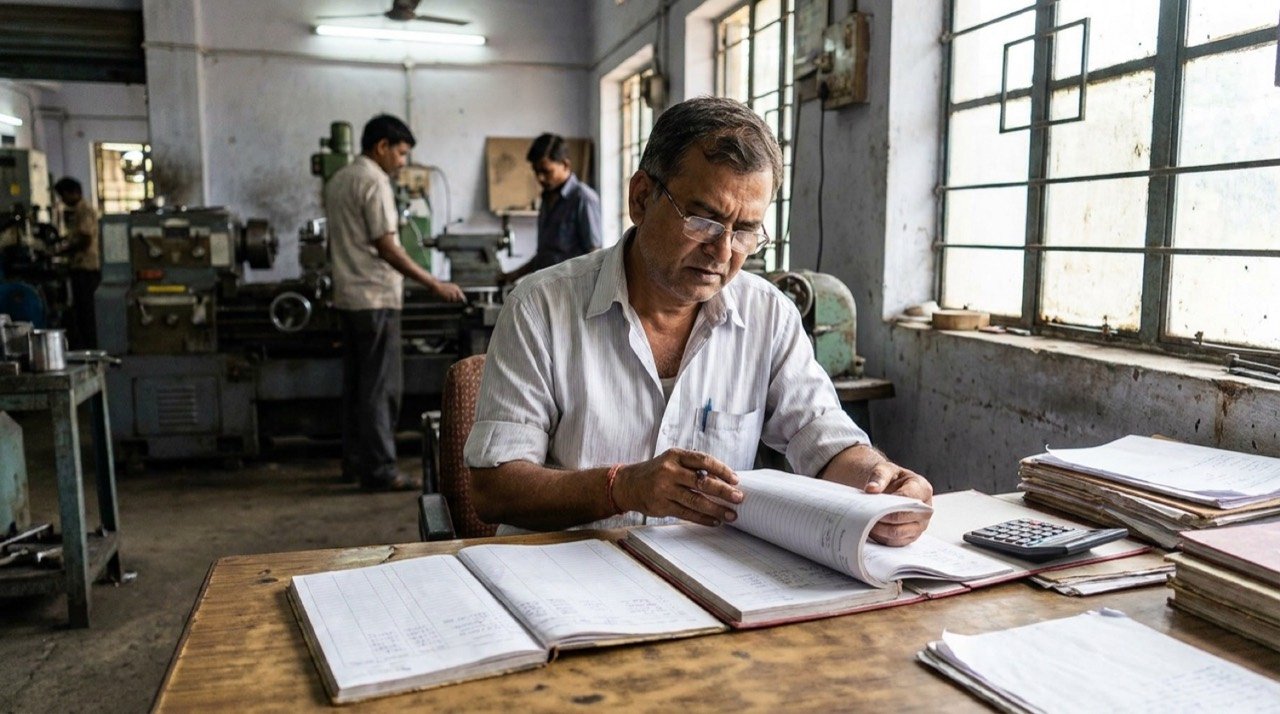
RBI Urges Banks to Treat MSMEs as Partners, Not a Compliance Burden
RBI Governor Sanjay Malhotra has told banks to view micro, small and medium enterprises as long-term business partners, linking their health to jobs, exports, GDP and credit growth.

India's Gold Loan Defaults Ease Even as Sanctions Double
India's gold-loan market is expanding fast, with loan sanctions reportedly doubling even as default ratios shrink, pointing to stronger repayment behaviour and rising demand for secured credit.

India's Forex Reserves Slip to 15-Month Low: Why the Buffer Matters
India's foreign exchange reserves have dropped to their lowest level in 15 months, narrowing the external buffer the RBI relies on to steady the rupee and reassure markets.
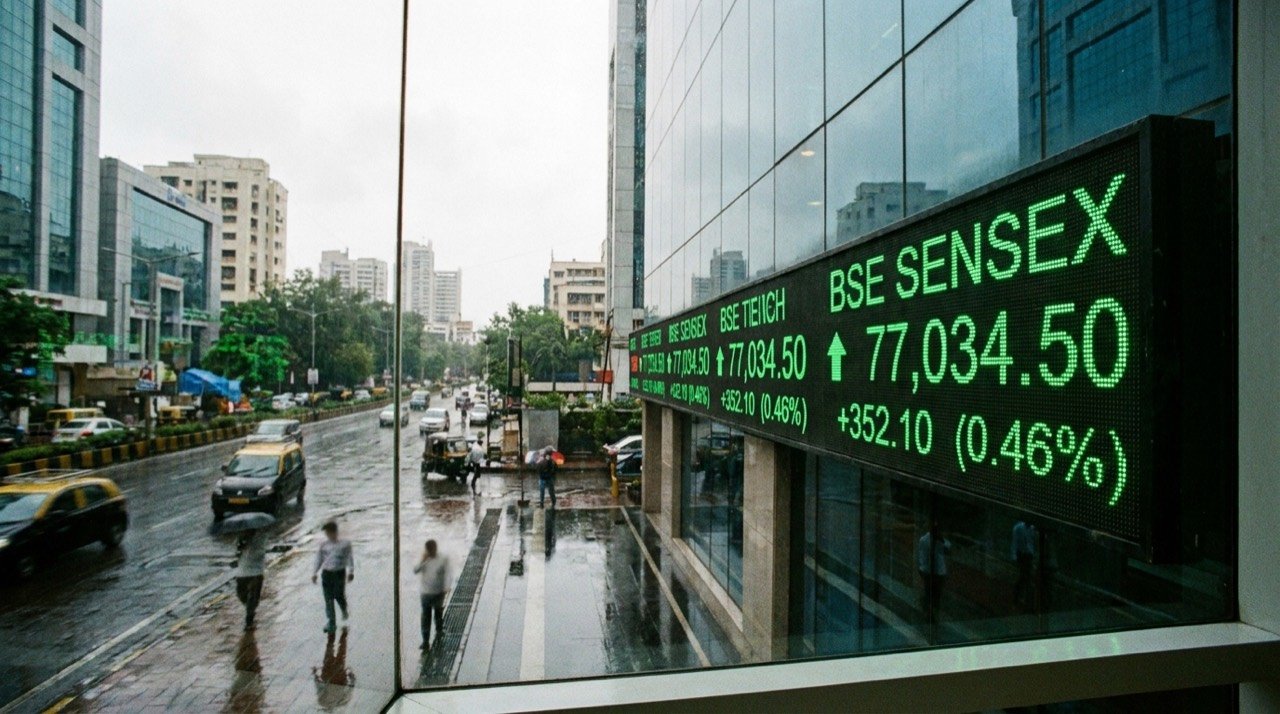
Sensex Holds Above 77,000 As Crude Pullback And RBI Liquidity Push Lift Indian Markets
Indian benchmarks extended gains around 24 June 2026 as easing crude prices, calmer West Asia tensions and fresh RBI liquidity support kept financial and auto stocks firmly in demand.
More from this section
More
Assam Estate Sells India's First Home-Grown Matcha Batch
An Assam tea estate has sold the first batch of India-made matcha, a small-volume but symbolically significant step as the country's tea industry hunts for premium products and new consumers.

Board of Trade Meets as Exporters Press on FTAs and GST Refunds
Commerce Minister Piyush Goyal chaired a Board of Trade meeting where exporters pushed for faster GST refunds, lower logistics costs and workable free trade agreements amid global demand uncertainty.
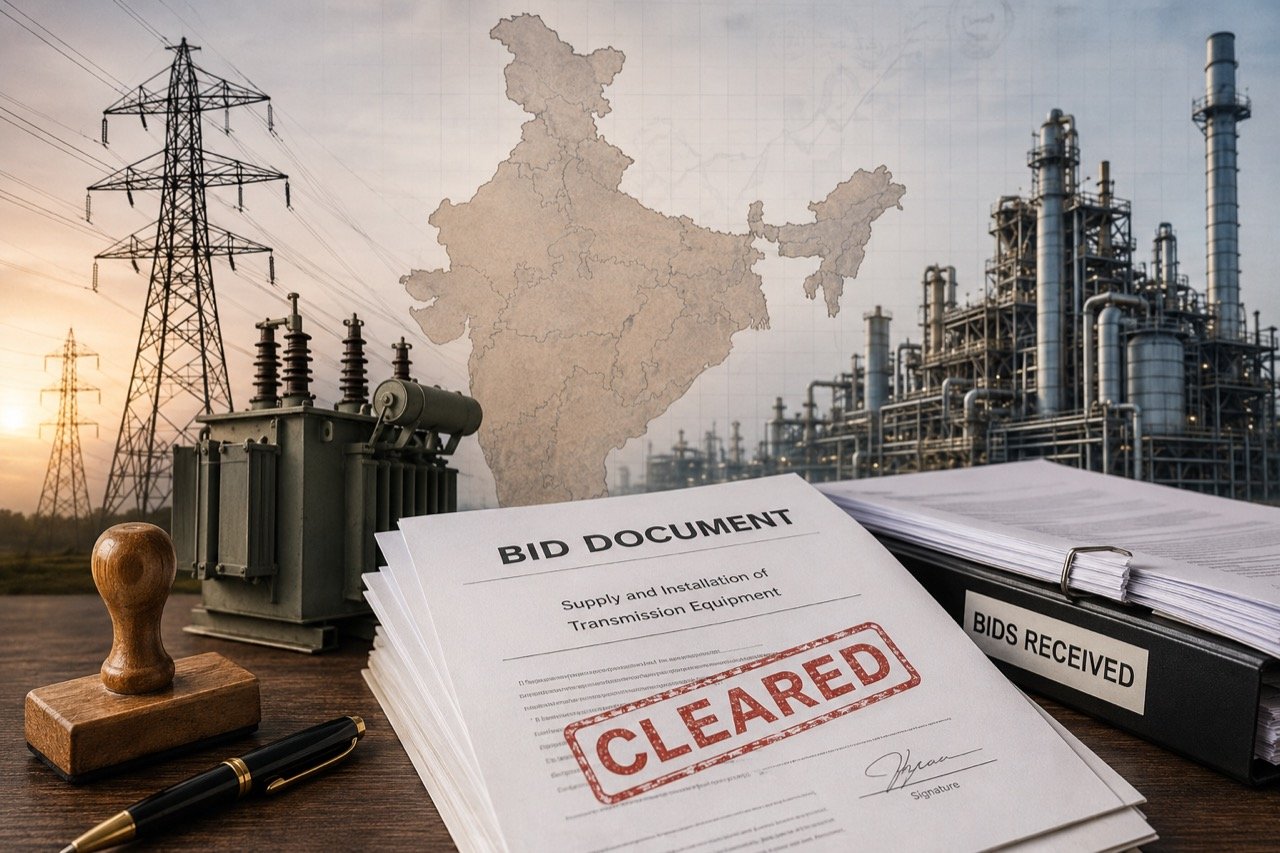
Four Chinese Firms With Indian Plants Cleared To Bid For Power Work
Four Chinese companies operating factories in India have reportedly been cleared to bid for power projects, a calibrated move that balances security screening against the country's manufacturing and infrastructure needs.