Ramayana To Become First Indian Film Released In ScreenX Worldwide
Namit Malhotra's Ramayana will be the first Indian film released worldwide in ScreenX, adding a 270-degree premium format to an already record-setting global rollout.
Commentary & Analysis ·
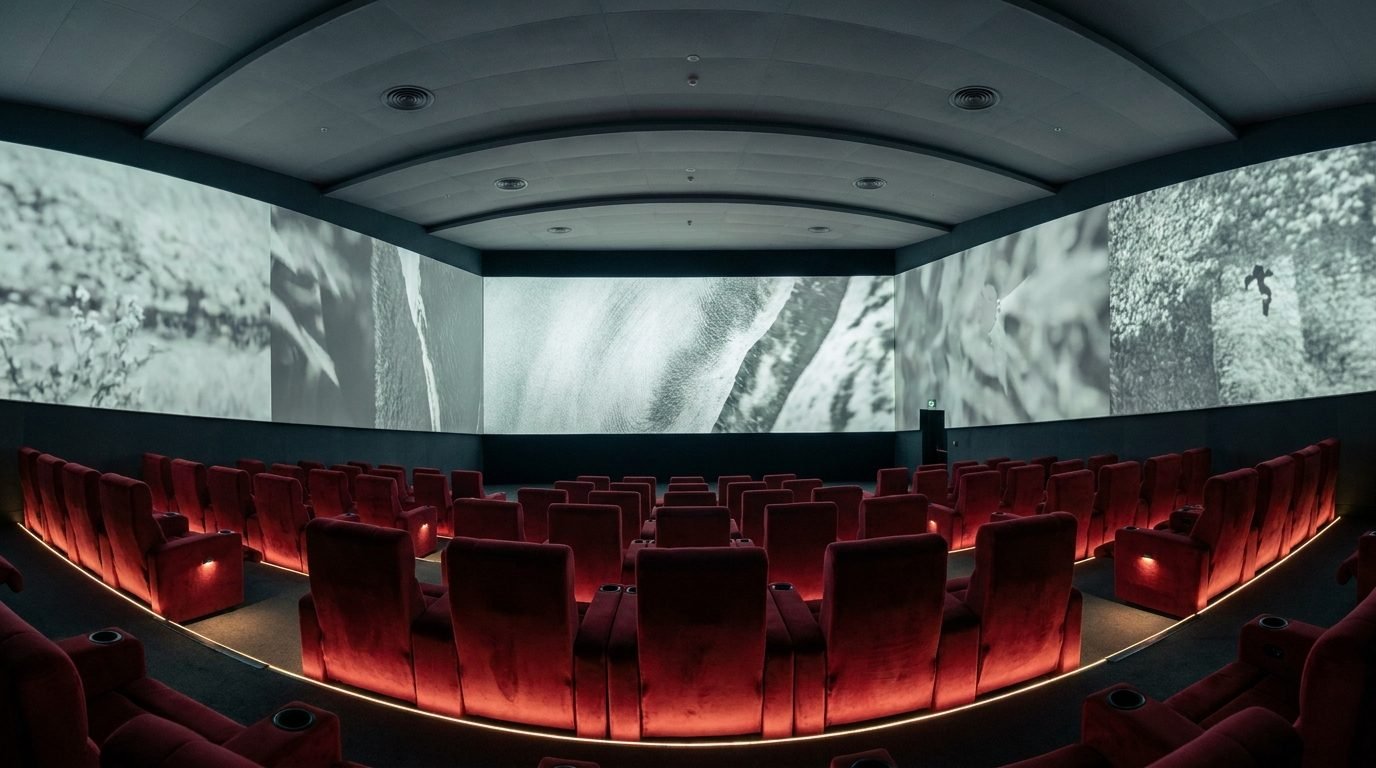
Namit Malhotra's Ramayana keeps finding new superlatives. The Nitesh Tiwari-directed epic, already tracking towards the widest worldwide release an Indian film has attempted, will now become the first Indian film released globally in ScreenX, the 270-degree panoramic format run by South Korea's CJ 4DPLEX.
- Ramayana: Part 1 is set to become the first Indian film to release worldwide in ScreenX, the 270-degree panoramic format operated by CJ 4DPLEX, per Bollywood Hungama and TeluguOne.
- Producer Namit Malhotra said on record that the collaboration with CJ 4DPLEX also covers 4DX versions of the film.
- The film is directed by Nitesh Tiwari and stars Ranbir Kapoor and Yash, with music by Hans Zimmer and A.R. Rahman.
- The Times of India reports the film is targeting the biggest worldwide release for an Indian film, citing more than 50,000 screens, with the Indian Express citing a target above 59,000.
- Ramayana: Part 1 is scheduled to open around Diwali 2026, with Sony handling the international release per Variety's earlier reporting.
The format news, first reported by Bollywood Hungama and confirmed in an interview with Malhotra himself, extends a rollout strategy that has treated every technical frontier as a marketing milestone. The producer said the CJ 4DPLEX partnership lets the team present the film in formats that match its scope and vision, covering 4DX motion-seat versions alongside ScreenX.
What ScreenX actually adds
ScreenX projects onto the side walls of the auditorium as well as the main screen, wrapping select sequences around the audience in a 270-degree field of view. For a mythological epic built on scale, the pitch writes itself: battle sequences and divine landscapes that spill past the edges of a conventional frame.
Hollywood tentpoles have used the format selectively for years, but no Indian production has committed to a worldwide ScreenX release before. That first-mover position gives Ramayana a premium-format story to tell in every international market it enters, on top of its IMAX and standard rollouts.
A rollout built to beat records
The format announcement lands on top of already extraordinary distribution numbers. The Times of India reports the film has locked more than 50,000 screens worldwide, which it describes as the biggest release footprint for any Indian film, while the Indian Express puts the target above 59,000 screens, ahead of comparisons with Avatar 2 and RRR.
Sony is handling the international release, per Variety's July reporting, giving the film studio-grade distribution muscle outside India. With Ranbir Kapoor as Rama, Yash as Ravana and a score credited to Hans Zimmer and A.R. Rahman, the Diwali 2026 opening is being engineered as a global event rather than a diaspora release.
Why formats are the new front line
Premium formats have become the sharpest lever in theatrical economics: they command higher ticket prices, resist piracy-driven erosion, and give audiences a reason to choose a cinema over a sofa. Indian studios have watched IMAX shares of domestic grosses climb steadily, and Ramayana is the logical endpoint of that trend, a production designed from the ground up for premium screens.
If the ScreenX experiment converts, it will not stay unique for long. Every Indian tentpole scheduled behind Ramayana will be measured against its format footprint, and the 270-degree wall is likely to become a standard line item in the next wave of epics.
This article is original commentary and analysis by The NE Times. Background facts were referenced from Bollywood Hungama, TeluguOne, The Times of India, The Indian Express, Variety.
You may also like to read
Awarapan 2 Crosses Rs 100 Crore, Emraan Hashmi's First Solo Century
Awarapan 2 has crossed Rs 100 crore in India within a week, handing Emraan Hashmi the first solo Rs 100 crore film of his career and a clear win over Batwara 1947.

A.R. Rahman Fronts Tamil Idol As Sony Vizha Opens Statewide Auditions
Sony Vizha has launched Tamil Idol with A.R. Rahman, bringing the global Idol singing franchise to Tamil for the first time with auditions opening across Tamil Nadu.
Amrapali Dubey's Bhojpuri Bawaal Moment Sends Bhojpuri TV Trending
Bhojpuri star Amrapali Dubey is trending nationwide after a playful marriage proposal to Pawan Singh on JioHotstar's Bhojpuri Bawaal and a firm reply to dating rumours.

Jailer 2 OTT Rights Reportedly Sold For Rs 160 Crore, A Tamil Film Record
Rajinikanth's Jailer 2 has reportedly sold its OTT streaming rights for Rs 160 crore, the biggest digital deal ever for a Tamil film, ahead of its October release.
More from this section
More
OTT Releases This Week in India: Complete August 3–9, 2026 Streaming Guide
A verified guide to the major films and series arriving on Indian streaming platforms from August 3 to August 9, 2026, with release context and viewing priorities.
One Hundred Years of Solitude Part Two Arrives on Netflix: India Viewing Guide
Everything Indian viewers need to know about the August 5 return of Netflix’s One Hundred Years of Solitude and the separate grand finale scheduled later in the month.

Operation Safed Sagar Release Week: Netflix’s Kargil-Era Air Force Drama Explained
A release-week explainer for Operation Safed Sagar, Netflix’s drama inspired by the Indian Air Force’s high-altitude mission during the Kargil War.