English, August: Rahul Bose Classic Restored for Venice Premiere
Rahul Bose's landmark 1990s film English, August is set to premiere in restored form at the Venice Film Festival, giving a defining title of Indian independent cinema a fresh global stage.
The NE Times Entertainment Desk
Commentary & Analysis ·
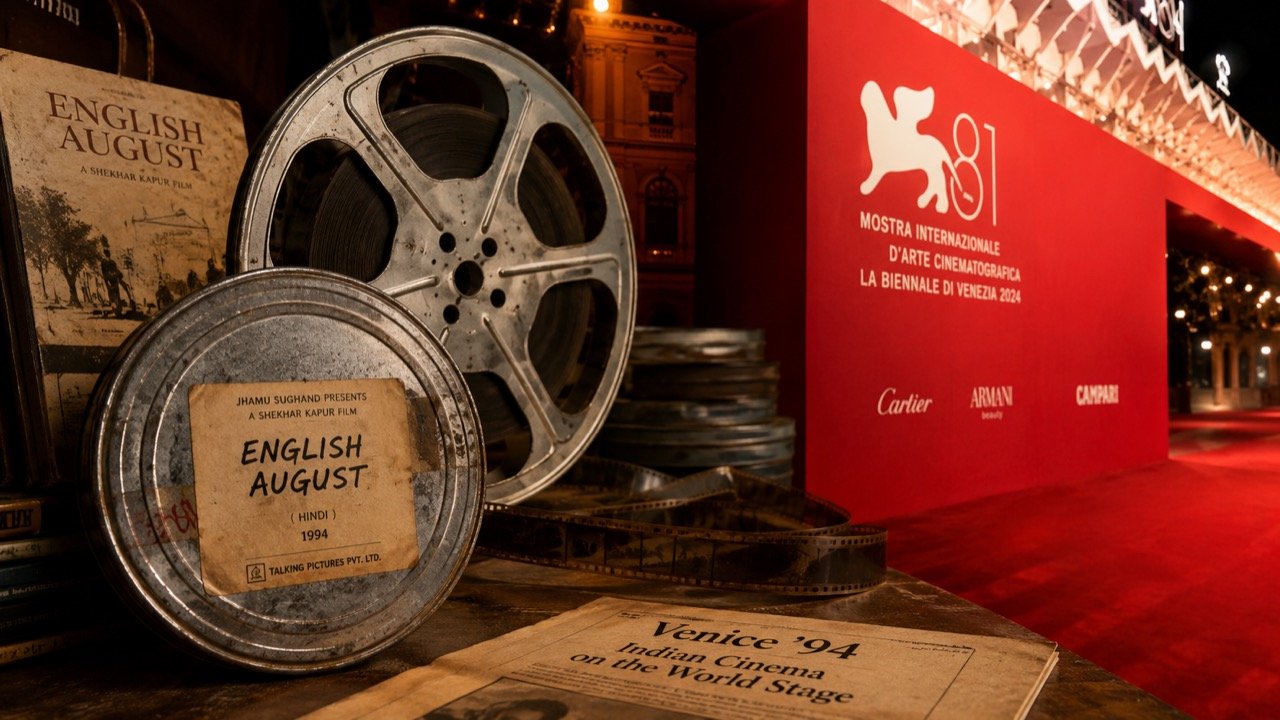
English, August, the film that made Rahul Bose a face of Indian independent cinema in the 1990s, is back in the spotlight. Reports indicate the restored version of the film is headed for a premiere at the Venice Film Festival, handing one of India's most distinctive English-language titles a rare second act on the world stage.
A 1990s classic finds a new platform
Adapted from Upamanyu Chatterjee's celebrated novel, English, August helped define the tone of urban, literary Indian screen storytelling long before today's independent-film ecosystem took shape. Its return in restored form places it in a select category: an Indian film whose afterlife is now generating as much conversation as its original release did.
Why the Venice premiere matters
Restoration stories usually circulate among cinephiles, but this one carries broader interest. Bose remains closely identified with the film, and Venice offers a prestigious international setting that turns an archival project into a live cultural headline. For younger viewers, the premiere is less about nostalgia and more about discovering a work that shaped a whole strand of Indian cinema.
The development also fits a wider pattern: older Indian films are increasingly being reintroduced through restoration, festival programming and streaming-era rediscovery, extending their lives well beyond the first commercial run.
The NE Times View
The Venice premiere of a restored English, August is a reminder that film preservation is not a museum exercise but a living part of India's cultural economy. When archives, festivals and digital audiences align around a strong title, a forgotten classic can become news again — and that should push Indian studios and institutions to treat restoration as strategy, not charity. India's cinematic memory is an asset; this is what it looks like when someone invests in it. More such revivals would give younger audiences a deeper map of where Indian storytelling comes from.
This article is original commentary and analysis by The NE Times. Background facts were referenced from Hindustan Times.
You may also like to read
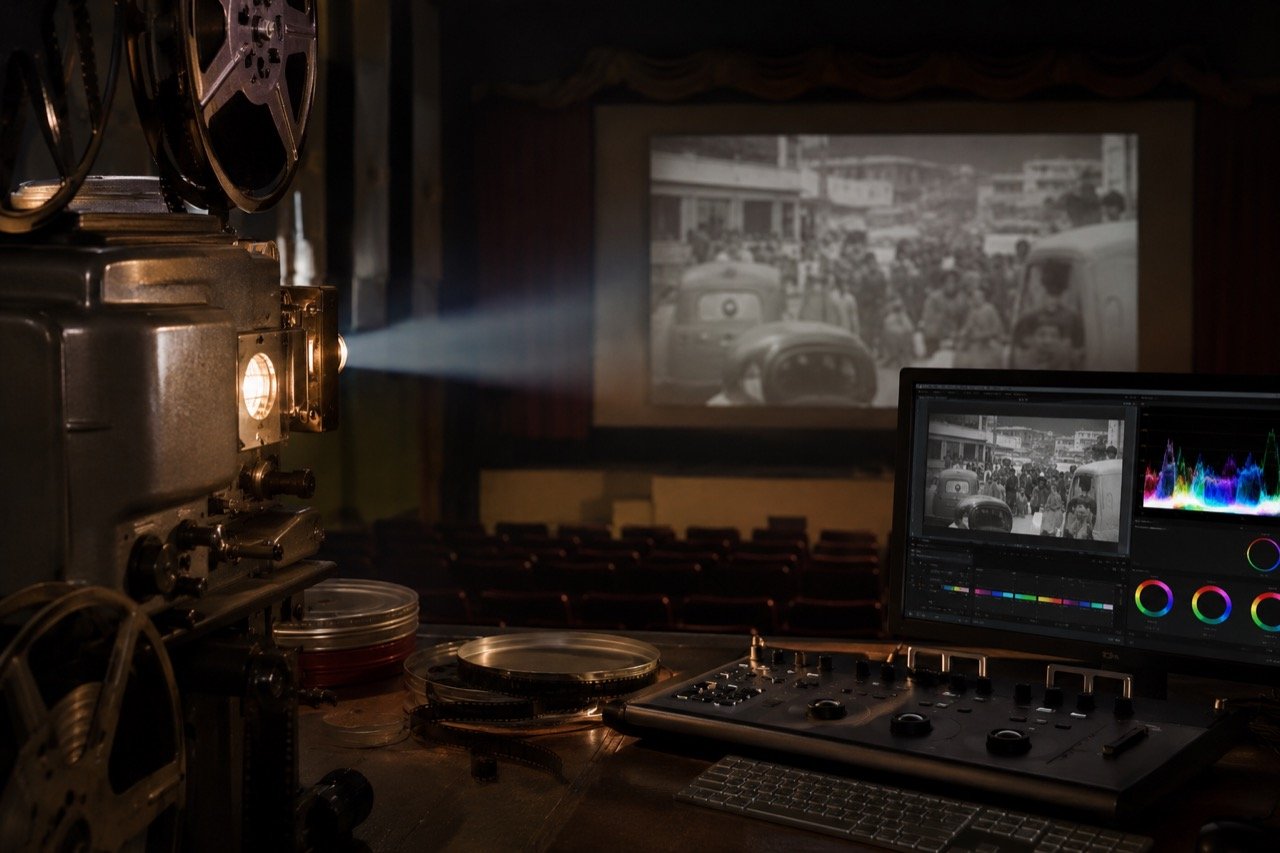
Kireedam Restored Re-Release: Mohanlal Classic Returns in July
Mohanlal's landmark film Kireedam is set to return to theatres in restored form this July, reinforcing India's growing appetite for classic cinema presented with upgraded picture and sound.
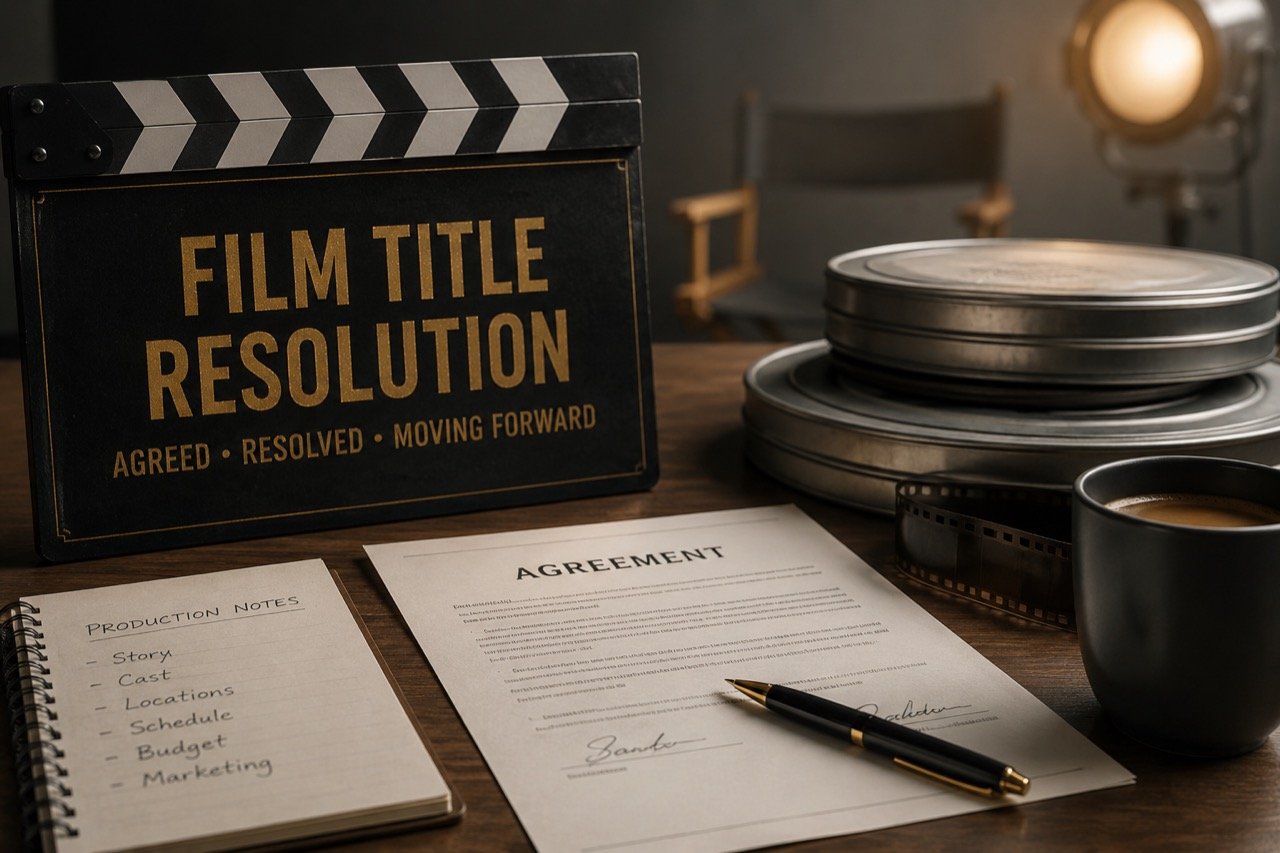
Eetha Title Row Settled: Shraddha Kapoor Film Gets a Clearer Runway
The dispute over the title of Shraddha Kapoor's film Eetha appears resolved after director Laxman Utekar reportedly reassured Vithabai Narayangaonkar's family, shifting attention back to the movie itself.
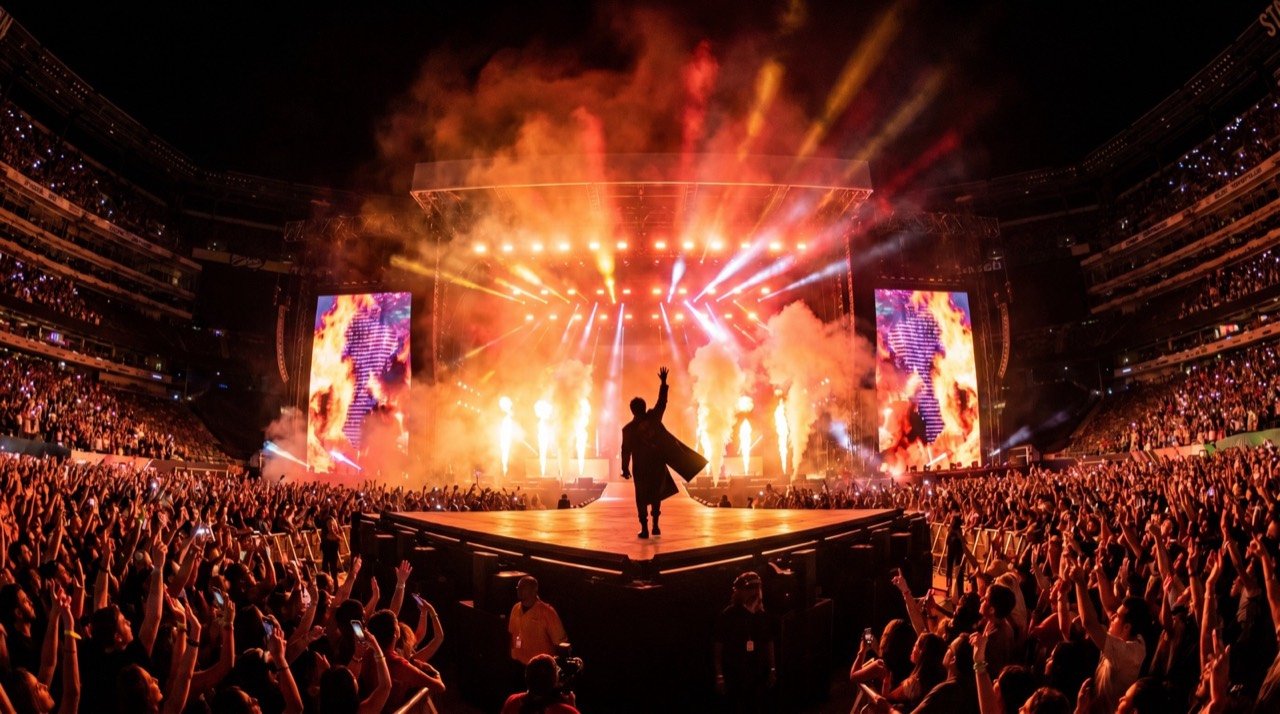
Anirudh's 2026 World Tour Pushes Tamil Film Music Onto Global Arenas
As Anirudh Ravichander lines up a 2026 international concert run across North America and beyond, Tamil film music is increasingly filling arenas once reserved for pop and rock headliners.
Busan's streaming festival returns with a record field as the Global OTT Awards crown the platform era
The Korea International Streaming Festival runs June 18-21 with its flagship Global OTT Awards drawing a record 231 submissions, signalling how Asia's streaming industry is building institutions to match its commercial clout.
More from this section
More
72nd National Film Awards: Fans Back Mammootty, Allu Arjun, Sai Pallavi
Speculation around the 72nd National Film Awards is intensifying as fan communities across India's language film industries champion favourites including Mammootty, Allu Arjun and Sai Pallavi ahead of any official announcement.

Aamir Khan Marries Gauri Spratt in Private Pali Hill Ceremony
Aamir Khan and Gauri Spratt tied the knot at the actor's Pali Hill home in Mumbai on July 5, turning a deliberately small family ceremony into Bollywood's biggest story of the day.

Akanksha Chamola's Lock Upp 2 Confession Sets Reality TV Abuzz
A personal revelation by Akanksha Chamola ahead of Lock Upp 2 has handed the reality show a viral talking point, underlining how confession-driven formats continue to dominate Indian television conversation.