Radico Khaitan Bets on Premium Spirits as India Trades Up
Radico Khaitan's plan to earn a larger share of revenue from premium products spotlights a wider premiumisation wave reshaping India's spirits market, where higher-margin brands are chasing rising disposable incomes.
The NE Times Business Desk
Commentary & Analysis ·

Radico Khaitan plans to derive a larger share of its revenue from premium products, a target reported by Business Standard that places the distiller squarely inside the biggest structural shift in India's spirits market. The company's premiumisation push reflects a broader industry move toward higher-margin categories, away from volume-driven mass brands.
Why premiumisation is the industry's favourite word
Indian consumer markets are increasingly segmented, and alcohol is no exception. Growth in premium spirits can signal rising disposable incomes among a slice of consumers, stronger brand-building by domestic players and changing retail preferences as buyers trade up. For manufacturers, the arithmetic is attractive: premium bottles carry fatter margins, so a modest volume of upmarket sales can move profitability more than large volumes of economy liquor.
Execution, however, runs through one of India's most complicated regulatory landscapes. Alcohol is governed state by state, with each government setting its own excise rules, pricing structures and distribution channels. A premium strategy that works in one state can be blunted in the next, which is why distribution muscle and regulatory navigation matter as much as the liquid in the bottle.
Strategy is not outcome
The sober frame is that premiumisation is a plan, not a guaranteed result. Demand can soften, competition in the premium shelf is intensifying as global and domestic players chase the same aspirational consumer, and brand execution ultimately decides who converts intent into repeat purchase. Radico Khaitan's target is a bet on where the Indian consumer is heading, and the results will show up in margins over several quarters, not in a single announcement.
The NE Times View
The premiumisation story is real, but it is also a story about inequality of consumption: a relatively small urban cohort is doing the trading up while mass-market demand stays price-sensitive. For investors, that makes premium targets a useful signal of ambition rather than a promise of earnings. For policymakers, the sector remains a reminder that fragmented state-level regulation raises costs without obviously serving consumers. We will judge this strategy by delivered margins, not by the elegance of the pitch.
This article is original commentary and analysis by The NE Times. Background facts were referenced from Business Standard.
You may also like to read

FMCG Demand Outlook Brightens on Rural Recovery and Stable Prices
Consumer goods companies are turning more upbeat as rural demand recovers, input costs hold steady and everyday purchases pick up, offering a telling read on the health of Indian household spending.

Tech Roars, Staples Stumble: A Sharp Sectoral Rotation Grips Dalal Street
A pronounced rotation defined early-June trade on Indian bourses, with Nifty IT surging more than 4% in a single session even as FMCG and healthcare indices buckled under selling pressure.
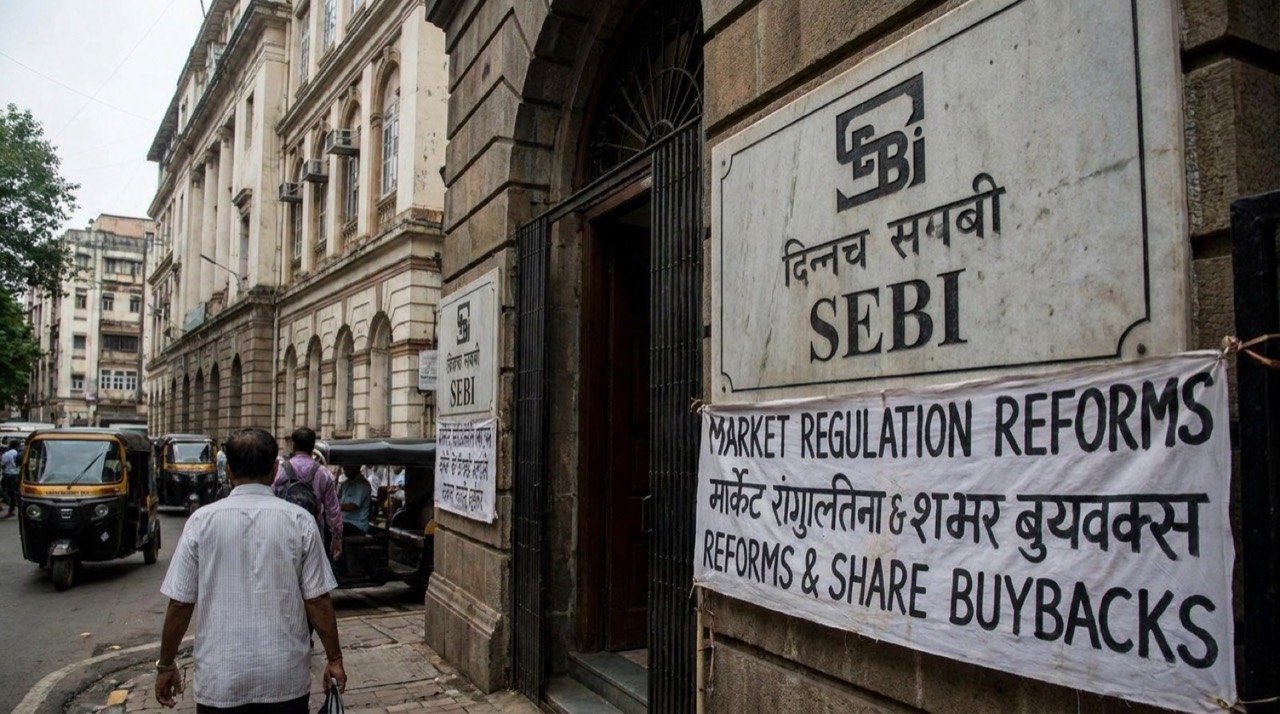
SEBI Reform Push Aims to Simplify Market Plumbing and Revive Open-Market Buybacks
SEBI has proposed a simpler rulebook for stock exchanges and clearing corporations and cleared the return of open-market share buybacks from August 1, signalling a lighter-touch yet sturdier market framework.

JioHotstar bets big on the South: $444 million pledge to corner India's fastest-growing film market
The Reliance-Disney streaming giant plans to spend roughly 40 billion rupees over five years on Tamil, Telugu, Kannada and Malayalam content, a strategic tilt towards regions where viewers watch far longer and the box office increasingly outpaces Bollywood.
More from this section
More
Adani Case: US DOJ Pushes for Permanent Dismissal of Charges
The US Department of Justice has urged a judge to permanently dismiss charges against Gautam Adani, calling the case legally flawed — a reversal with consequences for markets, diplomacy and cross-border enforcement.

Akasa Air Inducts 40th Aircraft in Indian Aviation Scale-Up
Akasa Air's 40th aircraft, ferried to Bengaluru via Seattle, Reykjavik and Cairo, marks a fleet milestone for the young carrier and a fresh signal that India's aviation market remains firmly in expansion mode.

BARC Ratings Suspension Leaves Indian TV Industry Flying Blind
BARC's pause on television ratings has put India's broadcast measurement system under fresh scrutiny, leaving broadcasters, advertisers and media planners without the weekly audience data that anchors the TV economy.