Rachit Singh Denies Huma Qureshi Wedding Rumours as Celebrity Speculation Outruns Confirmation
The most important fact in the latest Huma Qureshi–Rachit Singh story is not a wedding plan but its denial.
Commentary & Analysis ·

Key facts
- Rachit Singh said reports of an imminent wedding with Huma Qureshi were untrue and that no wedding was currently planned.
- Neither actor has publicly confirmed a romantic relationship, despite repeated online speculation.
- The two are associated professionally through Baby Do Die Do and have exchanged supportive social-media messages.
- A joking reference to 'hard-launching' was widely interpreted by some accounts as relationship evidence, although the words did not amount to a formal confirmation.
The denial is the only confirmed development
The most important fact in the latest Huma Qureshi–Rachit Singh story is not a wedding plan but its denial. Rachit said the reported marriage was not happening and that there were no such plans at the moment. That should reset the coverage. Neither person has publicly confirmed a relationship, so headlines describing a wedding as settled go beyond the available evidence. Celebrity reporting often moves in the opposite direction: speculation is published first, then a denial becomes just another update rather than a correction to the underlying claim. A responsible account begins with what is known, identifies what remains private and avoids turning ambiguous posts into declarations. In this case, the verified information is limited, and that limitation should be respected.
How a joke became a relationship narrative
The phrase 'hard-launching me' has a specific internet meaning, usually referring to making a relationship public. But it can also be used jokingly between friends or colleagues. Once the phrase appeared in an exchange involving two actors already linked by gossip, many accounts treated it as evidence. Context was lost as screenshots moved from the original post to fan pages and entertainment sites. This is a common mechanism in celebrity misinformation: a playful line is detached from tone, repeated with increasingly confident captions and eventually presented as confirmation. The lesson is straightforward. A social-media joke is not equivalent to a statement about a relationship, engagement or marriage. Verification requires direct words from the people involved or their authorised representatives.
Professional collaboration can look personal online
Huma and Rachit are linked through Baby Do Die Do, giving them an obvious reason to promote and support each other's work. Modern film publicity encourages cast members to comment, repost and create informal banter because audiences respond to perceived chemistry. Those interactions can be genuine friendship and effective marketing at the same time. The problem arises when observers assume that public warmth must reveal a private romance. Such assumptions can complicate professional relationships and place women under disproportionate scrutiny. Huma's supportive post and Rachit's response are meaningful as public exchanges, but they do not establish the status of their personal lives. Entertainment coverage should leave room for colleagues to be affectionate or humorous without forcing every interaction into a dating storyline.
Why wedding rumours travel so quickly
Weddings generate unusually strong search traffic because they combine fashion, family, wealth, romance and celebrity access. A rumour can produce multiple articles about possible venues, guest lists, designers and dates before the central claim is verified. Each secondary article makes the original rumour appear more credible through repetition. Search engines and social platforms then reward the volume of interest, creating a feedback loop. The commercial incentive explains the speed but does not excuse weak standards. Publishers should require a clear source and label uncertainty prominently. If the people involved deny the claim, older headlines should be updated rather than left to circulate indefinitely. Otherwise, the internet preserves a false timeline that continues to mislead readers.
The gendered cost of speculation
Women often carry a larger reputational burden when relationship rumours spread. Their interviews, clothing and professional choices are reinterpreted through an imagined wedding narrative, while male colleagues are more likely to remain defined by work. Questions about marriage can dominate promotional events and crowd out discussion of performance. Huma Qureshi has an established career across film and streaming, yet an unconfirmed personal claim can temporarily outrank her projects in search results. That imbalance matters. Public curiosity is understandable, but it should not erase a woman's professional identity or create pressure to disclose private information. A denial should be reported clearly and then allowed to close the claim unless new, verified information emerges.
What 'confirmation' should mean in entertainment news
Confirmation is not a photograph taken at the same event, a shared emoji, a friendly caption or an anonymous quote. It means an on-record statement, an official announcement or evidence that can be independently verified. Entertainment journalism sometimes lowers that threshold because the perceived consequences seem minor. Yet false relationship reports can affect families, business arrangements and personal safety. Stronger standards also improve credibility when genuinely important industry stories break. Readers learn to trust outlets that distinguish rumour from fact. In the Huma–Rachit case, the available on-record statement rejects the wedding claim. Any article that continues to present the marriage as imminent should explain why it is disregarding the direct denial.
How readers can recognise manufactured certainty
Several warning signs appear repeatedly in speculative celebrity stories. Headlines may use phrases such as 'reportedly set to,' 'all but confirmed' or 'fans are convinced' without naming a source. Articles may cite one another in a circle, making it difficult to find the original claim. Old photographs can be presented as recent, and social-media comments may be cropped to remove context. Readers can check the date, locate the original post and look for a direct statement. They should also be cautious when a story provides extensive wedding details but no attributable source. The absence of verification is not proof that a rumour is false, but it is a reason not to treat it as fact.
A small story with a larger media lesson
Rachit's denial may fade quickly, but the episode illustrates a structural problem in celebrity coverage. Platforms reward certainty, speed and emotional hooks, while real personal lives are often uncertain, private and resistant to neat narratives. The solution is not to eliminate entertainment reporting or public interest. It is to report proportionately. State the denial, explain the origin of the speculation and avoid filling gaps with invention. Huma Qureshi and Rachit Singh may choose to discuss their relationship status in the future, or they may not. Until then, their professional collaboration is verifiable and the wedding is not. That distinction is simple, but maintaining it is one of the clearest tests of responsible celebrity journalism.
Sources
- The Indian Express, entertainment report carrying Rachit Singh's denial of wedding rumours, July 17, 2026.
- The actors' verified social-media posts were treated as contextual material, not as formal confirmation of a relationship.
This article is original news analysis and commentary by The NE Times, based on reporting from the sources listed above.
You may also like to read

Aamir Khan Confirms July 5 Wedding to Gauri Spratt: 'The News About the Marriage Is True'
The 61-year-old superstar has put months of speculation to rest, confirming an intimate registered marriage to longtime partner Gauri Spratt at his Mumbai home, with no grand celebration planned.
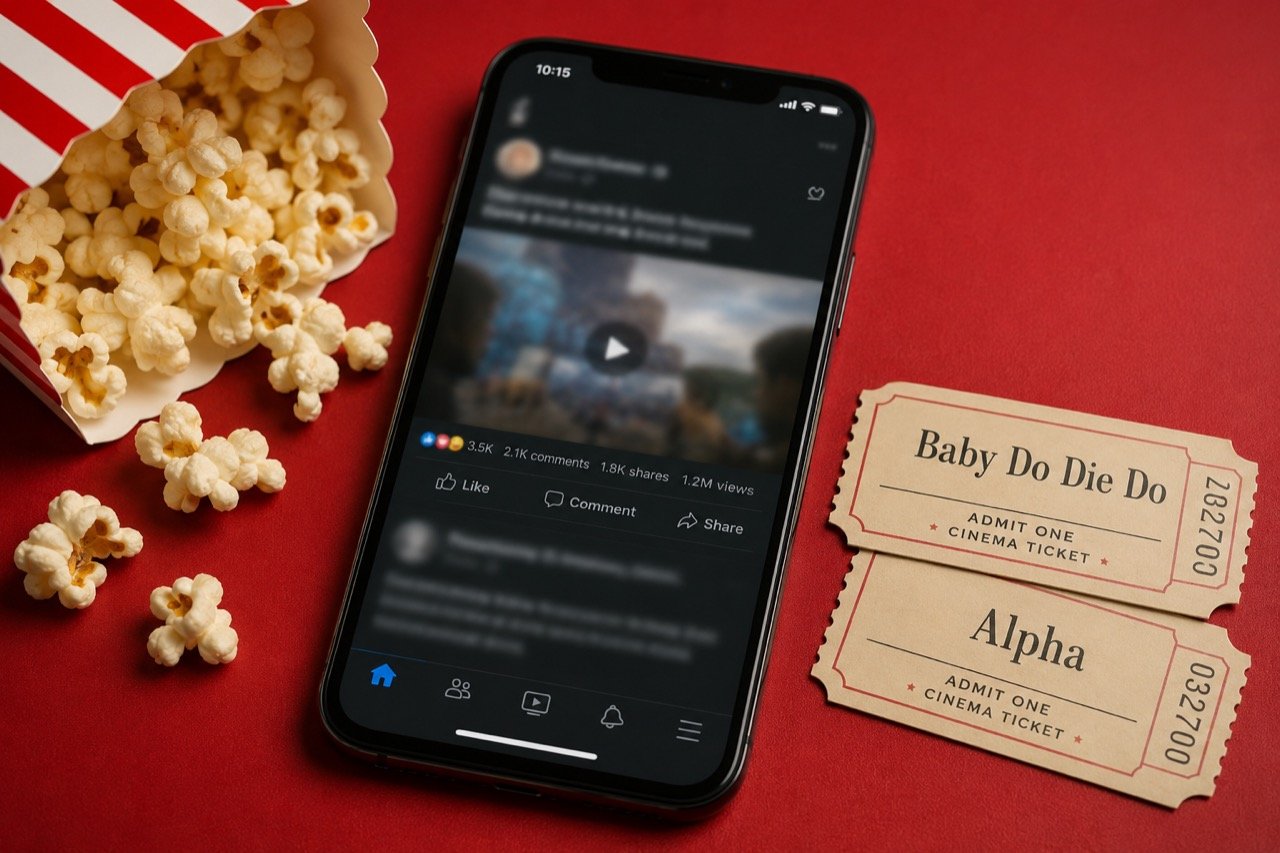
Huma Qureshi's Baby Do Die Do Wit Steals a Busy Bollywood News Day
A sharp, well-timed quip from Huma Qureshi linking Baby Do Die Do and Alpha became one of the day's most shared Bollywood moments, cutting through a feed crowded with box office numbers.

Baby Do Die Do Review Buzz: Huma Qureshi Thriller Holds Weekend Spot
Huma Qureshi's assassin drama Baby Do Die Do stays in the weekend release conversation, drawing mixed reviews for its quirky suspense while sharing its window with the franchise-scale Alpha.

Squid Game: The VIP Challenge Locks In Mel B, Dylan Efron and a Roster of Famous Faces for Netflix's Boldest Reality Gamble Yet
Netflix has confirmed an eight-strong celebrity line-up for its newest Squid Game reality spin-off, sending stars from music, sport, real estate and reality television into the green tracksuits as the franchise stretches further from its dystopian roots.
More from this section
More
Jana Nayagan Reworked After CBFC Battle as Producer Confirms New Songs and a 'Chief Minister' Title Card for Vijay
The latest Jana Nayagan update is more than a routine promotional announcement. Producer K.

Toxic 'Tabaahi' Backlash Sparks Debate Over Gender Double Standards Around Kiara Advani and Yash
The argument around Tabaahi is no longer limited to whether viewers liked a song.

Vicky Kaushal's Katrina Kaif Birthday Post Goes Viral as the Couple Shares a Rare Family Moment
The image shared by Vicky Kaushal contained none of the usual ingredients of a film campaign: no teaser, release date, brand partnership or red-carpet styling. Its power came from scarcity.