Expressway Pothole Row Puts Maharashtra Road Upkeep in Spotlight
Chief Minister Devendra Fadnavis' reported claim that the Pune-Mumbai Expressway has only two potholes has escalated a monsoon maintenance complaint into a statewide debate over highway accountability.
The NE Times National Desk
Commentary & Analysis ·
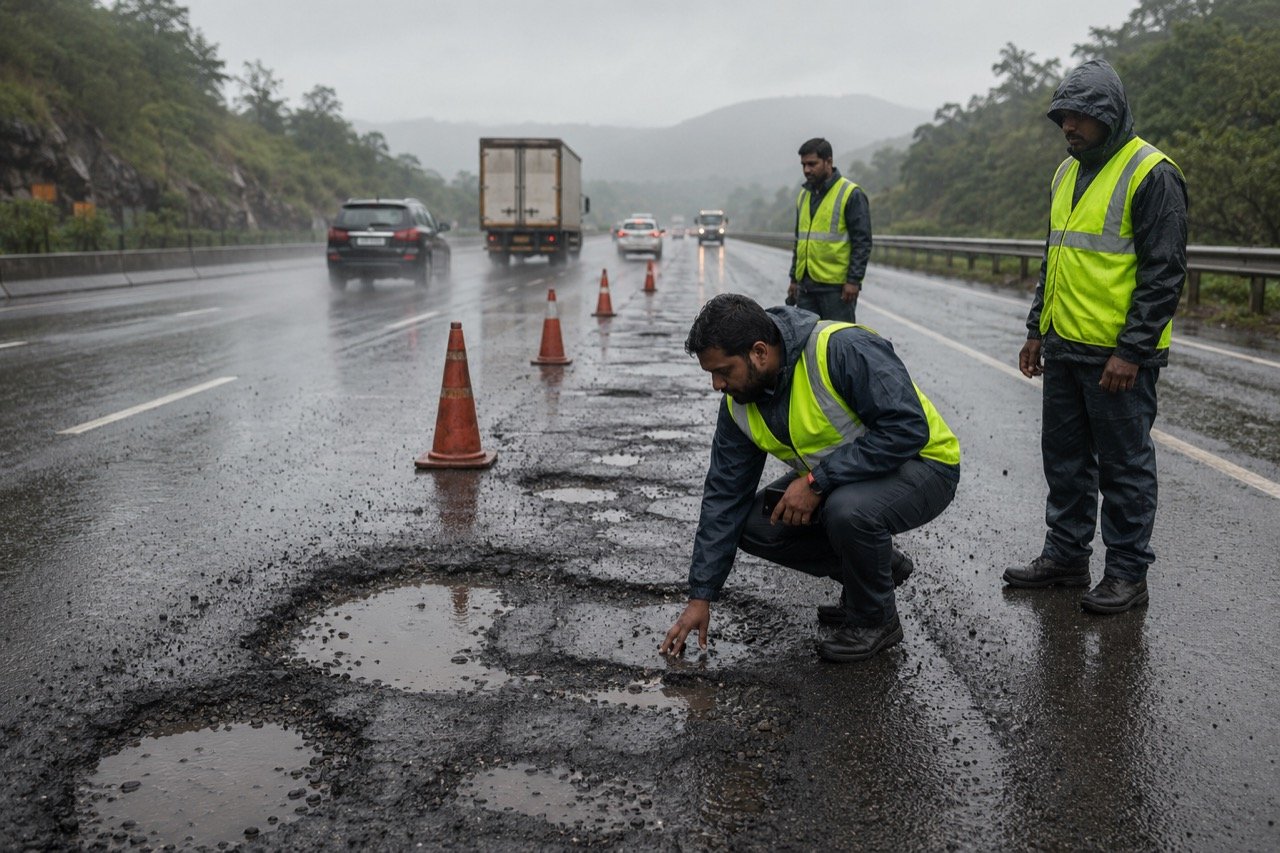
A reported remark by Maharashtra Chief Minister Devendra Fadnavis defending roadwork on the Pune-Mumbai Expressway — including the assertion that the corridor had only two potholes — has turned a routine monsoon grievance into a wider public argument about how India maintains its most heavily used highways.
The expressway is among western India's most critical road links, carrying daily commuters, freight and logistics traffic, and weekend travellers between two of the country's largest urban regions. Any doubt over its surface quality, repair schedules or safety standards draws immediate scrutiny precisely because so many people depend on it.
Why a pothole count became political
The controversy is less about the precise number of potholes and more about whether road agencies can communicate maintenance status credibly when heavy rain, relentless traffic volumes and public frustration collide. Officials insist repair teams are active on the corridor; commuters judge the claim against what they experience on every journey.
Monsoon months are a stress test for road construction quality across Indian cities and highways. Waterlogging, heavy vehicles and delayed repairs can quickly turn small surface defects into genuine safety hazards, and the gap between official assurances and lived commuter experience is exactly where political controversy tends to grow.
The public-interest question the row raises is one of evidence-based maintenance. Citizens are better served when governments publish repair timelines, name contractor responsibilities and issue clear safety advisories, rather than offering broad assurances that are difficult to verify on the ground.
The NE Times View
The lesson of this row is that trust in public works is built with data, not declarations. When a chief minister's pothole count becomes the story, it signals that citizens lack an authoritative, transparent source for road condition information. Maharashtra — and every state managing high-traffic corridors — should treat this as a prompt to publish live maintenance dashboards, contractor accountability records and repair deadlines. Indian commuters do not expect perfect roads in the monsoon; they expect honesty about defects and visible urgency in fixing them. Until that becomes standard practice, every pothole on a marquee expressway will remain a political symbol rather than an engineering task.
This article is original commentary and analysis by The NE Times. Background facts were referenced from Hindustan Times India News.
You may also like to read
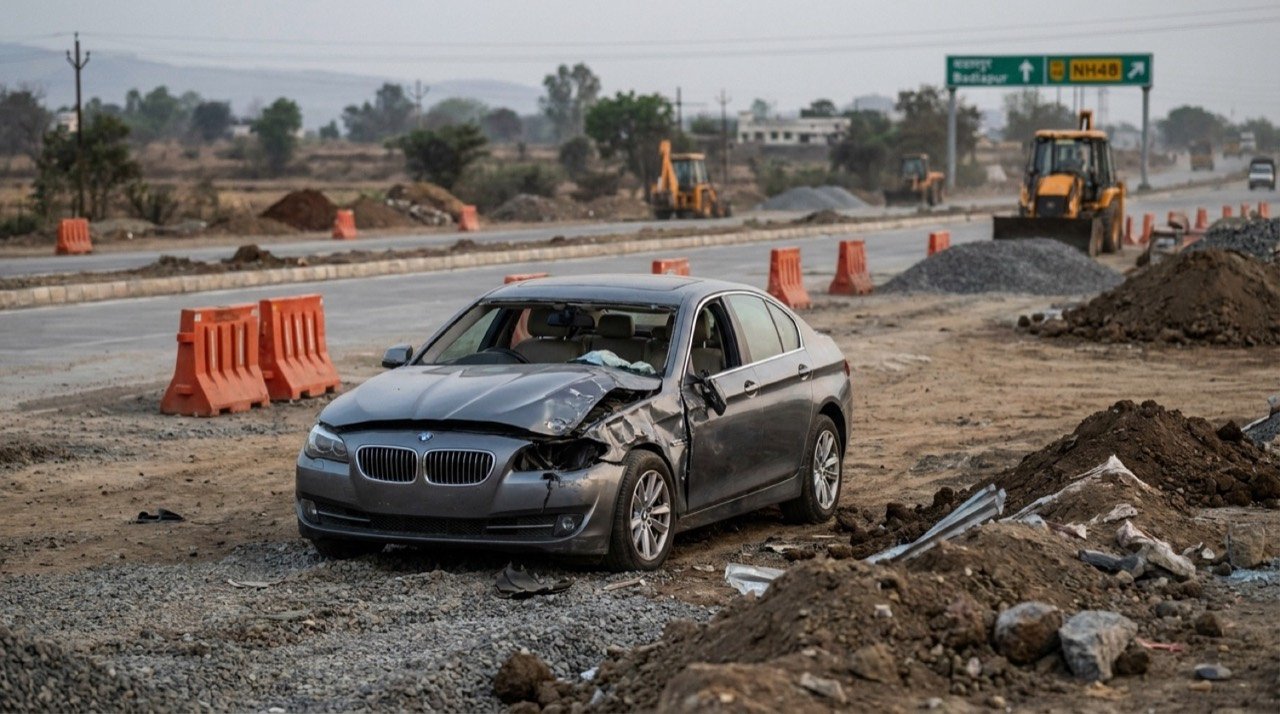
Badlapur BMW Crash at Alleged 251 kmph Spotlights Unfinished Expressway Misuse
A fatal BMW crash near Badlapur that killed two has revived alarm over reckless driving and the misuse of under-construction expressway stretches for high-speed runs and stunt rides.
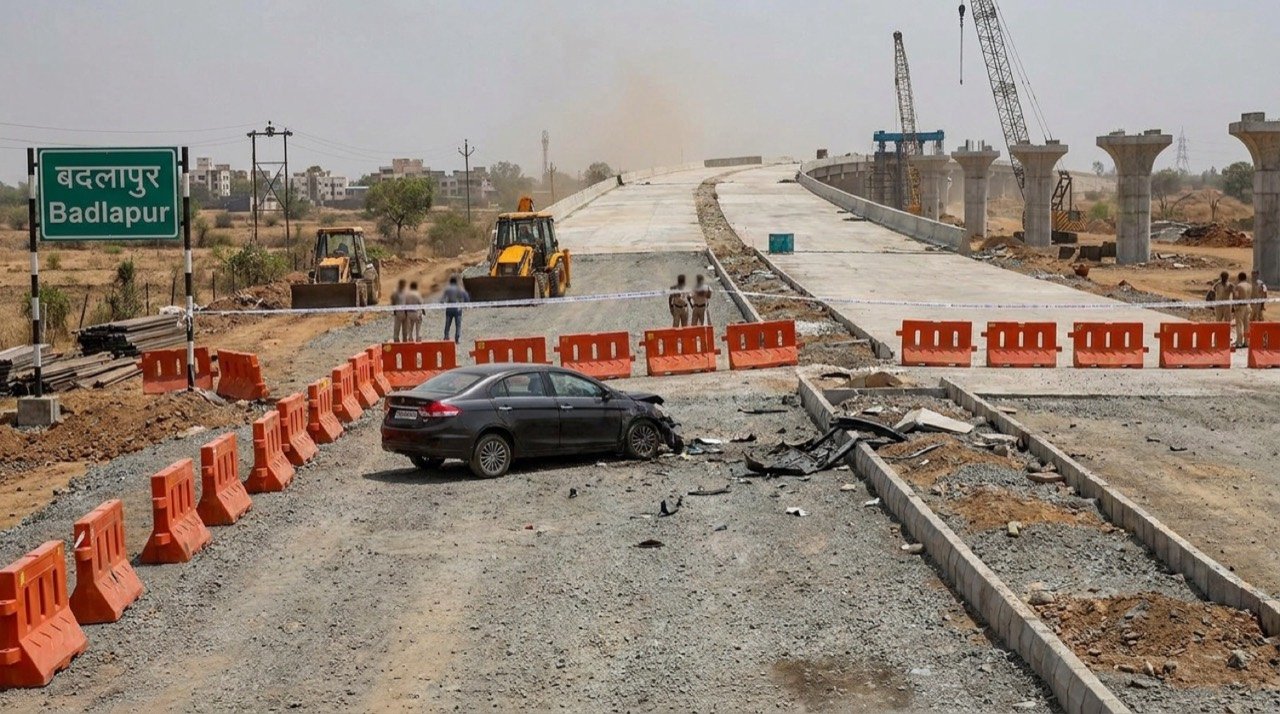
Badlapur Expressway Crash Spotlights Illegal Racing on Unfinished Roads
A fatal late-night BMW crash on an under-construction stretch near Badlapur has revived hard questions about illegal racing, access control and safety at unfinished expressway sites.

Maharashtra Milk Crackdown Puts Food Safety Back on the Agenda
Enforcement drives against milk adulteration in Maharashtra have revived public debate on food quality, spotlighting the need for regular testing, supply-chain vigilance and consumer awareness across India's most-consumed daily staple.
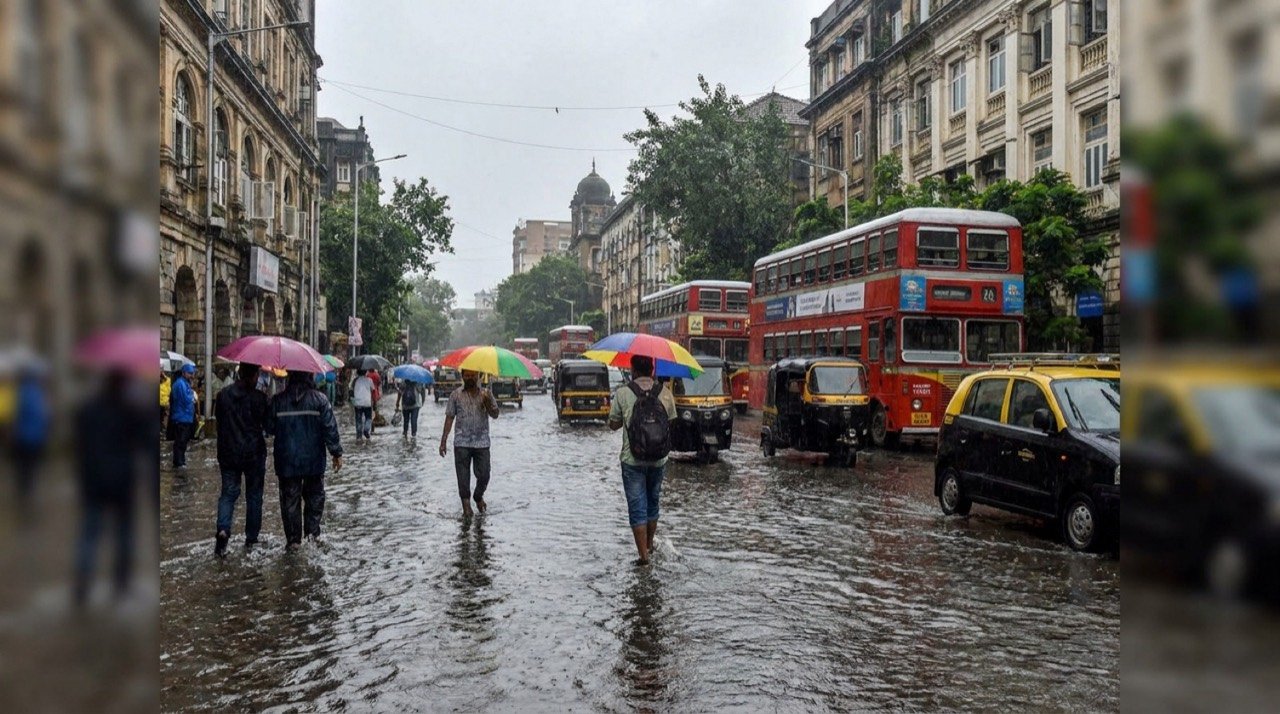
Mumbai Braces for Monsoon Advance as IMD Issues Heavy Rain Alerts
The India Meteorological Department says conditions favour the southwest monsoon advancing into Mumbai and more of Maharashtra, with heavy rain and thunderstorm warnings testing the city's readiness.
More from this section
More
Ahmedabad Bullet Train Station Gets Kite-Inspired Multimodal Hub Plan
Ahmedabad's bullet train station is set to be developed as a multimodal transport hub with a kite-inspired design, giving India's high-speed rail project a distinctive urban landmark rooted in local identity.
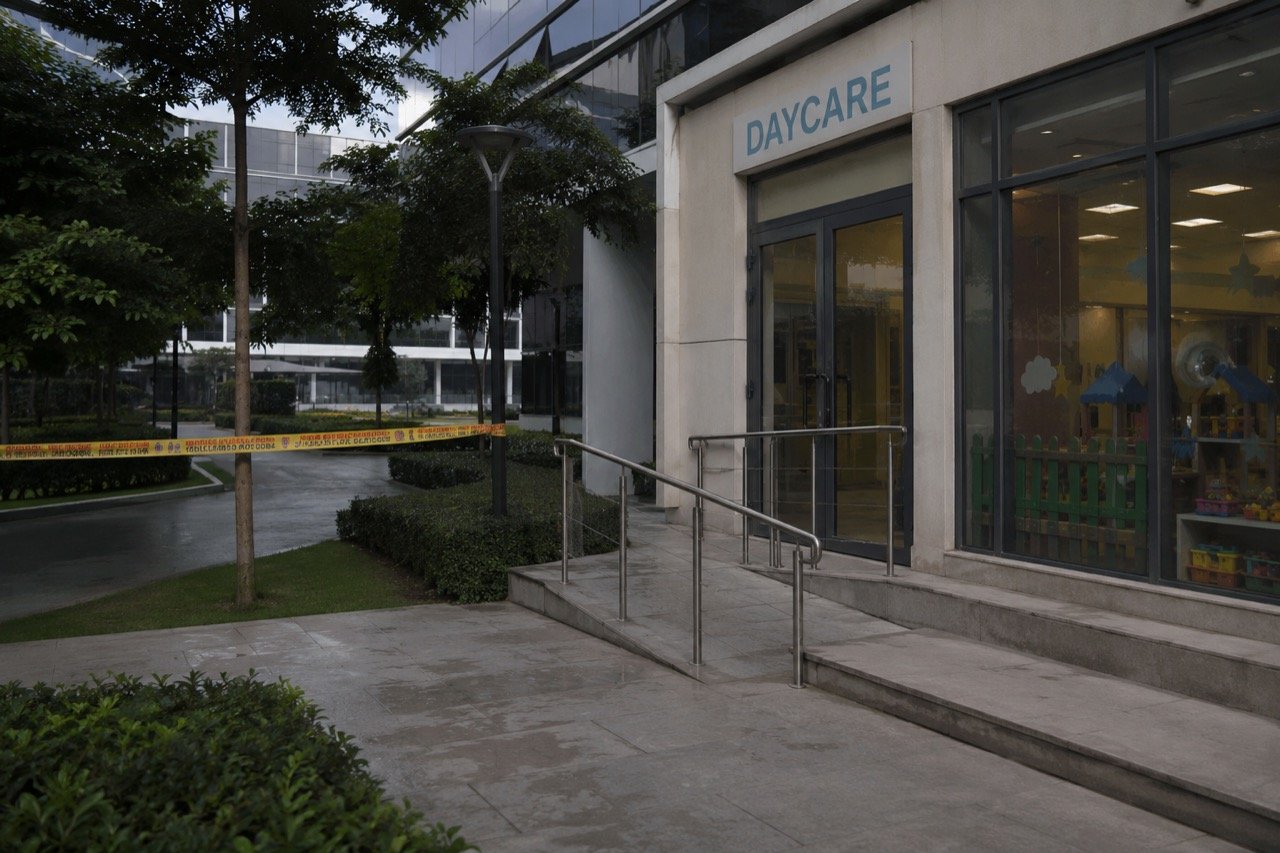
Arrest in Bengaluru Daycare Case Deepens Child Safety Questions
Bengaluru police have arrested a woman connected to the daycare case at a Capgemini campus facility, sharpening scrutiny of caregiver vetting, oversight and accountability at workplace-linked childcare centres.

Assam Case Shows PAN and Voter Cards Are Not Citizenship Proof
A man declared a foreigner in Assam despite holding multiple identity documents has highlighted a crucial legal distinction: everyday IDs establish identity, not citizenship, when a person's legal status is challenged.