Priyadarshan's Hera Pheri 3 Exit Remarks Stir Franchise Debate
Priyadarshan's candid comments about leaving Hera Pheri 3 have reopened a wider industry conversation about how much creative control legacy comedy franchises need to protect their identity.
The NE Times Entertainment Desk
Commentary & Analysis ·

Priyadarshan has once again put Hera Pheri 3 at the centre of Bollywood conversation. In fresh remarks reported by NDTV and Hindustan Times, the veteran filmmaker suggested he could have made the film bigger, adding to earlier comments in which he described feeling insulted by a producer's response to his cut of the project before his exit.
Why one director's exit resonates so widely
Hera Pheri is not just another sequel brand. It is one of Hindi cinema's most cherished comedy properties, built on recurring characters, quotable dialogue and a tonal rhythm that fans treat as sacred. When the man associated with shaping that world speaks of creative disagreement, audiences hear more than industry gossip — they hear a warning about the franchise's soul.
The verified core of the story remains limited: Priyadarshan has spoken publicly about the project and the circumstances of his departure. What actually appears in the current version of the film, and how far it departs from his vision, will only be clear when the makers release material from the production.
The economics of nostalgia
Beneath the personalities lies a structural tension familiar across the industry. Legacy franchises must balance nostalgia with new market demands, and the economics of bigger-scale sequels often pull against the modest, character-driven charm that made the originals beloved. Producers chase spectacle; audiences often just want the old chemistry back.
The NE Times View
In our view, the Hera Pheri 3 episode is a case study in why authorship matters as much as star power in comedy. Franchises of this vintage survive on audience trust, and that trust is anchored in tone — something a director curates scene by scene. Indian studios increasingly treat beloved IPs as scalable assets, but scale is a poor substitute for rhythm in comedy. Until the makers show what they have actually built, fans are right to be protective. The lesson for the industry is simple: settle creative differences before cameras roll, because in a legacy franchise the audience is always the third party at the negotiating table.
This article is original commentary and analysis by The NE Times. Background facts were referenced from NDTV Entertainment, Hindustan Times Bollywood and Indian Express Entertainment.
You may also like to read
Sanjay Dutt's Jungle Exit: Ahmed Khan Breaks His Silence
Director Ahmed Khan has explained why Sanjay Dutt left Welcome to the Jungle after beginning shoot, adding a fresh production-side twist to the Akshay Kumar-led ensemble comedy's already noisy news cycle.
Welcome To The Jungle Box Office: Akshay Comedy Faces Weekday Test
Akshay Kumar's ensemble comedy-adventure has passed its opening-weekend visibility test at the box office, but its real challenge now lies in weekday holds and sustaining the franchise's word-of-mouth energy.
Welcome To The Jungle Builds Across Opening Weekend As Akshay Kumar Comedy Holds Steady
Welcome 3, the third entry in the Welcome comedy franchise, opened to a solid Day 1 and grew on Saturday, signalling a much-needed family-comedy revival at the Indian box office.
Welcome To The Jungle Eyes Akshay Kumar's Biggest Comedy Opening On Muharram Weekend
Trade trackers say the Ahmed Khan-directed multi-starrer is on course for a 25-crore-plus first day, which would hand Akshay Kumar his biggest comedy opening of the post-pandemic era.
More from this section
More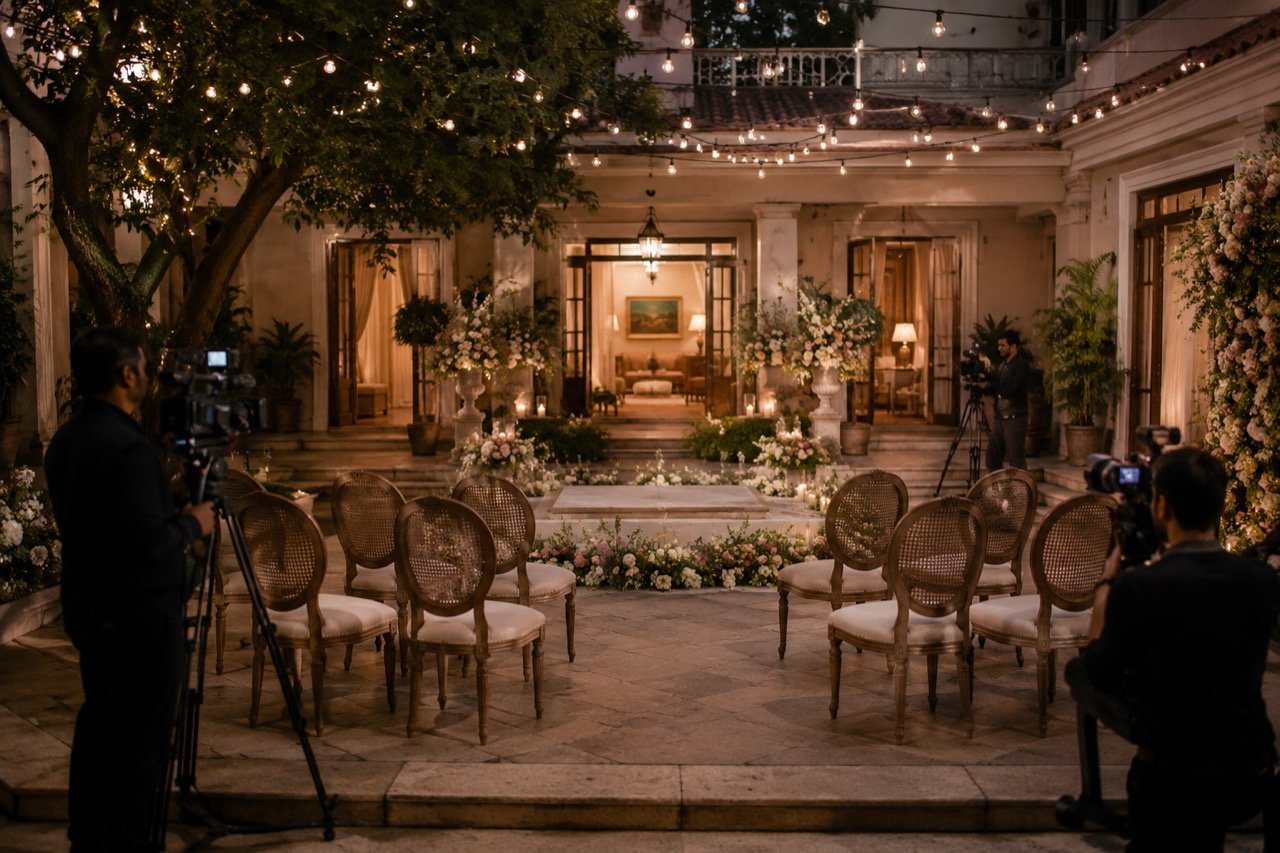
Aamir Khan's quiet July 5 wedding becomes Bollywood's big story
Reports that Aamir Khan has confirmed an intimate July 5 ceremony with Gauri Spratt have captivated Bollywood watchers precisely because the star is choosing privacy over spectacle.
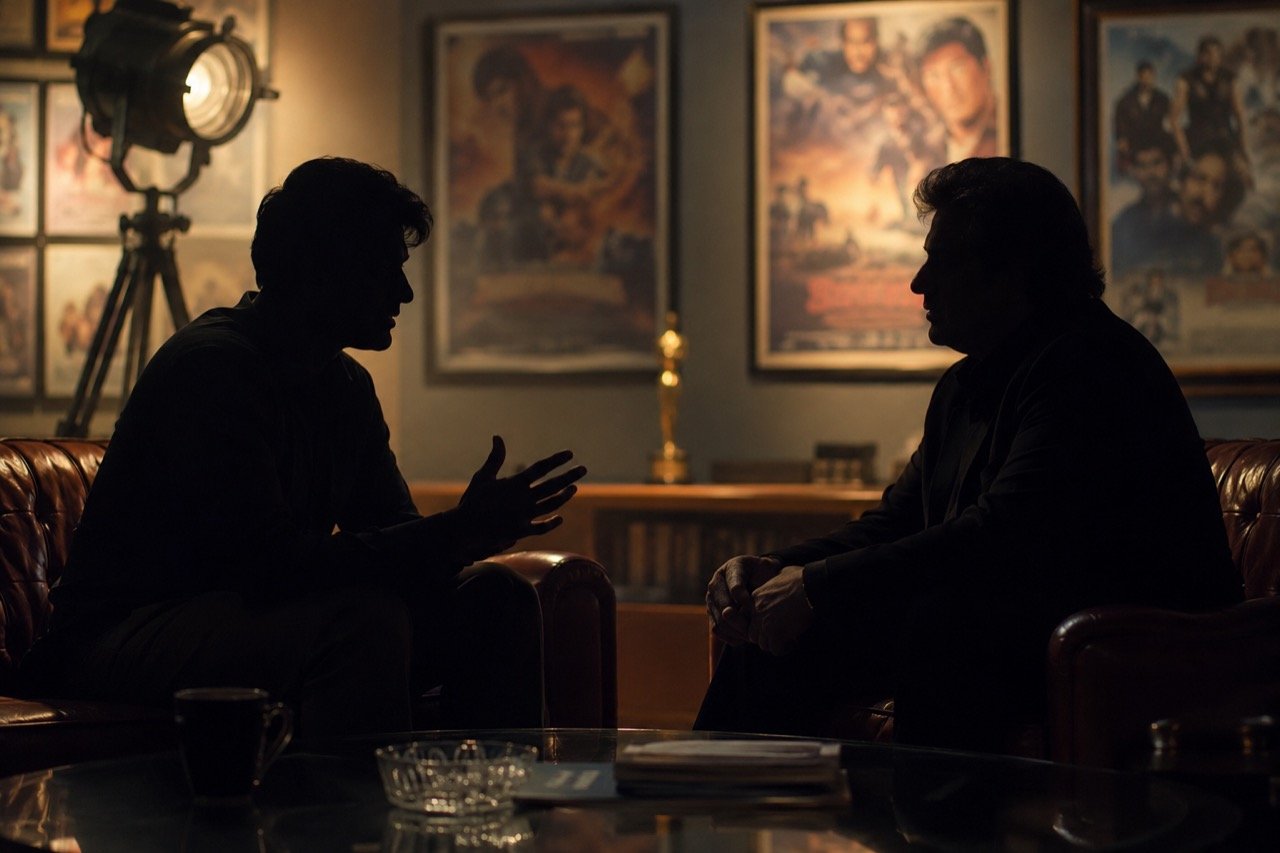
Akshaye Khanna's Nod to Sunny Deol Stirs 90s Bollywood Nostalgia
A warm remark from Akshaye Khanna about Sunny Deol has revived affection for Bollywood's 1990s generation, showing how memory and mutual respect still power Hindi cinema's news cycle between big releases.
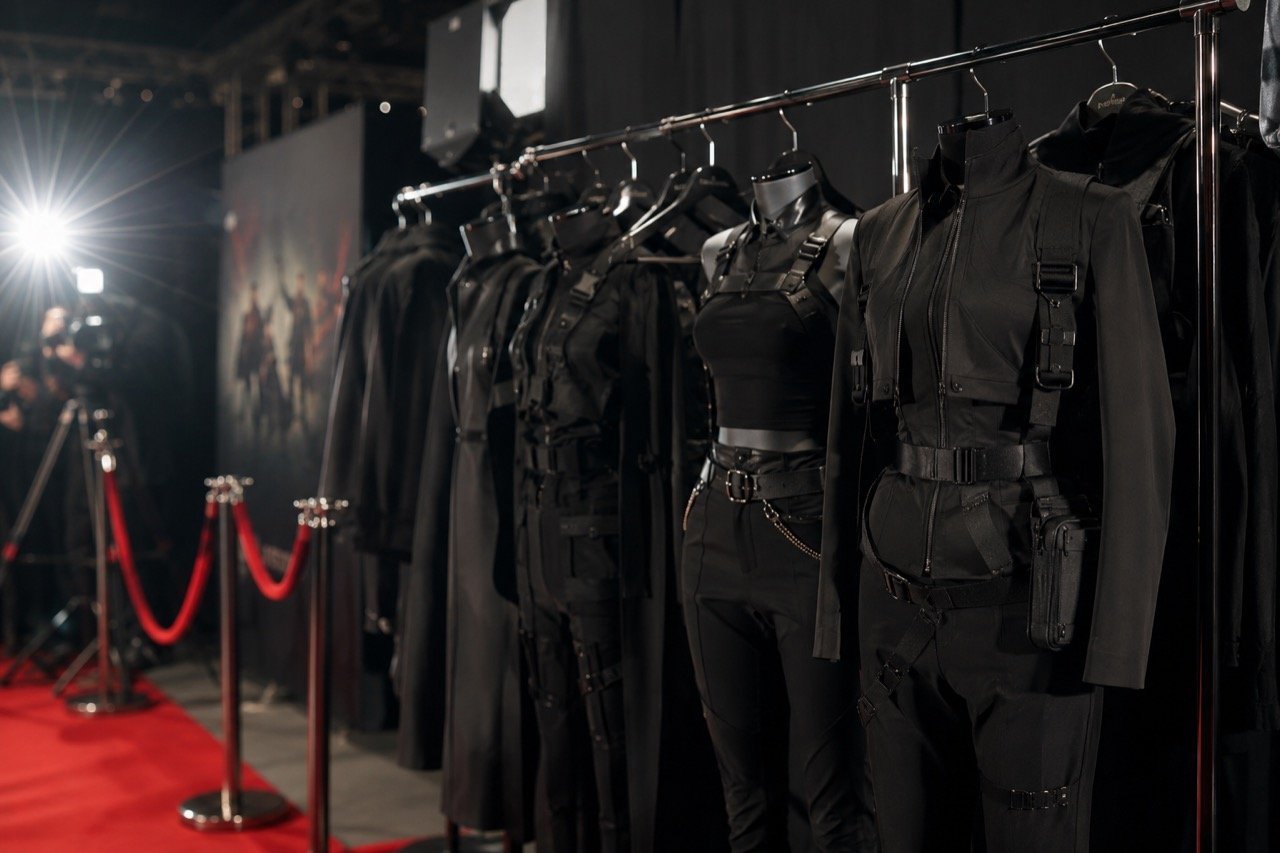
Alia Bhatt's Alpha Wardrobe Makes Spy-Film Promotion a Style Story
From asymmetrical silhouettes to commando-inspired outfits, Alia Bhatt's promotional fashion for Alpha is doing narrative work — signalling toughness and control for Bollywood's female-led action entry.