Preity Zinta Deepfake Case: Bombay HC Weighs Celebrity AI Rights
Preity Zinta's petition against AI-generated deepfakes and morphed images has drawn Google and Meta into a Bombay High Court discussion on how fast platforms must remove content that misuses a person's identity.
The NE Times Entertainment Desk
Commentary & Analysis ·
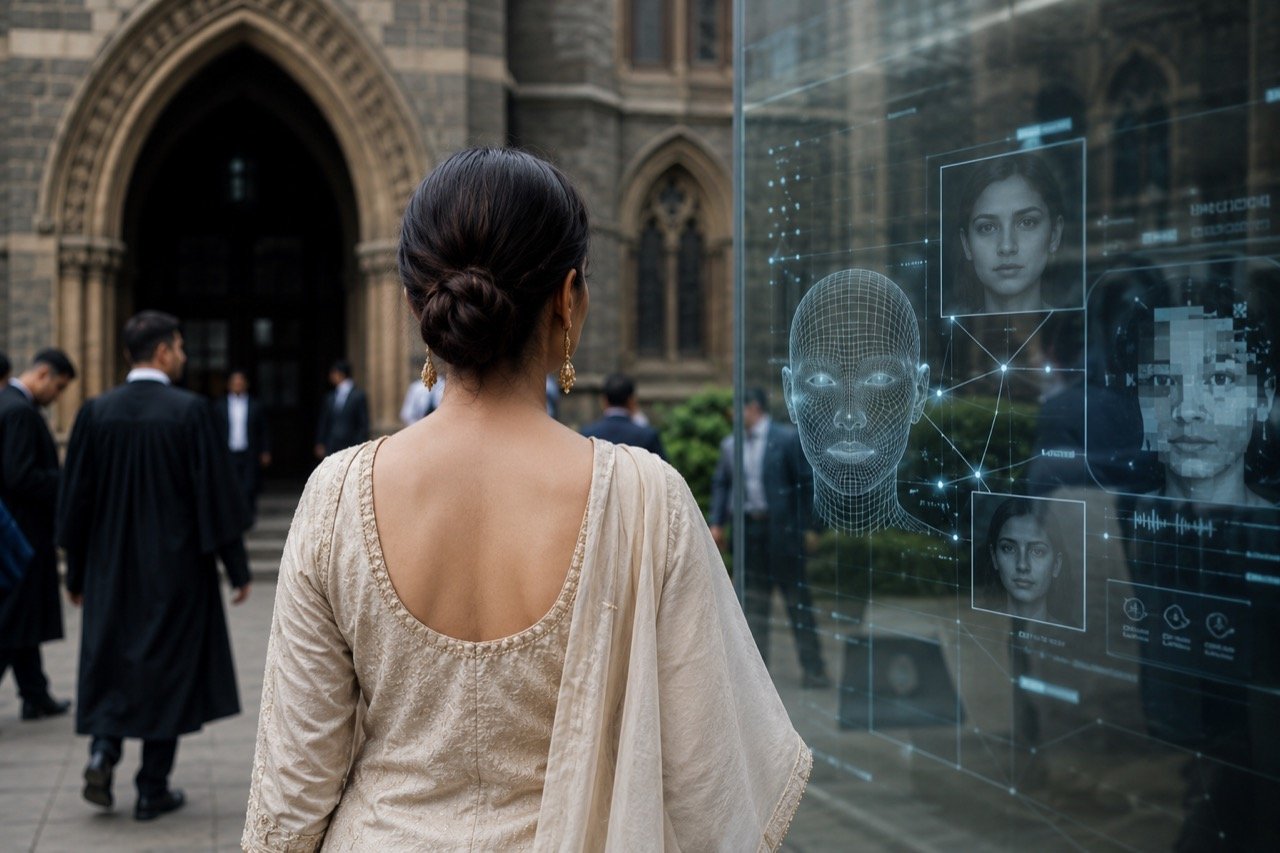
Preity Zinta has taken one of Bollywood's most urgent digital-rights questions to the Bombay High Court: how quickly can platforms be made to remove manipulated content that uses a public figure's identity without consent? The actor's petition targets AI-generated deepfake videos, morphed visuals and other unauthorised material, with Google and Meta drawn into the takedown discussion.
From outrage to procedure
The court has reportedly asked the platforms for a practical removal plan, which shifts the case from grievance to process. For a working actor, a manipulated video causes damage that is both personal and commercial — distorted public perception, eroded endorsement value, emotional distress and a permanent searchable trail. For platforms, the case sharpens pressure to prove that notice-and-action systems can respond to synthetic media at internet speed rather than courtroom speed.
Why Bollywood is especially exposed
Star images are already intensely circulated: a promotion still, red-carpet photograph or social clip can be scraped, altered and redistributed within minutes. The visibility that builds a public brand doubles as raw material for impersonation. Personality rights, once mostly about fake endorsements and unauthorised advertising, now have to contend with a new category of realistic audiovisual deception.
The legal questions will outlast this one petition. Courts and regulators must define what counts as prompt action, how complaints are verified, whether repeat uploaders can be restrained, and how likeness can be protected without handing anyone an overbroad censorship tool. A credible system has to shield people from non-consensual synthetic content while preserving legitimate criticism, satire and public-interest reporting.
For audiences, the case is a reminder that a video of a recognisable person is no longer automatic proof of anything. Newsrooms, fan pages and ordinary users will need stronger verification habits, particularly when sensational clips are framed as leaks or scandal.
The NE Times View
Zinta's petition matters less for the star at its centre than for the precedent it could set. India's deepfake problem is spreading downward — from actors to influencers to ordinary women whose photos are morphed with none of a celebrity's legal firepower — so whatever removal standard the Bombay High Court extracts from Google and Meta will effectively become the template everyone else relies on. The court should insist on measurable timelines and accountable escalation, not vague assurances. If the gap between creation and correction of synthetic media keeps widening, trust in visual evidence itself becomes the casualty, and that is a cost India's information ecosystem cannot absorb.
This article is original commentary and analysis by The NE Times. Background facts were referenced from Hindustan Times and Times of India.
You may also like to read
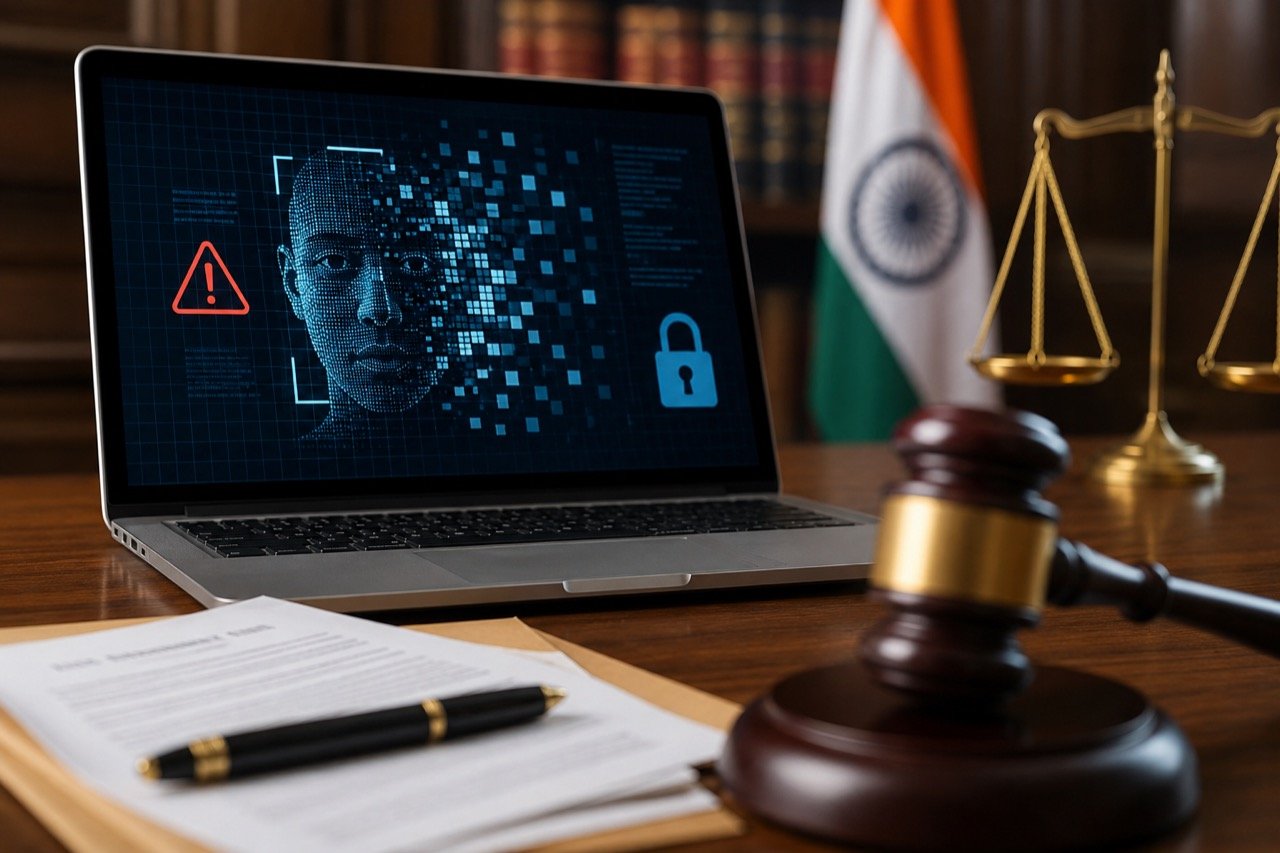
Preity Zinta Deepfake Plea Puts Celebrity Image Rights on Trial
Preity Zinta's reported Bombay High Court plea against AI deepfakes has reignited Bollywood's digital-safety debate, raising urgent questions about platform takedowns, personality rights and how quickly Indian law can respond to generative media.
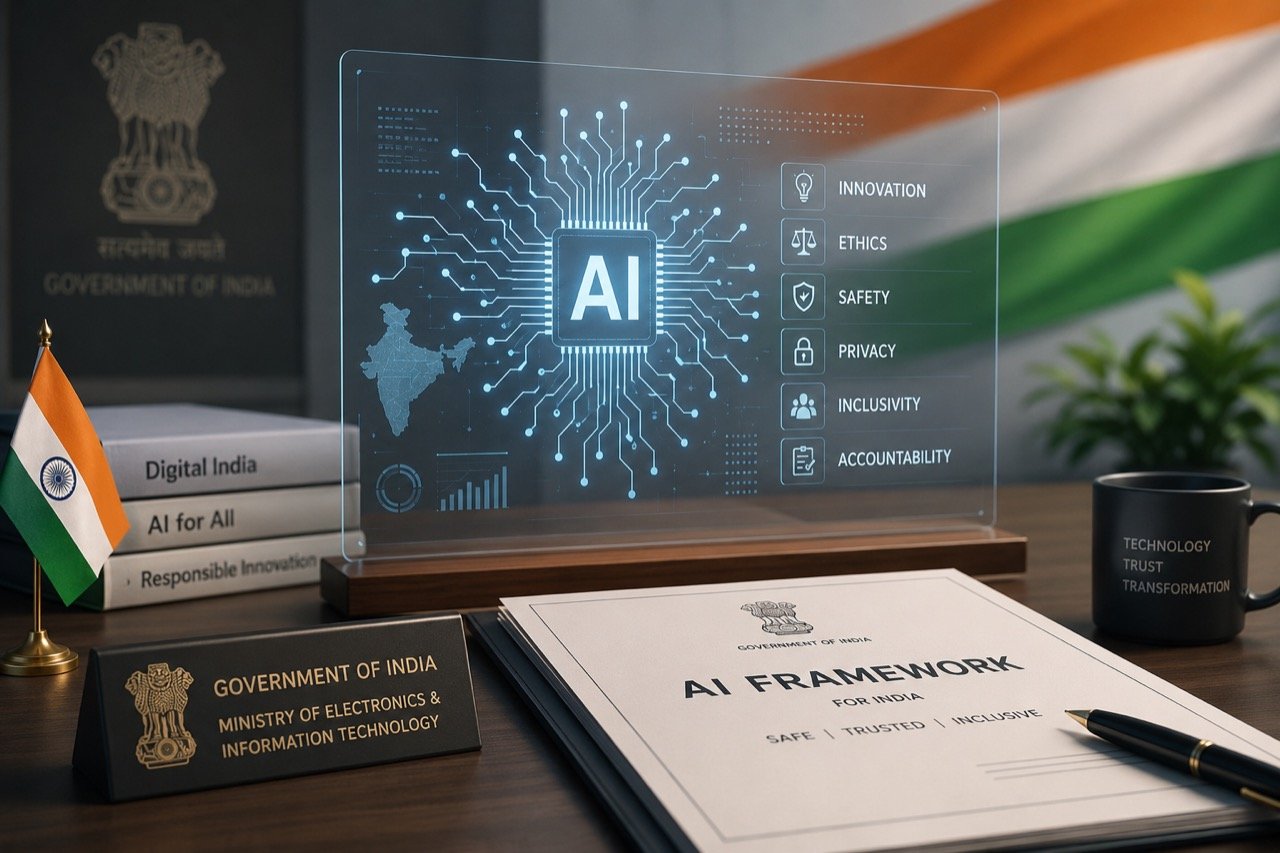
India AI Law: Regulation Debate Weighs Innovation Against User Safety
India's debate over artificial-intelligence regulation is shifting from broad principles to hard questions of liability, deepfake labelling and high-risk system obligations, as the government weighs how to protect users without stifling innovation.
Celina Jaitly Credits Preity Zinta for Support in Legal Battle
Celina Jaitly has spoken about how Preity Zinta stood by her during an ongoing legal battle, turning a difficult personal chapter into a story of friendship and resilience under public scrutiny.
Celina Jaitly Credits Preity Zinta's Support in Her Darkest Phase
Celina Jaitly's account of Preity Zinta standing by her through divorce proceedings and her brother's UAE ordeal reframes her comeback story around the private support networks that help artists survive hard times.
More from this section
More
72nd National Film Awards: Fans Back Mammootty, Allu Arjun, Sai Pallavi
Speculation around the 72nd National Film Awards is intensifying as fan communities across India's language film industries champion favourites including Mammootty, Allu Arjun and Sai Pallavi ahead of any official announcement.

Aamir Khan Marries Gauri Spratt in Private Pali Hill Ceremony
Aamir Khan and Gauri Spratt tied the knot at the actor's Pali Hill home in Mumbai on July 5, turning a deliberately small family ceremony into Bollywood's biggest story of the day.
Akanksha Chamola's Lock Upp 2 Confession Sets Reality TV Abuzz
A personal revelation by Akanksha Chamola ahead of Lock Upp 2 has handed the reality show a viral talking point, underlining how confession-driven formats continue to dominate Indian television conversation.