Praggnanandhaa Storms to Maiden Norway Chess Crown After Twin Wins Over Carlsen
R Praggnanandhaa became the first Indian to win Norway Chess, surging from near the bottom of the table to the title on the back of four straight classical wins, including two over Magnus Carlsen.
Commentary & Analysis ·

R Praggnanandhaa has pulled off one of the most dramatic turnarounds in elite chess, winning the 2026 Norway Chess tournament in Oslo to become the first Indian ever to lift the prestigious title. The 20-year-old was languishing close to the foot of the standings in the early rounds before reeling off four consecutive victories to overhaul the entire field, a swing that turned a faltering campaign into a landmark triumph.
Norway Chess is among the most demanding events on the calendar, valued for assembling a small, super-elite field where every game is a contest between the world's best. To win it as a first-time champion, and as the first Indian to do so, places Praggnanandhaa's achievement firmly in the record books and adds to the surging story of Indian chess.
A field of giants
The six-player double round-robin featured the strongest possible line-up: world number one Magnus Carlsen, reigning world champion D Gukesh, Alireza Firouzja, Wesley So and Vincent Keymer. Praggnanandhaa finished clear at the top with 18 points, ahead of So on 17 and Firouzja on 15.5. In a format where every opponent is a genuine title contender, there is nowhere to hide and no easy games to pad a score.
The double round-robin structure, in which players meet each other twice, rewards consistency and nerve over a sustained stretch rather than a single hot streak. Topping such a field by a clear margin underlines how completely Praggnanandhaa dominated the second half of the event after his slow start.
Comeback for the ages
Central to the run were two classical wins over Carlsen, a remarkable feat against a player who had earlier in the event beaten Gukesh twice. A final-round win over Keymer sealed the title for the Chennai prodigy, who had endured a sluggish start before finding devastating form. Beating the world number one twice in classical chess in a single tournament is a rare distinction, and doing so as part of a title-winning surge made the achievement all the more striking.
“This will top all my wins so far.”
— R Praggnanandhaa
- First Indian to win the Norway Chess title
- Finished clear on 18 points, ahead of Wesley So (17) and Firouzja (15.5)
- Recovered from near the bottom with four straight wins
- Beat Magnus Carlsen twice in classical chess during the event
- Sealed the title with a final-round win over Vincent Keymer
Why it matters for Indian chess
The victory lands amid a golden run for Indian chess, with a generation of young players now competing for and winning the sport's biggest honours. Alongside the presence of reigning world champion Gukesh in the same field, Praggnanandhaa's win reinforces the depth of Indian talent at the very top and the speed at which these players are converting promise into silverware on the elite circuit.
At 20, with a maiden super-tournament title and twin wins over Carlsen to his name, Praggnanandhaa enters his next events with renewed momentum and a clear statement of intent. If this form holds, he will be a central figure in the conversations around future world-title contention, and his comeback in Oslo is likely to be remembered as a defining marker of his rise. The facts in this commentary were referenced by The NE Times from coverage by Chess.com and ChessBase.
The NE Times View
Beating Carlsen twice in a single elite event, and from the back of the field, is not a fluke but a statement of arrival. Praggnanandhaa's win confirms what India's chess boom has been promising: the post-Anand generation can win, not merely compete, at the very top. The challenge now is converting these breakthroughs into a sustained World Championship pursuit.
You may also like to read

Praggnanandhaa Outclasses Gukesh In All-Indian Norway Chess Duel To Stay In Title Hunt
R Praggnanandhaa dismantled world champion D Gukesh in just 34 moves at Norway Chess 2026, climbing to second and keeping the pressure on leader Wesley So.
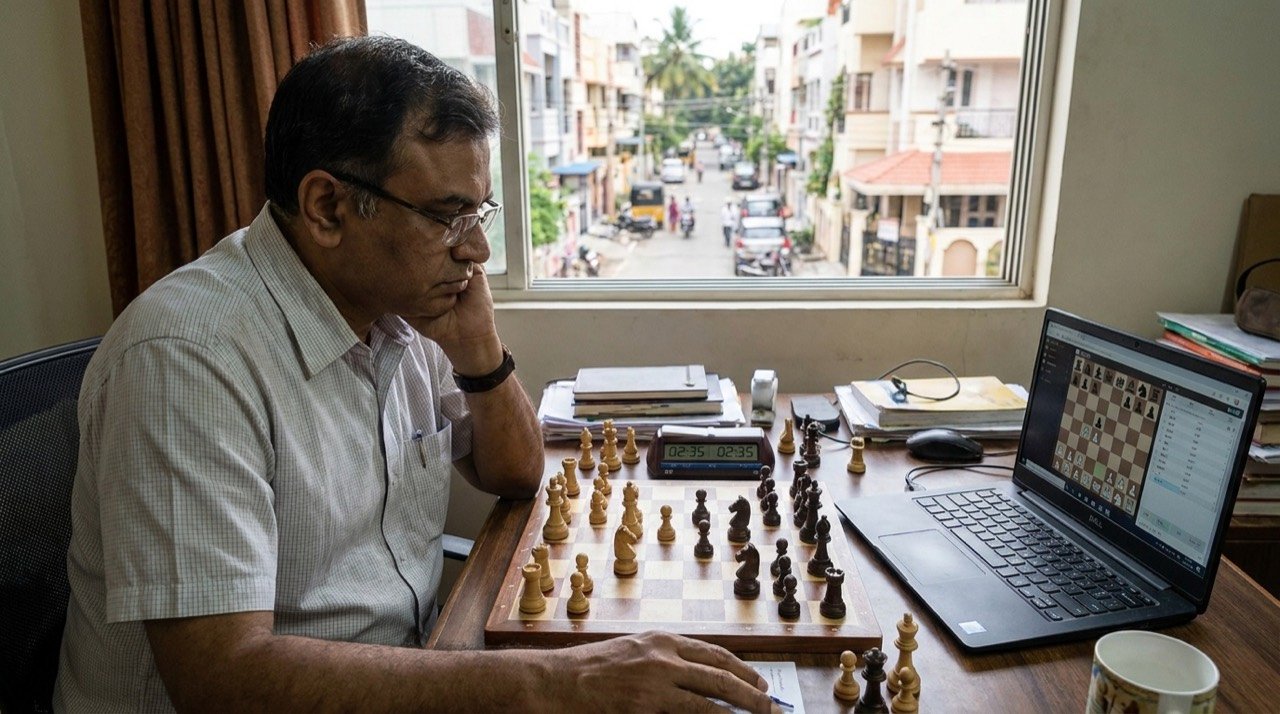
India Lock In Chess Line-Up for Esports Nations Cup 2026 as Mitrabha Guha Wins Through Qualifier
India have completed their chess contingent for the Esports Nations Cup 2026 in Riyadh, with Grandmaster Mitrabha Guha topping a regional qualifier to join Nihal Sarin in the two-player squad.
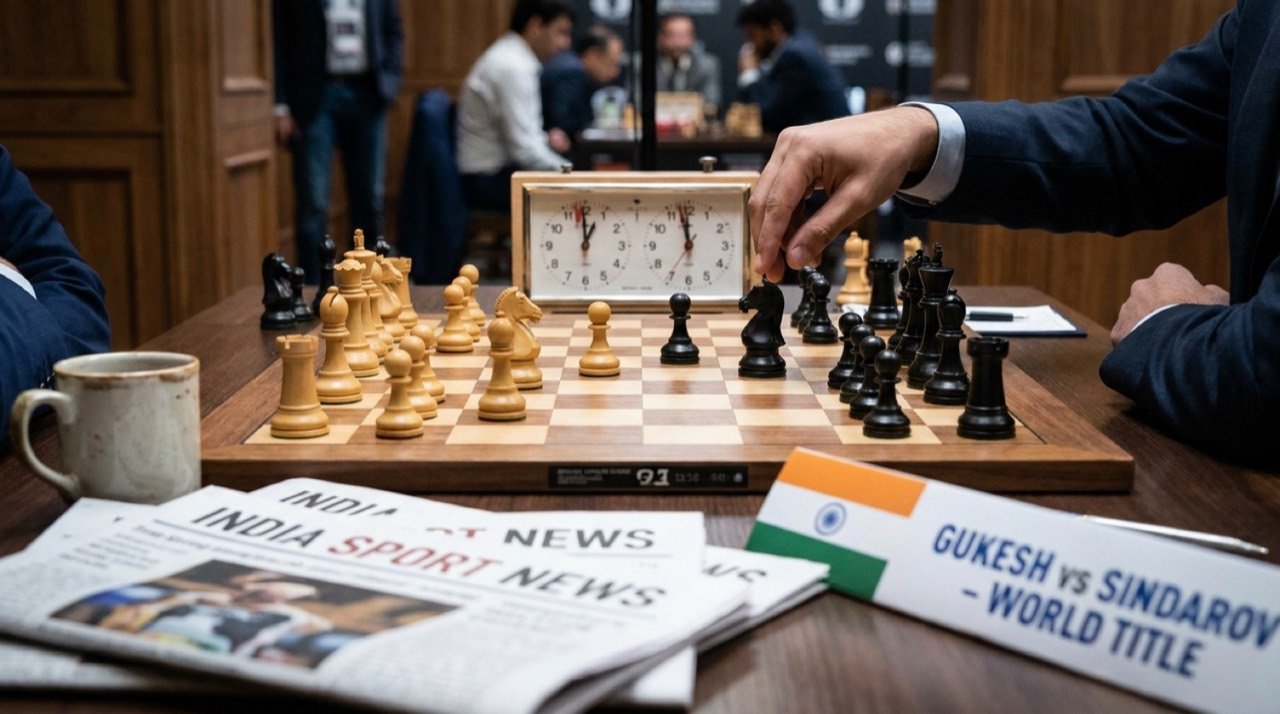
Gukesh Told to Sharpen Calculation Speed Before Sindarov Title Defence
World champion D Gukesh has been advised to improve his calculation speed and defensive accuracy ahead of his World Championship title defence against Uzbekistan's Javokhir Sindarov.
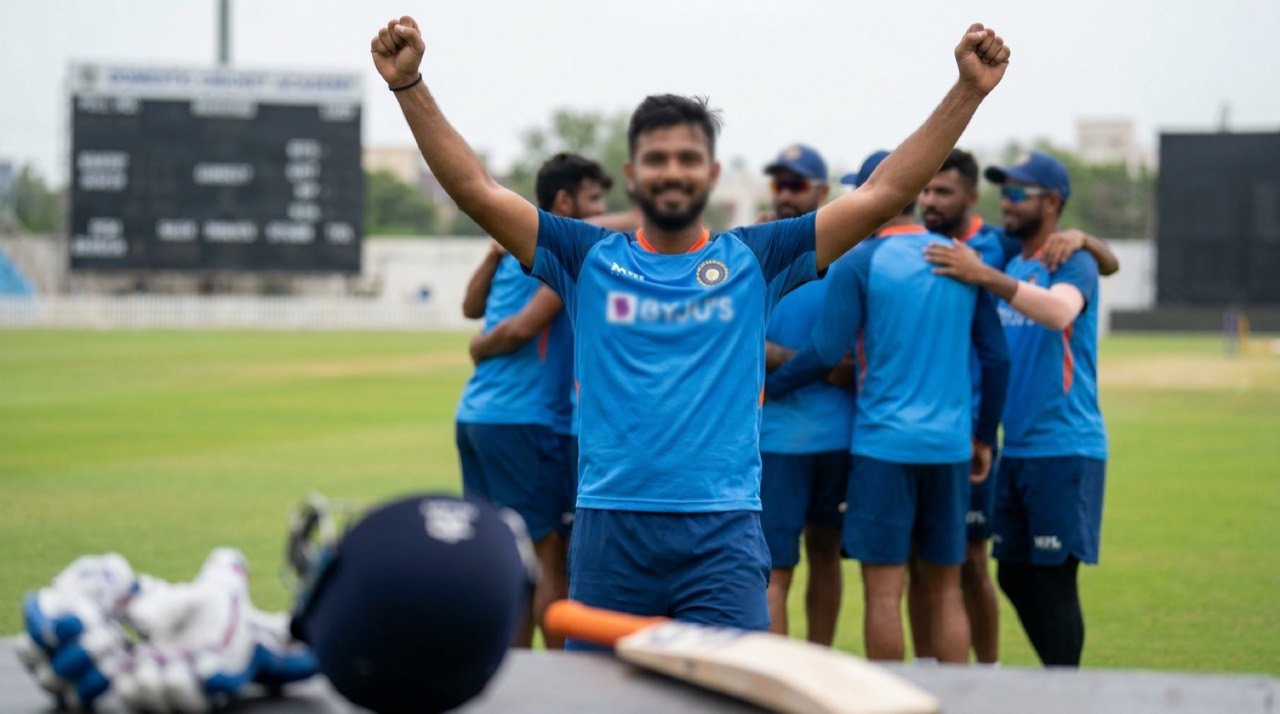
Suryansh Shedge Earns Maiden India T20I Call-Up as Cover for Injured Nitish Kumar Reddy
All-rounder Suryansh Shedge has received his first India call-up, named as replacement for the injured Nitish Kumar Reddy in the T20I squads for the Ireland and England series.
More from this section
More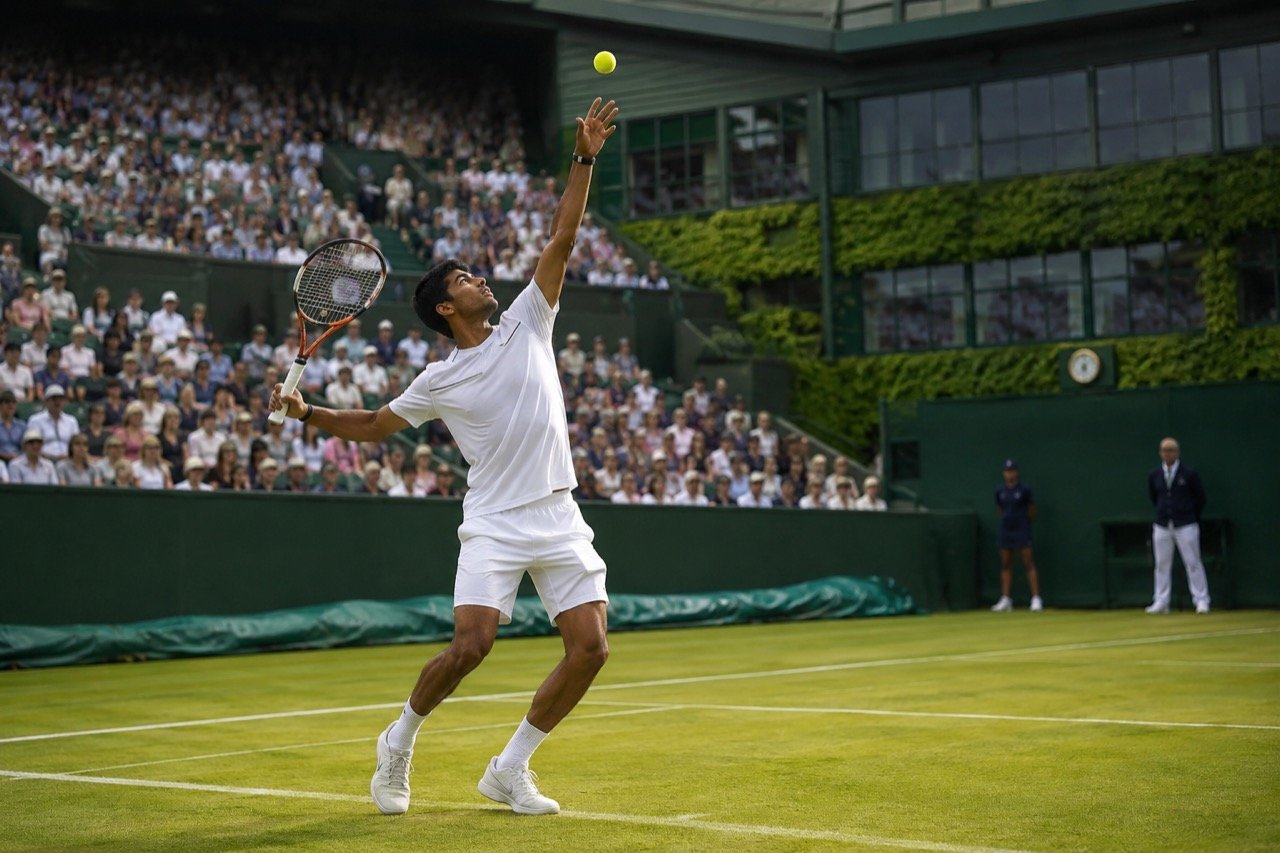
Arnav Paparkar Advances at Wimbledon Boys' Singles in Boost for India
Indian junior Arnav Paparkar has moved into the second round of the Wimbledon boys' singles with a commanding serving display, handing Indian tennis a rare and encouraging grass-court result at the sport's biggest stage.

Axar Patel Becomes First Indian Spinner With 100 T20I Wickets
Axar Patel reached 100 T20 international wickets in the second T20I against England, becoming the first Indian spinner to hit the mark and cementing his standing as one of India's most durable white-ball performers.
BCCI Emerging Men's Tournament to Hunt Test Prospects in Bengaluru
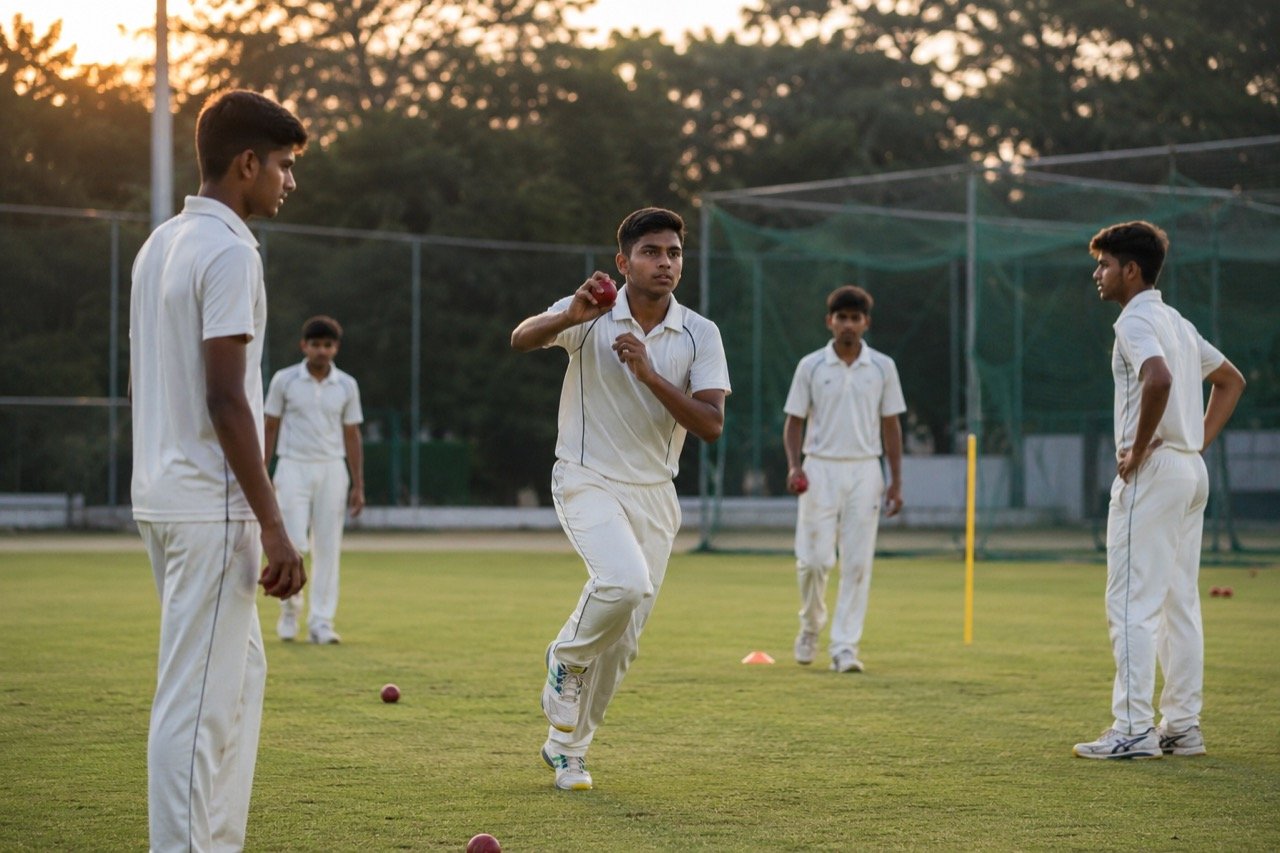
The BCCI's red-ball Emerging Men's Tournament, running at the Centre of Excellence in Bengaluru through July, is designed to give selectors a longer, harder look at India's next generation of Test cricketers.