Nitin Gadkari Backs Isobutanol-Blended Diesel in New Biofuel Push
Union Minister Nitin Gadkari is reportedly pushing for up to 15 percent isobutanol blending in diesel, extending India's biofuel drive beyond E20 petrol into the fuel that powers freight and farming.
The NE Times National Desk
Commentary & Analysis ·
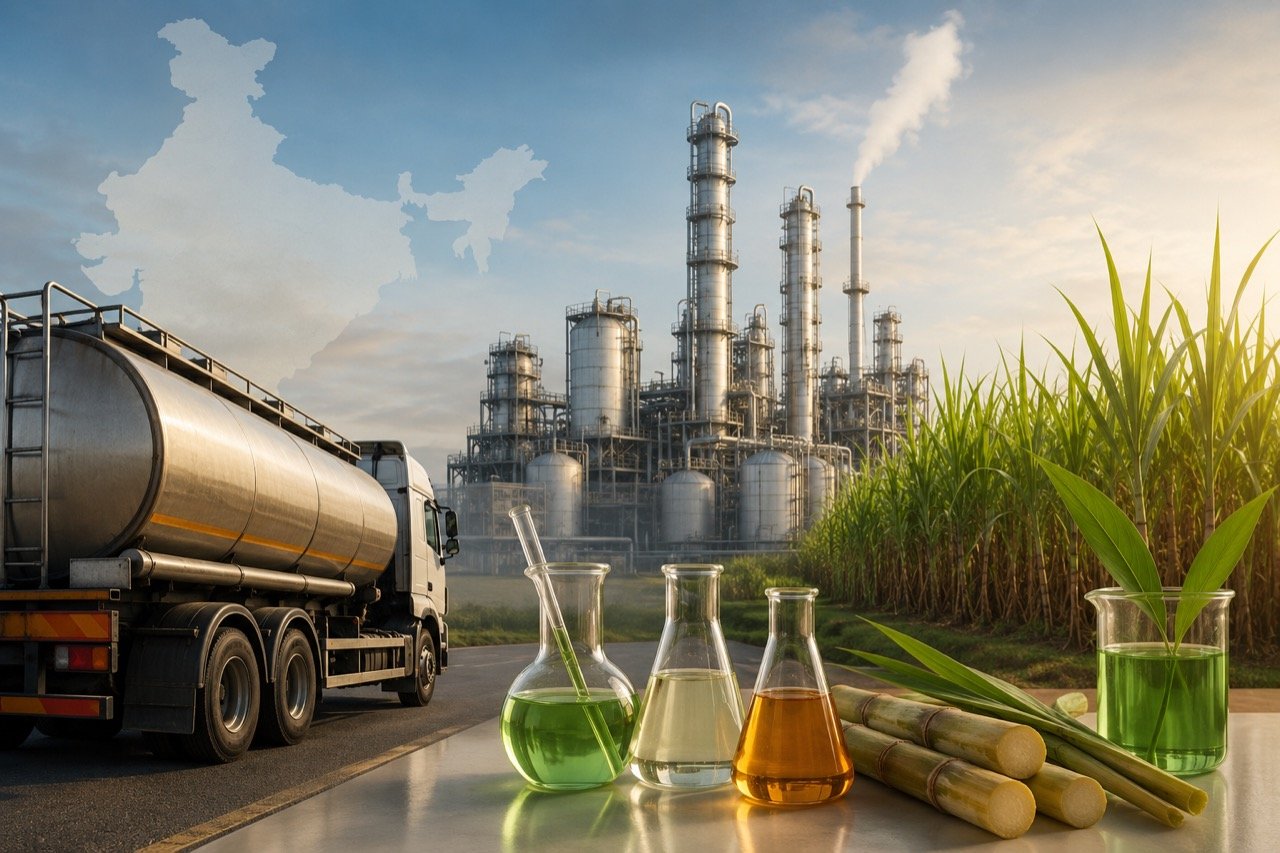
India's biofuel debate has widened beyond petrol. Union Road Transport Minister Nitin Gadkari is pushing for diesel blended with up to 15 percent isobutanol, according to a July 5 report in the Economic Times, signalling that the government's alternative-fuel ambitions now extend to the country's workhorse fuel.
The move follows the rollout of E20 petrol, which mixes 20 percent ethanol into the fuel used by most private vehicles. Diesel, however, is a different order of challenge: it powers freight trucks, agricultural machinery, buses and a large share of India's commercial transport, so any blending mandate carries far greater economic weight.
Why isobutanol, and why diesel
Isobutanol is being discussed as a cleaner fuel additive whose chemical properties may make it better suited to diesel blending than ethanol, which does not mix well with diesel. The policy goals are familiar ones: cut India's crude oil import bill, create demand for domestically produced alternative fuels, and lower emissions where technically feasible.
The implementation questions
The hard part starts after the announcement. Fleet operators will want clarity on engine compatibility, mileage impact, maintenance costs, warranty protection and fuel availability before committing. Oil marketing companies will need blending infrastructure and reliable isobutanol supply chains, while regulators must publish standards that make the transition predictable rather than disruptive. Pilot programme details, industry response and official specifications are the next milestones to watch.
The NE Times View
Gadkari's isobutanol push fits a consistent pattern: he floats ambitious fuel transitions early and lets industry catch up. That approach has moved India's energy conversation forward, but diesel is where caution matters most, because the vehicles involved are livelihood machines for truckers and farmers, not lifestyle purchases. The lesson of the E20 rollout is that consumer trust erodes quickly when mileage and warranty questions are answered late. If the government wants this transition to succeed, transparent testing data and clear compensation rules should come before any blending mandate. Done right, isobutanol blending could genuinely strengthen energy security; done hastily, it risks becoming another running dispute between policy and the pump.
This article is original commentary and analysis by The NE Times. Background facts were referenced from the Economic Times.
You may also like to read
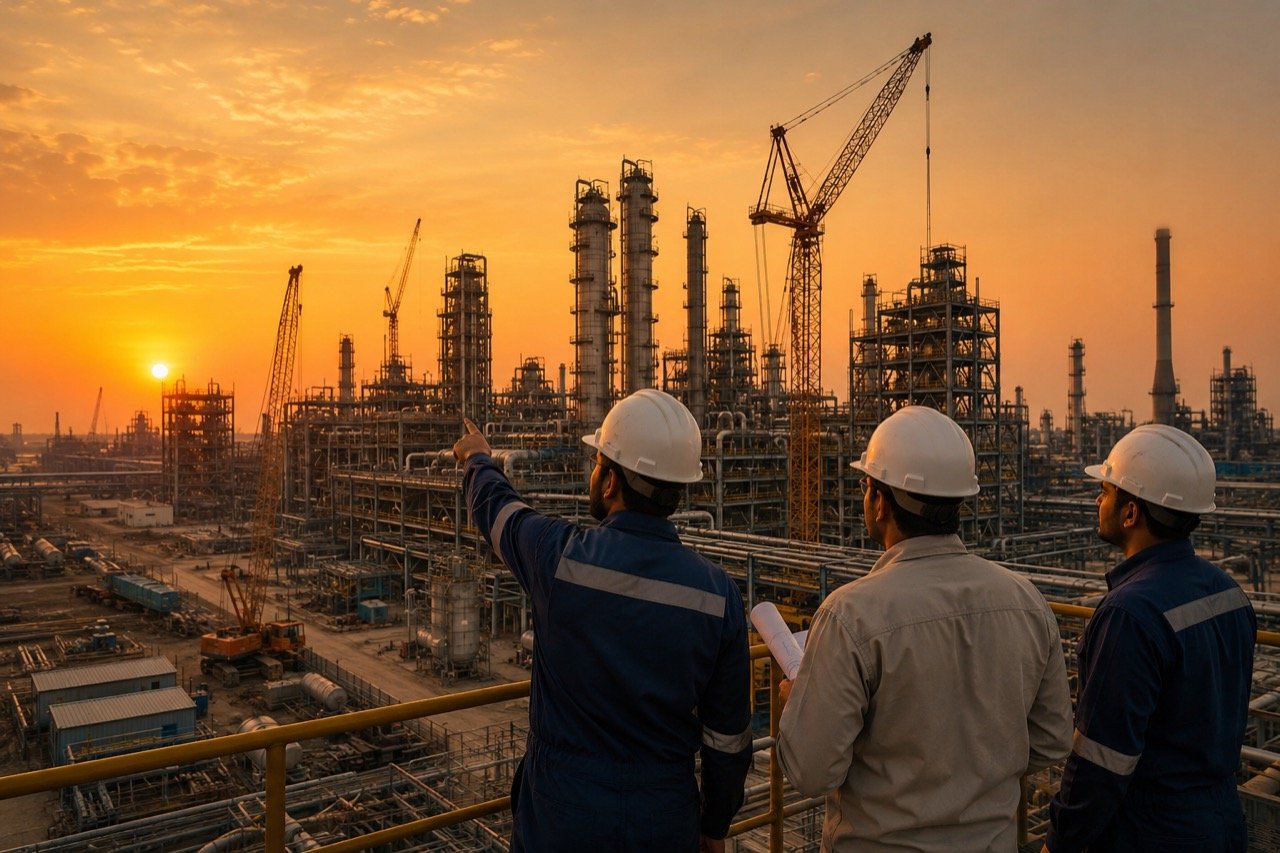
India Refining Capacity Expansion Powers New Energy Push
India's plans to expand oil refining capacity are back in the spotlight, underlining how fuel infrastructure remains central to demand, exports and energy security even as the clean-energy transition gathers pace.
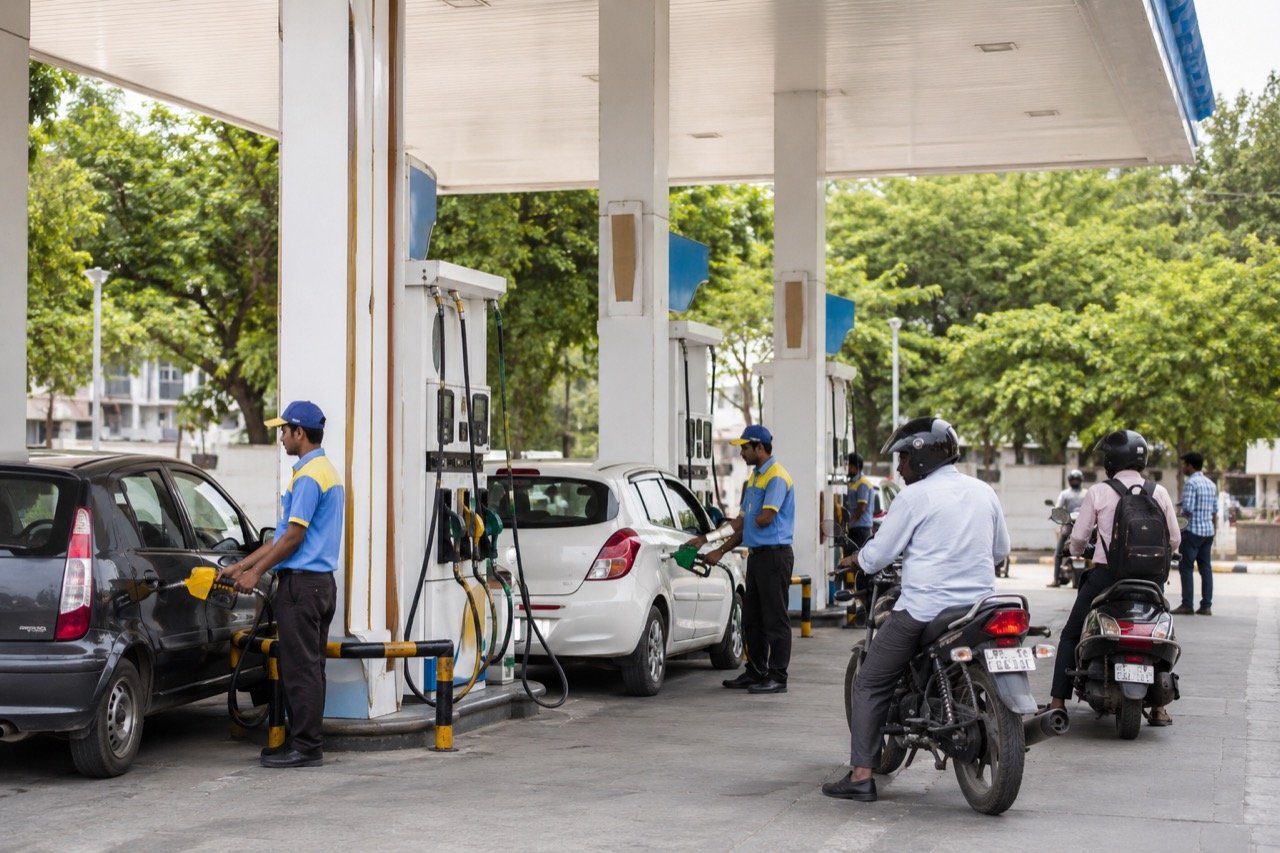
India to Lift Petrol and Diesel Sale Curbs From July 1
Restrictions on the sale of petrol and diesel are set to be lifted from July 1, easing uncertainty for motorists, transport operators and fuel retailers even as cities push a parallel shift to electric mobility.
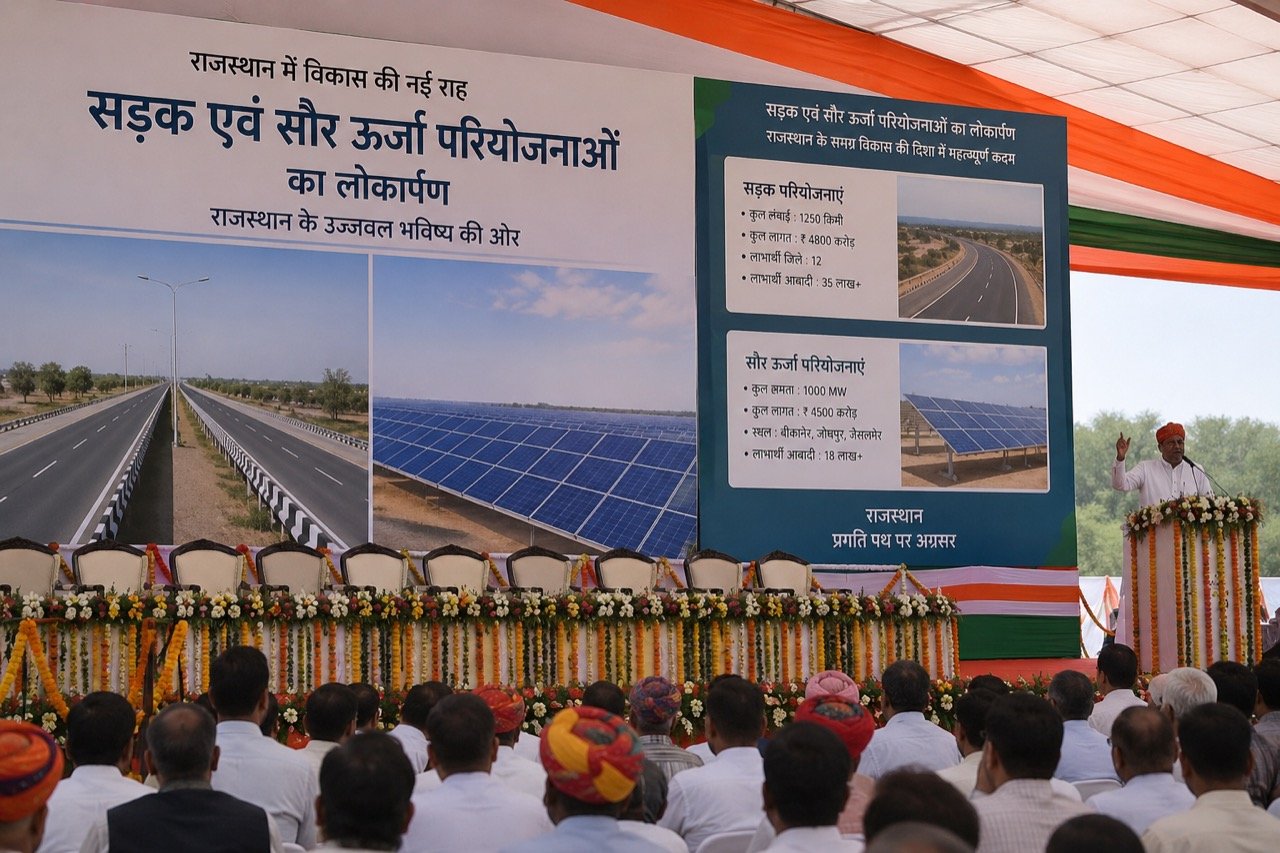
Modi's Balotra Push: Rs 1.06 Lakh Crore Projects and Energy Message
Prime Minister Narendra Modi's visit to Balotra in Rajasthan paired development projects worth around Rs 1.06 lakh crore with remarks crediting India's diplomacy for steering the country through West Asia-linked energy pressures.
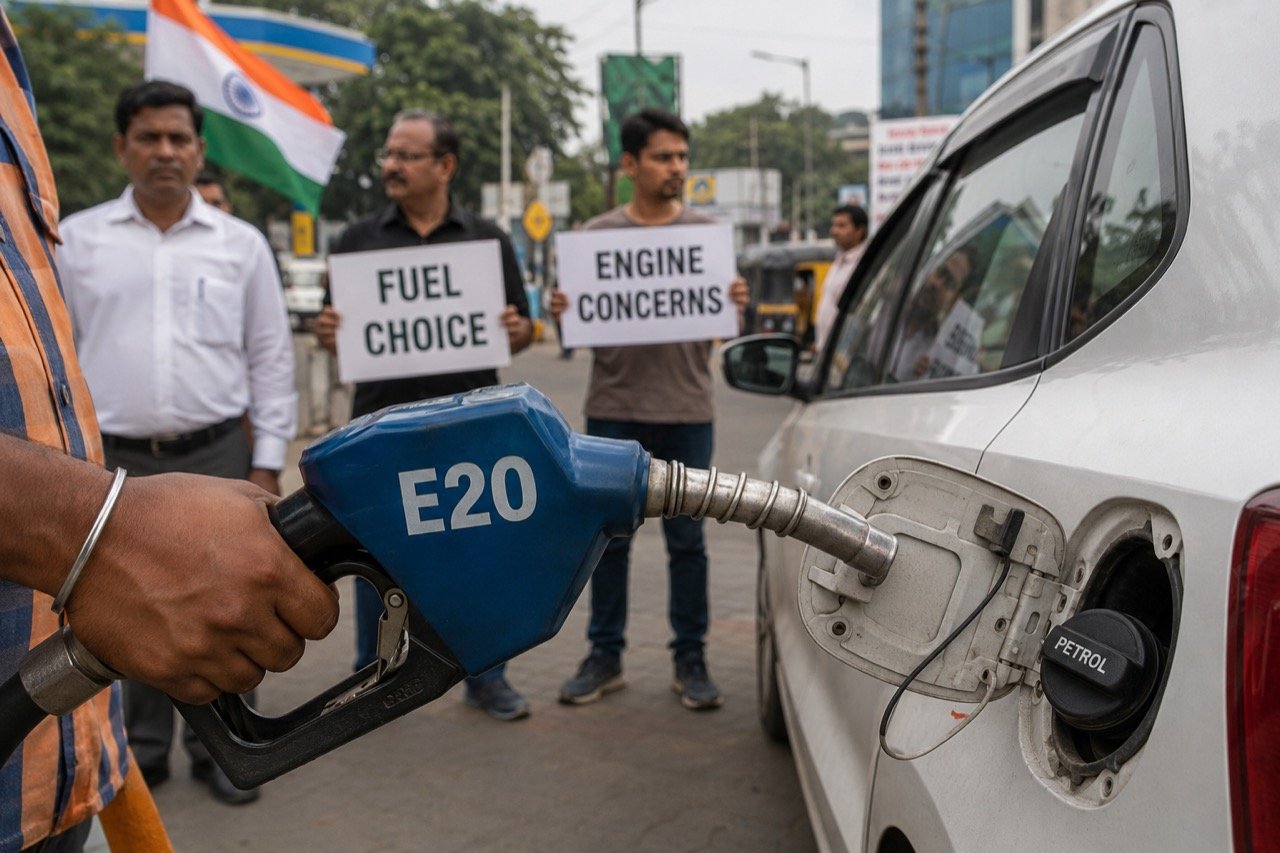
E20 Petrol: Why India's Ethanol Blending Push Divides Motorists
India's rollout of E20 ethanol-blended petrol has become a live public-policy debate, with vehicle owners raising questions about mileage, engine compatibility and consumer choice even as the government defends its energy-security goals.
More from this section
More
AICTE Industry Fellowship 2026: Rs 1.5 Lakh Scheme Closes July 5
The AICTE Industry Fellowship Programme 2026, which places technical-education faculty inside leading companies on a Rs 1.5 lakh monthly stipend, reached its application deadline on July 5.
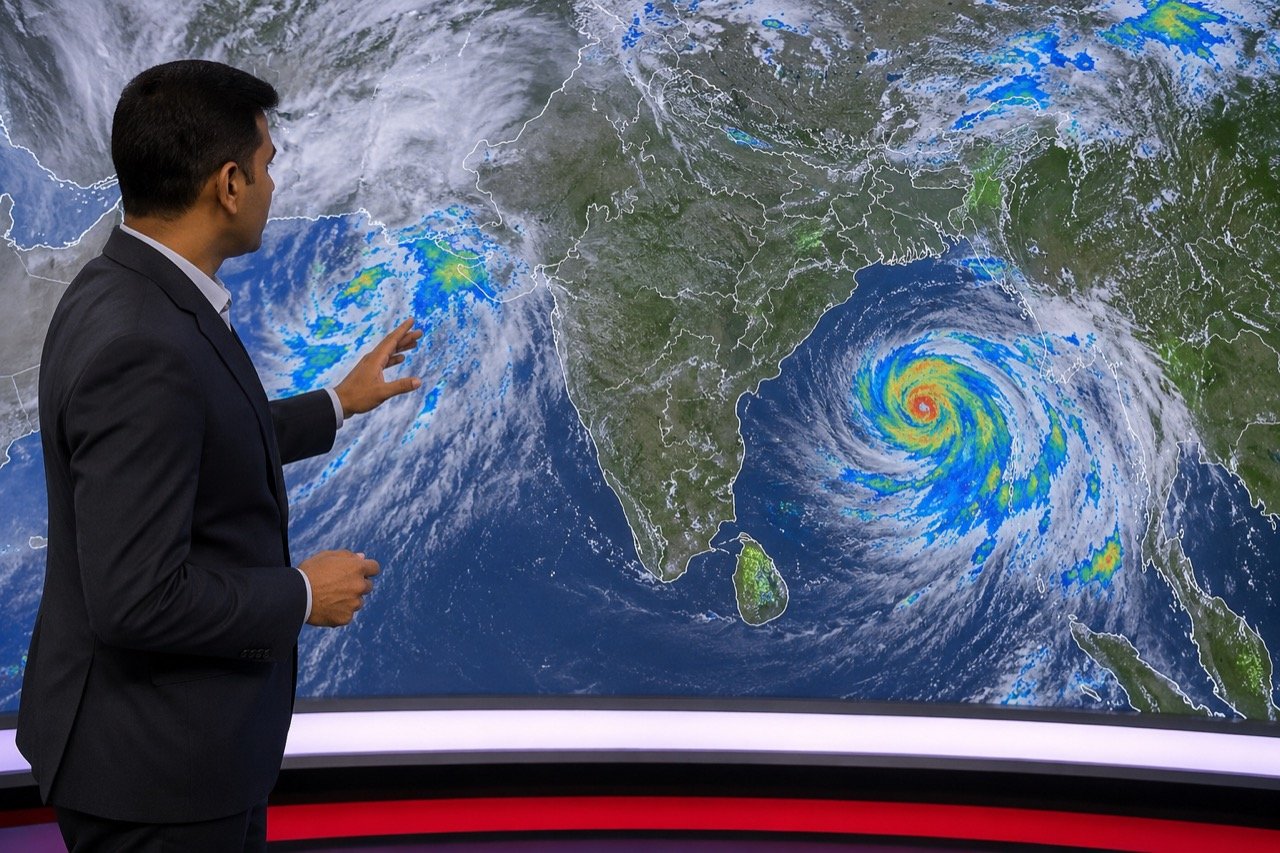
Bay of Bengal Low Pressure System Revives Monsoon Over Western India
A low-pressure system over the Bay of Bengal has pushed the monsoon back into an active phase, bringing steady heavy rain to Kerala, coastal Karnataka and Maharashtra, and putting Mumbai and Pune on preparedness watch.
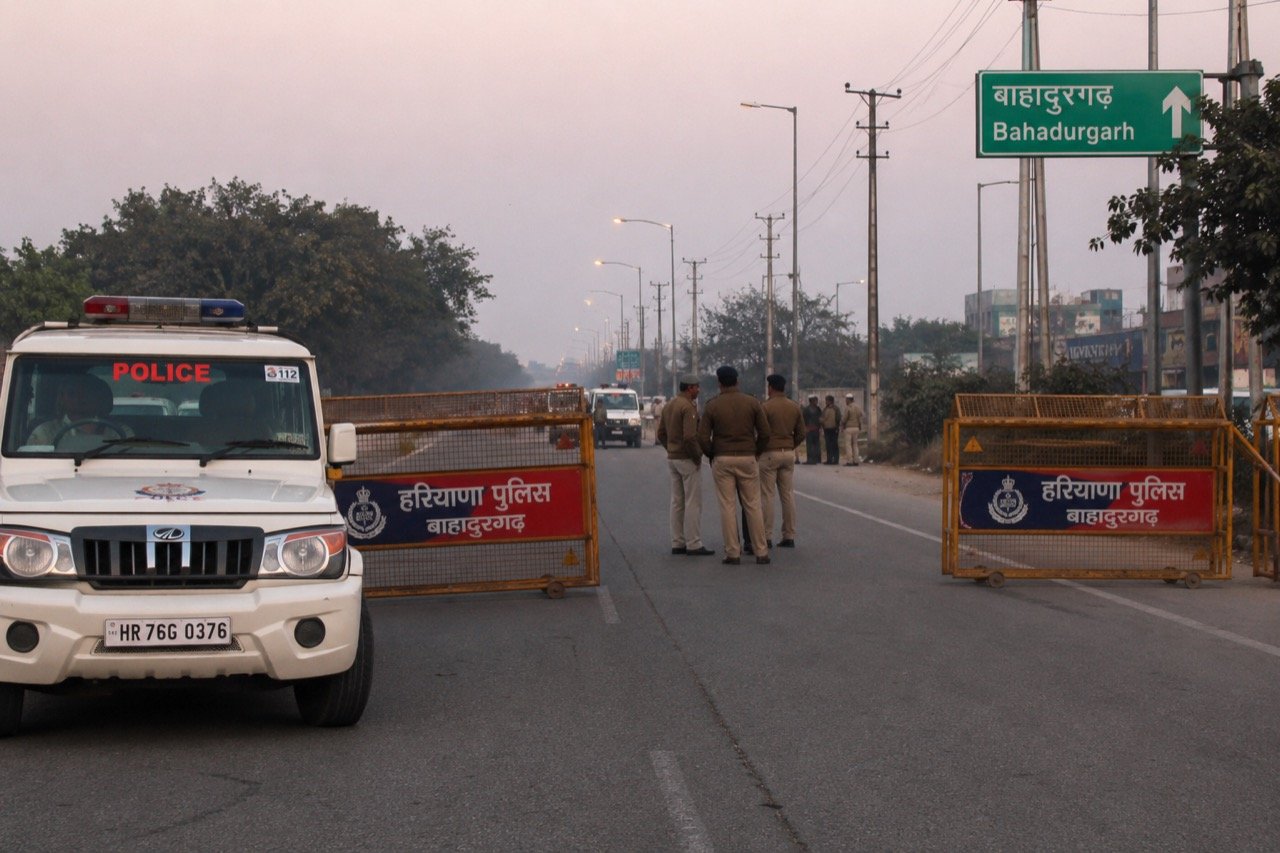
Bishnoi Gang Suspects Injured in Haryana Encounter as Police Tighten Net
A joint Haryana-Delhi Police operation in Bahadurgarh left two suspected Lawrence Bishnoi gang members injured, spotlighting the multi-state coordination now central to India's fight against organised crime networks.