Bullet Train Push: NHSRCL Invites Design Bids for Two New Corridors
NHSRCL has invited design consultancy bids for the proposed Bengaluru-Chennai and Delhi-Varanasi high-speed rail corridors, signalling that India's next bullet train routes are moving from announcement to technical planning.
The NE Times National Desk
Commentary & Analysis ·
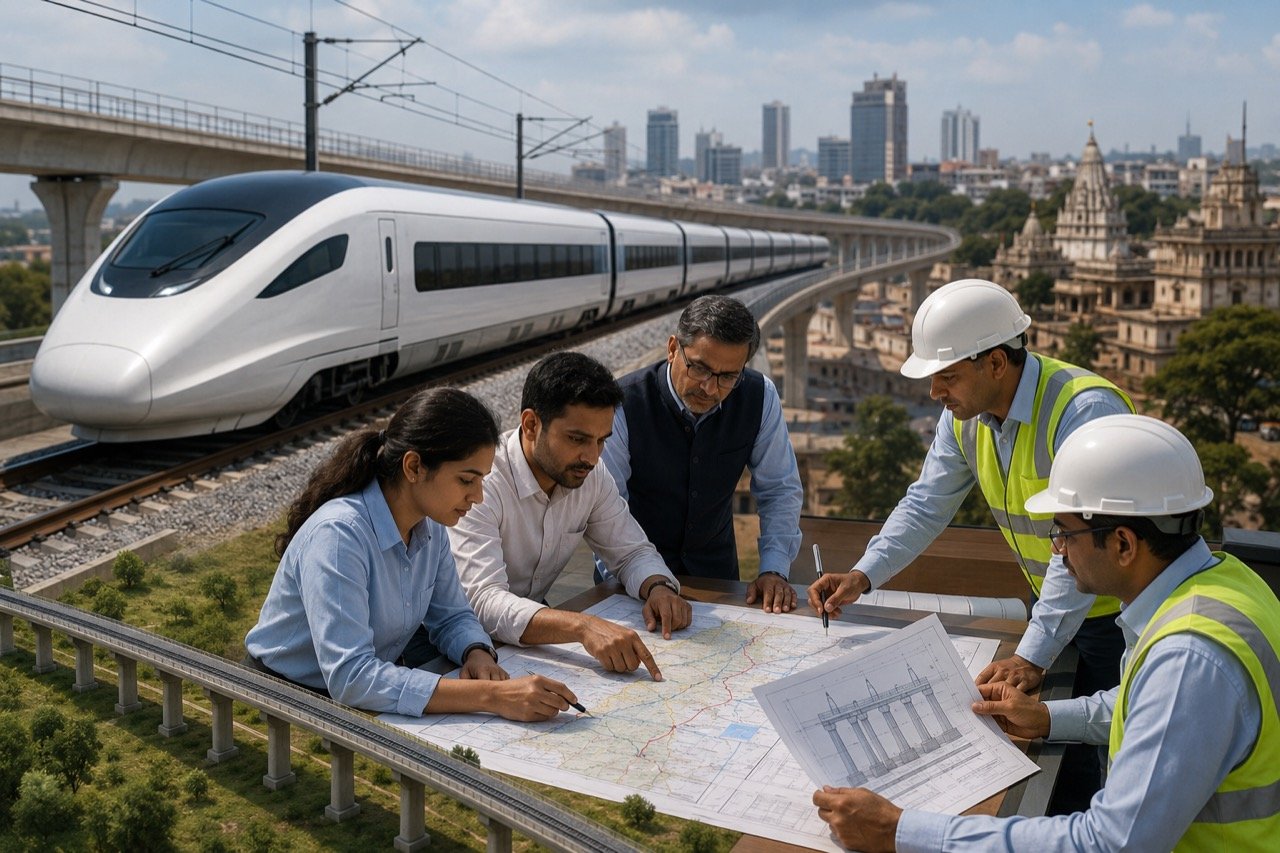
India's high-speed rail ambitions have taken a concrete step beyond announcements. The National High Speed Rail Corporation Limited (NHSRCL) has invited bids for civil structure design consultancy on two proposed corridors — Bengaluru-Chennai and Delhi-Varanasi — a procurement move that suggests these routes are likely to be prioritised after the Mumbai-Ahmedabad project.
The bids cover early-stage engineering work rather than construction. Design consultancy of this kind typically spans civil structures, viaducts, tunnels and station planning — the technical groundwork that must be completed long before any track is laid. Reports indicate the Chennai-Bengaluru side already involves underground station and tunnel planning elements, a sign that dense urban integration is baked into the design challenge from the start.
Why these two corridors matter
The Bengaluru-Chennai route would link two of southern India's biggest economic engines, with potential long-term effects on business travel, technology-sector mobility and regional urban growth. The Delhi-Varanasi corridor follows a different logic: connecting the national capital region to a major Uttar Pradesh city across one of the country's most populous belts, where land, feeder connectivity and state-level coordination will all shape the final alignment.
The Union Budget 2026-27 had placed several future high-speed corridors on the table. Because India cannot build every route at once, procurement signals like this one are watched closely by infrastructure firms, state governments and investors trying to read which corridors will move first. The design-bid stage is precisely what separates aspiration from sequencing.
A milestone, not a launch date
Important caveats remain. Design bids do not resolve land acquisition, environmental clearances, financing, rolling stock choices or completion timelines — and the Mumbai-Ahmedabad experience has shown that high-speed rail demands sustained coordination over many years. No new bullet train is about to run tomorrow; what is moving is the planning machinery behind the next generation of corridors.
The NE Times View
The real story here is discipline, not speed. By opening design bids for two high-visibility corridors, NHSRCL is quietly telling the market which routes come next — and that kind of sequencing clarity is exactly what India's infrastructure pipeline has often lacked. For Bengaluru, Chennai and the Delhi-Varanasi belt, the payoff is years away, but early engineering rigour is what separates projects that get built from those that stay on budget documents. Readers should treat this as genuine momentum while resisting headlines that promise imminent bullet trains.
This article is original commentary and analysis by The NE Times. Background facts were referenced from The Indian Express and Moneycontrol.
You may also like to read
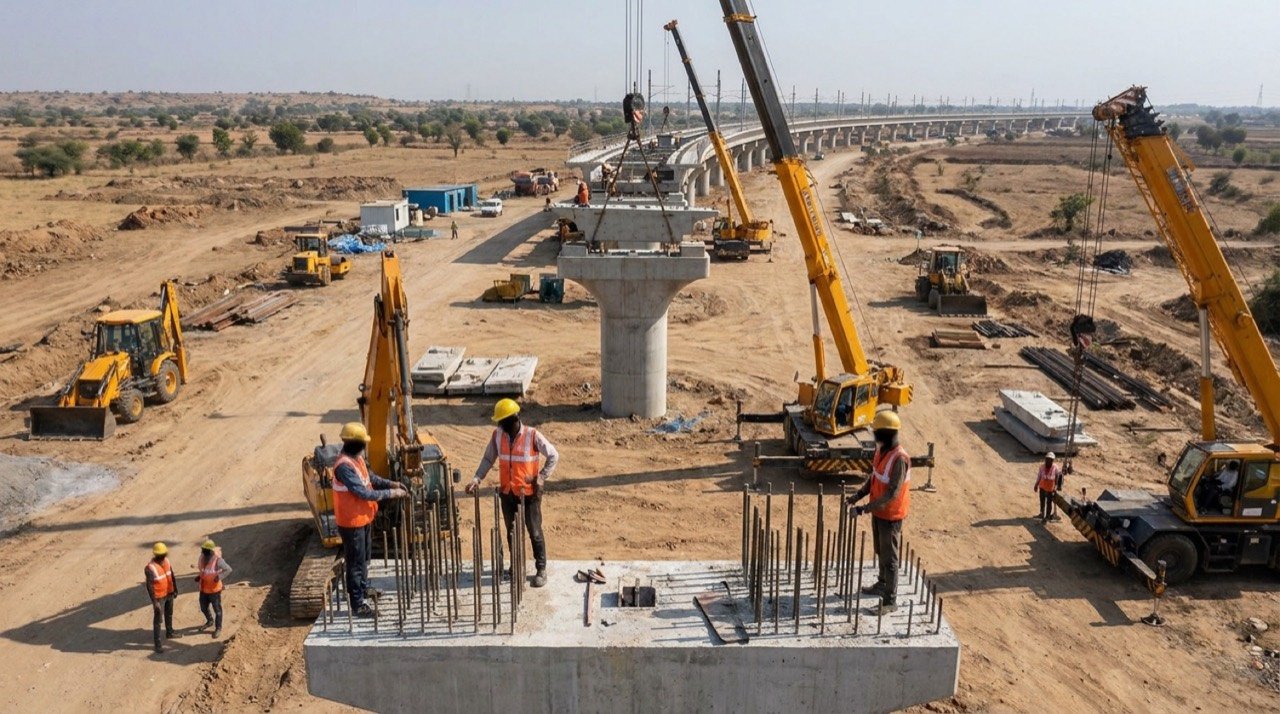
Mumbai-Ahmedabad Bullet Train Project Opens Over 200 Jobs
The Mumbai-Ahmedabad bullet train project has opened applications for more than 200 posts, offering engineers, technicians and operations specialists a new hiring window in India's flagship high-speed rail programme.
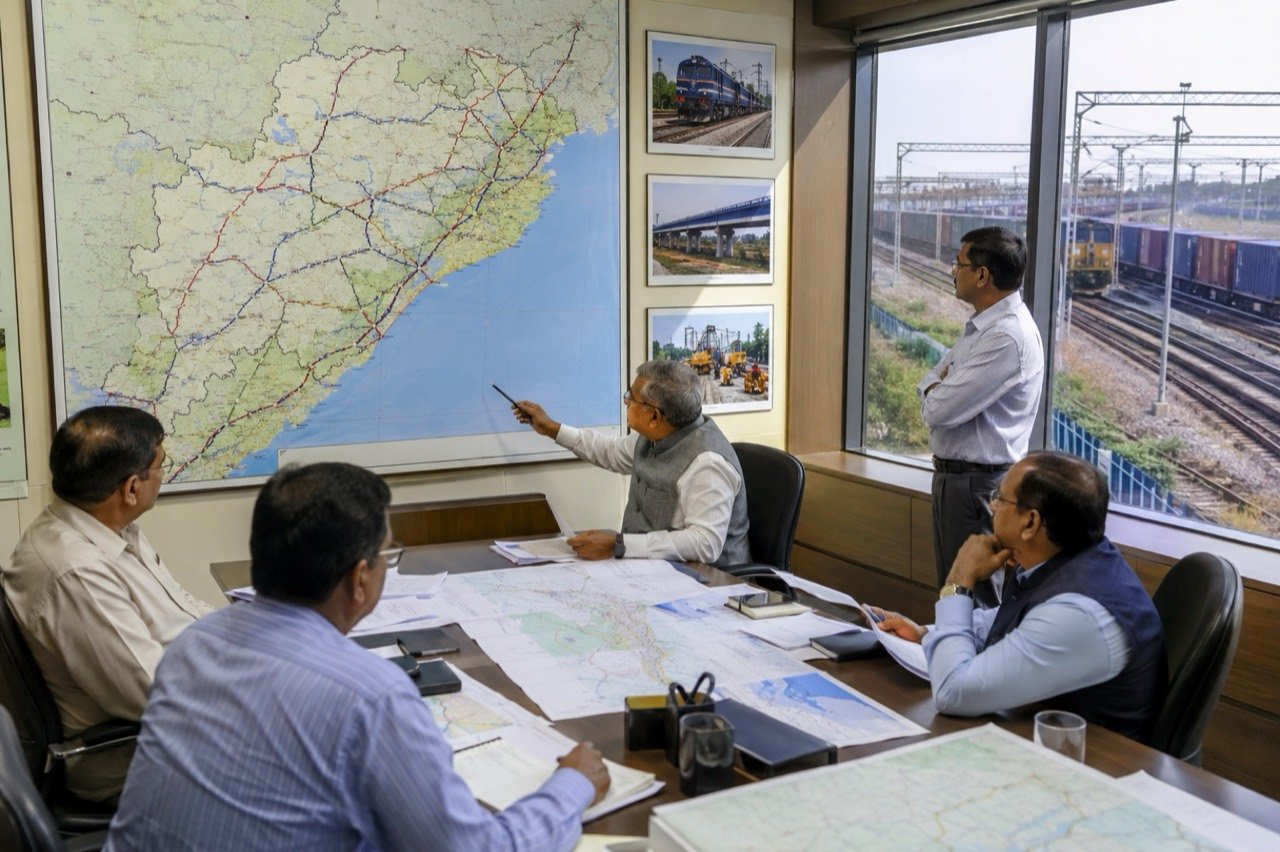
Odisha Railway Reorganisation Demand Grows as East Coast Railway Shrinks
With the new South Coast Railway carving territory away from East Coast Railway, Odisha is reviving long-standing calls to merge its South Eastern Railway sections into ECoR for unified planning.

Delhi-Kolkata Six-Lane Corridor Nears Completion as Highway Push Accelerates
The 31,700-crore-rupee, roughly 610-km expressway across four states is being readied for completion, part of a broader expansion of India's high-speed road network.
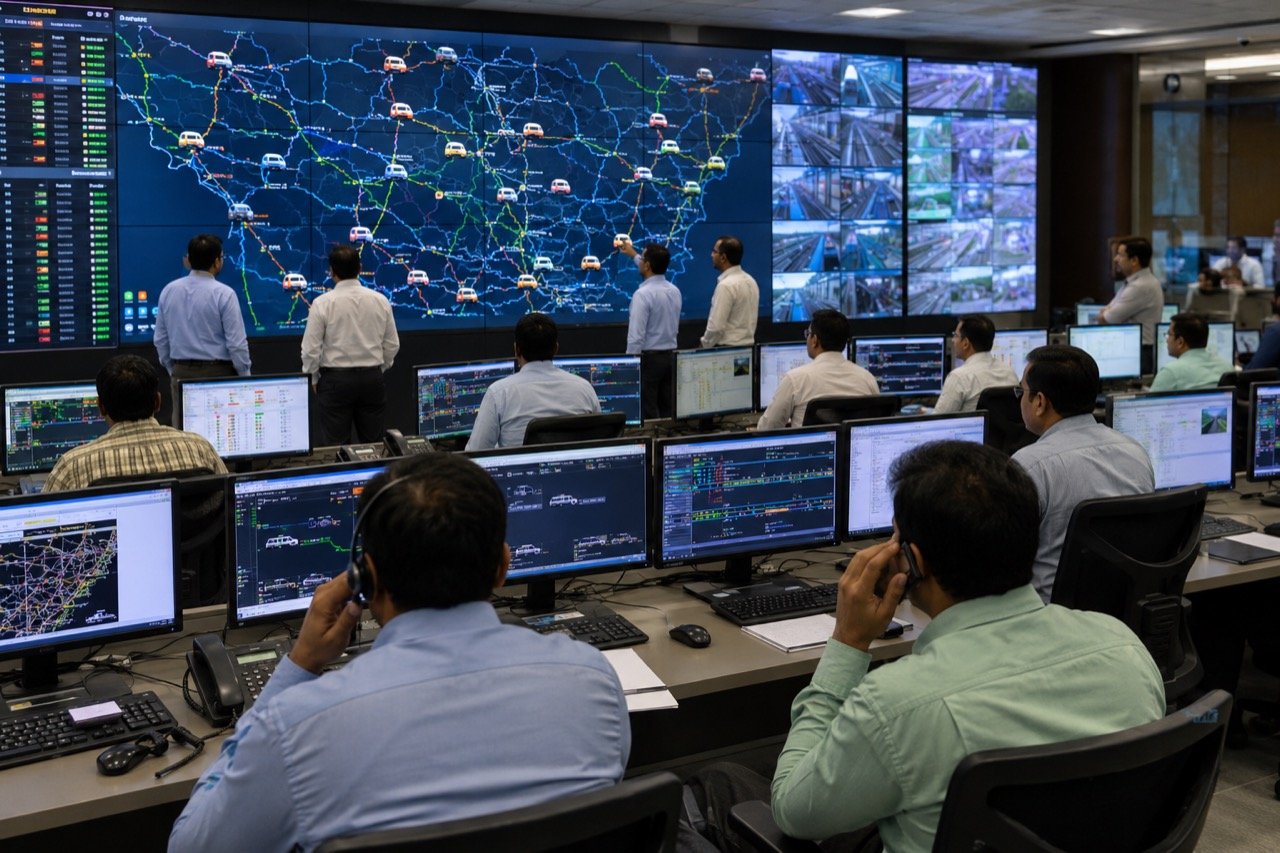
Railways Rolls Out Real-Time App to Flag Train Delays Past 15 Minutes
Indian Railways has launched its first internal app to monitor train punctuality in real time, flagging delays beyond fifteen minutes so officials can spot bottlenecks and coordinate faster responses across the network.
More from this section
More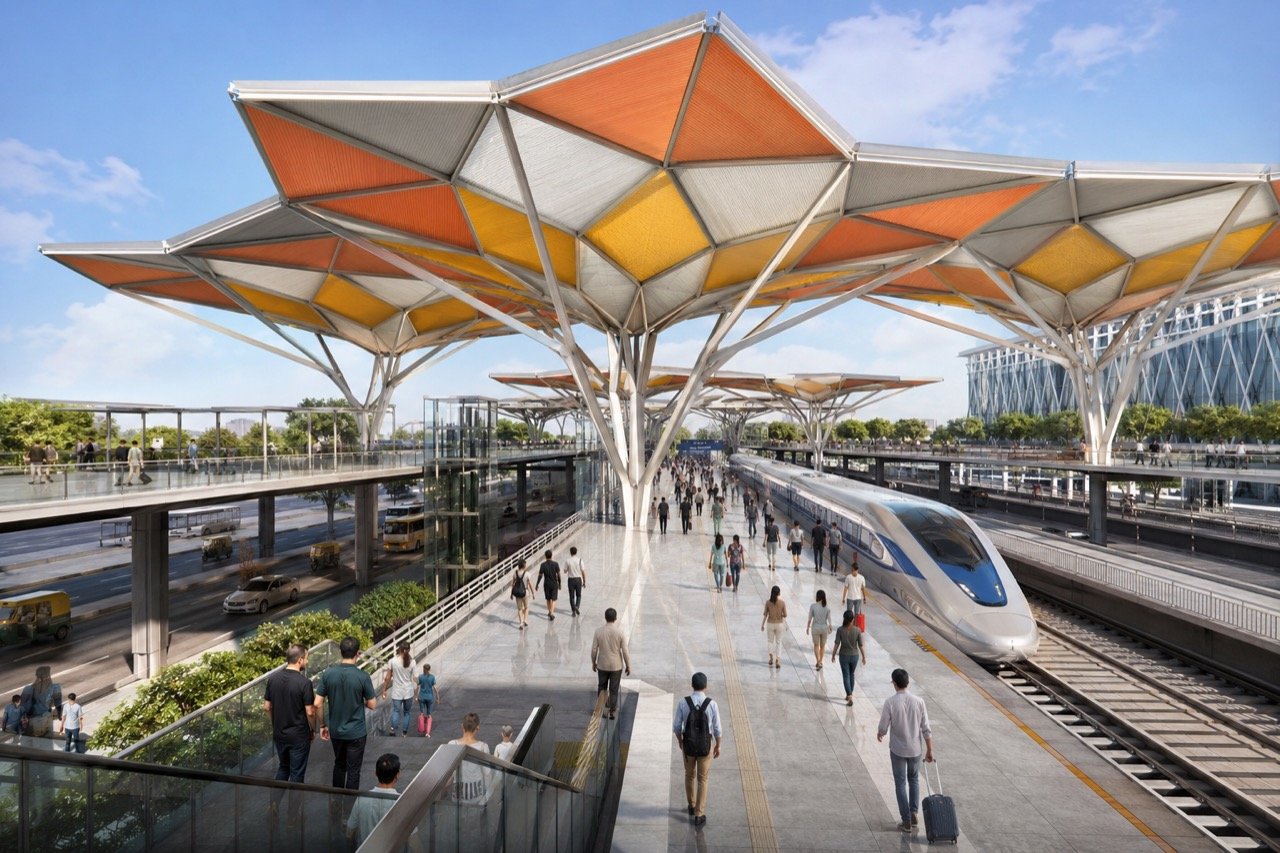
Ahmedabad Bullet Train Station Gets Kite-Inspired Multimodal Hub Plan
Ahmedabad's bullet train station is set to be developed as a multimodal transport hub with a kite-inspired design, giving India's high-speed rail project a distinctive urban landmark rooted in local identity.
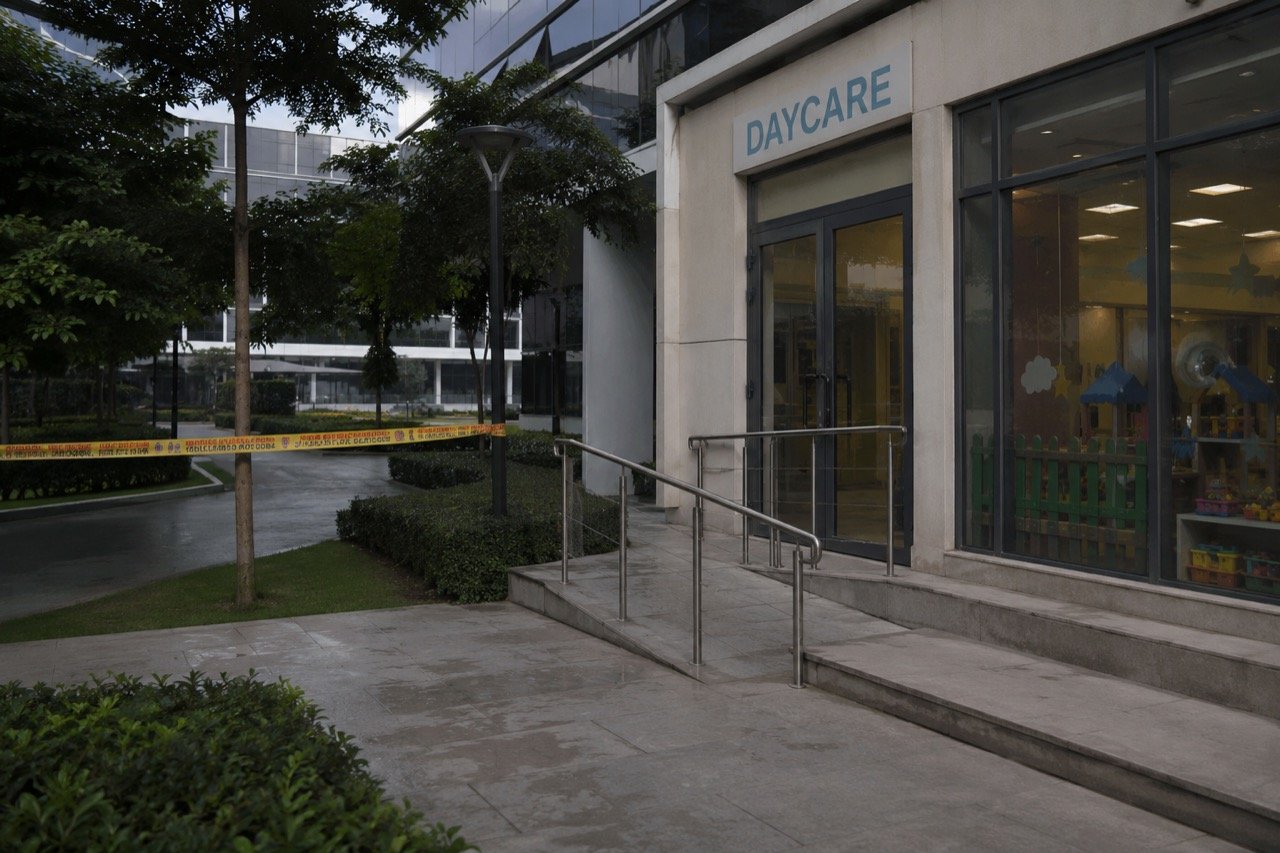
Arrest in Bengaluru Daycare Case Deepens Child Safety Questions
Bengaluru police have arrested a woman connected to the daycare case at a Capgemini campus facility, sharpening scrutiny of caregiver vetting, oversight and accountability at workplace-linked childcare centres.

Assam Case Shows PAN and Voter Cards Are Not Citizenship Proof
A man declared a foreigner in Assam despite holding multiple identity documents has highlighted a crucial legal distinction: everyday IDs establish identity, not citizenship, when a person's legal status is challenged.